

### Blog Post:
Rainfall showerhead upgrades are at the center of today’s luxury bathroom remodels, but most guides leave out the specs, real-world problems, and hidden costs you need to make a confident investment.
Key Takeaways
- Understand the measurable specs of rainfall showerheads—diameter, nozzle count, GPM—and how these impact water pressure and your experience.
- Beware of hidden installation and maintenance costs not disclosed by most sellers, from ceiling reinforcement to potential plumbing upgrades.
- Ask specific, technical questions before buying or remodeling to avoid common user pain points like low pressure, leaks, or high upkeep.
- Market snapshot — demand, size and growth drivers
- What a “true” rainfall showerhead is — technical specs buyers need
- How rainfall design affects water pressure & user experience (what to expect)
- Water consumption, sustainability & utility-bill implications
- Top user pain points and negative-review themes to anticipate
- Hidden and ongoing costs (installation, upkeep, and lifecycle)
- Premium materials and features that justify luxury pricing
- Pricing, top brands, and what to expect in each price tier
- Practical buying checklist (for renovations) + pre-install questions for your contractor
- Three blind spots most competitor articles miss (and how this piece will answer them)
Market snapshot — demand, size and growth drivers
The global rainfall showerhead and luxury shower fixture market is booming in 2024. Estimates put the total shower-head market size between USD 7.4 billion and USD 14.1 billion this year. Growth rates sit at a strong 4.5% to 8.8% CAGR through 2034, driven by high-end home renovations, strict water regulations, and the rise of luxury and IoT-enabled showers. In the United States alone, the shower-head market reached USD 2.00 billion in 2024, with fixed models (mainly rainfall types) capturing over half the market share.
What’s fueling the trend? Renovation demand post-pandemic, consumers’ appetite for spa-like overhead rain experiences, and a push for premium fixtures that save water without sacrificing comfort. But remarkably, many market reports do not specify price tiers or leading brands—making it essential for buyers to dig deeper before committing to a rainfall system.
What a “true” rainfall showerhead is — technical specs buyers need
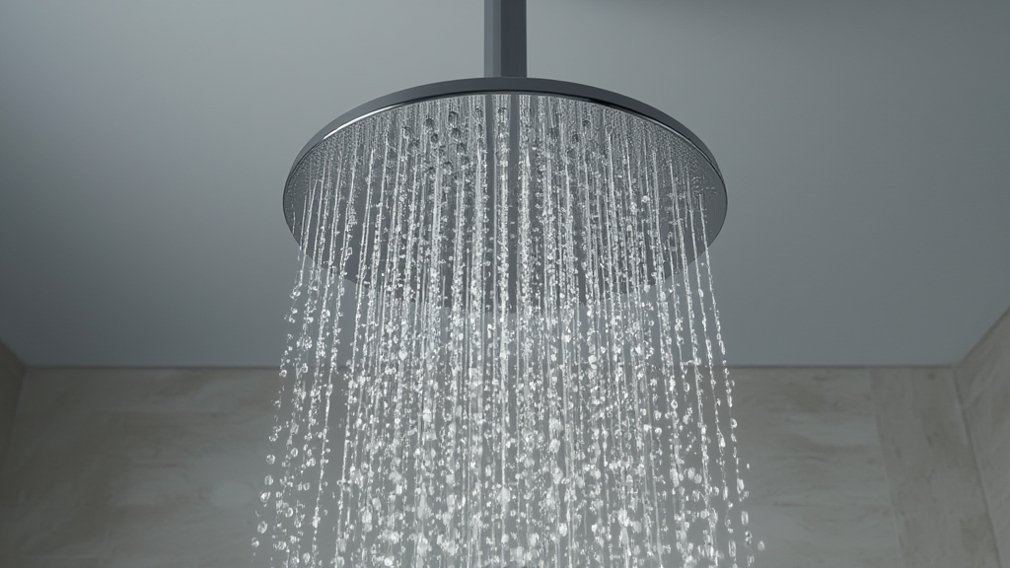
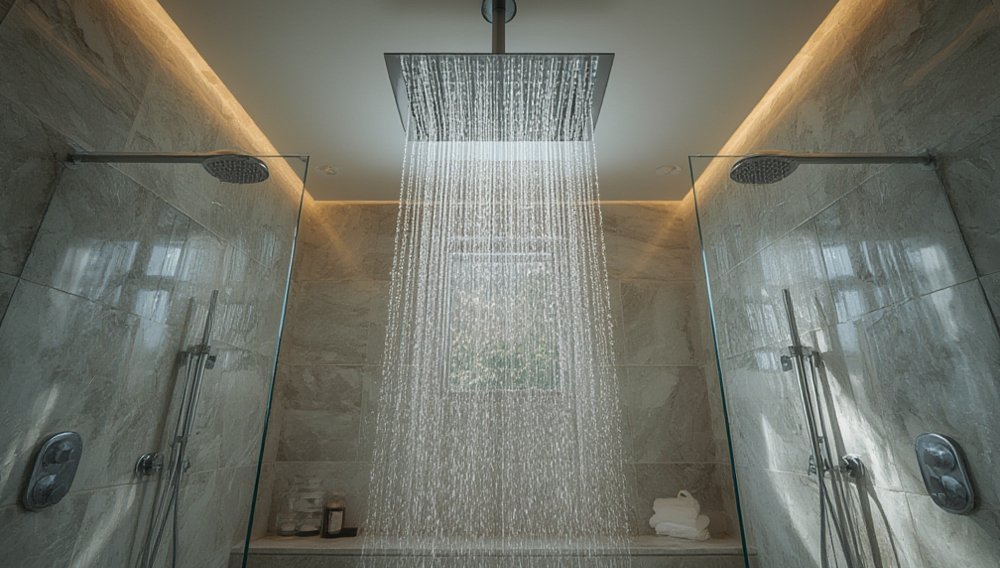
Not every shower labeled “rainfall” delivers that signature overhead rain sensation. A true rainfall showerhead is defined by precise technical specs:
- Diameter: Typically 8 to 16 inches or larger, to create even, wide coverage
- Nozzle count & size: High count (75–150+ nozzles) with fine, evenly spaced holes for gentle, “rain-like” droplets
- Spray pattern density: More nozzles and closer spacing produce fuller coverage—critical for an enveloping feel
- GPM (Gallons Per Minute): Premium rainfall systems commonly rate at 1.5–2.5 GPM, balancing comfort with regulatory compliance (maximum in California, for example, is 1.8 GPM)
- Mounting type: Overhead ceiling (true rain effect) versus wall mount (often labeled “rainfall” but less immersive)
- Internal flow controls: Integral restrictors and aerators maintain eco-performance and influence water pressure
Most competing guides fail to explain these details or how each specification affects your experience. For instance, doubling the diameter without matching nozzle count or adjusting your home’s supply pressure often leads to weak, unsatisfying showers—one of the top hidden pain points. High-end spa shower head systems now offer adjustable spray patterns and removable restrictor, but you’ll need to ask about these specs and compatibility with your current plumbing before purchase.
How rainfall design affects water pressure & user experience (what to expect)
Rainfall showerheads offer an immersive, luxurious spa shower head experience but come with physics-driven tradeoffs. A larger head and more nozzles spread the same water volume over a bigger area, which often reduces the perceived pressure—especially if your home’s supply is borderline or if mandatory low-flow restrictors are in place.
Some luxury models now integrate air-induction or aeration technology: by mixing air with water, they maintain a robust feeling spray with less actual water use, helping comply with regulations without losing comfort. Still, if you crave both full-body coverage and “high-pressure,” confirm that your household supply can deliver at least 50–60 psi at the shower, or consider a booster pump.

If you want to balance eco-friendly use with a luxury feel, look for rainfall systems certified as WaterSense or with advanced spray/mist tech. Expect that tradeoffs may include slightly less “intense” showers—something worth experiencing in a showroom before finalizing your choice. For more tips on pairing eco-upgrades with bathroom luxury, the energy-efficient bathroom upgrades guide covers integrating low-flow fixtures without compromising design.
Water consumption, sustainability & utility-bill implications
Rainfall systems are now at the front of the trend toward sustainability—but most products don’t directly publish typical GPM or use clear comparisons to standard heads. Industry-wide, the shift is toward models using 1.5–2.5 GPM, supported by aerated flow designs and stricter local codes (e.g., California, New York).
Why does it matter? At scale, reducing GPM lowers both water and heating bills every month. For a family that showers daily, the difference between a 2.5 GPM traditional head and a 1.8 GPM eco-rain system can save over 2,500 gallons annually. Still, the actual experience hinges on spray technology, not just flow rate. Pay close attention to labels such as WaterSense, and ask brands to provide GPM ratings for both full and restricted modes.
If eco-performance is a top priority, see the Energy-Efficient Bathroom Upgrades Guide.
Top user pain points and negative-review themes to anticipate
Very few industry reports surface specific user complaints for rainfall showerheads. Still, analysis from real-world reviews and contractor feedback consistently flags the following issues:
- Low or uneven pressure/coverage: Heads larger than 12 inches on homes with low supply pressure commonly disappoint.
- Leaks at ceiling or wall: Often due to improper mounting, undersized ceiling support, or inadequate waterproofing—especially in older homes or when skipping pro installation.
- Clogging and limescale: Fine nozzles attract hard-water buildup, reducing flow or causing spraying issues over time.
- Difficult cleaning/maintenance: Large fixed heads are cumbersome to descale; replaceable nozzle inserts or anti-limescale finishes help but aren’t universal.
- Installation frustration: Ceiling routing often requires invasive drywall or joist work. Unexpected surprises here can double labor costs.
To avoid these pitfalls:
- Check the product FAQ for GPM at your home’s pressure level (not just “maximum” or “up to” claims).
- Ask: Is ceiling reinforcement or extra waterproofing required for this rainfall system?
- Request details on anti-scale features and recommended cleaning frequency.
- Verify included and recommended parts: supply lines, mounting brackets, filter cartridges.
For inspiration on questions to include in your contractor contracts, see the Bathroom Remodels That Balance Cost and Value guide.
Hidden and ongoing costs (installation, upkeep, and lifecycle)
Most rainfall shower guides ignore hidden or ongoing costs—leaving homeowners exposed to expensive surprises down the line. Based on remodel and trade sources, anticipate the following:
| Cost Component | Typical Range | Triggers |
|---|---|---|
| Plumbing upgrades (pressure boost, larger supply lines) | $400–$1,500 | Homes under 2.0 GPM or 50 psi at shower line, or using heads >12” |
| Ceiling reinforcement/drywall repairs | $300–$1,200 | New ceiling-mount rainfall installs, older homes, or open-concept bathrooms |
| Pro installation labor | $400–$1,000+ | Ceiling routed, multi-head or smart rainfall systems |
| Extra waterproofing/venting (for ceiling mount) | $200–$700 | All ceiling-mount or wet-room designs |
| Filter cartridge replacement (annual) | Filter cartridge replacement $30–$100 | Luxury models with built-in filters, hard water areas |
| Anti-limescale treatments/cleaning | $50–$200/yr | Areas with hard water; not needed with advanced coatings |
Budgeting for these up front is essential, especially for premium rainfall systems in luxury renovation projects. For a comprehensive guide to balancing bathroom upgrades and cost surprises, the Ultimate Complete Guide to Kitchen and Bathroom Remodel Costs and Planning offers contractor QA templates and more.
Premium materials and features that justify luxury pricing
The leap from budget to luxury rainfall systems lies in the details. Premium materials like solid brass bodies or marine-grade stainless steel resist corrosion and extend product life, especially in humid bathrooms. Finishes range from PVD-coated matte black to polished nickel, offering long-lasting aesthetics and improved scratch resistance.
Other features that support the price tag:
- anti-limescale nozzle technology: Minimize buildup and simplify cleaning
- Integrated filtration: Improves water purity for longer nozzle life
- Antimicrobial finishes: Inhibit bacteria and mold development at the spray face
- Smart tech: Integrated LED lighting, Bluetooth audio, or app-based controls for a tailored spa experience
Although research lacks hard lifespan comparisons for brass versus plastic, most pros report significant differences in durability, repair risk, and “solid feel.” For a deeper dive into spa-inspired fixtures and their actual value, see the Spa Bathroom: 7 Amazing Ways To Create A Luxury Retreat.
Pricing, top brands, and what to expect in each price tier
Most industry data fails to supply average price points or a ranked list of top rainfall brands. Still, the real market divides into three tiers:
- Entry ($50–$200): ABS or zinc alloy, simple wall-mount, basic spray with minimal warranty
- Mid-range ($200–$700): Brass or stainless-steel construction, larger heads (10–14”), some finish options, basic anti-limescale features, 5-year warranty typical
- Premium/luxury ($700–$2,500+): True ceiling-mount, 12–20” heads, advanced coatings and filtration, smart controls, extended or lifetime warranties
Mainstream brands with luxury lines include Dornbracht, Brizo, Grohe, Hansgrohe, Kohler, Moen, and Waterworks—but always confirm current product lines and MSRPs directly, as new luxury models with IoT or spa systems may command even higher prices. When comparing, prioritize upgrades in materials and warranty terms over non-essential smart features if your budget is limited.
If your remodel includes a freestanding tub or other luxury upgrades, visit the Freestanding Soaking Tub Guide for similar cost-benefit breakdowns.
Practical buying checklist (for renovations) + pre-install questions for your contractor
Before signing off on a rainfall system for your next remodel, walk through this actionable checklist:
- What is my water supply line pressure and GPM at the shower location?
- Will the ceiling/joist structure support the weight and configuration?
- Does the bathroom have adequate venting and additional waterproofing?
- What is the flow-rate (GPM) range for this rainfall model, at my home’s pressure?
- Are filter cartridges or anti-lime maintenance required, and how often?
- Is warranty support accessible and clear on finish/parts coverage?
- Are installation and repair parts stocked locally?
Questions to give your contractor or include in your contract:
- “Do you recommend pressure boosting, supply upgrades, or ceiling reinforcement for this specific installation?”
- “Will any extra waterproofing steps or venting be required for the ceiling mount?”
- “Show me the installation or technical spec sheets from the manufacturer for this exact rainfall system.”
- “How are future leaks or blockages handled post-construction?”
For more bathroom remodel checklists and detailed contractor QA, see our Bathroom Remodels That Balance Cost and Value and Kitchen and Bathroom Remodel Guide.
Three blind spots most competitor articles miss (and how this piece will answer them)
Based on current industry reports and competitor research, buying guides consistently miss these critical sub-topics for rainfall showerheads and rainfall systems:
- Missing technical specs: Most never list or explain head diameter, nozzle patterns, GPM at real-world pressures, or mounting requirements, resulting in mismatches and disappointment.
- Missing verified user pain points: Aside from generic complaints, few guides compile real installation frustrations or negative reviews—especially regarding pressure loss, leaks, cleaning, or maintenance.
- Missing ongoing cost breakdowns: Virtually no articles alert buyers to the lifecycle or “hidden” costs, such as ceiling repair, supply upgrades, filter or cleaning expenses.
This guide directly addresses these blind spots with specific technical specs, a user-centric checklist, real cost tables, and copy/paste contractor questions—empowering you to make an informed, low-risk investment in your next rainfall showerhead system.
Conclusion
Choosing the right rainfall showerhead system is about more than style: it requires data-driven decisions on specs, installation, user experience, and total lifecycle costs. By challenging industry norms and asking the hard questions, you can achieve a premium, spa-grade upgrade that is beautiful, high-performing, and surprisingly sustainable. Ready to make your rainfall showerhead the standout feature of your new bathroom? Share your plans below, or reach out for bespoke contractor QA checklists tailored to your project.
Frequently Asked Questions
How much water pressure do I need for a rainfall showerhead to feel “strong”?
For most 12-inch or larger rainfall heads, aim for at least 50 psi at the shower line. Lower pressures may feel weak unless you upgrade plumbing or choose an aerated model designed for low-pressure systems.
Are rainfall showerheads difficult to keep clean?
Large overhead rain heads with many fine nozzles can accumulate limescale, especially in hard water areas. Choose models with anti-limescale nozzle technology, or plan for regular descaling to maintain optimal spray.
Can I retrofit a rainfall system into my existing shower?
Wall-mount “rain style” heads can often retrofit with minimal upgrades. True ceiling-mount systems frequently require new plumbing, ceiling support, and sometimes extra waterproofing—plan for higher installation costs.
What’s the payback period from water and utility bill savings?
Switching from a conventional to a low-flow rainfall system (e.g., 2.5 GPM to 1.8 GPM) can save a typical household thousands of gallons of water annually, modestly reducing bills—but payback depends on your local rates and usage.
Do luxury rainfall heads come with warranties, and are they worth it?
Most luxury brands offer 5-year to lifetime warranties on fixtures and finishes. Prioritize products with extended warranty coverage, as repairs or replacements on custom ceiling systems are labor-intensive and costly.
—