

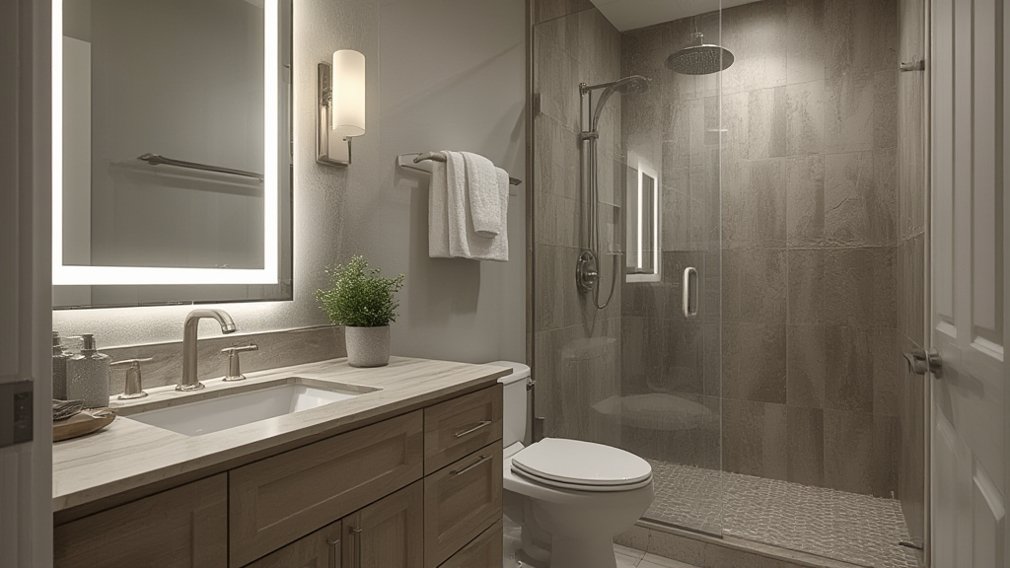
Energy efficient bathroom renovations are more than a trend—they are a smart investment for homeowners who want lower utility bills, a positive environmental impact, and lasting value. Yet, with scattered data, confusing choices, and missing ROI figures, it’s tough to confidently plan the right upgrades for your next bathroom remodel.
Key Takeaways
- LED lighting and water-saving fixtures offer substantial utility savings, but gaps remain in real-world performance and payback data.
- Lack of detailed cost, ROI analysis, homeowner satisfaction, and incentive info means you must ask targeted questions before choosing products or contractors.
- A methodical, evidence-based approach helps you maximize both environmental impact and your bathroom’s long-term value.
- Why an energy efficient bathroom matters now
- Step-by-step guide to energy efficient bathroom upgrades
- Advanced analysis & common pitfalls
- Conclusion
- FAQs
Why an energy efficient bathroom matters now
The surge in energy efficient bathroom projects signals a shift: 84% of renovating homeowners now prioritize sustainable features, with 55% opting for LED lighting alone (source). Across the US, bathroom remodel spending hit $68 billion in 2023 and is forecast to reach $485 billion for all home upgrades this year (source). For homeowners aged 30 to 60, this trend is mostly about stability—lowering monthly bills, boosting home value, and shrinking their carbon footprint with proven, practical solutions.
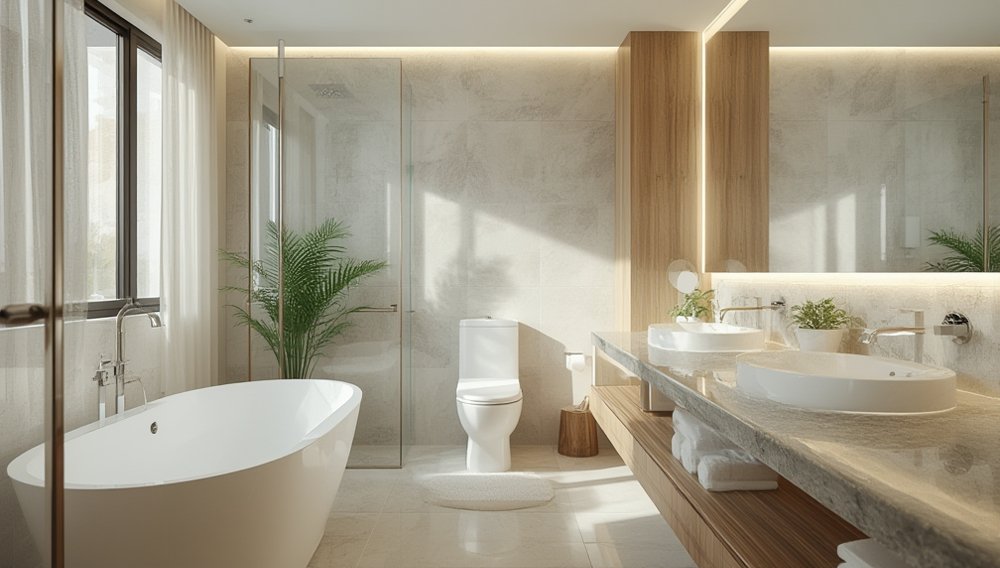
But it isn’t just about being green for the sake of it. Modern sustainable bathroom renovations—when executed smartly—can pay back over time through lower energy and water bills. However, key cost and performance data is still missing from most sources, so making evidence-based choices and vetting your options is vital. If you’re planning a mid-range remodel, your roadmap should combine the latest products, contractor insights, and measurable results.
Want a broader understanding of overall remodel strategies? See the Ultimate Complete Guide to Kitchen and Bathroom Remodel Costs and Planning for a useful overview.
Step-by-step guide to energy efficient bathroom upgrades
Ready to take action? Let’s break down the most effective steps, what to measure, and who you need on your team.
1. LED Lighting
Start with lighting—LED lighting bulbs use up to 90% less energy and last as much as 25 times longer than incandescents (source). Choose fixtures with ENERGY STAR certification for maximum efficiency. Use multiple, smaller LED sources (vanity strips or damp-rated can lights) spaced to avoid shadows. Ask your electrician about dimmers compatible with LEDs and integrating exhaust fans and timer switches to cut unnecessary run times.
2. Water-Saving Fixtures & Faucets
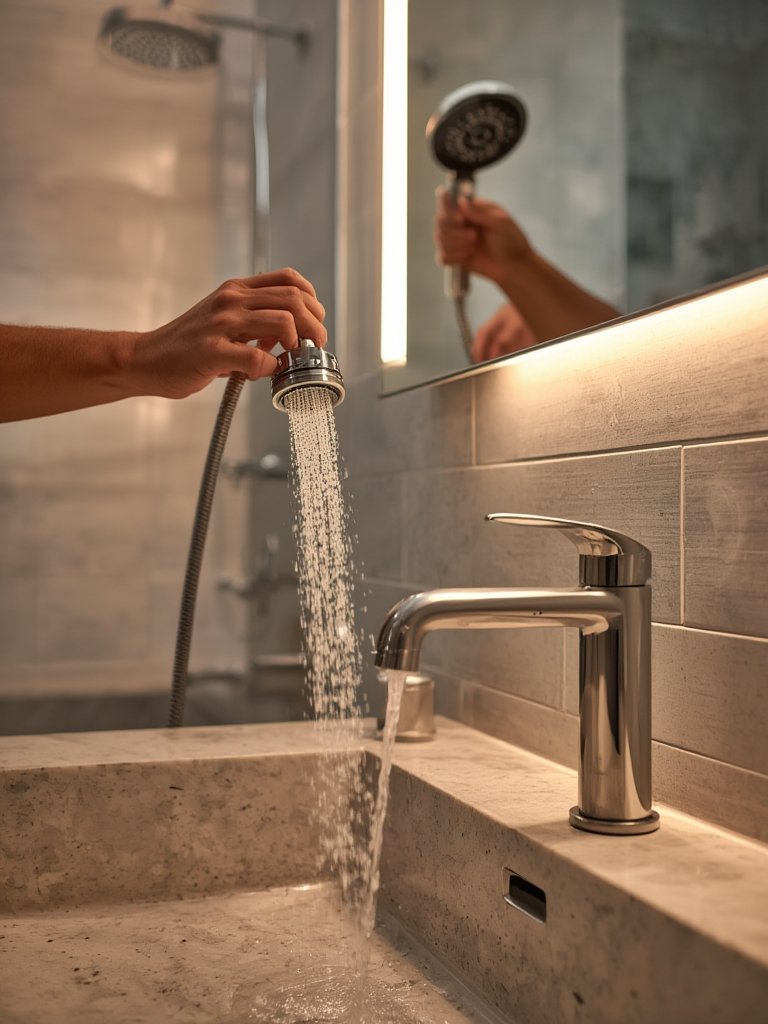
Opt for WaterSense-labeled (EPA WaterSense) low-flow aerators (for sinks), sensor faucets, aerated showerheads, and thermostatic mixing valves. Look for products tested for both user comfort and clear flow ratings, but be aware that current data lacks quantified savings by fixture type. Retrofit kits exist for most existing plumbing.
Behavior matters—shorter showers, hands-free faucets, and routine leak checks are key. Ask plumbing contractors about compatibility with your pipes and whether local code or water pressure issues could interfere.
3. Low-Flow and Dual-Flush Toilets
Upgrade to a WaterSense-certified low-flow toilet or, even better, a dual-flush model. Single low-flow toilets use less than 1.28 gallons per flush, while dual-flush options let you choose a lighter flush for liquids. Ask for independent third-party test results on flushing power—and have your plumber verify drain slope to avoid repeated clogs.
Pro tip: When you test models in-store, bring a small water bottle and paper towel to simulate use and check for bowl cleanliness in a single flush. Installers should check venting and older pipe issues to prevent negative pressure problems.
4. Sustainable, Eco-Friendly Materials
Consider recycled glass tiles, FSC-certified wood vanities, durability-tested recycled-content countertops, and low-VOC paints. Because there’s a lack of comparative durability data, press vendors and your contractor for case studies, warranty periods, and moisture resistance stats.
For more design inspiration, dive into Bathroom Remodels That Enhance Style and Function or see nature-inspired solutions at Biophilic Bathroom Design.
5. Scope, Cost, and Payback: Be Realistic
The median spend for a bathroom remodel rose to $15,000 in 2023 (source), but component costs for LED lighting or low-flow systems aren’t broken out in public data. Any “ROI” numbers you see are likely based on model homes or broad averages, not real utility bills. To get a reliable estimate, demand itemized bids and ask your contractor for before-and-after results from previous clients, or better yet, reach out to those clients directly for their actual figures.
6. Rebates, Tax Credits, & Incentives
You’re probably hoping for generous rebates—but as of now, there’s a gap in up-to-date, specific details about incentives for energy efficient bathroom renovations. Nonetheless, always check:
- Federal programs at energy.gov
- State portals (search “your state + residential energy rebates”)
- Utility provider websites for direct water/energy efficiency rebates
If you find a good rebate or incentive, confirm requirements in writing before your project starts.
For questions about financing, explore PACE loans (Property Assessed Clean Energy), low-interest renovation loans, and green contractor financing. Innovative payment models may offset upfront costs, but always ask about interest rates and lien implications.
Advanced analysis & common pitfalls
Despite the surge of sustainable renovations, several major challenges and data gaps can blindside even well-organized projects. Here’s a closer look at what most articles miss—and what you must measure, ask, and document before moving ahead.
Common Pitfalls & Problems
| Pitfall | What to Watch For / How to Avoid |
|---|---|
| Missing Real ROI Data | Request access to actual utility bills from past projects or run before/after measurements with your own remodel. Don’t rely on generic averages. |
| Unknown Fixture Performance | Test fixtures in-store or request third-party testing. For low-flow toilets, ask about post-installation servicing for clogs or double-flushing complaints. |
| Lack of Maintenance and Reliability Data | Get maintenance instructions up front. Ask for real homeowner references. Confirm part availability for eco-friendly products and sensor fixtures. |
| Retrofit Compatibility Surprises | Have a contractor inspect your walls, pipes, and wiring for size/pressure/electrical issues before ordering materials. |
| Incentive Program Disappointment | Verify active rebates directly—programs change often. Don’t base your renovation’s budget on hoped-for incentives. |
| Installation Delays/Labor Costs | Insist on written scope of work, fixed project timelines, and breakouts for labor vs. material costs. Find out what typically causes hold-ups in your region. |
What to Ask, What to Measure, and Who to Contact
- For every major upgrade: Ask for proof of performance, installation challenges, and maintenance needs for at least two brands/models (don’t take glossy brochures at face value).
- Measure pre- and post-renovation utility data: Request installers to help you set up simple tracking—this could be meter readings or smart device reports.
- Contact: Your local utility, ENERGY STAR, EPA WaterSense (official site), contractor references, recent homeowners, and rebate program officials for validation.
- Compare: Eco-friendly material options side-by-side, using any test data available (durability, moisture resistance, slip ratings).
Addressing Data Gaps: The Evidence You Need
- Document homeowner satisfaction through peer interviews or by contacting references offered by your contractor.
- Investigate resale value impacts with real estate agents—don’t just accept that “buyers care about sustainability,” ask for local comps with green upgrades.
- If possible, volunteer your project for a case study—universities and local government programs increasingly want real utility and satisfaction data (learn more).
For related remodel pitfalls and realistic project management tips, check out Bathroom Remodels That Enhance Style and Function and see how professional advice can save you time and money.
Conclusion
A thoughtfully planned energy efficient bathroom can deliver lasting utility bill savings, stronger resale value, and a reduced footprint. However, with real ROI data, maintenance costs, and satisfaction rates still underreported, your smartest move is to document, ask tough questions, and compare real performance—not just promises. For step-by-step planning, materials selection, and contractor vetting, check out the Ultimate Complete Guide to Kitchen and Bathroom Remodel Costs and Planning. Ready to start your upgrade? Build your checklist and interview your team—don’t leave outcomes to chance.
FAQs
What are the best upgrades for an energy efficient bathroom on a moderate budget?
LED lighting, low-flow or dual-flush toilets, and WaterSense-certified faucets and showerheads provide the most impact per dollar. Consider eco-friendly tiles and vanities if you have room in your budget.
How do I calculate real ROI for my bathroom renovation?
Track your actual energy and water usage before and after installation with utility data or smart monitors. Subtract upfront costs and compare monthly utility savings. Request real-world payback figures from previous clients if possible.
Are there rebates or incentives for sustainable bathroom upgrades in 2024?
Data on 2024 incentives is currently limited. Always check your federal, state, and utility provider’s websites before starting, and confirm that any listed rebates are still active and will apply to your chosen upgrades.
Will eco-friendly materials last as long as traditional bathroom products?
Product lifespan varies widely. Since independent durability comparisons are scarce, ask retailers and contractors for recent data and homeowner references. Prioritize materials with lengthy warranties and proven moisture resistance.
What’s the most common installation challenge with energy efficient bathroom fixtures?
Retrofit compatibility with existing plumbing and electrical systems often causes delays and extra costs. Low-flow toilets may occasionally suffer from clogs or weak flushes if not matched to drain and venting standards. Always have a professional inspect before selecting fixtures.