


Pet Dermocosmetics are rapidly redefining premium pet care, offering urban and suburban pet owners evidence-minded, human-grade skincare formulated to be safe for their most sensitive companions. This guide breaks down the commercial trends, clinical gaps, and product selection steps you’ll actually use—equipping both curious owners and pet-care brand pros to make buying choices (and strategies) rooted in transparency, safety, and clinical logic.
Key Takeaways
- Pet Dermocosmetics is a booming, premium-driven market projected to nearly double by 2030, led by urban Gen Z and Millennial pet parents who demand clinical rigor and eco-certification.
- Allergies and irritations are top drivers for functional pet skincare, yet most products lack robust clinical validation—ingredient transparency and primary vet endorsement are non-negotiable when choosing a product.
- Innovations like microbiome-friendly certification, breed-specific formulas, and sustainable, hypoallergenic lines offer major opportunities for brands and buyers alike—but are underreported in existing articles.
- Market snapshot — size, growth, regional demand
- Why owners choose human‑grade dermocosmetics (behavioral drivers)
- Most common pet skin problems driving purchases
- Product deep-dive — Paw repair balms, pH‑balanced wipes, antimicrobial sprays (when to use which)
- Consumer pain points & negative feedback themes to address
- Ingredient standards & regulatory landscape (pet vs human formulations)
- Pricing & premium positioning — where dermocosmetics sit vs general and human alternatives
- Underexplored innovations and content gaps (unique insight)
- Clinical evidence & research gaps — what’s missing and what to source
- Recommended article wrap-up and CTAs
- FAQs on Pet Dermocosmetics
Market snapshot — size, growth, regional demand
The global market for Pet Dermocosmetics and functional pet skincare reached USD 4.91 billion in 2024, and will likely climb to USD 8.76 billion by 2030—a CAGR of 10.3 percent—driven by urban pet humanization and growing concerns about allergies, irritation, and everyday pet hygiene. In the companion pet cosmetics segment alone, market value stood at USD 2.2 billion in 2024, with North America accounting for nearly 48 percent (USD 1.0 billion), mainly due to early adoption among U.S. and Canadian owners.
[Grand View Research], [Market.US]
Comparative growth rates are even faster in rapidly urbanizing regions like Asia Pacific. Millennials and Gen Z pet parents—who value ingredient transparency and brand eco-credentials—are driving the market shift toward “human-grade” and clinical-style pet skincare. Functional pet skincare takes center stage since more owners treat pets as family and budget for premium, human-standard personal care. For more pet-related tech developments, see our Pet Enrichment Tech buyer’s checklist.
Why owners choose human‑grade dermocosmetics (behavioral drivers)
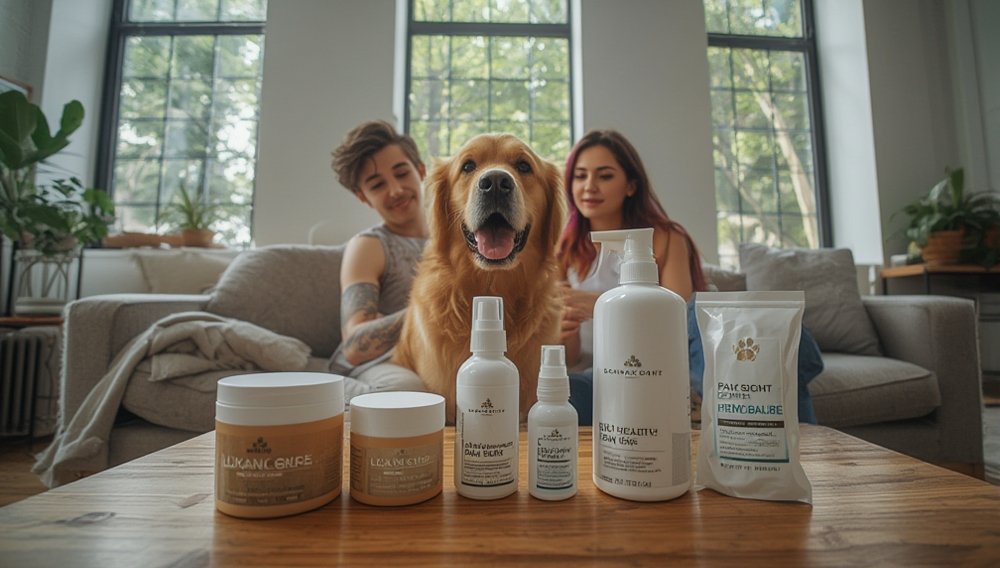
Today’s premium pet owners want the same safety standards for their animals as for their kids. Humanization has become the core market force—owners expect veterinarian-vetted, evidence-minded products, especially for pets battling skin allergies or irritation. Preventative pet hygiene is another driver: dog owners make up nearly 60 percent of the pet skin and coat market, and hygiene-driven formulations (like specialized shampoos) are now over 42 percent of all purchases.
[Source]
This trend pushes brands to develop functional pet skincare—Paw repair balm for cracked paws, pH balanced cat wipes, and medical-style sprays—mirroring human cosmeceutical routines. Owners increasingly ask for ingredient origin, allergen statements, and certification (eco-friendly, cruelty-free) before they buy. Preventive and barrier-support solutions are also in high demand as pet parents want to avoid harsh medications or repeat veterinary visits. For urban dwellers, portable wipes and sprays—formulated specifically for sensitive cats—meet the need for safe, on-the-go routine care.
Most common pet skin problems driving purchases
Allergic dermatitis, chronic itch (pruritus), yeast or bacterial flare-ups, and environmental irritants top the list of concerns. For example, cracked or abraded paw pads (from hot sidewalks or cold weather) are nearly universal in dogs, while cats often develop irritant contact dermatitis. This demand has created new product categories:
- Paw repair balm: For abrasions, dryness, rough pads in dogs/cats
- pH balanced cat wipes: For gentle cleaning, allergy-prone or indoor cats
- Antimicrobial coat spray: For controlling bacterial/fungal loads, especially in allergy-prone breeds
Environmental allergens heighten the risk of recurrent flare-ups. Dog owners, motivated by the 59.10 percent market dominance, adopt a preventive approach with functional pet skincare to avoid costly vet treatments. Even so, there’s a lack of specific market data on paw repair balms and pH-balanced cat wipes, highlighting the need for ongoing product testing and independent reviews.
For a practical approach to home wellness and style, consider integrating lessons from our Biophilic Bathroom Design guide into your pet’s environment.
Product deep-dive — Paw repair balms, pH‑balanced wipes, antimicrobial coat sprays (when to use which)
Understanding when and why to use each core functional product is essential for safer pet care:
| Product Type | Primary Use/Symptom Set | Formulation Priorities | Application Tips | Contraindications |
|---|---|---|---|---|
| Paw Repair Balm | Cracked pads, abrasions, hot/cold weather exposure | Ceramides, food-grade waxes, fragrance-free, lick-safe | Apply thin layer to paws after walks; monitor for licking | Do not use on deep wounds or if excessive licking occurs |
| pH Balanced Cat Wipes | Allergy-prone cats, cleaning after outings, skin folds | pH ~6–7, no harsh surfactants, fragrance-free, hypoallergenic | Store sealed; wipe gently on fur/skin folds as needed | Do not use on open sores; stop if irritation develops |
| Antimicrobial Coat Spray | Recurring “hot spots,” seasonal flare-ups, between baths | Mild antimicrobials, microbiome-safe, non-drying | Spray lightly, avoid eyes/mucosa, brush after | Not for open wounds or cats with licking behaviors |
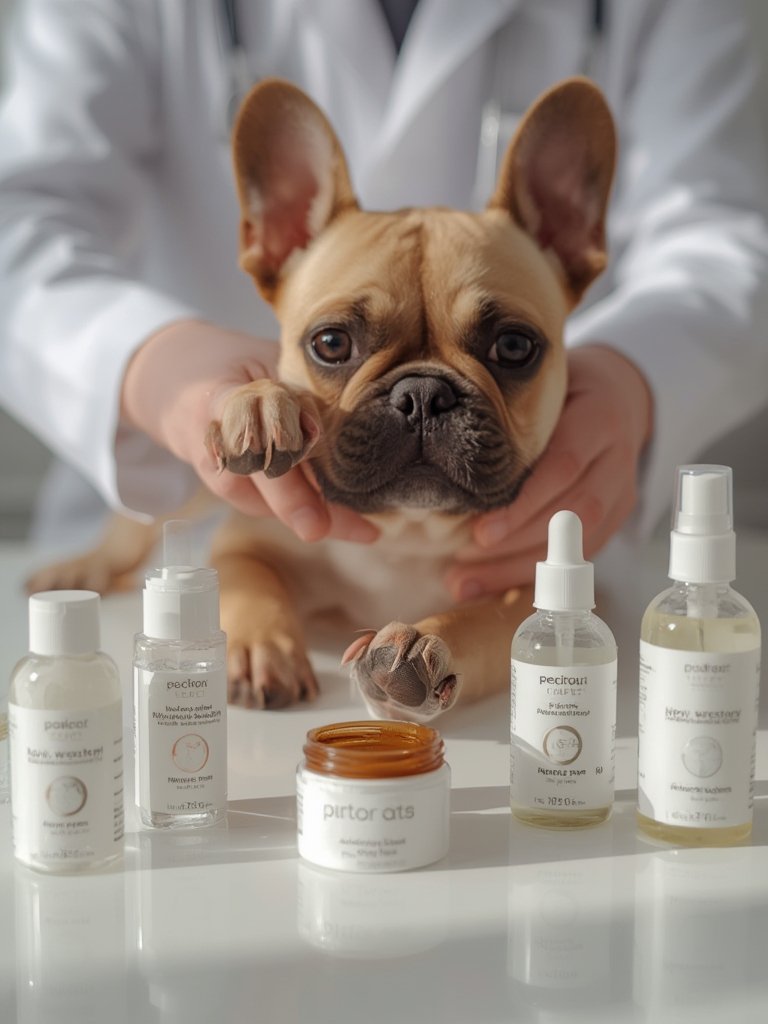
Veterinary dermatologist Dr. Miller notes: “Always check for new or worsening symptoms before reapplying products—some pets can develop sensitivities even to natural ingredients, so a patch test on a small area is wise.”
There are no published, market-level statistics on paw repair balm or pH balanced cat wipes for 2024, underscoring the urgent need for independent testing and published efficacy data. Owners should be particularly wary of unverified “natural” ingredient claims and seek products with clear proof of veterinary endorsement. Explore other wellness categories at our Spa Bathroom Investment Guide for ideas on integrating routines for the whole family—pets included.
Consumer pain points & negative feedback themes to address
While functional pet skincare is trending, negative feedback is common—unpleasant odors, greasy residue, product ineffectiveness, and safety questions dominate owner reviews. Complaints about poor packaging and lack of ingredient transparency persist. Unfortunately, there’s no aggregated data on recurring functional pet skincare complaints as of 2024—brands and buyers should turn to primary customer reviews and social listening for real-world problem patterns.
For product managers, this means supporting every product page and campaign with clear clinical trial summaries, transparent ingredient sourcing, and “backed by veterinary dermatology” claims that are substantiated (not aspirational). Owners should seek out brands disclosing third-party testing and batch safety data. To see how transparency benefits even home design choices, read our Energy-Efficient Bathroom Upgrades Guide.
Ingredient standards & regulatory landscape (pet vs human formulations)
Rules for formulating and labeling Pet Dermocosmetics are still evolving. Unlike FDA-regulated human skincare, pet regulations vary by region and product type. Most countries require pet formulations to avoid common “red flag” actives (certain essential oils or human-strength antimicrobials) and to account for the elevated risk of ingestion—especially in cats, who can’t metabolize substances like tea tree oil.
Critical label checks for buyers:
- pH adjustments (pets typically need products pH 6–7, not “skin neutral” for humans)
- Preservative safety for lick-prone areas
- Honest antimicrobial claims—seek products with “dermatologically tested” or “veterinarian approved” as a baseline
- Country-of-origin and third-party test verification (batch codes)
No public 2024 data exists comparing ingredient standards between human and pet dermocosmetics. Owners and brands are advised to consult current regulatory body guidance: FDA (for U.S.), EPA (for some topicals), and EU/APVMA/EMA (international), and to keep up with updates for antimicrobial pet coat sprays.
Pricing & premium positioning — where dermocosmetics sit vs general and human alternatives
Premiumization defines pet dermocosmetics pricing. While most general pet shampoos and balms retail under 15 USD, luxury offerings (such as a pet perfume cited at 100 USD in 2024) push the boundaries—proving owners will pay more for human-grade packaging, clinical claims, and boutique scent/ingredient curation.
There’s a lack of granular public data on cost comparisons versus human alternative products, but premium paw repair balms and sprays are typically priced above general pet care due to human-safe certifications, earth-friendly claims, and higher-end branding. Small-format “trial” options, and product bundles featuring prominent “veterinarian tested” and eco/ingredient certifications, help justify a higher price per ounce.
Brands should invest in premium packaging, eco-certifications, and visible trial data to support upmarket positioning. Owners comparing options can use packaging, trial/tester size availability, and transparency about batch safety as price justification cues. To see how premium design impacts perceived value, check our Matte Black Fixtures Guide.
Underexplored innovations and content gaps (unique insight)
The focus on general “natural” pet skincare has left several high-value areas poorly covered:
- Microbiome-friendly certification: In June 2024, MyMicrobiome introduced the first standard for pet products—filling a need for transparency about how functional pet skincare interacts with the animal skin microbiome. This label is rare but will grow in commercial importance as consumers seek science-backed, not just natural, claims.
[Source] - Personalized/breed-specific formulations: Despite dominance by dogs and specific breed sensitivities, most products are “all-breed.” There’s major editorial and product opportunity in tailoring formulas and guidance to breed, fur type, and owner routine.
- Eco-friendly and hypoallergenic innovations: The surge in cruelty-free, plant-based, and biodegradable packaging options is not matched by educational content or clear product badges. Brands and advice platforms have an opportunity to close this trust gap.
Product managers and founders should consider these the go-to frontiers for new article and R&D investment, especially as consumer skepticism about “greenwashing” grows. Urban owners will seek out microbiome-validated and eco-label products first. If you’re interested in sustainable home choices (and how they connect with pet safety), explore our Upcycled Pet Bedding Guide.
Clinical evidence & research gaps — what’s missing and what to source
The scientific foundation for most functional pet skincare claims is thin. No peer-reviewed, controlled clinical studies specific to many marketed “allergy and irritation” pet balms/sprays were identified in 2024 public searches. For brands, this is an urgent call to commission controlled veterinary dermatology studies, double-blind efficacy trials, and independent batch safety tests—ideally in collaboration with veterinary schools or peer-reviewed veterinary dermatology journals.
For owners, always seek evidence of:
- Veterinarian testing (preferably with published trial data)
- Before–after case studies (with real, breed-identified subjects)
- Published microbiome assays on “antimicrobial” or “microbiome safe” products
This is also a major editors’ content gap: clear, critical reviews that distinguish marketing claims from genuinely trialed, evidence-supported pet skincare. Consider checking veterinary specialty clinics or academic sources for independent opinions—much as you would when researching robust kitchen renovation planning guides.
Recommended article wrap-up and CTAs
With the Pet Dermocosmetics market set to reach USD 8.76 billion by 2030, making informed, evidence-minded buying decisions is more crucial than ever—for both urban pet owners and forward-thinking brand founders.
Here’s a quick buyer checklist:
- Match product to your pet’s actual symptoms—not just generic marketing (“sensitive skin,” “soothing”)
- Always review ingredient lists for allergens, essential oils, or human-only actives—patch test new formulas
- Look for transparent vet, trial, or third-party test data before buying
- Always consult your veterinarian for recurring, severe, or worsening skin issues
Ready to choose safer, more functional pet skincare? See FAQs, trial samples, or sign up for trial samples to start comparing options grounded in real-world data. Every informed purchase helps raise the quality bar for the entire Pet Dermocosmetics industry.
FAQs on Pet Dermocosmetics
Are Pet Dermocosmetics safe for cats and dogs?
Most are safe when clearly labeled as “cat-safe” or “dog-safe,” but always check ingredient lists for potential toxins (like tea tree oil) and do a patch test first. Seek out vet-verified products if in doubt.
What is the difference between functional pet skincare and regular pet shampoos or wipes?
Functional pet skincare targets specific symptoms (allergies, paw abrasion, hot spots) with evidence-minded, often human-grade ingredients, while regular products focus on basic grooming.
Why is pH balance important in pet wipes and balms?
Pets have different skin pH than humans (typically 6–7). Using off-balance products can disrupt their skin barrier and cause irritation, especially for cats and sensitive breeds.
How can I validate pet skincare product claims?
Look for published veterinary trials, transparent ingredient lists, and endorsements from board-certified veterinary dermatologists. Avoid products with vague marketing and no test data.
What are the signs to see a vet instead of treating with over-the-counter products?
Persistent, worsening, or recurrent skin lesions, swelling, significant hair loss, or signs of infection require prompt veterinary evaluation, even if you use high-quality dermocosmetics.