

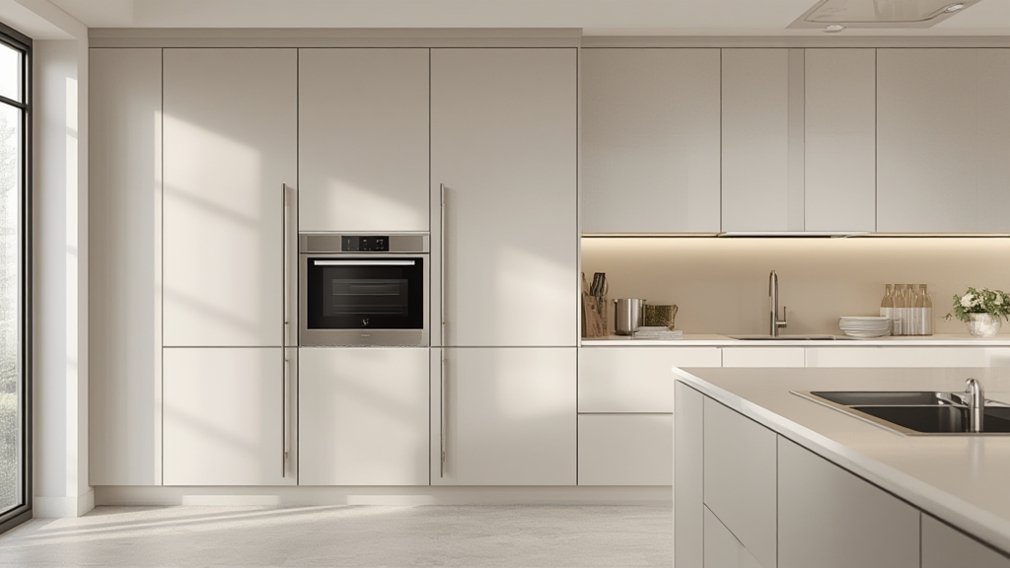
Integrated Appliance Garage solutions are changing how modern kitchens function and look in 2024. For homeowners seeking a clutter-free, minimalist space that cleverly hides toasters, coffee makers, or blenders, an integrated appliance garage is now the investment that delivers both style and efficiency.
Key Takeaways
- Integrated appliance garages have become mainstream in 2024, supporting minimalist open-plan living by offering hidden kitchen storage for small appliances.
- Upfront costs are 20% to 50% higher than freestanding options, with custom design, installation, and serviceability key for long-term satisfaction.
- No one-size-fits-all solution—materials, technical specs, and maintenance plans should be verified directly with cabinetmakers, as detailed data is often missing from market summaries.
- Why integrated appliance garages are the go-to solution in 2024
- Step-by-step guide: Budgeting and planning your integrated appliance garage
- Advanced analysis & common pitfalls
- Conclusion
- FAQ
Why integrated appliance garages are the go-to solution in 2024
The demand for hidden kitchen storage has moved past trend status. The global Integrated Kitchen Appliances market stood at USD 47.5 billion in 2024, with appliance garages specifically named a dominant trend for concealing small appliances like toasters and blenders. For open-plan homes, the appliance garage offers two unbeatable benefits: it visually declutters your kitchen and maximizes usable counter space. With increasing urbanization and a surge of home tech upgrades, homeowners are seeking seamless ways to integrate everything from blenders to smart kettles without turning their kitchens into appliance “parking lots.”

Investing now taps into both real market momentum and future-proofing: as the built-in home & kitchen appliances market heads towards $55 billion by 2025, integrated appliance garages are moving from luxury-niche to sensible standard for any design-forward homeowner.
Step-by-step guide: Budgeting and planning your integrated appliance garage
Getting your small appliance hideaway right involves practical, informed steps. Here’s a direct, no-nonsense walkthrough, so you approach cabinetmakers or kitchen designers with clarity, realistic budgets, and questions that cut through the noise:
-
List your intended use-cases and prioritize appliance types:
- Are you hiding daily-use items (e.g., toaster, coffee station), or occasional-use appliances (e.g., blender, waffle iron)? Power users, busy households, and entertainers have different access needs.
-
Define your minimum cabinetry requirements:
- Get the inside dimensions for each device from their manuals. Most appliances require not just space and depth but also safe clearance for ventilation.
-
Budget realistically:
- Know that integrating into custom cabinetry costs an estimated 20% to 50% more than freestanding setups (source). Factor:
- Design fee
- Custom cabinetry build
- Hardware (door lifts, tambour doors, or roll-outs)
- Ventilation/electrical work
- Installation by cabinetmaker, electrician, and possibly plumber (never DIY for integrated appliances)
- Contingency (10-20% for changes or surprises)
- Know that integrating into custom cabinetry costs an estimated 20% to 50% more than freestanding setups (source). Factor:
-
Choose your finishes for durability and resale:
- Options include solid wood, MDF with veneer, laminate, and even recycled materials—each affecting cost and longevity differently. Itemized quotes are a must, as market data lacks material-specific pricing clarity. If you want insights into paying for premium materials wisely, check out our Fluted Wood Cabinets buyer’s guide.
-
Plan for smart tech:
- Are you adding Wi-Fi-enabled, voice-activated, or app-controlled appliances? The smart kitchen market is skyrocketing, and 44% of homeowners now want high-tech integrated solutions. Review our Smart Home Voice Control buyer’s guide for tech-compatible planning.
-
Ask sellers direct questions:
- Ask for detailed specs (inside dimensions, ventilation plans, electrical layouts, warranty/service info) before you sign. If these aren’t provided clearly, consider it a red flag.
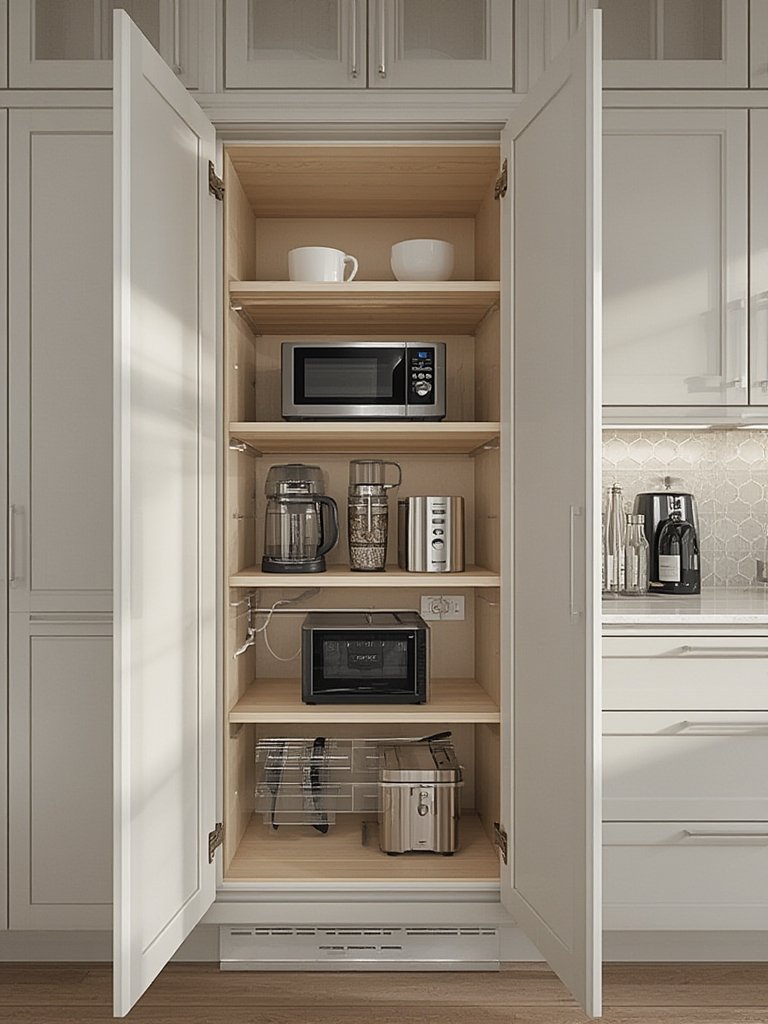
Integrated appliance garages are not just for new builds but are increasingly included in renovations. Looking to maximize both kitchen functionality and aesthetics in a remodel? Our Kitchen Storage Solutions guide and Ultimate Complete Guide to Kitchen and Bathroom Remodel Costs both offer next-level advice for project planners.
Advanced analysis & common pitfalls
No product is perfect—integrated appliance garages included. Here’s what to watch for based on 2024 market data and real homeowner feedback:
- High upfront costs: Custom cabinetry, pro-only installation, and designer time mean you’ll pay 20% to 50% more versus freestanding solutions.
- Hidden long-term costs: Integrated appliances are notorious for more complicated, lengthy repair or replacement cycles. Accessing and servicing them is a bigger job—expect longer downtimes and increased labor fees. A blender or toaster “breakdown” could sideline the whole corner of your kitchen until a pro can open it up.
- Missing specs/data: Technical specifications like required dimensions, ventilation strategies, and power access are rarely published up front. Always insist on detailed designs and drawings from your supplier.
- Smart compatibility blind spots: Not all integrations account for Wi-Fi signal, app control, or voice-assistant reach inside cabinetry. Review your appliance manuals or consult the latest tech trends here.
- Code compliance gaps: While energy efficiency, water-saving, and smart appliance standards have advanced, there’s no direct evidence of building code changes for hidden appliance garages post-2022. Local verification is essential.
| Feature | Integrated Appliance Garage | Freestanding Setup |
|---|---|---|
| Cost (Upfront) | 20%–50% higher (source) | Standard retail |
| Maintenance/Repair | Specialist labor, longer cycles | DIY possible; quick swap |
| Kitchen Aesthetics | Seamless and hidden | Visible appliances, more clutter |
| Smart Compatibility | Potential signal/interference issues if unplanned | Direct, open connectivity |
| Accessibility | Customizable, but must be planned for ergonomics | Immediate, but less tidy |
Still unsure if integrating is right for you? For certain busy households such as commuters or at-home entertainers, a coffee bar garage or breakfast station tucked out of sight can be workflow-changing—if accessibility, ventilation, and safe power routing are properly addressed. Remind your designer to incorporate modular cabinetry or removable backs for future service. For even more budgeting and planning coverage, see
- Bathroom Remodels That Balance Cost and Value
- Mixed Materials Kitchen Cost & Maintenance Guide
- Energy-Efficient Bathroom Upgrades
Conclusion
Integrated appliance garages are no longer a niche upgrade but a smart investment for those craving a hidden kitchen storage solution that enhances both function and aesthetics. As the built-in appliance market surges—estimated at $55,000 million by 2025—there’s no better time to request a site survey or itemized quote from a reputable cabinetmaker or kitchen designer. If you’re serious about future-proofing your kitchen, take action: document your needs, verify specs in writing, and demand transparency in design, cost, and warranty. Your next kitchen can be both stunning and truly practical with a well-planned Integrated Appliance Garage.
Ready to take the next step? Contact a professional for a site assessment and personalized quote, and turn your kitchen dreams into a clean, clutter-free reality.
FAQ
How much does an integrated appliance garage typically cost?
Expect to pay 20% to 50% more than for freestanding storage, with final costs affected by your choice of materials, custom design, and installation fees. Request an itemized quote for clarity, as market data does not give specific price points.
What appliances are best suited for a garage?
Common choices include toasters, blenders, stand mixers, coffee machines, and air fryers—anything you want easily accessible but out of sight when not in use.
Are there code requirements or restrictions for integrated appliance garages?
There are no documented building code changes or specific standards for appliance garages post-2022. Always verify compliance with your contractor and check local codes.
What maintenance issues should I plan for?
Integrated systems can mean longer, costlier repair cycles and harder access for servicing. Modular cabinetry and quick-disconnect power can help reduce downtime. Demand clear access strategies in your design.
Can I install an appliance garage myself?
DIY installation is not recommended. Integrated appliance garages require professional cabinetmakers, electricians, and potentially plumbers for safe, compliant setup.