

### Blog Post:
Mixed materials kitchen design is taking over as the must-have trend for 2024—but if you’re a homeowner or designer who wants real data on costs, maintenance, and install risks rather than glossy inspiration shots, this guide is for you. Skip the fluff: here’s exactly what’s known, what’s missing, and how to get actionable answers before you commit to a layered look.
Key Takeaways
- The hottest kitchen trend in 2024 is blending wood, metal, and textured finishes—yet hard adoption numbers and cost data are missing in most reports.
- Homeowners should press contractors for specifics: cost breakdowns by material, cleaning instructions, and install details for each multi-material zone.
- Real-world case studies and cleaning/durability tests are nearly absent from top articles—commission these for true confidence before remodeling.
- Why mixed materials kitchens are the defining trend in 2024
- How common are mixed-material installs today — what the data does (and doesn’t) tell us
- Most popular mixed-material pairings designers are using right now
- The real cost question — what we know and what’s missing
- Maintenance and durability — homeowner complaints and gaps in reporting
- How cabinet textures (matte wood, fluted/reeded, brushed metal) affect cleaning, wear, and satisfaction
- Installation challenges and contractor solutions for contrasting materials
- Under‑represented angles (the editorial gap = our opportunity)
- Practical decision guide — questions to ask your designer/contractor and quick specs to request
- Suggested mini case studies / primary reporting to include (editorial instructions)
- TL;DR design recommendations and sample mood boards
- Frequently Asked Questions
Why mixed materials kitchens are the defining trend in 2024
Industry trend reports agree: we’re seeing a decisive shift away from all-white or gray slab cabinetry toward a “layered design”—think warm woods paired with painted cabinets, islands topped with stone and accented by brushed metal hoods, and lively mixes of hardware finishes. The National Kitchen & Bath Association 2024 report lists mixed/blended materials among the most anticipated popular directions for countertops in the next three years, echoing coverage like NAR’s Styled, Staged & Sold and real-world designer interviews. “Mixed materials kitchen” means more than a single accent—it’s about genuine contrast and tactile layering, from wood-and-metal islands to stone with integrated metal edges. Functionally, these combinations allow you to zone your kitchen visually and functionally, but the exact popularity numbers and performance realities are less clear than the trend pieces suggest.
How common are mixed-material installs today — what the data does (and doesn’t) tell us
If you’re wondering, “How many people are really installing multi-material design kitchens in 2024?”—you’re not alone. Despite trend articles unanimously declaring the rise of contrasting materials, there’s no published stat on what percentage of new kitchens actually use layered, multi-material construction this year. NKBA’s survey of 317 professionals lists “mixed/blended materials” as a top pick, but without quantifying adoption. This means you should treat widespread “popularity” claims with caution. Instead, use these signals:
- Showrooms and magazine spreads reflect designer intent, not homeowner budgets or install rates.
- When reviewing portfolios, ask designers for recent multi-material project photos (and what percent of their work they represent).
- If you want authoritative data, commission your own survey or ask local suppliers how many orders include mixed materials.
The reality: Real-world adoption rates lag behind the magazine features. You can still get ahead of the curve, but demand proof, not hype, during planning.

For more about broader kitchen renovation planning and trend timelines, see our Complete Guide to Kitchen and Bathroom Remodel Costs and Planning.
Most popular mixed-material pairings designers are using right now
Reviewing both market surveys and high-profile designer work, here are the highest-frequency pairings in a mixed materials kitchen:
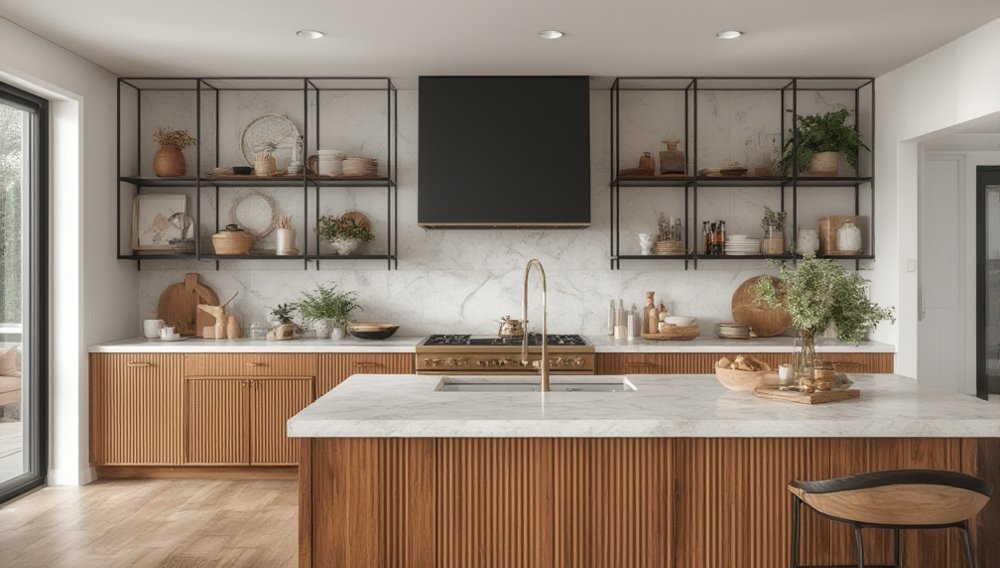
- Wood and metal: Walnut or white oak cabinetry with blackened steel hoods, brass hardware, or inset metal toe kicks.
- Mixed metals: Combining brass, bronze, or nickel for faucet, lighting, and appliance hardware for visual variety.
- Painted cabinets with wood accents: Blue, green, or off-white perimeter cabinets paired with natural wood islands or hoods for warmth.
- Stone and other surfaces: Marble, quartz, or quartzite island tops contrasted against wood waterfall edges or metal inlays.
Designers apply these combinations as follows:
- Islands: The go-to spot for major “material contrast”—think wood base with stone or metal-clad countertops.
- Perimeter cabinetry: Typically a secondary material (often painted or flat-panel) to let the island stand out.
- Hardware, hoods, and backsplashes: Ideal for introducing a third material and more “layered design,” as long as the overall palette remains cohesive.
For additional inspiration on wood texturing in kitchens, see our deep-dive on Fluted Wood Cabinets and Modern Millwork Tips.
The real cost question — what we know and what’s missing
Pricing is the black box of the mixed materials kitchen trend. Almost every top trend piece skips actual cost breakdowns for wood-and-metal builds. Here’s how to gain clarity:
- Spread in materials pricing: Custom millwork (e.g., white oak/ walnut) can run $300–$1,000 per linear foot. Metal hoods, panels, or custom metalwork can add $3,000–$8,000 or more, depending on finish and complexity.
- Specialist installation premiums: Contractors often charge more for coordinating between trades (e.g., woodworker and metal worker) or detailed joinery.
- Long-term maintenance: Top sources (see this overview) omit ongoing cleaning, resealing, or finish-refresh costs—these add up, especially with specialty finishes.
How to get numbers: Request line-item quotes for each material zone—don’t settle for blended figures or allowances. Ask suppliers for cost per square foot or per component for real apples-to-apples comparisons. Look for cost patterns between wood-and-metal versus painted MDF, and always request a cost range for maintenance contracts after installation.
To benchmark full-kitchen remodel spending, see our remodel cost guide.
Maintenance and durability — homeowner complaints and gaps in reporting
Nearly all prominent trend lists—such as Kitchens of the South and the NKBA 2024 report—are silent on negative feedback about multi-material design. Known issues worth flagging:
- Cleaning complexity: Each material (brushed metal, matte wood, high-texture cabinets) demands different cleaning products, risking accidental damage.
- Wear and patina: Metal can show corrosion spots or fingerprints, while woods are prone to dings and finish wear—especially at high-traffic edges.
- Seams and joints: Improper detailing between porous and non-porous materials (e.g., stone and metal) can lead to water ingress, swelling, or finish breakdown.
Direct homeowner complaints or surveys simply aren’t reported in secondary sources. To fill this gap, consider commissioning a simple user survey or conducting interviews with clients post-install (include cleaning/maintenance satisfaction ratings).
For more details on durable kitchen upgrades and maintenance routines, check our Kitchen Storage Solutions Guide.
How cabinet textures (matte wood, fluted/reeded, brushed metal) affect cleaning, wear, and satisfaction
Current data shows top designers love textured cabinets for visual depth: matte-finish woods, fluted or reeded profiles, and brushed metal or burnished metals. Here’s what’s theorized (but rarely quantified):
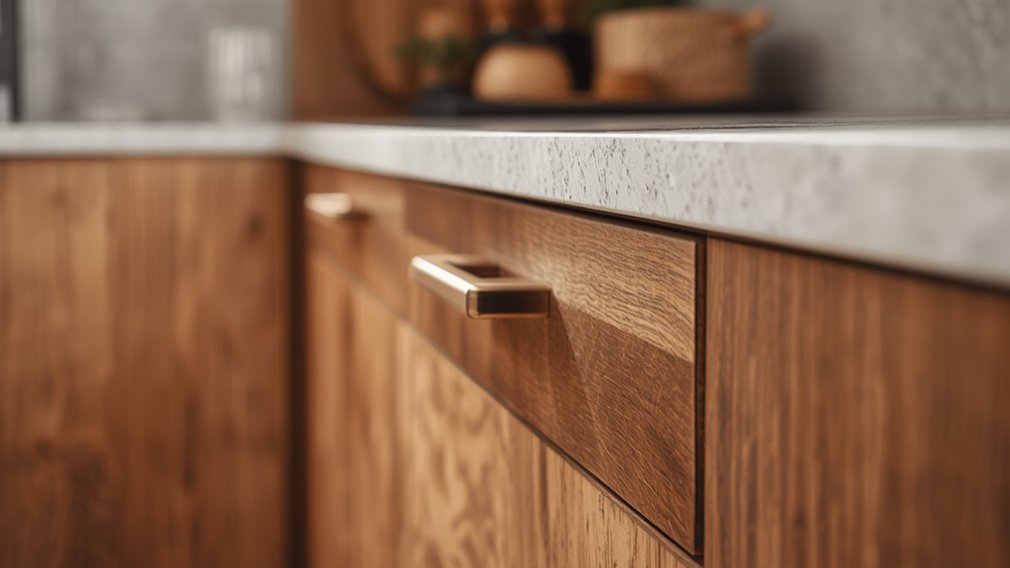
- Matte wood: Hides fingerprints better than gloss but may show greasy marks; can be harder to wipe completely clean if not sealed well.
- Brushed metal: Conceals scratches, but fingerprints and smudges are more obvious. Acidic cleaners can damage the finish—use mild soap only.
- Fluted or reeded panels: Look dramatic, but grooves collect dust and kitchen grease, complicating quick clean-ups. A soft-bristle brush is often required.
No published research compares actual cleaning times or user satisfaction for these textures. To close this gap, set up a real-world test: install sample doors in a working kitchen and document cleaning/wear results over 30 days, or poll homeowners about ease-of-care. Insights from these tests would be a valuable addition for multi-material design planning.
For more specific tips on managing textured cabinetry and kitchen cleaning ease, see our fluted cabinets guide.
Installation challenges and contractor solutions for contrasting materials
While trend reports praise creativity, none mention technical challenges posed by contrasting materials (see NAR for example). In practice, contractors face real risks:
- Differential expansion: Wood, metal, and stone expand and contract differently in daily use. Poor detailing can cause cracks, gaps, or warping.
- Adhesive limitations: Not all glues or screws bond well across dissimilar materials—inferior fastening leads to loosening over time.
- Water ingress at joints: If the seam between a stone counter and metal trim isn’t perfectly sealed, water can cause swelling or hidden mold.
Best-practice solutions include:
- Specifying isolation joints or flexible sealant at high-movement connections.
- Insisting on mounting systems and fasteners rated for both connected materials.
- Requiring tolerance drawings and mock-ups to confirm each junction detail before install.
Ask your contractor to document proposed products and methods for each transition point in your mixed materials kitchen. These technical questions protect your investment and improve warranty coverage.
Under‑represented angles (the editorial gap = our opportunity)
Top-ranking trend articles almost never cover three crucial angles:
- Quantitative performance data: Side-by-side tests measuring how well wood and metal hold up versus single-material cabinets—think cleaning times, scratch resistance, or stain testing.
- Before/after case studies: Real homeowners sharing photos, satisfaction, and maintenance costs a year or more after completion.
- Installation technicals: Contractor walk-throughs covering specific challenges and solutions, with annotated joinery or transition details.
To create content that’s truly authoritative, prioritize commissioning or publishing mini case studies, user tests, or contractor Q&As for your region. For now, flag these as critical “to do’s” if you want evidence-backed kitchen plans—and check out our organization and storage guides for more research-based advice.
Practical decision guide — questions to ask your designer/contractor and quick specs to request
Heading into a mixed materials kitchen remodel? Bring this checklist to your first contractor meeting:
- What will each surface require for cleaning and ongoing care—can you provide the manufacturer’s exact recommendations?
- Can I see finish samples and full-size mock-ups of all proposed wood and metal combinations?
- How will you handle expansion/shrinkage at joints between wood, metal, and stone?
- What warranties cover separation, finish failure, or moisture damage in multi-material areas?
- Who is responsible for each part of the install—cabinetmaker, metal shop, or a third party?
Sample spec language (add to your contract or scope):
- “All transition joints between wood and metal must use flexible sealant and be protected against water ingress.”
- “Contractor to provide maintenance instructions and touch-up kit for each surface.”
- “No substitutions of materials without written homeowner approval and updated mock-ups.”
Tip: If your contractor can’t answer these questions in detail, pause and seek bids from teams with deep experience in wood and metal kitchen builds.
Suggested mini case studies / primary reporting to include (editorial instructions)
To close the most serious research gaps and produce a client-ready resource, commission or develop these primary investigations:
- Cost-comparison quote set: Solicit quotes from three reputable contractors for the same L-shaped kitchen (wood & metal vs. painted MDF). Compare material, labor, and expected maintenance charges. Present real numbers in a table.
- Cleaning/wear test: Place three sample doors (matte wood, fluted/reeded, brushed metal) in a working kitchen for 30 days. Document cleaning time, visible stains, and minor damage weekly. Rate satisfaction from 1–5.
- Contractor interview: Have a top installer walk through a tough multi-material case: what materials, how were joints and transitions handled, were there warranty claims, and what would they do differently next time?
Most top-performing articles skip these steps—add them and your kitchen planning resource becomes the standard for the serious design-minded client.
For more hands-on remodeling ideas and examples, see our Home Decor Tips and Bathroom Remodels That Balance Style and Value.
TL;DR design recommendations and sample mood boards
Ready to short-list your material palette? Here are proven combos and quick-planning ideas for your layered design:
- For warmth & comfort: White oak cabinets with a matte finish, brass or soft gold hardware, and a quartzite island top.
- For luxury & drama: Walnut perimeter cabinets, blackened steel or brushed bronze hood, high-gloss marble or quartz countertop.
- For low maintenance: Painted base cabinets with fluted wood or wood-look accents (veneered for easy wipe-down), paired with mixed metal pulls (avoid polished finishes for fewer fingerprints).
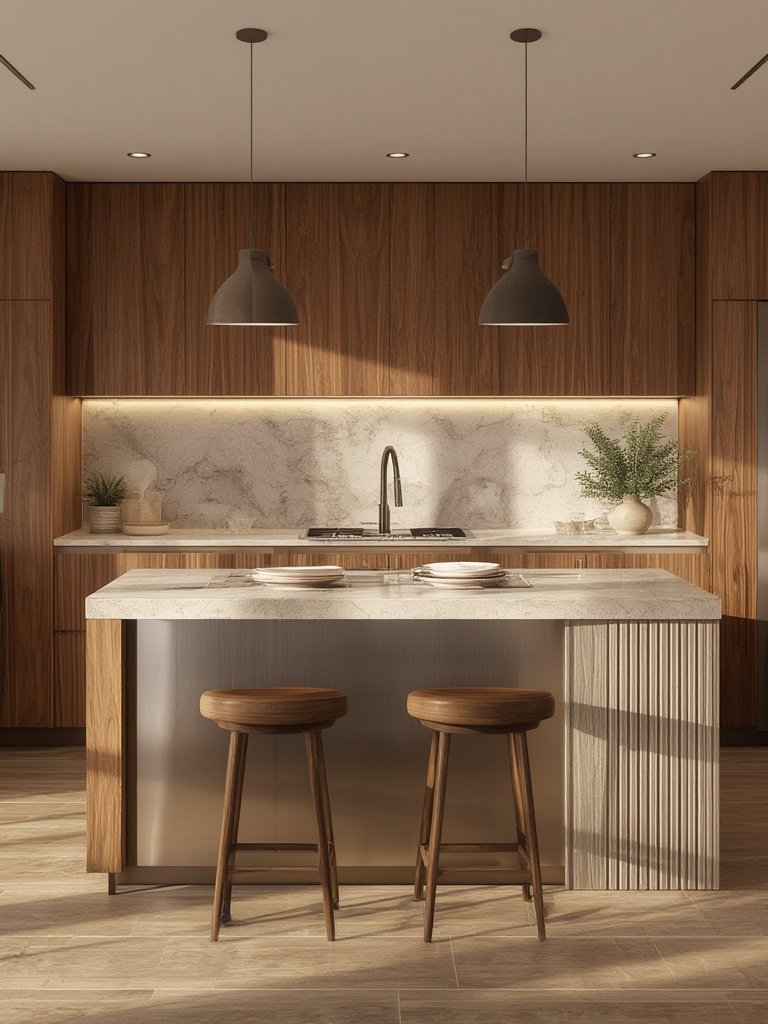
Quick mood board: Pair a natural light wood (white oak), brushed brass pulls, matte black faucet, and an off-white stone with subtle veining. Place a sample or mock-up of each finish together before buying.
Industry sources including the NKBA and designer interviews agree that wood plus mixed metals, or painted cabinets with a wood accent, top the charts for versatility and resale value in 2024 and beyond.
Frequently Asked Questions
Is a mixed materials kitchen much more expensive than an all-wood or all-painted one?
It can be, depending on the use of custom woodwork and specialty metals. Because most trend articles don’t share actual prices, the best way to get a clear answer is to ask contractors for line-item bids with clear separation between each material package.
How hard are these kitchens to clean compared to standard cabinets?
Cleaning is usually more demanding—different surfaces mean following more than one set of instructions. For example, wood needs gentle, non-abrasive cleaners, while metal collects grease or fingerprints. Textured (fluted or reeded) surfaces trap debris and require extra attention.
What installation risks should I ask about before approving a mixed materials kitchen design?
Key risks include poor sealing at joints (water damage), fastening failures between dissimilar materials, and expansion issues causing cracks or gaps. Always ask your contractor how they prevent these problems.
Are there mixed materials or finishes to avoid if low maintenance is a top goal?
If you want simplicity, steer clear of high-gloss metals (show every smudge), light untreated wood (stains easily), and deeply textured cabinets (collects grime). Look for sealed, matte, or engineered finishes for easier cleaning.
Where can I find real homeowner reviews of mixed materials kitchen performance?
Currently, there’s a major research gap. Ask your designer for references from recent clients, or look for online forums where actual users share photos and feedback. If possible, visit a live kitchen or request permission to contact past customers.
—