

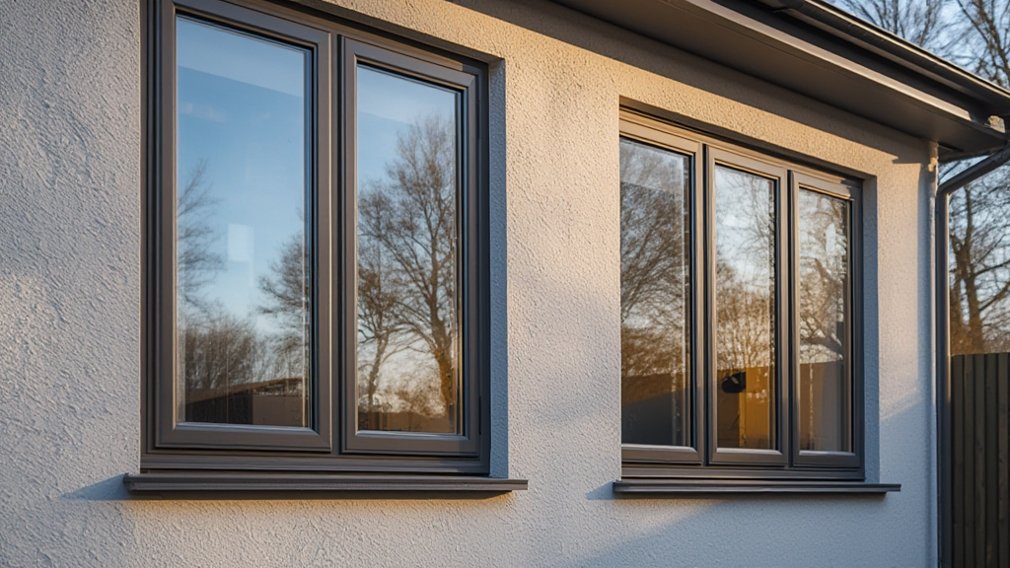
Triple Glazing Retrofit offers the highest energy efficiency leap for existing homes, but it’s only cost-effective in the right situations. As 2026 energy codes approach, understanding exactly when a triple glazing retrofit is justified can mean the difference between wasted money and world-class comfort at an ROI you can measure. This guide delivers real cost data, practical savings calculations, and a no-nonsense upgrade plan to help you decide—and get ahead of stricter building standards.
Key Takeaways
- Triple glazing retrofits can cut heating bills by up to 50% versus old single or double glazing, and deliver U-values as low as 0.15 W/m²K (sources: South Yorkshire Windows, SolarTech Online).
- Expect UK project costs from £5,920 for a flat to £21,000+ for a large detached house, with US costs consistently higher for premium materials (triple glazing is 10–50% more expensive than double glazing).
- Proven ROI is highest when bundling triple glazing with fabric upgrades and leveraging rebates; sequencing upgrades shortens payback as energy savings multiply.
- Executive quick-take: Is a Triple Glazing Retrofit worth it?
- True costs today — UK & US full-project pricing, materials, labour and rebates
- How to calculate ROI & realistic payback timelines (step-by-step)
- Technical comparison: U‑values, acoustic performance and emerging alternatives
- Top 3 crucial topics competitors skip (and how we’ll address them)
- Most frequent homeowner complaints, risks and mitigation strategies
- Installation differences for soundproof triple glazing vs standard replacement — process & pitfalls
- Recommended thermal home upgrades to pair with glazing — sequencing, bundling and effect on payback
- Which homes should choose triple glazing vs double or emerging options (decision matrix)
- Practical buyer’s toolkit: quotes, specs to demand, acoustic & U‑value checklists, and contractor vetting
- Visuals, sidebars and interactive elements the writer should include
- Call-to-action & measurable next steps for the reader
- FAQ
Executive quick-take: Is a Triple Glazing Retrofit worth it?
If your home currently has single-pane or very old double-glazed windows, you live in a colder or noisy region, and you value lower bills plus future code compliance, a Triple Glazing Retrofit is likely worth it. Triple glazed units can slash heating bills by up to 50% over poor-performing older setups, and outperform standard double glazing by as much as 50% on energy loss (source). The main tradeoff—triple glazing costs 10–50% more up front. Start with a detailed home energy audit to target your losses and plan upgrades for 2026 code-ready performance.
True costs today — UK & US full-project pricing, materials, labour and rebates
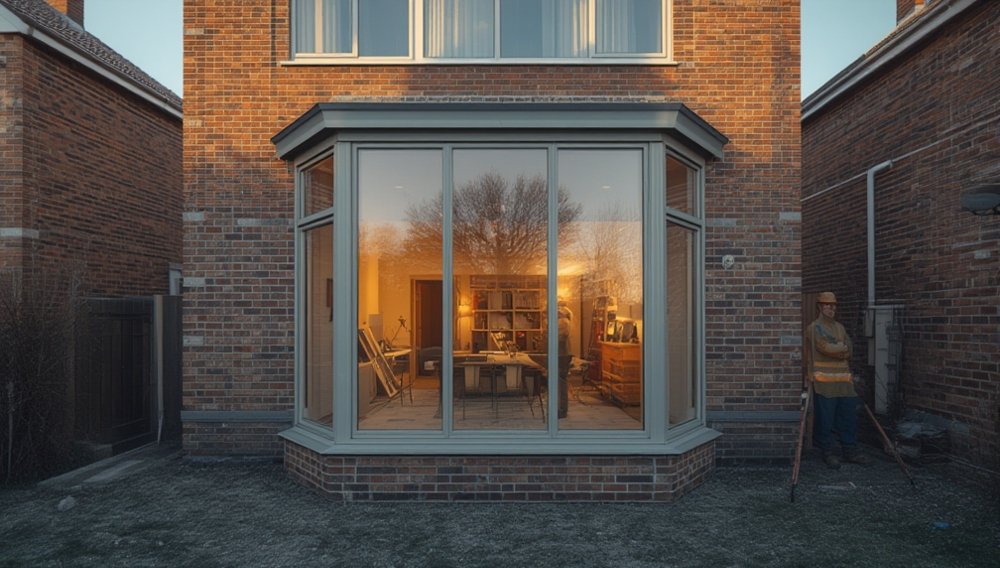
Triple Glazing Retrofit costs vary by home, size, and frame/glass specifics. In the UK, expect 2024–25 full retrofit pricing at around £5,920 for a small flat, scaling up beyond £21,000 for a spacious detached house (price includes supply of uPVC window insulation frames, triple glazed units, fitting, and disposal). Triple glazed units consistently come at a 10–50% premium over double glazed equivalents.
For US homeowners, region and supplier matter, but premium triple glazing options are always significantly higher than double glazing. Direct project averages are rarer—expect to pay more than the £21,000 top end for a full US replacement in cold climates using high-spec units. Incentives such as future US federal tax credits or local utility rebates and the UK’s ECO4 grant (available on qualifying homes until March 2026) can reduce net cost if you qualify (see data).
For historical or listed homes, specialist installation or vacuum-insulated glazing may be required, which increases base fit price but can retain property value and achieve near triple-glazed thermal performance in slimline profiles.
How to calculate ROI & realistic payback timelines (step-by-step)
Calculating payback for a Triple Glazing Retrofit is straightforward if you follow these steps:
- Gather your annual heating spend: Use your last 12 months’ bills. Example: £1,200/year (UK), $2,000/year (US).
- Estimate realistic savings: For the poorest windows, savings can be up to 50% on heating bills; for decent double glazing, expect up to 25%.
- Identify rebate eligibility: For UK, check ECO4; for US, research local and federal rebates.
- Net project cost: Total cost minus rebates/grants.
- Calculate payback time: Net cost divided by annual savings = payback in years.
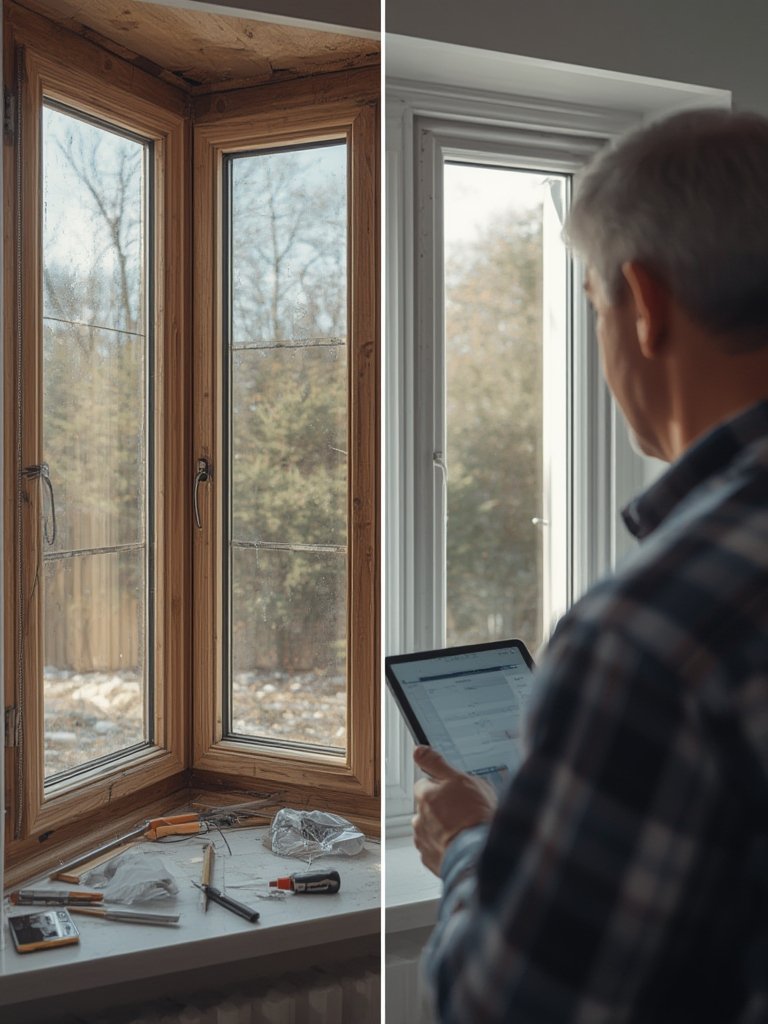
Example 1: UK Small Flat (Poor windows)
Annual heating spend: £1,200
Potential savings: £600/year (50%)
Install cost: £5,920
Grant: £1,000 (ECO4, if eligible)
Net cost: £4,920
Payback: £4,920 ÷ £600 = 8.2 years
Example 2: US Detached Home (Old double glazing)
Annual heating spend: $2,000
Potential savings: $500/year (25%)
Install cost: $30,000
Rebate: $1,800
Net cost: $28,200
Payback: $28,200 ÷ $500 = 56 years
National analysis shows that if every old window in US buildings was replaced with high-performance glazing (double or triple), annual energy use could fall by 29% and emissions by 28% (source).
Technical comparison: U‑values, acoustic performance and emerging alternatives
How does triple glazing stack up technically? See below for side-by-side performance:
| Window Type | U-Factor (W/m²K) | Frame | Gas Fill | Acoustic (STC*/Rw*) | Main Benefit |
|---|---|---|---|---|---|
| Double Glazed | 0.25–0.50 | uPVC/Aluminium/Wood | Air/Argon | Basic (Ask for lab rating) | Most affordable & simple install |
| Triple Glazed uPVC | 0.15–0.30 | uPVC (insulated) | Argon/Krypton | Better (No universal dB figure: request supplier STC/Rw) | Highest insulation and future-ready |
| Vacuum-Insulated (Emerging) | ≤0.12 | uPVC/Aluminium | Vacuum cavity | Likely excellent (request data) | Slim, heritage-friendly, low U-value |
*STC/Rw: Standardized acoustic ratings that measure noise reduction. Suppliers rarely put this on brochures—demand lab reports or test references.
For extreme climates or noisy roads, triple glazing with inert gas fill (argon/krypton) plus warm-edge spacers and insulated frames delivers the broadest improvement in comfort and performance (source).
Top 3 crucial topics competitors skip (and how we’ll address them)
- ROI timelines with worked examples: This post gives exact payback math using real heating bill and incentive figures, not vague “eventual saving” claims.
- uPVC window insulation tech: Not all uPVC is created equal! We break down how frame insulation, inert gas fills, and improved spacers make or break performance. Ask for full thermal-break and fill details in your quote.
- Soundproofing you can measure: No true dB benchmarks? Demand supplier test reports listing STC/Rw acoustic ratings, and get these listed in your install contract.
Get the facts that matter. For more home improvement clarity, see our Ultimate Complete Guide to Kitchen and Bathroom Remodel Costs and Planning.
Most frequent homeowner complaints, risks and mitigation strategies
Direct complaint stats for triple glazing retrofits are sparse. The most common homeowner challenges are:
- High up-front costs: Triple glazing is 10–50% pricier than double glazing.
- Installation complexity: Triple units are heavier—weak existing frames may not be suitable for retrofit.
- Noise reduction falls short of claims: Expectation gaps occur when buyers assume “triple = silent”—actual dB drop depends as much on frame and installation quality as it does on the glass.
- Frame mismatch: Modern triple glazing sometimes won’t fit old or historical frames without major adjustment.
- Long payback horizon: In moderate climates, energy savings may take decades to recoup investment—other upgrades might pay off first.
Mitigation:
- Always ask for accredited acoustic and U-value test results.
- Check (or upgrade) the strength of your existing frames; reinforce if needed.
- Consider staged installs—phase windows according to condition/prioritization.
- Insist on clear, extended warranties and know your cancellation rights.
Consumer education is critical. Smart upgrades elsewhere may also deliver great comfort and ROI.
Installation differences for soundproof triple glazing vs standard replacement — process & pitfalls
Retrofitting triple glazing—especially for soundproof performance—differs in several essential ways from replacing basic windows:
- Weight: Triple units are much heavier; old timber or budget uPVC frames might not hold them. Frame reinforcement is often needed.
- Seal quality: Air infiltration kills both energy and sound performance. Professional airtightness testing is a must for best results.
- Historic/home retrofit: Listed buildings may require vacuum-insulated glazing for slim fitment and code compliance.
- Special acoustic seals: These extend install time and require experienced fitters.
- Longer duration: Expect more site time, inside and out.
- Pitfalls:
- frames not level or strong enough
- wrong spacer/gas fill specified
- no airtightness verification
- lack of STC/Rw acoustic data in quotes
- overly optimistic energy claims
- installer inexperience with full retrofits
- damage to interior finishes / alarms
- permits or approvals missed (esp. in US historic regions)
Pre-inspection checklist:
- Frame condition & strength checked by professional
- U-value and acoustic spec in writing
- Installer insurance and references verified
- Warranty and aftercare terms detailed
- Compliance with local code (Energy Star 7.0, Future Homes Standard, etc.)
Recommended thermal home upgrades to pair with glazing — sequencing, bundling and effect on payback
Don’t retrofit windows in isolation. Bundling fabric-first upgrades multiplies your savings and shortens payback:
- Loft/attic and wall insulation: Cuts losses by up to 35%. Always do this first—cheaper, quickest ROI.
- Air sealing: Deals with drafts from everywhere, not just windows.
- Triple Glazing Retrofit: Now your window upgrade will have maximum impact.
- Heating system (controls, smart thermostats, or heat pumps): With the load reduced, next-gen heating solutions become more cost-effective and less oversized.
Research suggests comprehensive high-performance glazing retrofits, as part of broader upgrades, could net $15 billion in energy savings nationally (source).
See more on smart home investments in our Smart Home Voice Control Guide.
Which homes should choose triple glazing vs double or emerging options (decision matrix)
Still deciding? Use this scenario matrix:
| Scenario | Recommended Glazing | Why? |
|---|---|---|
| Single-pane/old double glazing, cold climate, replacing all windows, traffic noise | Triple Glazing Retrofit | Top savings and comfort, aligns with 2026 codes (U-value ≤ 1.2) |
| Recent/modern double glazing, moderate climate, no noise struggle | Do not upgrade, or consider only select units (e.g., bedrooms) | Lower ROI; air sealing/insulation pays off faster |
| Historic/listed property, thin frames, code-required | Vacuum-Insulated Glazing | Meets U-value targets, fits in old frames |
| Tight budget, focusing on payback under 10 years | Double Glazing (modern, argon fill/uPVC) | Lowest up-front cost, reasonable efficiency for most |
| Electric heating, aiming for zero-net energy/Passive House | Triple Glazing Retrofit or Vacuum-Insulated Glazing | Lowest heat loss, future proofs property |
Refer to code requirements and potential incentives before choosing. For project value stacking, read our landscaping and backyard upgrade guide.
Practical buyer’s toolkit: quotes, specs to demand, acoustic & U‑value checklists, and contractor vetting
Demand quotes in writing with these checks:
- U-value (for each window): 0.15–0.30 W/m²K for triple
- Spacer: warm-edge/thermal break
- Gas fill: argon/krypton (insist on documentation)
- Frame: uPVC type and wall thickness (multi-chamber if possible)
- Acoustic performance: measured STC or Rw on product, not just “soundproof” marketing
- Airtightness: requires installation to documented standard (blower-door testing optional but preferred)
- Warranty: years, coverage, transfer rights
Sample RFP language: “All windows to achieve max U-value of 0.20 W/m²K, minimum STC 40, warm-edge spacers, argon-filled units, and written 10-year warranty. Installer to provide previous retrofit references and completion timeline in bid.”
Vetting questions for contractors:
- How many full-house retrofits have you completed?
- Do you test airtightness or supply third-party U-value/acoustic documentation?
- Can you demonstrate experience with uPVC window insulation retrofits and soundproof window installation in similar homes?
- How do you handle historical/listed building installs?
- What is your procedure for structural frame assessment pre-install?
Explore more renovation specs in our energy-efficient bathroom upgrades guide or installing heated floors for bundled returns.
Visuals, sidebars and interactive elements the writer should include
- Cost Range Table: Show UK £5,920 → £21,000+, highlight US expected premium over UK pricelist.
- U-value Comparison Chart: Display double (0.25–0.50), triple (0.15–0.30), vacuum (≤0.12) side-by-side.
- Payback Examples Table: Two worked cases (see Section 3 above).
- Acoustic Explainer Sidebar: What is STC/Rw, why dB ratings vary, and what figures to request for apples-to-apples shopping.
- Downloadable Checklist (PDF): Pre-retrofit inspection & spec list for printout and walk-through with contractors.
- FAQ Sidebar: Common complaints (cost, install disruption, failed noise expectations), what to ask installers, and how to handle permits.
For more on maximizing ROI with other home features, try our Spa Bathroom Investment Guide.
Call-to-action & measurable next steps for the reader
You’re now equipped to judge when a Triple Glazing Retrofit is (and isn’t) worth it. Here’s your playbook:
- Book a professional energy audit and get a detailed heat-loss breakdown (with window-by-window analysis).
- Request at least two written quotes from vetted installers with all specs above.
- Download our ROI worksheet and fill in your own home details—factor in local rebates or ECO4 (UK: before March 2026 deadline).
- If you’re US-based, monitor federal and utility rebate programs for windows, uPVC window insulation, and Energy efficient windows 2026 opportunities as new incentives come online.
- Map out a realistic staging plan for upgrades (e.g., fabric before glazing before heating).
According to market analysts, the energy efficient glass sector (including triple glazing) hit USD 47.57 billion in 2025—a sign this is a mainstream efficiency move (source). Don’t wait for 2026 codes to force your hand—get quotes now, lock in rebates, and maximize your energy savings for good.
Ready to take the next step? Start your Triple Glazing Retrofit journey with an audit and two comparison quotes this month.
FAQ
How much does a full Triple Glazing Retrofit cost in the UK or US?
UK: From £5,920 (small flat) to £21,000+ for large detached homes. US costs are generally higher and more variable depending on region and product choices.
How much can I actually save on my heating bill?
With old single-pane or very poor double glazing, savings can reach up to 50%. For modern double glazing, savings are modest—often only 10–25%.
Is triple glazing always better than double?
No. For moderate climates and homes with decent double glazing, other upgrades (like air sealing or insulation) return more value. Triple glazing shines for cold, noisy, or code-mandated performance upgrades.
How do I know if my frames can handle triple glazing?
Have an installer inspect your frames’ strength and condition. Triple is heavier and often requires reinforcement—especially in older houses.
Does triple glazing make a big difference to noise?
It can, especially versus single glazing— but actual acoustic performance depends on installation quality, spacer/gas fill, and proper seals. Always request tested STC/Rw numbers in quotes instead of relying on marketing claims.