

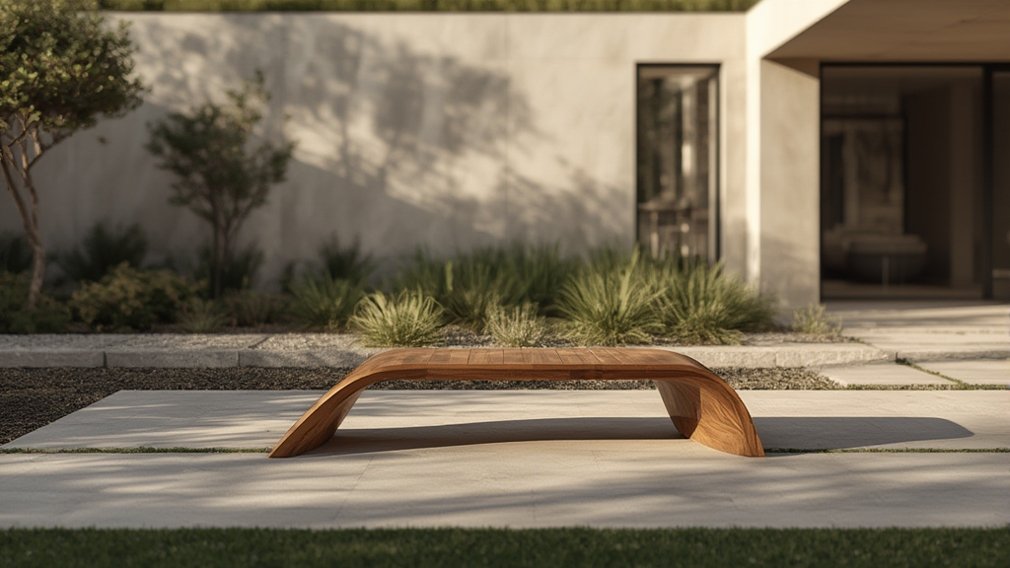
Sculptural Outdoor Furniture is transforming luxury gardens and terraces in 2024, redefining outdoor living with art-grade statement pieces that blend lasting craftsmanship, sustainability, and true practical durability. If you are a landscape designer, boutique hotel owner, or discerning homeowner seeking gallery-level quality for the outdoors, this guide delivers the real-world insight, buying frameworks, and vendor questions lacking in most competitor articles.
Key Takeaways
- The luxury market for Sculptural Outdoor Furniture is growing fast, with high demand for museum-grade pieces that balance visual impact, durability, and verified provenance.
- Buyers should prioritize sustainably sourced materials, artisanal construction, and plan for logistics by vetting delivery and care protocols before purchase.
- Most articles ignore critical buying pain points (actual pricing, climate-specific care, sourcing transparency)—this guide shows exactly what to ask and where to dig deeper.
- Why Sculptural Outdoor Furniture is the Luxury Move in 2024
- How to Buy and Specify Sculptural Outdoor Furniture
- Real-World Pitfalls & What to Check Before You Buy
- Summary — Bringing Museum Quality Outdoors
- FAQs
Why Sculptural Outdoor Furniture is the Luxury Move in 2024
Sculptural Outdoor Furniture has entered a new era: design-savvy buyers are abandoning matching patio sets in favor of collectible outdoor pieces that double as open-air art installations. Unlike generic offerings, sculptural benches, curved garden sofas, and architectural patio chairs are now crafted using indoor-level design languages—sinuous forms, organic curves, fine hand-worked wood, and woven asymmetry—while engineered for true weather resistance and longevity.
The numbers confirm this surge: the high-end garden furniture market was valued at USD 1,718.7 million in 2023 and is projected to reach USD 2,112.5 million by 2030 at a CAGR of 3.1%, according to industry reports. The move toward Sculptural Outdoor Furniture signals more than shifting style—it’s about staking out individual identity and narrative outdoors, treating patios and terraces as open-air extensions of the art-gallery lifestyle.
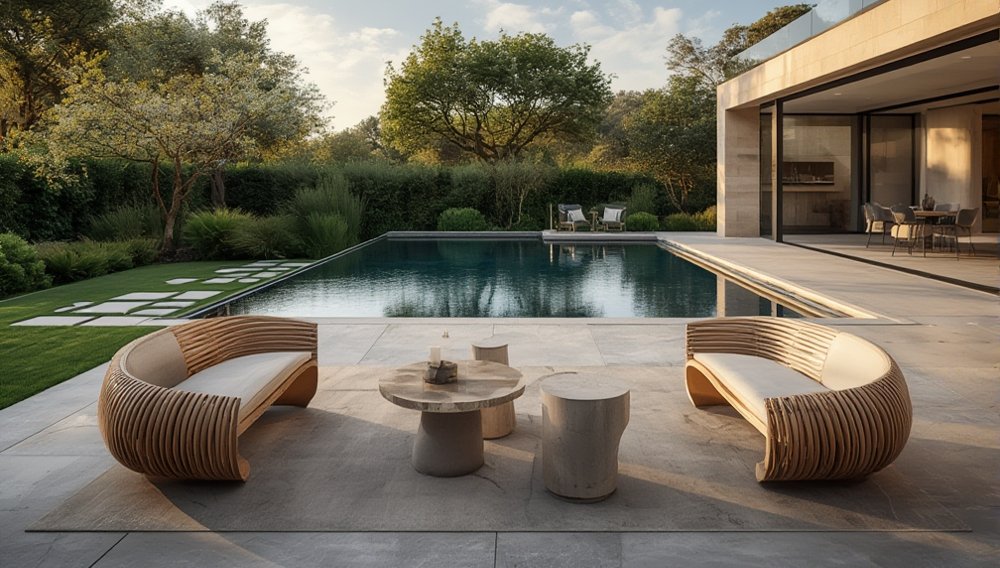
Designers and affluent property owners are investing in these museum-grade pieces now because they elevate home value, impress guests or clients, and achieve cultural cachet in both private gardens and hospitality projects. With demand rising for quality, provenance, and statement-making form, sculptural furnishings have become the defining mark of a luxury outdoor environment.
How to Buy and Specify Sculptural Outdoor Furniture
Selecting the right Sculptural Outdoor Furniture for a high-value outdoor project requires a deliberate, stepwise approach. Here’s how to get it right:
- Define the Focal Point and Use Case: Decide where statement pieces like a sinuous teak bench, curved garden sofas, or architectural patio chairs belong to anchor the design. For residential gardens, target main entertaining zones; for hospitality, identify arrival or lounge spaces to maximize visual impact and guest interaction.
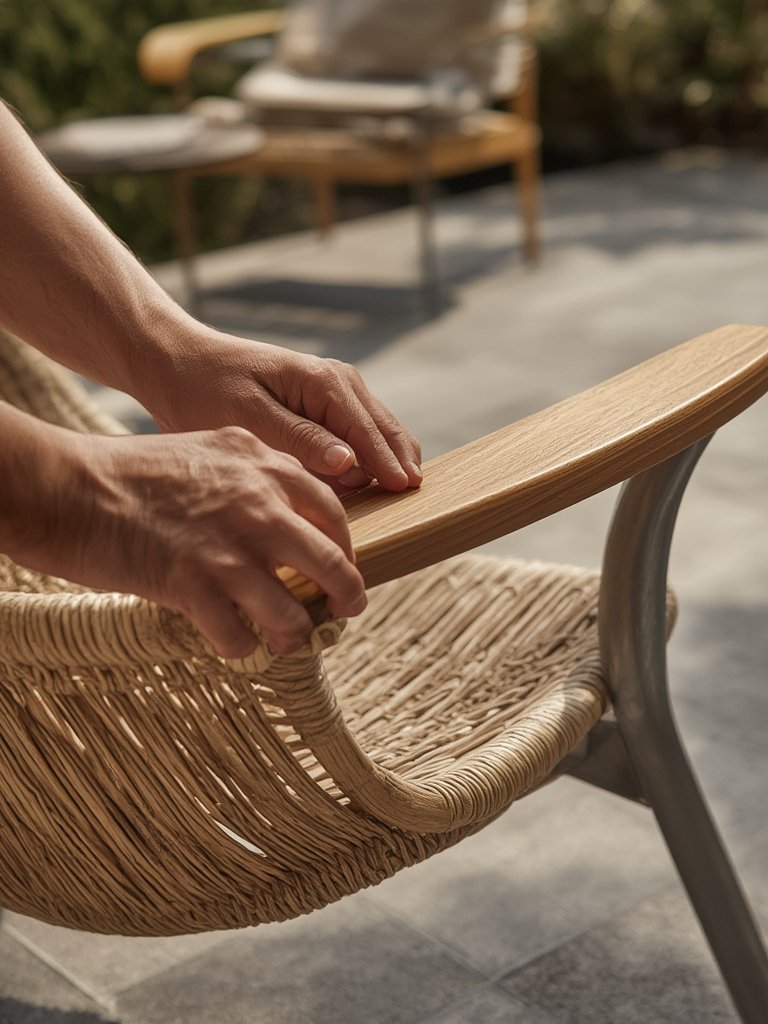
- Research Materials and Provenance: Favor brands using FSC-certified teak, premium aluminum, or eco-certified recycled HDPE plastics. Examine construction: artisan-welded aluminum frames, hand-woven cord, or kiln-dried timber ensure superior durability. Insist on documented supply chain transparency and, if possible, site visits or photo logs for custom-commissioned pieces.
- Vet Artisanal Processes: Unique, high-value sculptural furniture often demands significant lead times. For instance, Castelle’s aluminum sculptural patio furniture is hand-finished in Costa Rica with 45 pairs of hands and 18 hours per piece. Such production explains price and waits—ask vendors for process details, origin, and craftsmanship evidence.
- Analyze Configuration and Layout: Map out furniture footprints before purchase using tape outlines or CAD tools. For curved garden sofas, check that the footprint works with traffic, focal vistas, and sightlines. Mix sculptural pieces with subtle accents and plan for outdoor lounge area flow (see these tips for lounge space optimization).
- Assess Practicality: Confirm all technical details: dimensions, weight, assembly, and site access. For complex installations, ask about delivery crate sizes, possible crane use, and insurance needs. Require warranties and written care plans specific to climate (see quick-care box below).
- Request Full Pricing Transparency: Luxury outdoor pieces often lack true price visibility. Ask for line-item quotes: base piece, customization, shipping, installation, and fabric upgrades. Document all policies (returns, damage, climate-related warranty exclusions). Recognize that price ranges (especially for architectural patio chairs and gallery-grade benches) may require phone or email negotiation, as most sources do not publish exact figures.
- Prioritize Brand Reputation and User Experience Data: Research brands like Brown Jordan, Castelle, Gloster, B&B Italia, Royal Botania, Manutti, Vetra, and Polywood (all noted leaders in recent market reports), but seek out real user feedback whenever possible. Independent reviews and comfort comparisons are rare, so request client lists, testimonials, or the chance to visit completed projects.
- Plan for Professional Care and Seasonal Protocols: Secure a detailed, vendor-provided maintenance plan. For woven asymmetrical furniture, learn about fiber longevity and cleaning regimes. For sinuous teak benches, ask about treatment cycles and seasonal storage guidelines. If info is missing, press vendors for documentation or link up with an expert in furniture conservation.
Buyer Checklist: What to Confirm Before Purchase
- Is each piece made from FSC-certified wood, recycled content, or verified sustainable materials?
- What is the actual production origin? (Documented country, facility, and process)
- Which artisans, designers, or craftspeople are named in the production process?
- Do you receive a full written warranty covering climate-related issues?
- How rigorous is the finish and weather-resistance testing?
- Are explicit care instructions and maintenance products included?
- What are the lead times and how are delays communicated?
- Is the full price breakdown (customization, delivery, installation, upholstery) disclosed?
- How will delivery, crating, site-prep, and insurance be managed for oversized items?
- Is there a clear return and damage policy, especially on artisanal or custom pieces?
Climate-Specific Quick-Care Rules
- Coastal: Rinse metals and outdoor fabrics monthly; apply marine-grade protectant to aluminum frames every quarter to resist corrosion.
- Humid/Tropical: Opt for quick-drying mesh upholstery and conduct frequent mold/mildew inspections; clean teak with gentle soap and water.
- Dry/Sunny: Use UV-resistant covers and deep clean woven asymmetrical furniture and sinuous teak benches every season to prevent fading and fiber brittleness.
- Freeze-Prone: Avoid leaving upholstered and woven elements outside uncovered; move lightweight sculptural pieces indoors or under shelter before freeze/thaw cycles.
Real-World Pitfalls & What to Check Before You Buy
The artistry of Sculptural Outdoor Furniture disguises practical complexities. Here’s what commonly goes wrong—straight from research and market data:
| Potential Issue | What to Watch For | Action to Take |
|---|---|---|
| Unpublished Pricing | No site or catalog details costs for custom or even mass-market sculptural outdoor furniture. | Demand full written breakdowns by email and compare with at least 2 brands (e.g., ask about sourcing costs on sculptural minimalist chairs). |
| Logistics Surprises | Large, heavy, or complex shapes may not fit through site entryways or require specialty equipment for installation. | Provide floorplans to the vendor; confirm crate dimensions and access. Opt for specialist “white glove” install services whenever possible. |
| Missing Maintenance Protocols | Few brands offer climate-adapted care instructions for sculptural or woven outdoor furniture. | Request or commission official product-specific protocols before order confirmation. Cross reference with outdoor maintenance tips. |
| Sustainability Claims Without Proof | Some “eco” claims are vague; supply-chain transparency rarely detailed in marketing. | Insist on FSC certificates, recycled content documentation and ask point-blank about source countries and factory audits (see here for brands with FSC teak). |
| Lack of User Feedback | Little published data on comfort, wear patterns, or real-world longevity of sinuous teak benches, woven asymmetrical furniture, or curved garden sofas. | Ask for client references or photos of in-use installations; seek interviews with previous buyers when possible. |
Additionally, many competitor guides gloss over how these pieces actually fit into broader landscape design—see comprehensive backyard ideas to ensure your sculptural add-ons don’t clash with overall site character.
Summary — Bringing Museum Quality Outdoors
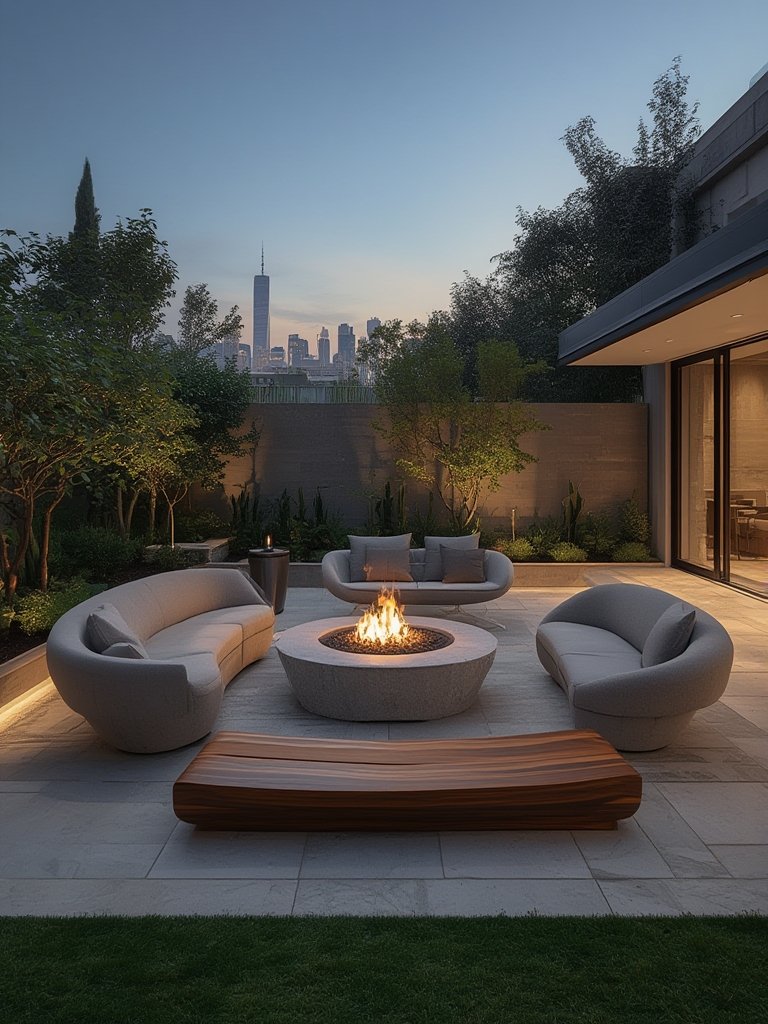
The market for Sculptural Outdoor Furniture is now defined by a demand for art-gallery-grade aesthetics, true craftsmanship, and transparent sourcing—not just trend-driven looks. Designers and property owners can achieve lasting, sustainable luxury by insisting on documented craftsmanship, climate-adapted maintenance, and full transparency from vendors. For the best results, treat your sculptural acquisitions like serious gallery investments—ask for provenance, insist on technical detail, and plan for ongoing care from day one.
Ready to buy or specify? Download our full buyer checklist above, connect with reputable brands, and don’t hesitate to dig deeper for original vendor data. Got a unique installation or experience with sculptural outdoor pieces? Share your story with us or request a custom consultation for your project.
FAQs
What makes Sculptural Outdoor Furniture different from regular patio sets?
Sculptural Outdoor Furniture is distinguished by artful, gallery-worthy design, premium materials, and artisanal handcrafting. While regular patio sets prioritize uniformity, sculptural pieces serve as focal points and are often custom-made for long-term durability.
How can I confirm a piece’s sustainability credentials or provenance?
Request official documentation for FSC-certified wood, recycled-content verification for plastics, and full supply-chain disclosure. Ask the vendor for details of origin, artisan involvement, and any third-party audits or certifications.
What should I expect in terms of maintenance for woven asymmetrical furniture or sinuous teak benches?
Woven and sinuous forms commonly require gentle cleaning with mild soap, periodic inspections for wear or UV damage, and seasonal protection based on climate (covers, indoor storage in freeze, regular rinsing in coastal areas). Insist on product-specific care guides from your supplier.
How do I budget for museum-grade outdoor pieces, if prices aren’t listed online?
Contact the brand or artisan directly for individualized quotes. Prices vary widely by size, materials, fabrication method, and delivery. Request a written breakdown and compare across several reputable brands to benchmark fair rates.
What are the leading brands to research for Sculptural Outdoor Furniture?
Top luxury names include Brown Jordan, Castelle, Gloster, B&B Italia, Royal Botania, Manutti, Vetra, and Polywood. Each offers high-end sculptural collections with a reputation for quality and design innovation.