

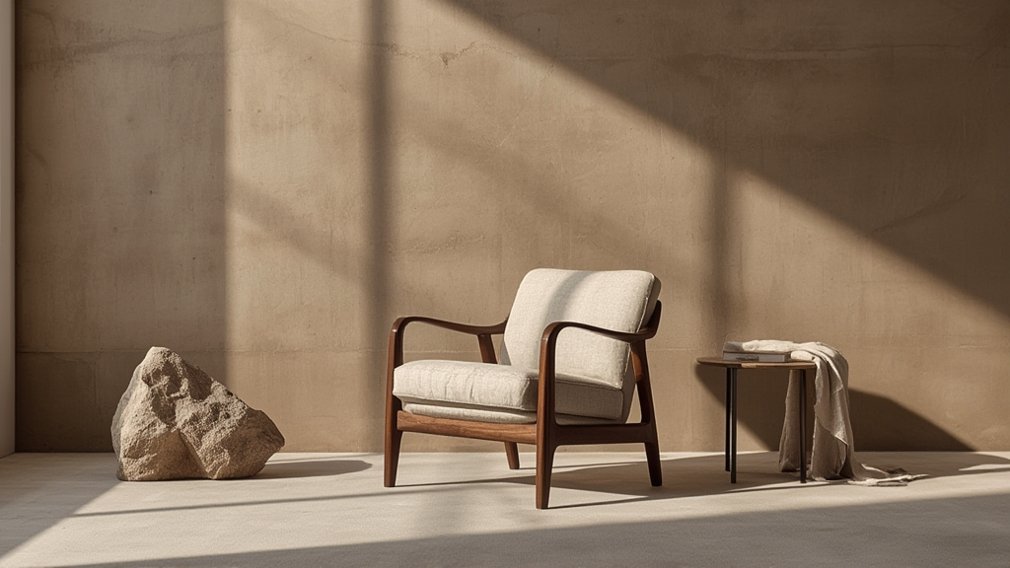
Japandi 2.0 Furniture is redefining what minimalist homes can feel like—adding textured warmth, sculptural lines, and authentic materials for real-life luxury you can see and touch. If your pared-back space feels a bit too sparse or cold, now is the right moment to discover how Japandi 2.0 brings depth and comfort—without slipping into clutter or trend chasing.
Key Takeaways
- Japandi 2.0 Furniture moves beyond basic minimalism, layering darker woods, rich textures, and sculptural shapes for a tactile yet restrained look.
- Step-by-step: Success is about introducing authentic, sustainable materials and statement forms without losing negative space or serenity.
- Most homeowners underestimate the power of just one dark-wood anchor or sculptural chair—simple changes can dramatically upgrade warmth and depth.
- Why Japandi 2.0—What’s Evolved and Why It Matters
- Textured Minimalism in Practice—Step-by-Step Guide
- Advanced Analysis & Common Pitfalls
- Conclusion
- FAQ
Why Japandi 2.0—What’s Evolved and Why It Matters
Japandi 2.0 is the next chapter of Japanese-Scandinavian fusion. Unlike the first wave—dominated by pale woods and minimal silhouettes—Japandi 2.0 Furniture leans into darker woods, organic textures, artisan construction, and sculptural shapes. It’s not just an aesthetic trend. It’s a realistic upgrade for design-forward homeowners ready to rewarm their minimal spaces for the tactile, wellness-focused era—without clutter or excess.
Why does this matter? Research shows consumer demand is rapidly rising—Pinterest’s Fall 2024 Trend Report measured a 135% jump in “Japanese living room design” searches. Google saw peak searches for dining and coffee tables in mid-summer, showing people aren’t just browsing—they’re ready to invest in Japandi 2.0 anchor pieces ([Accio Market Research]).
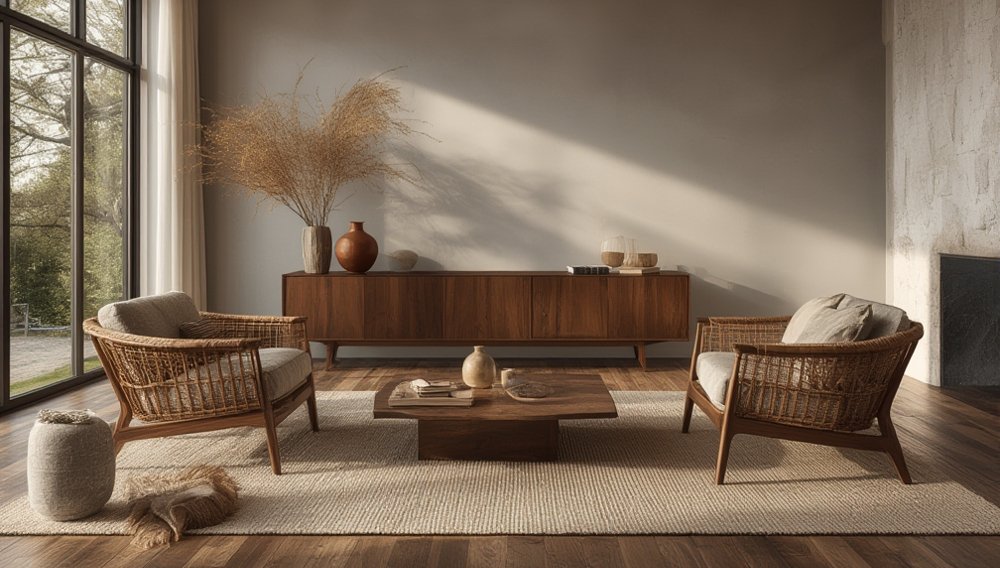
For affluent, design-literate homeowners, this evolution unlocks an actionable path: infusing warmth and artisanal character into existing minimal spaces while staying sustainable, functional, and distinctive. Think “textured minimalism” with curated imperfection and a sense of serenity.
Textured Minimalism in Practice—Step-by-Step Guide
Transforming a minimalist home into a Japandi 2.0 sanctuary is less about starting over and more about layering depth—responsibly and deliberately. Here’s how:
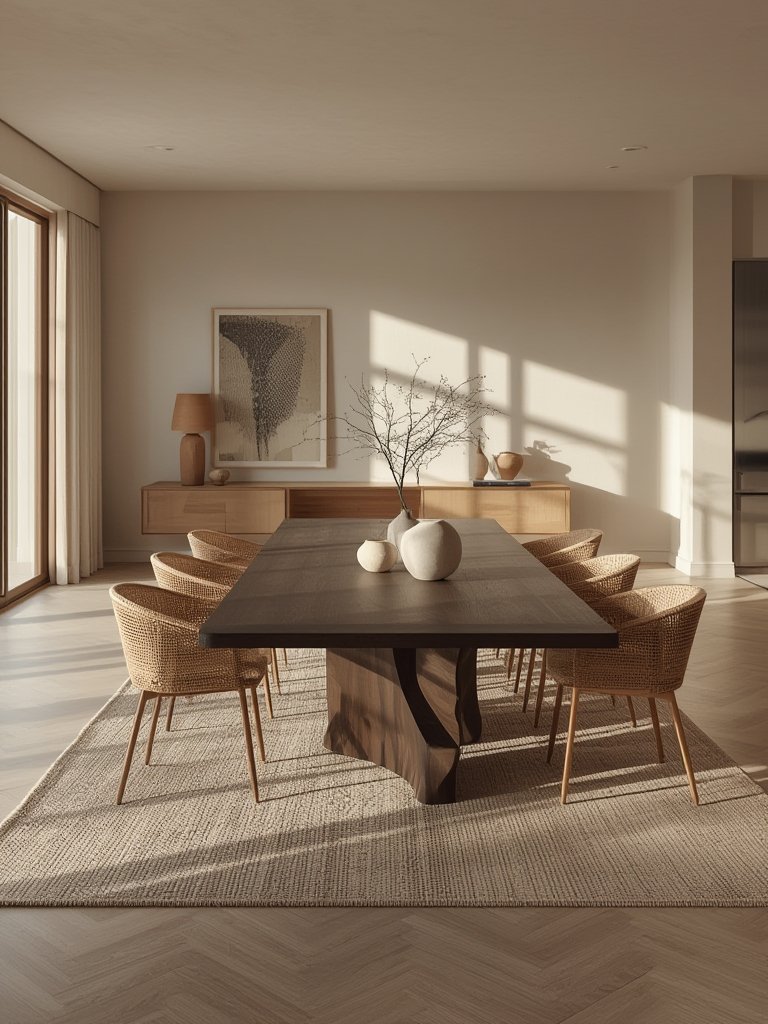
- Start With one dark-wood anchor: Choose a focal point (dining table, coffee table, or sideboard) in dark-stained oak, walnut, or acacia. Let this single piece ground the space—don’t swap everything at once.
- Build in Textures Gradually: Layer earthy neutrals like linen, wool, raw canvas, or jute in throws, rugs, and curtains. Stick to a restrained color palette for continuity. Aim for 3–5 textures in one room for depth without clutter.
- Curate Sculptural Forms: Replace at least one generic chair with a sculptural chair—arched, low-slung, spindle, or curved but always ergonomic. Try grouping two of the same for rhythm or let one shine as a statement.
- Embrace Wabi-Sabi Imperfection: Add one or two subtly imperfect objects (hand-shaped ceramics, reclaimed trays, or stone vessels) for warmth and authenticity. Don’t overload—wabi-sabi is about curation not collection.
- Light for Texture: Use directional lighting or wall-washers to bring out grain, weave, and relief. Warm-glow LEDs boost tactile qualities and soften contrast between dark and light woods.
- Source Authentically: Ask vendors for joinery photos, material provenance, solid-wood confirmation, and eco certifications. Prefer local or small-batch makers when possible; this can also help you avoid mass-market, faux-Japandi lookalikes.

Tip: If you’re remodeling larger areas—such as the kitchen or bath—pair these interventions with sustainability-forward upgrades (see our kitchen and bathroom remodel guide).
- Textured wood cabinets pair beautifully with Japandi 2.0 principles.
- Bring tactile rugs or benches into entries following the same approach (holiday home decor ideas for warmth).
Advanced Analysis & Common Pitfalls
Even with a clear plan, many homeowners trip up when introducing Japandi 2.0 Furniture and textured minimalism. Here’s where projects often falter—and how to fix these issues fast:
- Overwhelming the Palette: Too many dark woods in a previously light space can instantly feel heavy. Solution: Keep a contrast ratio around 80–20 (light to dark) and make one piece the anchor.
- Visual Clutter from “Too Much Wabi-Sabi”: Loading up on imperfect, handmade objects may push the room towards chaos. Curate imperfections carefully—a single ceramic, aged tray, or worn stool is enough.
- Scale and Proportion Errors: Outsize sculptural chairs or benches that block flow—always check the negative space and measure passageways before purchasing.
- Flat or Harsh Lighting: Downlighting alone can wash out textures and make rooms feel sterile. Use a mix of floor lamps, wall-washers, and warm indirect light.
| Pitfall | Effect | Quick Fix |
|---|---|---|
| All dark furniture, no contrast | Loss of airiness, room feels small | Limit to one dark anchor, mix in pale linens |
| Too many textured/wabi-sabi pieces | Visual noise, clutter | Edit down, keep only two artisan accents |
| Ignoring authentic sourcing | Mass-market look, fast wear | Request joinery/finish photos, material proof |
See more on balancing dark wood Japandi and wabi-sabi home decor.
Want a step further? Our spa bathroom retreat guide explains how textural, wabi-sabi principles apply in personal spaces. Or explore biophilic bathrooms for natural light and layered greens.
Need to address budget or market realities? Formal data on Japandi 2.0 Furniture cost is elusive, but Japan’s overall furniture market is projected to reach US$27.55 billion by 2033 (see Vocal Media’s full report). Budget for at least one investment anchor piece, then layer in more affordable, artisan finds.
Conclusion
Japandi 2.0 Furniture is your most practical lever for upgrading a light, minimal home into a vibrant, calm, tactile retreat—one sculptural chair, textured rug, or dark-wood table at a time. Minimal investment, authentic materials, and intentional curation deliver a sense of warmth and longevity that endure beyond passing trends.
Ready to begin? Start with just one anchor piece and build your textured minimalism from there. Explore our resources for outdoor living upgrades and related kitchen/bathroom storage solutions to round out a serene, Japandi 2.0 home.
FAQ
What does “Japandi 2.0” mean compared to classic Japandi?
Japandi 2.0 advances basic Japandi with richer, darker woods, sculptural seating, bolder texture layering, and deeper sustainability or wellness focus. The look is still minimal but more tactile and grounded.
How can I avoid my home looking too dark or heavy with Japandi 2.0 Furniture?
Limit to one or two dark wood anchors per room, pair with light or warm textiles, and retain plenty of negative space. Layer texture using a consistent palette to maintain visual clarity.
Can I mix mass-market and artisan Japandi 2.0 pieces?
Yes—but prioritize at least one authentic, artisan-made anchor (table, chair, or cabinet) for longevity and impact. Fill out with more affordable supporting pieces—just keep the palette and textures consistent.
What’s the best room to start with for a Japandi 2.0 upgrade?
Dine or living rooms see biggest impact—swap the dining table or coffee table first, then move to sculptural seating or textured textiles before expanding to bedroom or entryway.
How do I check if Japandi 2.0 furniture is genuinely sustainable or handmade?
Ask for joinery detail photos, wood species & source, finish process, and maker/certification info before you buy. Reliable dealers should provide authentic production details on request.