

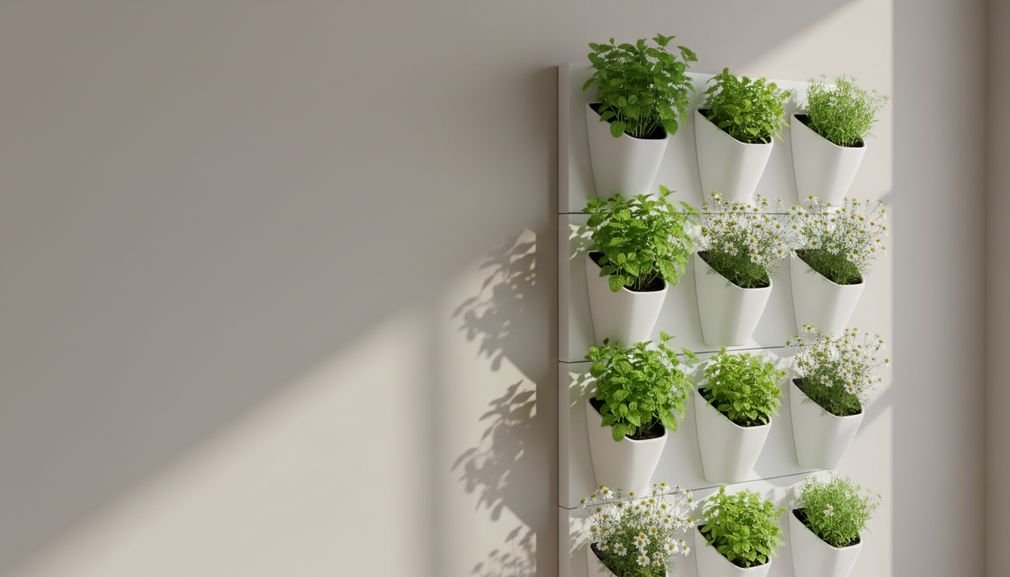
Creating a Pet-Safe Vertical Herb Garden is a rewarding project that merges the desire for fresh, indoor greenery with the need for a safe, enriching environment for your cats and dogs. As urban living and pet wellness trends converge, these living walls offer a space saving solution to bring nature indoors without compromising the safety of your furry companions. This guide provides the actionable steps and critical considerations necessary to build a thriving edible wall that both you and your pets can enjoy.
Key Takeaways
- The market for indoor gardens and pet care is booming, but specific “pet proof” vertical garden products are still emerging, placing the responsibility for safety on the owner.
- A truly pet safe design prioritizes non toxic materials (like BPA free plastics or untreated wood), secure wall mounting to prevent tipping, and strategic placement away from high traffic pet areas.
- Your choice between a hydroponic system and a traditional soil based wall will depend on your pet’s behavior (e.g., digging habits) and your own maintenance preferences.
- Why a Pet-Safe Vertical Herb Garden? Tapping into a Booming Lifestyle Trend
- What Makes a Vertical Garden Truly “Pet-Safe”? Addressing Key Design & Material Considerations
- Choosing Your System: Hydroponic Cat Grass vs. Soil-Based Herb Walls
- Navigating Pet-Safe Herbs: What to Grow (and What to Avoid) for Feline & Canine Friends
- Setup & Maintenance for a Thriving Pet-Friendly Vertical Garden
- Conclusion: Your Next Steps to a Thriving Pet Garden
- Frequently Asked Questions
Why a Pet-Safe Vertical Herb Garden? Tapping into a Booming Lifestyle Trend
The concept of a pet safe vertical herb garden sits at the intersection of two massive consumer trends: indoor home cultivation and premium pet care. On one hand, the global smart indoor garden system market reached USD 2,458.2 million in 2024 and is projected to continue growing, with wall gardens being the fastest growing category. This signals a strong consumer desire for integrated, aesthetically pleasing greenery. On the other hand, the global pet care market is expected to reach USD 499.06 billion by 2034, driven by owners who view their pets as family and proactively seek out products that enhance their well being. A pet friendly herb garden directly serves this need, providing a source of fresh, safe greens that can act as a a feline enrichment garden or a healthy treat for dogs.
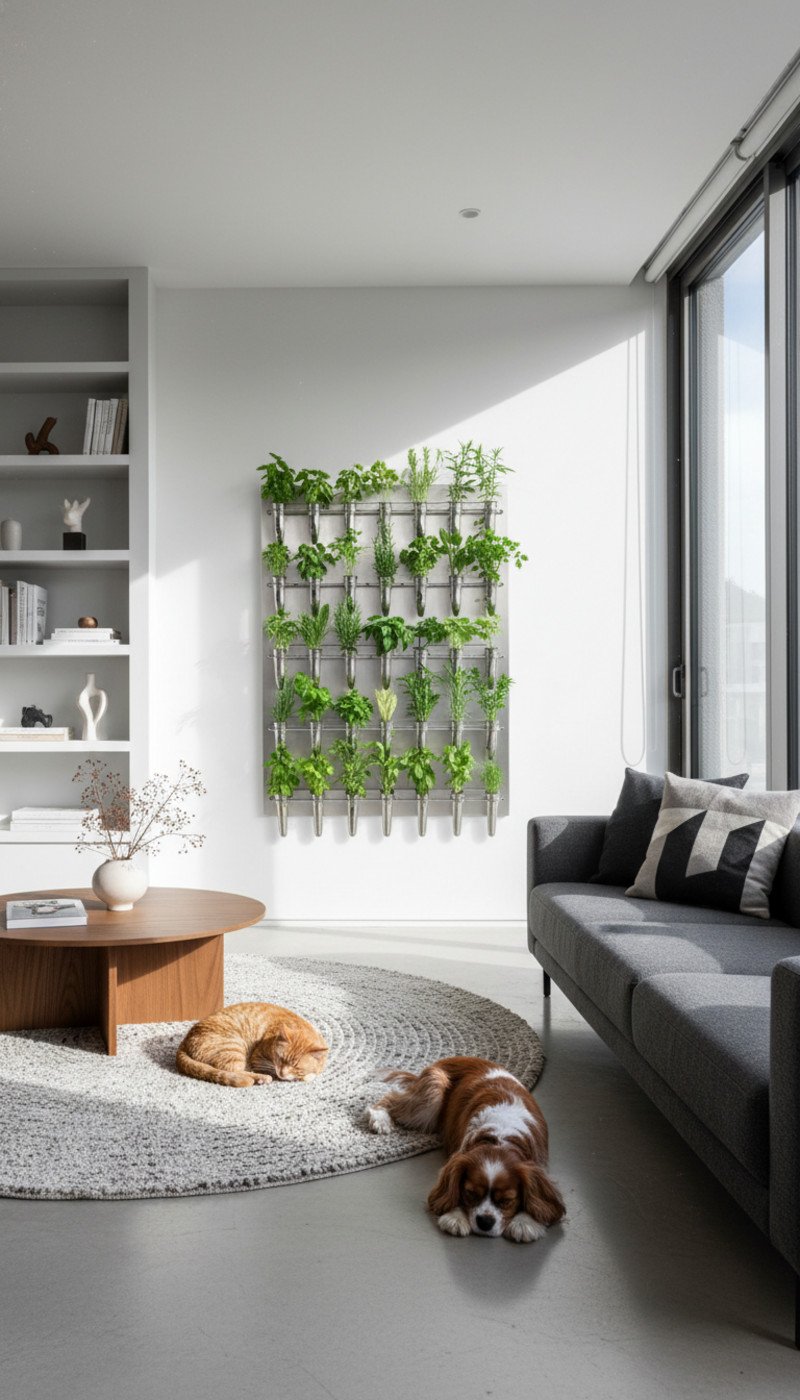
This emerging niche combines the convenience of modern indoor farming with the deep seated desire to enrich our pets’ lives. For cats, access to safe grasses like oat, wheat, or barley can aid digestion and prevent hairballs. For dogs, small amounts of certain herbs like parsley can freshen breath. More importantly, it provides crucial mental and sensory stimulation, satisfying a pet’s natural instinct to graze and explore. By creating a dedicated, safe space for this behavior, you can redirect their attention away from potentially toxic houseplants and provide a positive outlet for their energy.
What Makes a Vertical Garden Truly “Pet-Safe”? Addressing Key Design & Material Considerations
While the market is filled with vertical planters, very few are explicitly designed or tested for homes with pets. This lack of specific pet proofing data means the responsibility falls on you, the owner, to be vigilant. A “pet safe” label involves much more than just the plants you choose. It encompasses the entire system’s materials, structural integrity, and placement within your home. The core of a safe system is its construction. Look for non toxic wall planters made from materials like BPA free, food grade plastic, untreated cedar or pine, or stainless steel. Avoid planters with chemical sealants, lead based paints, or treated woods that could be harmful if chewed on.
Structural stability is non negotiable. A flimsy or improperly mounted garden can be easily knocked over by a curious cat or a boisterous dog, creating a mess and a potential hazard. Ensure the system you choose has a robust mounting mechanism appropriate for your wall type (drywall, plaster, brick). For heavier soil based systems, securing the unit to wall studs is essential. Placement is your final layer of defense. Install the garden at a height that is accessible for its intended purpose but out of reach of casual, unsupervised munching, especially if you are growing a mix of herbs. The goal is to create a controlled pet-safe edible wall, not an unregulated, all you can eat buffet. This approach aligns with the broader wellness trend driving residential adoption of smart gardens; consumers want products that contribute positively and safely to their home environment.
Choosing Your System: Hydroponic Cat Grass vs. Soil-Based Herb Walls
The technology behind indoor gardening has advanced significantly, with key players like AeroGarden and Click & Grow pushing innovations in lighting and self watering systems. When choosing a system for a pet friendly home, your main decision will be between hydroponic and soil based setups. Each has distinct advantages and disadvantages from a pet safety perspective.
Hydroponic systems, which grow plants in nutrient rich water instead of soil, are clean, efficient, and eliminate the risk of your pet digging and spilling dirt. An indoor hydroponic cat grass setup can produce lush greens quickly. However, the main drawback is the open water reservoir containing liquid plant nutrients. While often heavily diluted, you must ensure your pet cannot access and drink this water. Look for systems with securely covered reservoirs.
Soil based vertical gardens are more traditional and may be better for growing a wider variety of herbs with complex root systems. The soil itself is generally safe, provided you use an organic, additive free potting mix. The primary challenge here is pet interaction. Dogs and cats may be tempted to dig in the soil, creating messes and potentially uprooting plants. Some systems offer individual pods or coverings that can mitigate this issue. Ultimately, the best choice depends on your pet’s personality and your willingness to manage the potential downsides of each system.
| Feature | Hydroponic System | Soil-Based System |
|---|---|---|
| Primary Pro | Clean; no soil for pets to dig in. Fast growth cycle. | Supports a wider variety of plants. More forgiving for beginners. |
| Primary Con | Nutrient water reservoir must be inaccessible to pets. | Potential for pets to dig, creating messes and damaging plants. |
| Maintenance | Requires regular water changes and nutrient level monitoring. | Requires manual watering (unless self-watering) and potential soil replenishment. |
| Best For | Dedicated cat grass gardens; owners concerned about mess. | Growing diverse herbs; pets that are not prone to digging. |
Regardless of the system, hardware is a critical component, representing over 60% of the market’s revenue share. This underscores the importance of investing in a well built, durable unit. Consider how smart home voice control could integrate with advanced systems for easier management of lights and watering schedules.
Navigating Pet-Safe Herbs: What to Grow (and What to Avoid) for Feline & Canine Friends
Choosing the right plants is the most crucial step in creating your pet-safe edible wall. The indoor farming market is projected to hit USD 119.70 billion by 2033, meaning an enormous variety of herbs are available for cultivation. However, there is a significant lack of official, vet recommended plant lists specifically for pet enrichment gardens. Therefore, extreme diligence is required.
Safe Herbs to Consider
Always start with plants known to be safe for both cats and dogs. Your veterinarian is the best source of information for your specific pet. Generally recognized safe options include:
- “Cat Grass” (Wheat, Oat, Barley, Rye): Easy to grow and a favorite for felines, aiding in digestion.
- Parsley (Petroselinum crispum): Rich in vitamins and can help freshen a dog’s breath. Use in moderation.
- Basil (Ocimum basilicum): Known for its antioxidant properties and generally considered safe.
- Dill (Anethum graveolens): Can have a calming effect and is safe for both cats and dogs.
- Catnip (Nepeta cataria): A classic for feline enrichment, though not all cats react to it. Grow in a dedicated pot to prevent it from taking over.
Herbs and Plants to AVOID
Many common herbs and houseplants are toxic to pets. This is not an exhaustive list, and you must research every plant before introducing it into your home. Consult the ASPCA’s toxic plant list for a comprehensive resource. Key plants to avoid include:
- Chives, Garlic, Onions: All members of the Allium family are toxic, especially to cats.
- Oregano (Origanum vulgare): Can cause gastrointestinal upset in both cats and dogs.
- Mint (Mentha species): While some sources say it’s safe in tiny amounts, many varieties can cause vomiting and diarrhea. It’s best to avoid it.
- Aloe Vera: Toxic to both cats and dogs, causing vomiting and lethargy.
- Lavender (Lavandula angustifolia): Contains compounds that are toxic to cats and dogs when ingested.
When starting your garden, consider using regenerative soil kits to ensure your growing medium is organic and free from harmful chemicals or pesticides, adding another layer of safety.
Setup & Maintenance for a Thriving Pet-Friendly Vertical Garden
Proper setup and ongoing maintenance are key to the longevity of your plants and the safety of your Pet-Safe Vertical Herb Garden. Start by selecting a location that receives several hours of bright, indirect sunlight. If natural light is insufficient, you’ll need a system with integrated full spectrum LED lighting. As the North American market lead in smart gardens demonstrates, energy efficient LED lighting is a critical component for successful indoor growing.
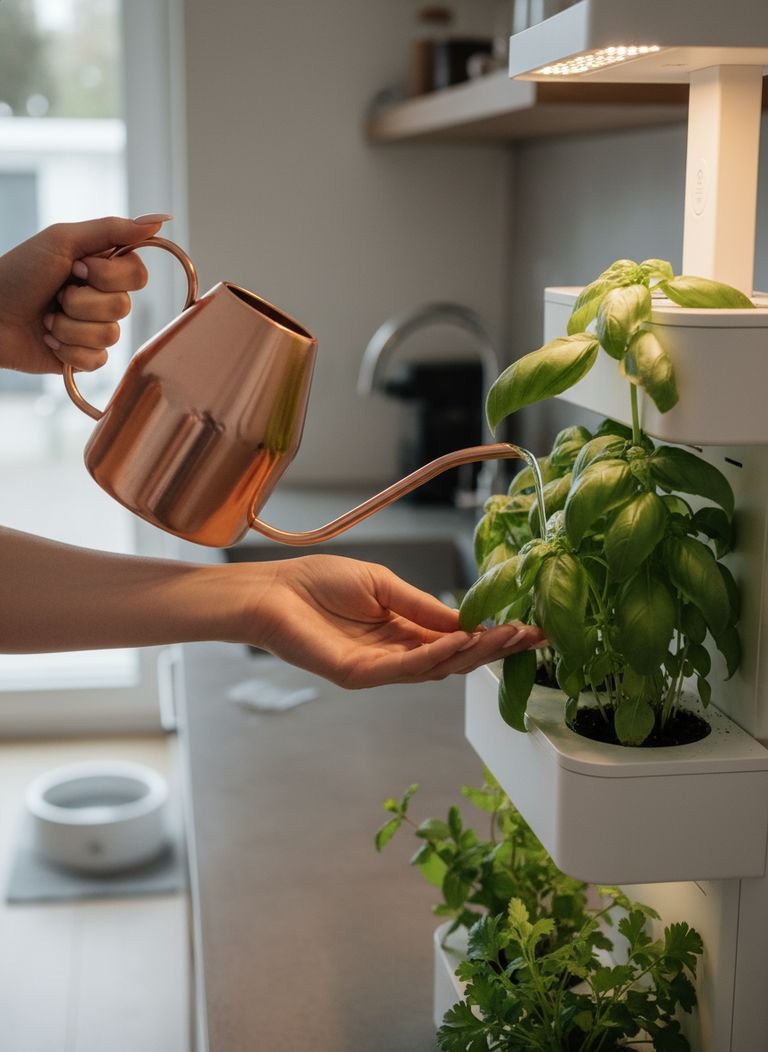
Watering needs will vary based on your system. Hydroponic setups require periodic reservoir refills with the correct nutrient balance. Soil based systems need regular watering, but be careful not to overwater, which can lead to root rot. Self watering planters can simplify this process significantly. A guide on automatic power free irrigation can offer ideas for low maintenance solutions.
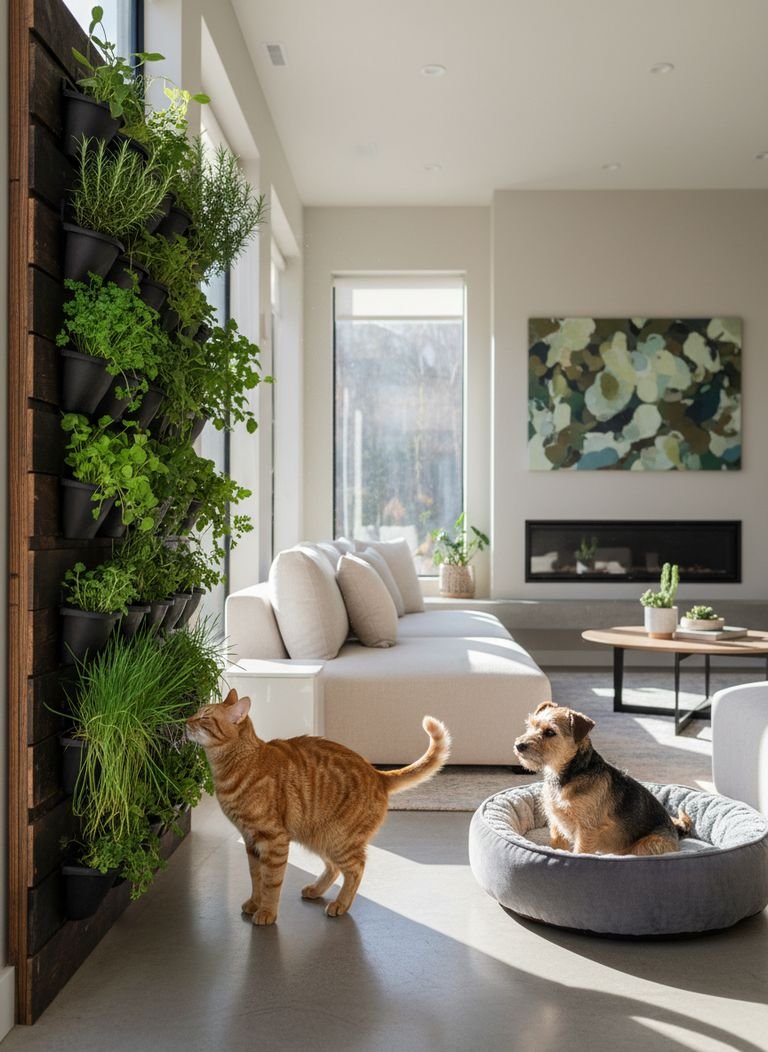
Prune your herbs regularly to encourage bushier growth and prevent them from becoming leggy. For cat grass, you can let your pet “prune” it for you, but monitor their consumption. Trim it with scissors if it gets too long or starts to yellow. Regularly inspect the entire unit for stability, ensuring all mounting hardware is secure. This proactive approach ensures your garden remains a safe, beautiful, and enriching feature in your home. Incorporating concepts from Barkitecture Design can help you integrate the garden seamlessly into a pet first home layout.
Conclusion: Your Next Steps to a Thriving Pet Garden
Building a vertical herb garden that is safe for your pets is an achievable and deeply rewarding endeavor. While the market for pet specific products is still catching up to consumer demand, a thoughtful approach focused on material safety, structural integrity, and careful plant selection can lead to great success. By understanding the differences between hydroponic and soil systems and committing to diligent research on pet safe herbs, you can create a vibrant, living wall that enhances your home’s aesthetic and provides your beloved companions with valuable enrichment. Ultimately, a successful Pet-Safe Vertical Herb Garden is an investment in your pet’s well being and your own connection to nature.
Ready to bring more green into your home? Explore our guides on pet enrichment tech and sustainable home design to create a healthier, happier space for your entire family.
Frequently Asked Questions
What is the best material for a pet-safe planter?
The best materials are non toxic and durable. Look for food grade, BPA free plastics, unsealed terracotta, stainless steel, or untreated solid wood like cedar. Avoid materials with chemical glazes, lead based paint, or pressure treated wood, which can be toxic if chewed.
How do I stop my cat from eating all the cat grass at once?
Portion control is key. Allow access to the garden for short, supervised periods each day. You can also grow multiple small batches of cat grass in rotation, bringing out a fresh one every few days while the others regrow. This prevents them from devouring the entire supply in one sitting.
Are the LED grow lights from a vertical garden harmful to my pet’s eyes?
Generally, no. The full spectrum LED lights used in indoor gardens are not harmful to pets’ eyes with indirect exposure. However, you should prevent your pet from staring directly into the high intensity lights for prolonged periods, just as you would with any bright light source. Most pets will naturally avoid this.
Which common herbs are most toxic to cats and dogs?
Many common kitchen herbs are toxic. The Allium family (onions, garlic, chives, leeks) is particularly dangerous for both cats and dogs. Others to avoid include oregano, marjoram, mint, and lavender. Always consult the ASPCA’s comprehensive toxic plant list and your veterinarian before planting.
Can I use regular potting soil if my pet is a digger?
Yes, but you will need to take precautions. Choose a system where the individual plant pods are difficult to access. You can also cover the exposed soil surface in each pod with a layer of larger, smooth river stones. The stones are too big to be a swallowing hazard and will physically block access to the soil, preventing digging.