

Microbiome Pet Testing is changing the way dog and cat owners tackle chronic digestive issues—but how much can you really trust at-home results versus traditional vet care? With a fast-growing market and huge demand, many pet parents wonder if these tests offer real answers or just clever marketing. Here’s what you absolutely need to know before you buy, plus proven ways to get real value (and avoid wasted money) for your pet’s gut health.
Key Takeaways
- The Microbiome Pet Testing market is booming, but key product-level details (like price, accuracy, and user feedback) are often missing or unclear.
- At-home tests can reveal gut bacteria trends but do NOT replace veterinary diagnostics—major reliability and allergen detection gaps remain.
- Smart buyers should ask for specifics about cost, turnaround, privacy, and evidence before buying—don’t rely only on marketing claims.
- Market adoption and growth: who’s buying microbiome pet tests and how fast the market is growing
- Who these tests are for — realistic use cases and buyer profiles
- What at-home microbiome tests can and cannot detect (accuracy vs. traditional diagnostics)
- Verified user pain points and complaints — what owners actually report
- Price, turnaround times, and sample requirements — what buyers should expect (and where data is missing)
- Personalized pet probiotics vs. generic OTC probiotics — composition and evidence
- How to interpret a microbiome report — practical steps and red flags
- Privacy, data usage, and legal/regulatory landscape for pet DNA/microbiome data
- What mainstream reviews and high-ranking articles are missing (three blind spots buyers need)
- Recommended research checklist for journalists and buyers (next-step verification)
- Bottom line: practical buying guidance and when to see your vet
- FAQs about Microbiome Pet Testing
Market adoption and growth: who’s buying microbiome pet tests and how fast the market is growing
Pet parents are increasingly turning to microbiome pet testing to answer digestive health questions for their dogs and cats. The trend is undeniable: according to market research, the global Pet Gut Microbiome Testing Market hit USD 1.76 billion in 2024, with projections as high as USD 5 billion by 2035 (9.9% CAGR). North America leads in both adoption and spending—USD 810 million in 2024—fueled by a massive pet population and rising health awareness. Yet, there’s little published on actual household adoption rates or what customers truly experience. What’s clear: interest is surging, and more companies are rolling out new dog and cat gut health kits every quarter.
Who these tests are for — realistic use cases and buyer profiles
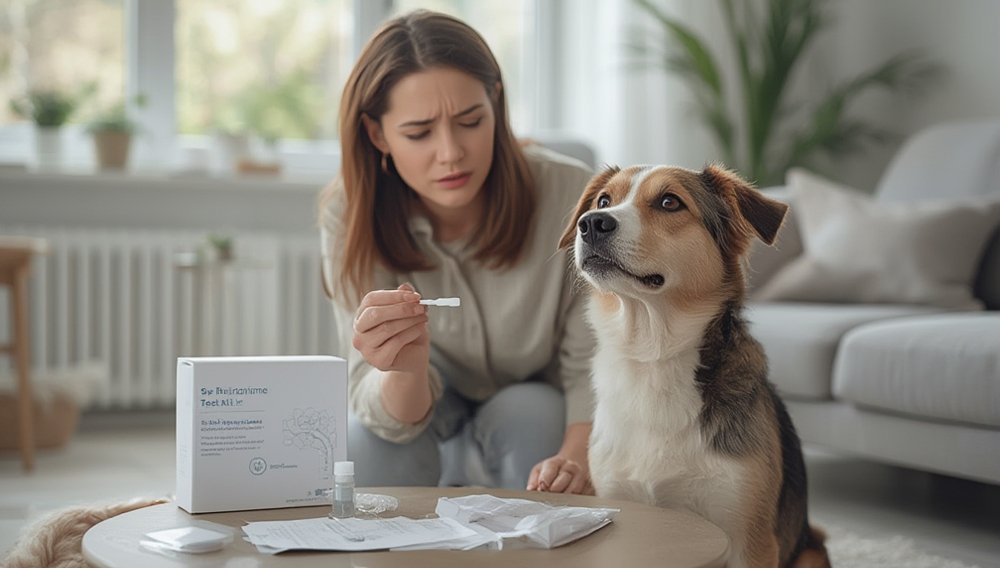
For owners like Emily who worry about chronic diarrhea, loose stools, food reactions, or simply want insight into their pet’s microbiome, at-home dog gut health kits offer a snapshot of what bacteria are present. These tests are most popular among:
- Pets with recurring digestive issues (diarrhea, constipation, soft or abnormal stools)
- Dogs and cats with suspected food sensitivities or unexplained GI symptoms
- Curious owners seeking to “optimize” their pet’s diet or explore targeted supplements
Market reports confirm that rising awareness of chronic digestive problems in pets is helping drive adoption. However, these kits best serve owners who’ve ruled out (or confirmed) major medical concerns with their vet first. If your pet has sudden weight loss, blood in stool, or severe symptoms, skip at-home kits and see your veterinarian.
What at-home microbiome tests can and cannot detect (accuracy vs. traditional diagnostics)
Most at-home kits rely on DNA sequencing—a segment of the market already worth USD 450 million in 2024—to profile the bacteria in your pet’s gut. Expect insights like:
- Microbial composition (which bacteria are present and in what amounts)
- Markers of “dysbiosis” (imbalance versus a healthy reference set)
- Broad-gut health indicators (sometimes tied to general recommendations: diet, lifestyle, probiotics)
However, there’s a catch: these tests cannot identify food allergens, pinpoint specific medical conditions, or replace physical exams, bloodwork, or imaging done in a vet clinic. While DNA sequencing implies analytic precision, available market research and aggregation reports do not quantify reliability compared to traditional veterinary diagnostics. Owners should view these reports as informational, not diagnostic.
Verified user pain points and complaints — what owners actually report
Unlike many at-home health products, there’s a striking absence of verified purchase reviews or user complaint data in major market research summaries. That means you won’t find reliable, sourced information on:
- Usability (difficulty collecting stool samples, unclear instructions)
- The clarity and utility of results and recommendations
- Overall owner satisfaction or regret
Any review claims on vendor sites or YouTube remain anecdotal. According to multiple reports, market trackers are focused on industry growth—not end user feedback—which creates a major knowledge gap for pet parents.
Price, turnaround times, and sample requirements — what buyers should expect (and where data is missing)
Thinking of buying a dog gut health kit or pet wellness solution? Here’s what’s not public as of 2024:
- No detailed price ranges for specific at-home microbiome kits (dog or cat)
- No average turnaround times or guaranteed response windows
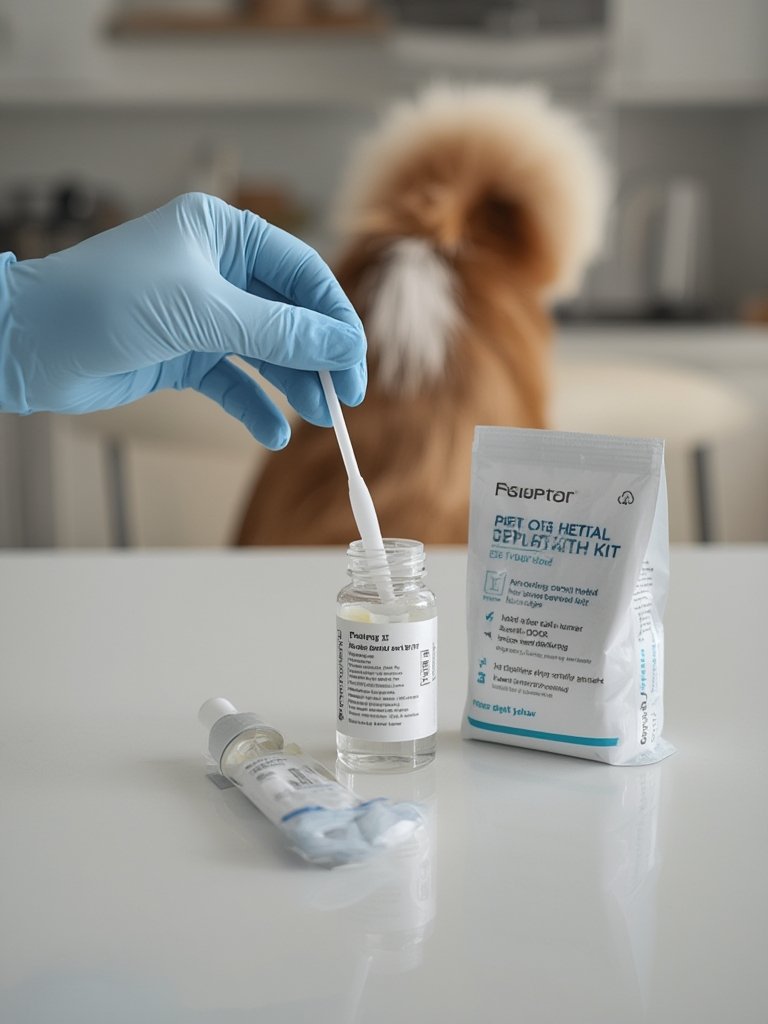
- No standardized sample collection (preservatives, shipping details, volume, or animal-specific protocols)
Most vendors provide only “contact us” or generic product descriptions. To avoid surprises, always ask:
- What’s the full all-in price (including shipping/returns)?
- What sample type, volume, and collection method is required for my species?
- Are special preservatives or same-day shipping needed?
- How long will it take for my results (best/worst case)?
- Is there a money-back or satisfaction guarantee?
- What happens if the sample is unusable or lost?
Until brands offer this info transparently, buyers should proceed cautiously—and be ready for extra communication or delays.
Personalized pet probiotics vs. generic OTC probiotics — composition and evidence
The global pet probiotics market reached USD 4.4 billion in 2023 and should hit USD 7.1 billion by 2031, with product innovation booming. Microbiome pet testing companies increasingly sell personalized pet probiotics based on reported gut bacteria imbalances. Recent launches include O.T.I.S. Wild Things (Nov 2024) and Bimuno Pet prebiotic (Oct 2024), both aiming to “target” specific microbiome trends. Still, according to probiotics research, there are no documented, head-to-head comparisons showing test-based vs. generic multi-strain probiotics are superior for dogs or cats.
Why the interest? Many pet owners want more than one-size-fits-all. But until companies publish full strain lists and clinical results for their personalized products, scientific backing for “tailored” probiotics remains thin.
How to interpret a microbiome report — practical steps and red flags
Here’s how to read and use a typical microbiome pet testing report:
- Alpha and beta diversity scores: Higher diversity often means a healthier gut, but low diversity isn’t always a cause for panic.
- Dominant taxa and dysbiosis scores: Reports highlight which bacteria dominate and whether the community is “balanced” or “imbalanced.”
- Action items: Recommendations commonly include dietary tips, environmental advice, and sometimes probiotic choices.
But here’s the reality: sequencing-based test results don’t always predict real disease risk or explain symptoms. Importantly, any red flag—persistent diarrhea, visible blood, severe lethargy, or rapid worsening—means immediate vet care. Use the report as a tool for discussion, not a replacement for diagnostics.
Privacy, data usage, and legal/regulatory landscape for pet DNA/microbiome data
Your pet’s DNA or gut bacteria profile may seem low-risk, but data privacy and ownership remain gray areas. As of early 2024, no market reports cite clear regulatory frameworks, public policies, or any breaches for pet bacterial/DNA data collected by at-home kits. That means every buyer should:
- Read vendor privacy terms carefully: Who owns the data? Can it be sold or used for research?
- Request info on data storage and sharing—especially if you care about anonymity or third-party access.
- Assume pet data is less protected than human health info, unless stated otherwise.
If a company offers no written privacy policy for at-home pet stool test kits, consider it a red flag worth reconsidering.
What mainstream reviews and high-ranking articles are missing (three blind spots buyers need)
Even the best-ranked pet advice sites often miss these mission-critical points:
| What’s Missing? | Why It Matters |
|---|---|
| Verified user complaints (real reviews, usability, clarity of results) | Without buyer feedback, there’s no way to gauge satisfaction or recurring issues. |
| Kit-specific specs (price, turnaround, sample/documentation) | Transparency on cost, logistics, and animal requirements prevents disappointment and wasted money. |
| Clinical reliability vs. vet diagnostics, especially for allergen detection | Critical for owners trying to diagnose vs. simply monitoring general gut trends. |
For additional buying and diagnostic pitfalls, cross-reference your findings with peer-reviewed veterinary guidance or ask your vet directly. This step is as crucial as comparing product specs for a home improvement project, not just relying on company marketing.
Recommended research checklist for journalists and buyers (next-step verification)
If you’re an owner or journalist who wants full confidence before choosing a Feline microbiome analysis or personalized pet probiotics plan, take these steps:
- Dig up 10–20 verified purchase reviews per top vendor (Amazon, Chewy, direct websites).
- Access each product page to confirm price, expected turnaround, and sample instructions—don’t rely on summaries.
- Request proof of analytic accuracy or clinical validation documents from vendors if not listed.
- Consult your own veterinarian or locate at least one peer-reviewed study for clinical insight.
Remember: Market reports cover only aggregate growth, not consumer experience or specific product features. Be as thorough as you would when planning a major remodel or selecting health services for your family.
Bottom line: practical buying guidance and when to see your vet
Microbiome Pet Testing is an exploding industry because owners want solutions for common digestive problems in pets, especially when chronic diarrhea or sensitivities persist. At-home sequencing kits can reveal useful clues about microbial balance, but do NOT provide definitive answers about allergies or underlying disease. Expect missing info around price, sample handling, and privacy unless you ask directly. When in doubt—or if your pet shows serious symptoms—always go to your see your veterinarian first.
Ready to explore a dog gut health kit or new supplement? Investigate vendor claims, demand specifics, and consult your vet before trusting any at-home result. It’s your best bet for clarity—and a healthier pet.
For more pet wellness buying tips, see the guide to upcycled pet bedding and consider smart pet enrichment tools to support total well-being.
FAQs about Microbiome Pet Testing
Can a dog gut health kit diagnose my pet’s food allergies?
No. These kits cannot detect specific allergens. Only a veterinarian can perform medical-grade allergy diagnostics.
How long do microbiome pet testing results take?
Vendors rarely publish turnaround times. Ask for an exact timeline before you buy. Expect at least 1–3 weeks once your sample is received.
Are at-home pet stool tests reliable?
They offer insight into gut bacteria but are not substitutes for clinical exams or diagnostics. Reliability versus standard vet tests is not quantified in public research.
Should I change my pet’s diet based on a microbiome report?
Discuss any significant diet change with your veterinarian first—even if the report provides recommendations.
Is my pet’s DNA data protected when I use at-home microbiome tests?
There are no published industry standards or reported breaches. Always check the vendor’s privacy policy and ask who owns and can use your pet’s data.