
The concept of a Lemonading Garden is about creating a resilient, beautiful outdoor space that thrives in challenging conditions with minimal effort. Instead of fighting against nature, you design a garden that works with it, turning the “lemons” of harsh sun, poor soil, or drought into the lemonade of an enduring, low maintenance landscape. This guide provides a realistic, data backed framework for achieving that goal, focusing on the critical setup and long term strategies often overlooked.
Key Takeaways
- A “Lemonading Garden” prioritizes smart initial design and soil preparation over a simple plant list to achieve true, long term, low maintenance results.
- The trend toward drought hardy landscaping is booming, but consumer success is often hindered by myths about watering needs and significant bottlenecks in sourcing the right plants.
- True “zero work” is only possible after a crucial establishment period where new plants require consistent watering to develop deep, resilient root systems.
- Welcome to Your “Lemonading Garden”: Beauty That Thrives (Without the Fuss)
- The Green Revolution: Why Drought-Hardy and Low-Maintenance is the Future of Gardening
- Your “Effortless” Plant Palette: Top Performers for a Truly Resilient Collection
- Beyond the Plant List: The Overlooked Keys to Achieving True “Zero Work” Results
- Busting the Myths: What “Drought-Hardy” Really Means for Your Garden
- The Unsung Hero: Why Smart Soil Prep is Non-Negotiable for Longevity
- Cultivating Your “Lemonading Garden”: A Realistic Path to Enduring Beauty
- Frequently Asked Questions About Building a Lemonading Garden
Welcome to Your “Lemonading Garden”: Beauty That Thrives (Without the Fuss)
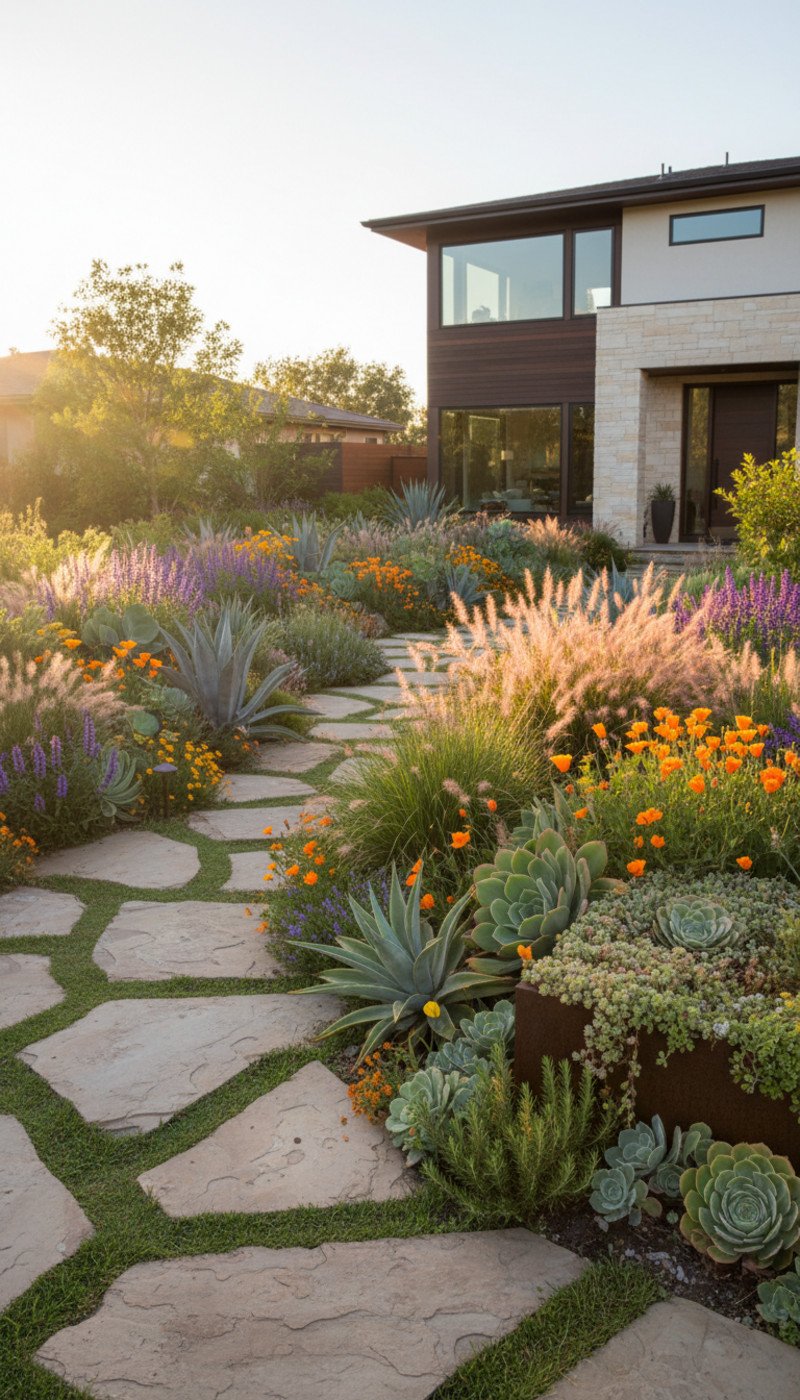
Imagine a garden that looks stunning year round, requires almost no watering after its first season, and actively supports local pollinators, all without demanding your constant attention. This is the promise of a Lemonading Garden. It’s not a magical, no effort solution from day one; it’s a strategic approach to landscape design that front loads the work. By making smart, informed decisions about plants, soil, and layout initially, you create a self sustaining ecosystem that thrives, even when faced with extreme heat or water restrictions. The goal is to build a beautiful, resilient space filled with effortless low-maintenance plants, moving away from thirsty lawns and delicate annuals toward a more sustainable and enjoyable model of gardening.
The Green Revolution: Why Drought-Hardy and Low-Maintenance is the Future of Gardening
The shift toward resilient landscaping is not just a niche trend; it’s a massive market movement driven by climate change and a desire for more sustainable, less demanding lifestyles. Homeowners are increasingly seeking landscapes that conserve water, reduce the need for chemical inputs, and save time. This demand is reflected in significant market growth. The global landscaping services market, with a strong focus on climate resilient designs, is projected to surge from USD 668.97 billion in 2025 to an astounding USD 1,123.53 billion by 2030, growing at a compound annual rate of 10.9%. This isn’t just about saving on water bills; it’s about investing in a future proof property. For a deeper look into the broader industry, our complete guide to landscaping services and backyard ideas provides valuable context.
In the United States alone, the landscaping market is forecast to expand from USD 196.16 billion in 2026 to USD 255.74 billion by 2031, with drought tolerant landscapes and water efficient plantings cited as key drivers. This data confirms what savvy gardeners already know: choosing drought-hardy shrubs and building a resilient perennial collection is not just an aesthetic choice but a smart, long term financial and environmental decision.
Your “Effortless” Plant Palette: Top Performers for a Truly Resilient Collection
While design and soil are critical, choosing the right plants is the fun part. The market shows clear winners that homeowners are embracing for their beauty and resilience. Instead of a generic list, focus on these high performing categories that are seeing the highest sales volume increases.
According to 2026 landscape trend reports, the most popular categories include:
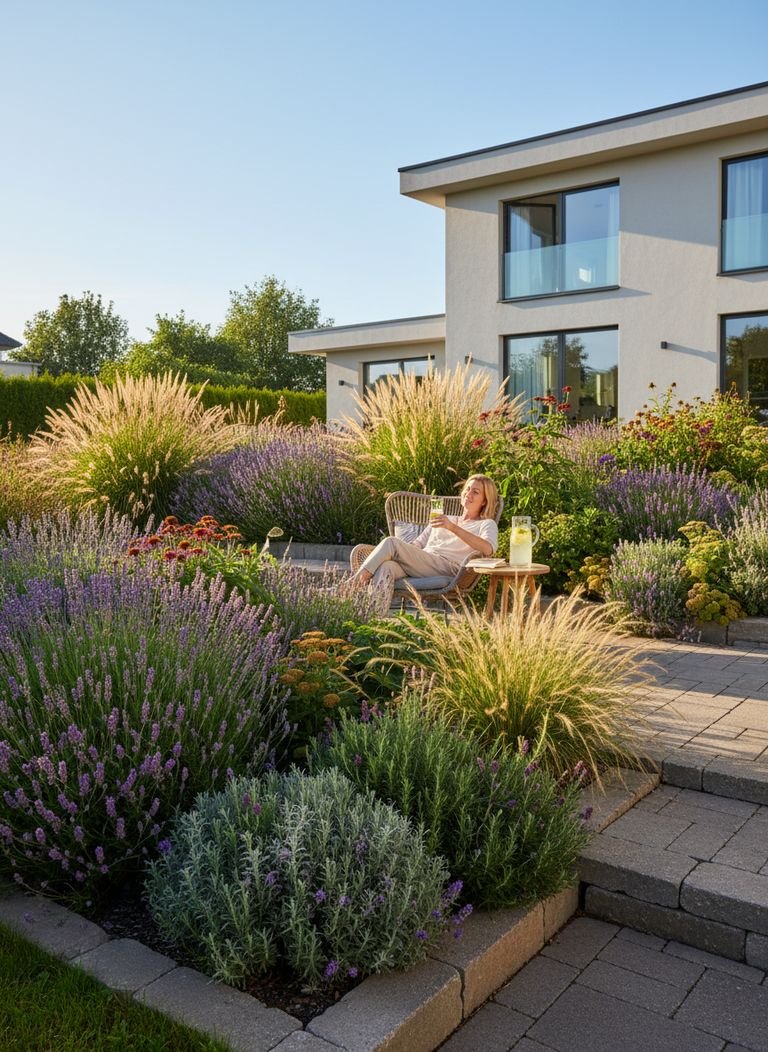
- Ornamental Grasses: Plants like Little Bluestem and Prairie Dropseed are celebrated for their texture, movement, and incredible toughness. They provide year round visual interest and, as a bonus, many can handle tough clay soils combined with summer heat.
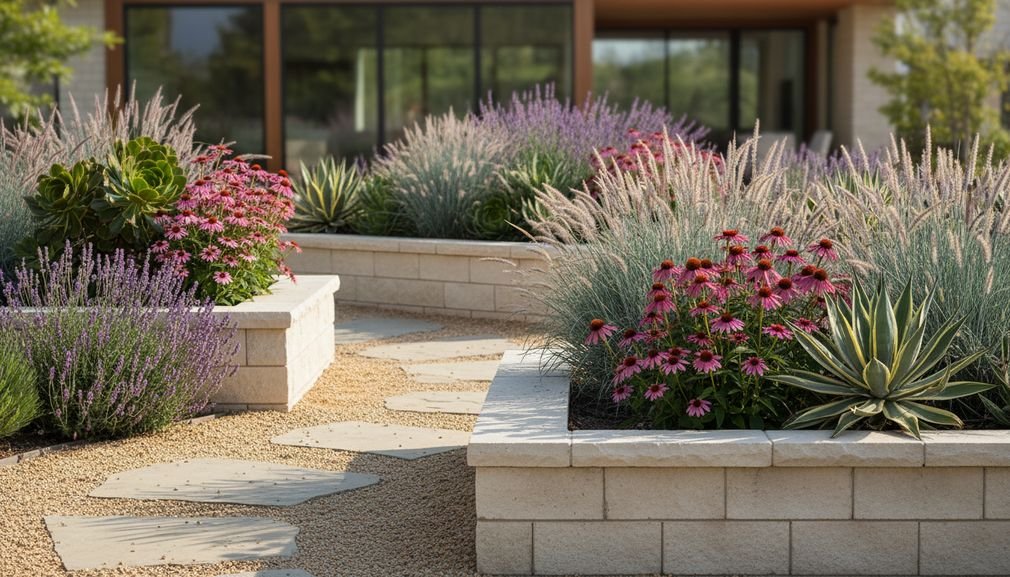
- Pollinator Perennials: A resilient perennial collection isn’t complete without powerhouses like Coneflowers (Echinacea) and Black-Eyed Susans (Rudbeckia). They provide vibrant color, attract beneficial insects, and return year after year with minimal fuss. These are a core component of creating high-impact native plant biodiversity in your yard.
- California Native and Mediterranean Shrubs: For dry, hot climates, these are the gold standard. California natives like Ceanothus and manzanita, along with Mediterranean drought-hardy shrubs such as lavender, rosemary, and sage, offer evergreen structure, fragrant foliage, and near-zero water needs once established.
Beyond the Plant List: The Overlooked Keys to Achieving True “Zero Work” Results
Many “easy garden” guides fail their readers by glossing over the most critical, and often challenging, aspects of creating a resilient landscape. Achieving a truly effortless garden requires acknowledging and planning for these realities from the start.
One of the biggest unaddressed bottlenecks is sourcing the right plants. While demand for drought resistant and native flora is surging, the supply chain hasn’t kept up. Industry analysis reveals that despite high demand, only about 42% of sellers focus on native plants. This can lead to frustration, long waits, or settling for less-than-ideal alternatives. It’s crucial to plan your sourcing early, contact specialty native plant nurseries, and be flexible with your final selections.
Another often omitted factor is the need for modern infrastructure. A truly water wise garden pairs drought tolerant plants with smart irrigation. Retrofitting an old sprinkler system to a drip irrigation network with smart controllers ensures water is delivered efficiently to the plant’s roots only when needed, which is vital during the establishment phase. While this is an upfront cost, it’s a key component for long term success and automation, making it a cornerstone of many pragmatic gardening kits. This kind of planning is similar to what’s needed for other specialized outdoor projects, like a fire-smart landscaping design.
Busting the Myths: What “Drought-Hardy” Really Means for Your Garden
Here is the most persistent and damaging myth in low maintenance gardening: that “drought hardy” means “no water from day one.” This misconception leads to more plant failure than any other factor. Every new plant, regardless of its ultimate resilience, needs a crucial “establishment period” to survive and thrive. This period, which can last from one to two years, requires consistent and deep watering to encourage the plant to grow a robust root system far into the ground. These deep roots are what will allow it to access moisture deep in the soil during future droughts.
Ignoring this initial phase is a recipe for disappointment. The “zero work” benefit of a resilient perennial collection and drought-hardy shrubs is the long term reward for the initial investment of care. Market trends emphasize this need for establishment watering, implying a widespread misunderstanding of the term. Think of the first year as a training period for your plants, preparing them for a lifetime of self sufficiency.
The Unsung Hero: Why Smart Soil Prep is Non-Negotiable for Longevity
You can choose the toughest plants in the world, but if you put them in soil that can’t support them, they will fail. The foundation of any successful Lemonading Garden is the soil. For most drought tolerant plants, the single most important soil characteristic is good drainage. These plants have evolved to survive in conditions where their roots are not sitting in water. Soggy, compacted soil will lead to root rot, even for the most resilient species.
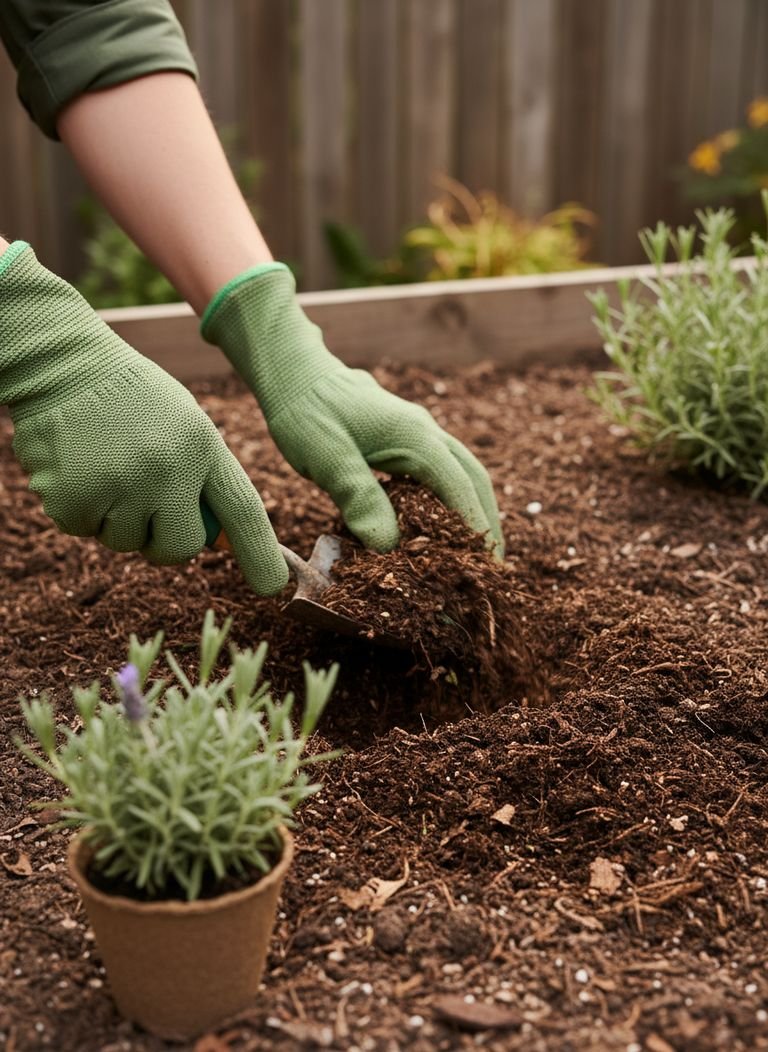
Before planting, it’s essential to amend your soil. For heavy clay soils, incorporating organic matter like compost or pine bark fines can improve its structure and allow water to drain more freely. For sandy soils, compost adds much needed nutrients and helps retain a bit more moisture. The goal is to create a balanced medium that holds just enough water for the roots to access but lets the excess drain away. As industry reports note, some plants like ornamental grasses are surprisingly adaptable to clay, but even they benefit from initial soil preparation. Proper soil prep is a one time task that pays dividends for the entire life of your garden, making it an essential first step in any backyard design project.
Cultivating Your “Lemonading Garden”: A Realistic Path to Enduring Beauty
Creating a truly low maintenance, beautiful, and sustainable garden is entirely achievable. The key is to shift your focus from simply buying plants to building a resilient system. This means embracing the initial work of thoughtful planning, careful plant sourcing, and thorough soil preparation. Understand that the “effortless” part of your garden comes after a critical establishment period where you provide the water and care your new plants need to build a strong foundation. This approach is the core of successful pragmatic gardening kits and sustainable landscape design.
By investing time and resources upfront, you are setting the stage for years of enjoyment with minimal intervention. Market trends confirm that well designed, drought tolerant landscapes have near zero irrigation needs after establishment, underscoring the immense long term benefit of this initial work. You can create a beautiful, thriving outdoor space that saves water, time, and money, proving that the perfect Lemonading Garden is a reward for smart, patient planning.
Ready to start your next home project? Explore our guides on kitchen and bathroom remodel costs or other home improvements to enhance your living space inside and out.
Frequently Asked Questions About Building a Lemonading Garden
What exactly is a “Lemonading Garden”?
A “Lemonading Garden” is a landscaping philosophy focused on creating a beautiful, resilient, and low maintenance garden that thrives in challenging conditions like drought, intense sun, or poor soil. The name comes from the idea of “making lemonade out of lemons” by selecting plants and using design strategies that work with the environment instead of fighting against it.
How long is the “establishment period” for drought-hardy plants?
The establishment period typically lasts from one to two years, depending on the plant species and climate. During this time, new plants require regular, deep watering to encourage their roots to grow deep into the soil. This initial care is crucial for their long term survival and ability to withstand future drought conditions with little to no supplemental water.
Can I plant a Lemonading Garden in clay soil?
Yes, but soil preparation is critical. Many drought tolerant plants, especially ornamental grasses like Little Bluestem, can adapt to clay. However, you must improve the soil’s drainage first. Amending heavy clay with organic matter like compost or pine bark fines helps break it up, creating air pockets and allowing excess water to drain away from the plant’s roots, which prevents root rot.
Is a Lemonading Garden truly “zero work”?
It is more accurately described as “low work” or “minimal work.” After the initial 1-2 year establishment period, a well designed Lemonading Garden requires very little maintenance. This may include an annual cutback of perennials and grasses, occasional weeding, and minimal to no watering. The “zero work” ideal is the long term goal achieved through smart upfront investment of labor and planning.
Where is the best place to buy plants for a resilient garden?
The best sources are local nurseries that specialize in native plants or plants adapted to your specific region. They can offer expert advice and provide healthy plants that are already acclimated to your local conditions. Avoid big box stores if possible, as their plant stock may not be suited for your area and sourcing information can be limited.