

### Blog Post:
Keystone Plantings are the single most effective way for suburban conservation gardeners to boost local biodiversity in their own yards—if you choose the right species for your region and avoid some common traps.
Key Takeaways
- Prioritizing true keystone plantings—regionally specific trees, shrubs, and perennials—grows the most caterpillars and supports birds and pollinators better than generic native “mixes.”
- Quality sources, proper plant identification, and attention to ecoregion are critical; most retail “native kits” lack sufficient woody keystones.
- Expect visible results in 1–3 years, but don’t expect exact wildlife percentages—current research only provides host counts and best-practice guidance, not precise before-and-after statistics.
- What “Keystone Plantings” Mean for Your Yard
- How to Choose and Implement Keystone Plantings (Step-by-Step Guide)
- Advanced Analysis & Common Pitfalls With Keystone Plantings
- Conclusion & Immediate Next Steps
- FAQ
What “Keystone Plantings” Mean for Your Yard
Most “native plant” advice is far too generic to deliver serious conservation impact. Keystone Plantings are those specific species proven to disproportionately support caterpillars (Lepidoptera), birds, and specialist pollinators within a particular ecoregion. Dr. Doug Tallamy’s research shows:
- Oaks (Quercus spp.): up to 534 Lepidoptera species
- Cherries (Prunus spp.): ~456 species
- Willows (Salix spp.): ~456 species
These “pollinator keystone species” outpace other natives in their role as the foundation for wildlife food webs. While generic native plant lists are well intentioned, they often overlook these heavy hitters or fail to account for regional variation. The National Wildlife Federation recommends using 50–70% native plants—with a focus on proven keystone species—for maximum wildlife benefit.
How to Choose and Implement Keystone Plantings (Step-by-Step Guide)
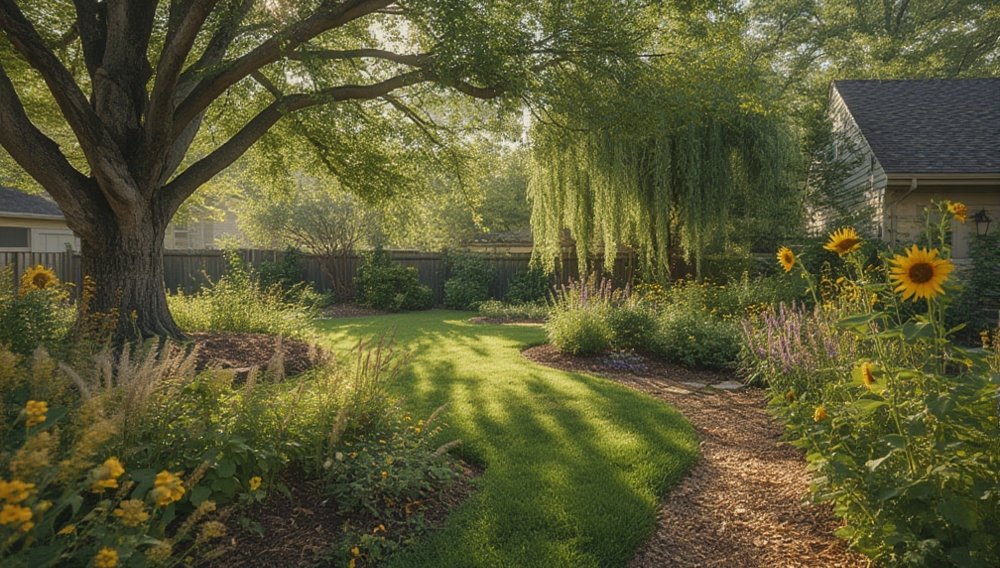
Here’s a concise process for any practical conservation gardener who wants to maximize results—and minimize regret—when creating a biodiverse yard.
1. Identify your EPA Level II ecoregion
- Use the Homegrown National Park keystone tool or the NWF’s ecoregion maps to pinpoint your location.
2. Shortlist regional woody keystones (priority 1)
Pick native woody species (oaks, cherries, willows, hackberries) that are confirmed to host the highest Lepidoptera numbers for your zone.
- Mid-Atlantic/Northeast: Quercus alba, Q. rubra, Q. prinoides, Prunus serotina, Salix nigra
- Southeast/Florida: Quercus virginiana, Celtis occidentalis, Prunus caroliniana
- Midwest/Central: Quercus macrocarpa, Prunus americana, Salix discolor
- West/Pacific: Fragaria virginiana, Aquilegia canadensis, Dasiphora fruticosa
Always check your ecoregion for confirmation before purchasing.
3. Add regionally appropriate herbaceous companions (priority 2)
- Mid-Atlantic: Solidago (goldenrods, 115 spp.), Symphyotrichum/Eurybia (asters, 112 spp.), Helianthus (sunflowers, 73 spp.)
- Other Regions: Mix in Eupatorium (bonesets), Asteraceae, sedges, lupines, violets, geraniums, Rudbeckia.
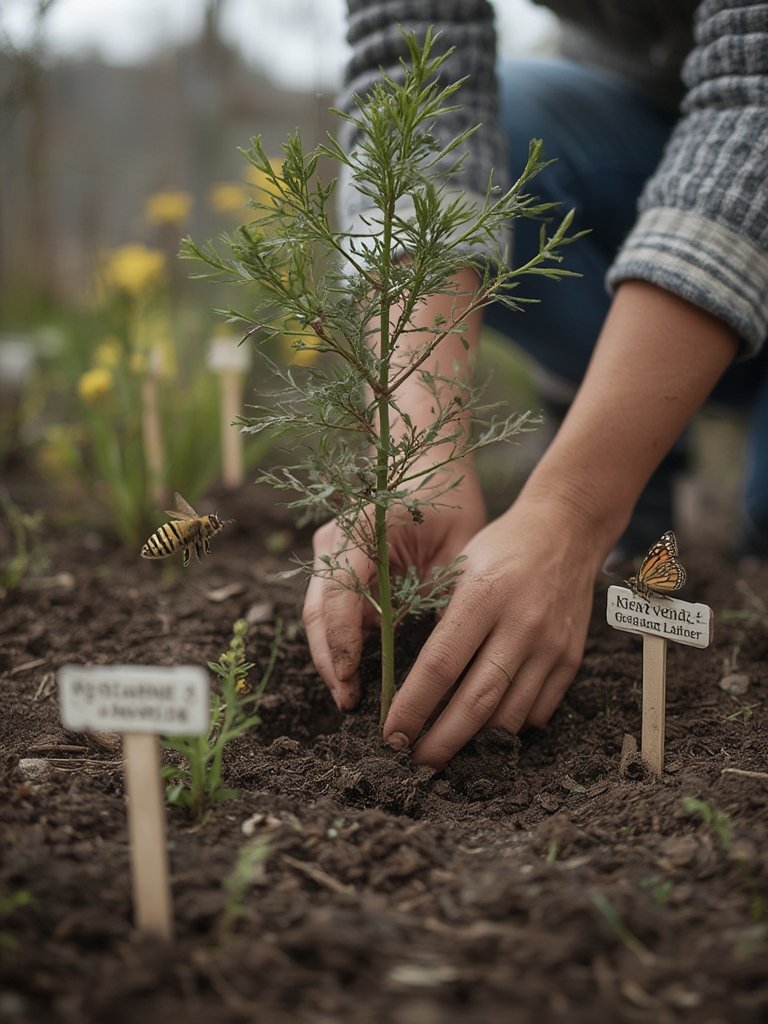
4. Vet your plant sources carefully
- Favor regional native plant sales, reputable local nurseries, or certified partners listed by your extension service rather than big-box garden centers.
- Cross-check species with regional guides like Plant NoVA Natives to prevent costly mislabeling mistakes.
5. Mix by percent native and plant size for success
- Target a minimum 50–70% native composition by area (NWF guidance).
- For the best ecological “jump start,” prioritize establishing at least 3 large (5–7 gallon) woody keystones per 1/8 acre lot, then infill with 6+ regionally important perennials.
6. Anticipate a realistic timeline
- Woody keystones may need 1–3 years to become caterpillar-supporting “engine rooms.” Perennials can attract pollinators the first season, but full bird and butterfly benefits usually increase as trees and shrubs mature.
7. Monitor and adapt
- Keep simple logs of pollinator visits, caterpillars, and bird sightings—track trends annually but don’t expect overnight miracles.
For more landscape and implementation ideas, check out our Complete Guide to Landscaping Services and Backyard Ideas Made Easy.
Advanced Analysis & Common Pitfalls With Keystone Plantings
Even experienced conservation gardeners encounter several persistent issues with keystone plantings:
Common Sourcing and Identification Problems
- Mislabeling and Lookalikes: Goldenrods (Solidago) are frequently mistaken for ragweed, leading to poor choices.
- Nursury shortages: Most commercial “native” kits under-represent vital woody keystones—oaks and cherries are often swapped for easier-to-grow, but less impactful, species.
- Regional mismatch: Buying “native” perennials from out-of-ecoregion nurseries leads to reduced wildlife benefit and lower survival rates.
Effectiveness and Pricing Gaps: Biodiversity Garden Kits
| Kit Type | Includes Woody Keystones? | Region-Specific? | Pricing (2024) | Proven Effectiveness Data? |
|---|---|---|---|---|
| Typical “Native” Kit (Retail) | No (usually herbaceous only) | Rarely | Not specified | No published studies |
| Biodiversity “Keystone” Kit (Pilot/Custom) | Sometimes (ask for oaks, cherries, etc.) | If sourced locally | Unknown—not published | No peer-reviewed metrics |
In short, most pre-made kits are insufficiently documented, often miss woody keystones, and rarely disclose species sources or ecoregion match. Ask for full plant lists, provenance, and percent native coverage before you buy. For related ecological garden kit strategies, see our Regenerative Soil Kits buyer’s guide.
Additional pitfalls:
- Lack of HOA or municipal guidance: Research found no published case studies, so always check your local ordinances and consider landscape plans that emphasize neatness and structure if facing skeptical neighbors or HOA panels.
- Short-term over-optimism: No studies yet confirm precise increments in pollinator, caterpillar, or bird numbers within 1–3 years. Expect gradual, visible progress as woody plants mature.
Want to diversify garden functionality as you build habitat? Pair keystone beds with outdoor lounge areas or low-water rain gardens from our Flood-Proof Landscaping Guide.
Printable Buyer’s Checklist: True Keystone Plantings & Kits
- Ecoregion-matched species list from Homegrown National Park or NWF
- At least one woody keystone: Quercus, Prunus, Salix, Celtis (ask nursery for origin and mature size)
- Herbaceous high-impact partners: Solidago, asters, Helianthus, Eupatorium, local sedges
- Documented plant provenance (state/region-grown preferred)
- Clear percent native makeup (target 50–70%)
- Supplier/nursery reputation and references
- Voucher photos or ID confirmation on major purchases
- Consider local extension or native plant society sales first for best variety and accuracy
Learn more about how to assess vendors in our guide to choosing a home improvement store.
Conclusion & Immediate Next Steps
Getting the most ecological bang for your buck starts with selecting the right Keystone Plantings for your region. Focus on woody keystone trees and shrubs, fill gaps with high-impact perennials, work with regionally vetted suppliers, and check every plant’s true ID. While science hasn’t caught up with precise “before and after” wildlife numbers, host counts show you’re stacking the deck for caterpillars, birds, and pollinators nationwide.
Ready to retrofit your yard for real conservation? Start by identifying your ecoregion and securing at least three local woody keystones. For even more practical home and landscape upgrades, see our Ultimate Complete Guide to Kitchen and Bathroom Remodel Costs and Planning.
FAQ
What makes a plant a “keystone planting” and not just any native?
A keystone planting is a native species that disproportionately supports local wildlife (especially caterpillars and specialist pollinators). Examples: oaks and willows, hosting hundreds of Lepidoptera species, far exceed most generic natives.
How do I find out which keystone species are best for my yard?
Use tools like the Homegrown National Park keystone plant search and your state extension’s recommendations, filtering by your EPA Level II ecoregion.
Is there a shortcut for sourcing true keystone plantings locally?
Check native plant society or extension-organized sales first, ask for species verification, and bring sample pictures or clippings for ID comparison—this helps avoid mislabeled or lookalike species.
Can I expect visible results in the first year?
Some pollinators will benefit from herbaceous perennials right away. However, most bird- and caterpillar-related gains will become noticeable as woody keystones mature, typically within 1–3 years depending on species and yard conditions.
Are pre-made biodiversity garden kits worth it?
Most off-the-shelf kits lack woody keystone species and don’t always match your ecoregion. For best impact, use custom or locally verified kits and always ask for a full species and provenance list before purchase.