
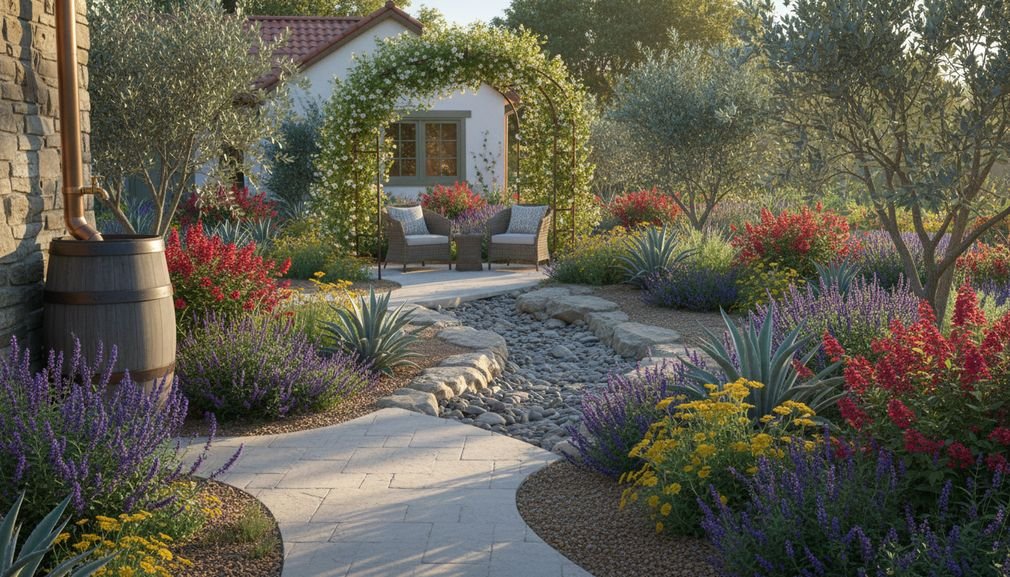
Creating a Lemonading Garden is about transforming the sour realities of climate change into a sweet, thriving, and beautiful landscape. Instead of battling against unpredictable weather, this philosophy empowers you to work with nature, building a garden that is not only resilient but also a source of profound joy and connection.
Key Takeaways
- The “Lemonading Garden” is a mindset focused on joyful resilience, turning climate challenges like drought and extreme weather into opportunities for a more sustainable, beautiful, and low-maintenance garden.
- Efficient irrigation is the cornerstone of a resilient garden. Data shows that irrigation upgrades are responsible for approximately two-thirds of water savings in landscape conversions, often more than plant choice alone.
- A phased, strategic approach is key. You can transform your garden over time by prioritizing irrigation system modernization, building soil health, and gradually replacing high-need plants with climate-adaptive alternatives.
- The Lemonading Garden: Cultivating Joyful Resilience in a Changing Climate
- Beyond Frustration: Addressing the Real Pain Points of Climate-Variable Gardening
- Squeeze More from Less: Proven Water Savings and Reduced Maintenance
- Smart Foundations: The Indispensable Role of Efficient Irrigation
- Phased Transformation: Actionable Steps for Transitioning Your Existing Garden
- Investing Wisely: Budgeting for Your Resilience-Focused Garden
- Squeezing the Day: The Deeper Well-being Benefits of a Resilient Mindset
- Conclusion: Your Journey to a Joyful, Resilient Garden
- Frequently Asked Questions About Creating a Lemonading Garden
The Lemonading Garden: Cultivating Joyful Resilience in a Changing Climate
The Lemonading Garden is more than just a collection of drought-tolerant plants; it’s a philosophy. It’s about shifting your perspective from one of loss and struggle to one of creative adaptation and joyful resilience. When a heatwave wilts your favorite flowers, instead of despairing, you see an opportunity to discover a tougher, equally beautiful native species. When water restrictions tighten, you find satisfaction in designing a system that captures every precious drop. This proactive mindset transforms gardening from a chore into an engaging, problem-solving partnership with your environment. It directly counters the anxiety many feel, focusing on what you can control to build a landscape that thrives. Acknowledging that outdoor irrigation can account for up to 65% of residential water use highlights the massive potential for positive impact, turning a point of stress into a source of pride.
Beyond Frustration: Addressing the Real Pain Points of Climate-Variable Gardening
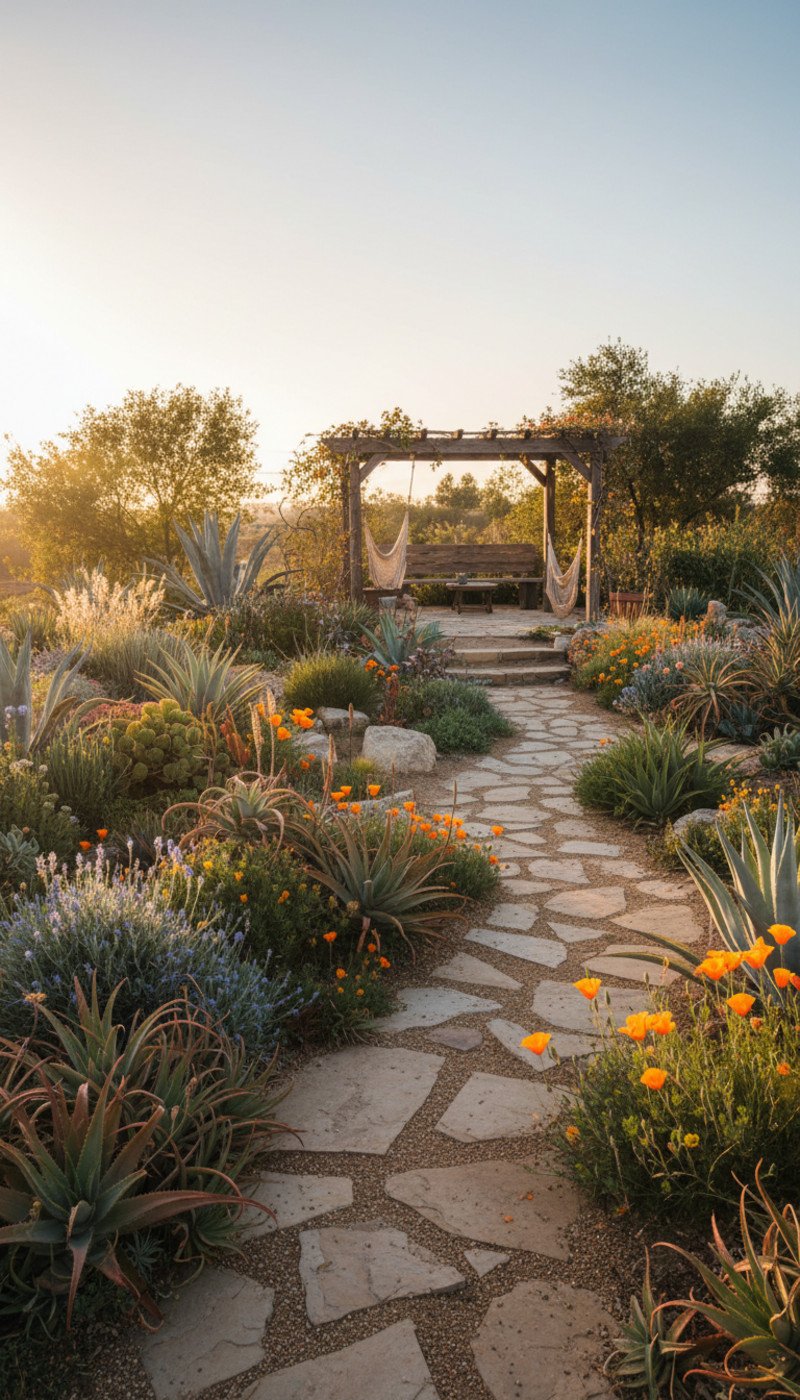
If you’re a gardener in a climate-impacted region, you know the frustration well. The repeated plant loss after an unexpected frost or heat dome, the shock of high water bills during a dry spell, and the general feeling of helplessness can make gardening feel like a losing battle. These aren’t just minor inconveniences; they represent a significant emotional and financial drain. You invest time, money, and hope into plants that don’t survive the season. High irrigation costs, potential fines for breaking water restrictions, and the secondary costs of dealing with issues like root rot or pests from inefficient watering all add up. The Lemonading Garden approach is a direct antidote to this cycle. By focusing on systems and plants that are built for your specific climate challenges, you reduce these pain points, creating a garden that works for you, not against you.
Squeeze More from Less: Proven Water Savings and Reduced Maintenance
Adopting a resilience-focused garden isn’t just a feel-good philosophy; it delivers tangible, measurable results. The most significant benefit is a dramatic reduction in water consumption. Studies of turf replacement programs in arid climates, for example, show long-term water use reductions of 19-21%. More recent programs have achieved savings of approximately 5,000 gallons per month for each participating household. While specific maintenance time savings are harder to quantify, they are a direct consequence of a smarter design. A garden with appropriate plants and efficient watering requires less intervention. You’ll spend less time hand-watering, fighting pests drawn to over-watered plants, and replacing stressed vegetation. This shift gives you more time to simply enjoy your beautiful, thriving outdoor lounge area rather than constantly working on it.
Smart Foundations: The Indispensable Role of Efficient Irrigation
Many gardeners believe that switching to drought-tolerant plants is the single most important step toward a water-wise garden. While plant selection is crucial, data consistently reveals a more powerful lever: irrigation. An extensive analysis of four major water conservation programs found that a stunning two-thirds (around 67%) of all water savings came directly from efficient irrigation upgrades, not from the plants themselves. This means that converting from spray heads to drip lines or installing a smart controller can have a more profound and immediate impact than removing your entire lawn. Modern irrigation systems deliver water directly to the plant’s roots, minimizing evaporation and runoff. Pairing climate-adaptive shrubs with an efficient irrigation system is the true formula for success, creating a robust landscape that enables prolonged water savings with far less ongoing effort.
Phased Transformation: Actionable Steps for Transitioning Your Existing Garden
Converting your entire landscape at once can feel overwhelming and expensive. The beauty of the Lemonading Garden approach is that it can be done in manageable phases. Here’s a practical, step-by-step strategy to guide your transition.
Step 1: Audit and Plan Before You Plant
Before removing a single plant, analyze your current setup. Identify your sun and shade patterns, understand your soil type, and most importantly, map your existing irrigation system. Which areas are watered by inefficient spray heads? Where does water pool or run off? This initial audit provides the blueprint for your entire project, ensuring you make smart, targeted changes.
Step 2: Prioritize Irrigation Upgrades
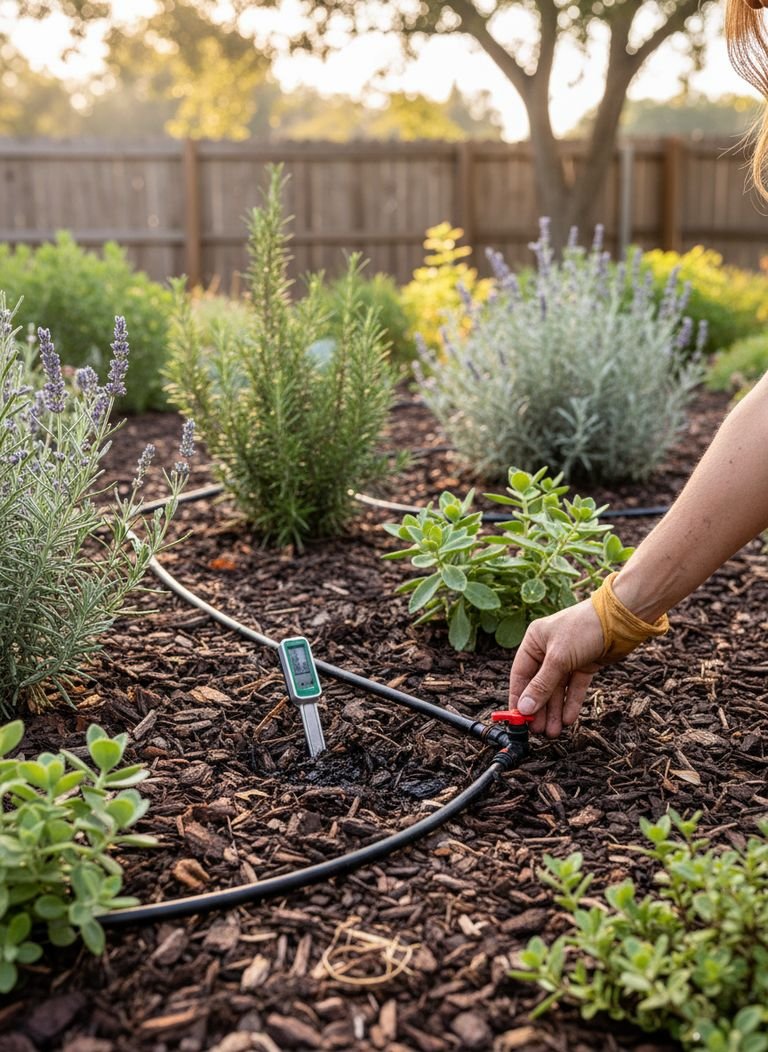
Based on the data, this is your highest-impact move. Focus your initial budget here. Replace overhead sprayers, especially in garden beds, with drip irrigation or low-flow micro-sprayers. Drip systems alone can reduce water usage by up to 50% compared to conventional sprinklers. Install a smart watering controller that adjusts schedules based on weather data, and consider soil moisture sensors for even greater precision. Many water districts mandate the removal of overhead sprayers to qualify for rebates, underscoring their inefficiency.
Step 3: Build a Living Soil Foundation
Healthy soil is the backbone of a resilient garden. It acts like a sponge, holding water for plants to access during dry periods. Instead of relying on synthetic fertilizers, build your soil’s microbiome. Top-dress beds with a thick layer of high-quality compost and mulch. This protects the soil from evaporation, suppresses weeds, and slowly releases nutrients. For those serious about soil health, exploring regenerative soil kits can provide the beneficial fungi and bacteria needed to create a robust underground ecosystem.
Step 4: Integrate Rainwater Harvesting
Why pay for water when it falls from the sky for free? Integrating rainwater harvesting is a powerful step toward a self-sufficient garden. Start simply with a rain barrel connected to a downspout. For a more advanced approach, consider designing bioswales or rain gardens—shallow depressions with specific plants that capture, clean, and slowly absorb runoff from your roof and hardscapes. This not only waters your plants but also helps prevent erosion and protects local watersheds, a core principle of flood-proof landscaping.
Investing Wisely: Budgeting for Your Resilience-Focused Garden
A garden transformation is an investment, but it doesn’t have to break the bank. Smart planning can maximize your return and help you avoid common budget pitfalls. Many local water authorities offer significant turf replacement rebates, often ranging from $2.50 to $5 per square foot, which can substantially offset your initial investment in materials and plants. For a 750 sq ft area, this could mean a rebate of $1,875 to $3,750.
However, the biggest financial mistake is focusing on the wrong things. The most common and costly budget pitfall is prioritizing plant removal without modernizing the irrigation system. A Texas program, for instance, showed very low water savings of only 18 gallons per square foot at a high cost, largely because it didn’t mandate irrigation upgrades. In contrast, programs that require efficient systems see much higher returns. Your budget should prioritize hardware first: drip tubing, smart controllers, and pressure regulators. These are the tools that deliver lasting savings. Consulting with professional landscaping services and backyard ideas experts can also prevent costly design errors.
| Investment Strategy | Typical Cost Focus | Water Savings Potential | Long-Term Outcome |
|---|---|---|---|
| Plants-First Approach (Common Pitfall) | Buying many drought-tolerant plants, minimal irrigation changes. | Low (e.g., 18 gal/sq ft) | Minimal long-term savings; plants may still struggle with inefficient water delivery. |
| Irrigation-First Approach (Recommended) | Smart controller, drip conversion, pressure regulators, mulch. | High (e.g., 62 gal/sq ft) | Significant, sustained water savings and healthier, more resilient plants. |

Squeezing the Day: The Deeper Well-being Benefits of a Resilient Mindset
While the financial and water savings are compelling, the true value of the Lemonading Garden lies in its impact on your well-being. Adopting a “squeezing the day” mindset shifts your relationship with your garden from one of conflict to collaboration. While there are no formal studies on “joyful resilience” in gardening yet, we can infer its benefits. We know that between 30-60% of landscape water is wasted due to issues like leaks, runoff, and poor scheduling. Actively engaging with your garden’s systems fosters a sense of competence and control. This proactive engagement—checking for leaks, adjusting schedules, observing how plants respond—builds a deeper connection and understanding of your local ecosystem. It reduces the background anxiety of waste and helplessness, replacing it with the quiet satisfaction of creating a beautiful, functional, and sustainable space. This is especially critical in areas prone to wildfires, where principles of fire-smart landscaping integrate perfectly with a resilient design.
Conclusion: Your Journey to a Joyful, Resilient Garden
The challenges of a changing climate are real, but so are the opportunities for innovation and joy in our own backyards. The Lemonading Garden offers a powerful, practical, and positive path forward. By prioritizing smart irrigation, building healthy soil, and choosing plants wisely, you can drastically reduce your water use and maintenance workload. More importantly, by embracing a mindset of joyful resilience, you transform your garden into a dynamic and rewarding space that not only survives but truly thrives. The journey to creating your Lemonading Garden is an investment in your property, your planet, and your own well-being.
Frequently Asked Questions About Creating a Lemonading Garden
What is the single most important first step in creating a Lemonading Garden?
The most important first step is to upgrade your irrigation system. Data consistently shows that converting inefficient overhead sprinklers to a drip irrigation system and installing a smart controller yields the biggest water savings, often accounting for two-thirds of the total reduction. This provides the foundation for all other changes.
Can I create a Lemonading Garden on a tight budget?
Absolutely. A phased approach is the key to managing costs. Start by targeting the most wasteful part of your system, like replacing a few spray heads with a drip line conversion kit. Look for local water district rebates for turf removal, smart controllers, and other upgrades. Using mulch and compost, which can often be sourced for free from municipal green waste programs, is another low-cost, high-impact strategy.
Does the Lemonading Garden concept work in climates that are not arid or drought-prone?
Yes, the philosophy of joyful resilience is universal. In wetter climates, the focus might shift from drought to managing intense rainfall. Here, a Lemonading Garden would incorporate elements like rain gardens, bioswales, and permeable pavers to handle downpours, prevent runoff, and mitigate localized flooding. The core principle remains the same: work with your specific climate challenges to create a resilient, low-maintenance landscape.
How long does it take to see results from a garden conversion?
You will see results from irrigation upgrades immediately on your next water bill. Plant-related changes take more time. Newly installed climate-adaptive plants will need regular water to get established, typically for the first one to two seasons. You will start to see significant reductions in maintenance and supplemental watering needs within 2-3 years as the plants’ root systems mature and the garden ecosystem becomes more self-sufficient.
Do I have to use only native plants?
While native plants are an excellent choice as they are perfectly adapted to the local climate and support local wildlife, you don’t have to use them exclusively. The goal is to choose “climate-adaptive” plants. This includes any plant, native or not, that is well-suited to your soil, sun exposure, and water availability without excessive supplemental care. The key is to pick the right plant for the right place.