

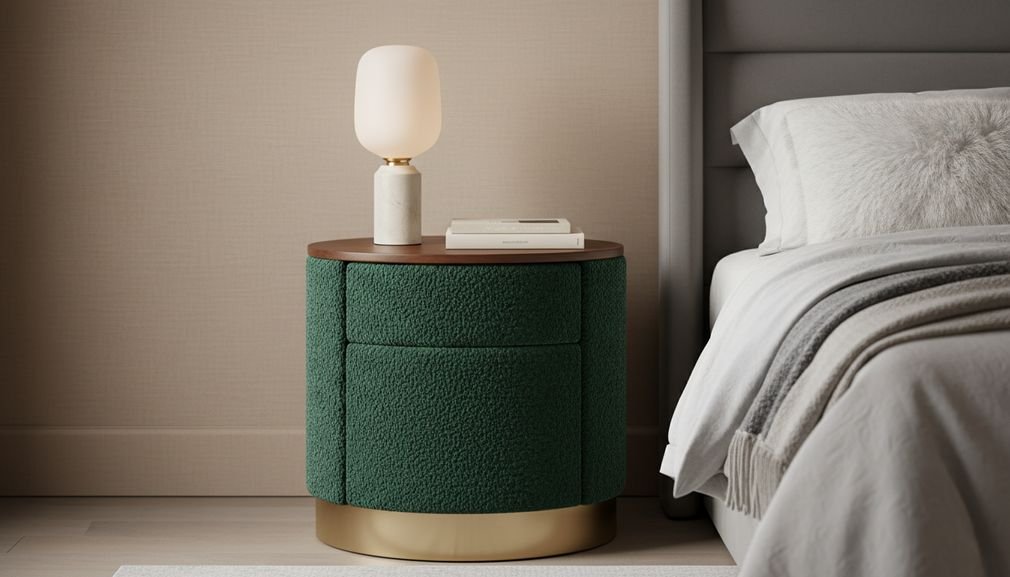
Choosing the right Upholstered Nightstands can transform your bedroom from a merely functional space into a cozy, luxurious retreat. As homeowners increasingly seek comfort and tactile richness in their personal spaces, these fabric-wrapped pieces are emerging as a sophisticated alternative to traditional wood or metal bedside tables. They soften a room’s aesthetic, add a layer of texture, and introduce a unique sense of warmth and security right where you start and end your day.
This guide provides a practical, in-depth look at this growing trend. We will explore why these pieces are gaining popularity, how to select the perfect fabric and construction for your needs, and the essential maintenance required to keep them looking pristine. Our goal is to equip you with the knowledge to invest confidently in a piece that elevates both the style and comfort of your bedroom.
Key Takeaways
- Upholstered nightstands are trending as part of a larger interior design shift toward softer, more tactile, and inviting bedroom environments, moving away from hard, minimalist edges.
- Fabric selection, particularly between popular options like bouclé and velvet, is crucial. Your choice impacts not only the aesthetic and luxurious feel but also the long-term maintenance and durability of the piece.
- Beyond their visual appeal, these nightstands offer understated benefits like enhanced safety from soft corners, sound dampening for a quieter space, and the psychological comfort of a textured environment.
In This Article
- Why Upholstered Nightstands Are Trending
- Choosing Your Ideal Upholstered Finish
- The Hidden Benefits of Fabric-Wrapped Bedside Tables
- What to Look for in a Quality Upholstered Nightstand
- Essential Care and Maintenance Tips
- Final Thoughts on Your Bedroom Upgrade
- Frequently Asked Questions
Embracing Softness: Why Upholstered Nightstands Are Trending
The rise of upholstered nightstands signals a significant shift in bedroom design philosophy. For years, the focus was on clean lines and hard surfaces—think lacquered wood, metal, and glass. Today, the “Aesthetic Aesthete” is curating a different kind of space: one that prioritizes comfort, warmth, and sensory engagement. This move toward a softer, more inviting bedroom is about creating a true sanctuary, a place to decompress from the outside world. Soft-touch bedroom storage fits perfectly into this narrative, replacing stark edges with plush, fabric-covered forms that invite touch.
This trend is not happening in a vacuum. It mirrors a broader consumer appetite for upholstered goods. While specific data on nightstands is scarce, the US upholstered furniture market provides a clear indicator of this preference. Sofas, for example, represent a commanding 34.70% of the market, according to Mordor Intelligence, with chairs also expanding at a significant rate. This consumer behavior shows a deep-seated desire for comfort and fabric in living spaces, a preference now logically extending to the bedroom’s most intimate furniture pieces. These nightstands are no longer just storage; they are a statement of comfort and refined style.
Fabric Focus: Choosing Your Ideal Upholstered Finish
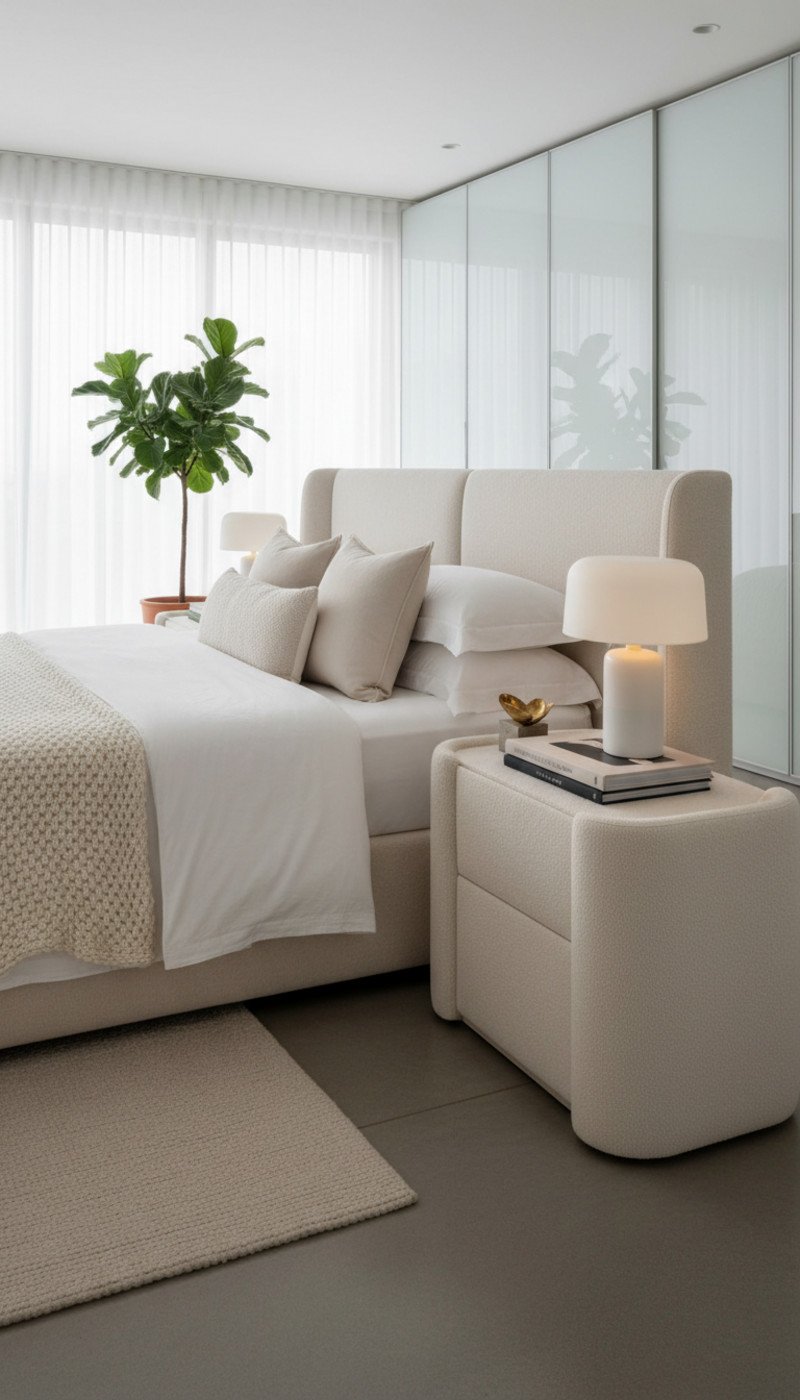
The fabric you choose for your upholstered nightstand is the most critical decision you’ll make, as it defines the piece’s character, texture, and maintenance needs. Two materials currently dominate this niche: bouclé and velvet. Each offers a distinct aesthetic and tactile experience for your fabric-wrapped bedside tables.
Bouclé: The Epitome of Cozy Modernism
Bouclé, with its looped, fleecy texture, brings an immediate sense of warmth and modern comfort to a room. It excels at adding visual interest without overwhelming a space, making it ideal for minimalist, Scandinavian, or Japandi-inspired decor. Its nubby surface is forgiving and cozy, perfect for creating a relaxed, high-end atmosphere. Bouclé nightstands often come in neutral tones like cream, beige, and soft grey, reinforcing their serene and calming appeal.
Velvet: Unmistakable Luxury and Depth
Velvet offers a classic, timeless luxury. Its dense pile catches the light beautifully, creating a rich depth of color that can make a powerful statement. From jewel tones like emerald and sapphire to sophisticated neutrals, velvet adds a touch of glamour and opulence. It feels incredibly soft and smooth, enhancing the sense of indulgence in a bedroom. Modern performance velvets have also made the material more resilient to daily use than its delicate predecessors.
The market for these specialized items is still emerging, so you won’t find widespread price comparisons or market share data between bouclé and velvet options. This presents an opportunity for you as a buyer to focus purely on which texture and look best align with your vision for a personal spa-like retreat in the bedroom, rather than being swayed by sales data.
Beyond Beauty: The Hidden Benefits of Fabric-Wrapped Bedside Tables
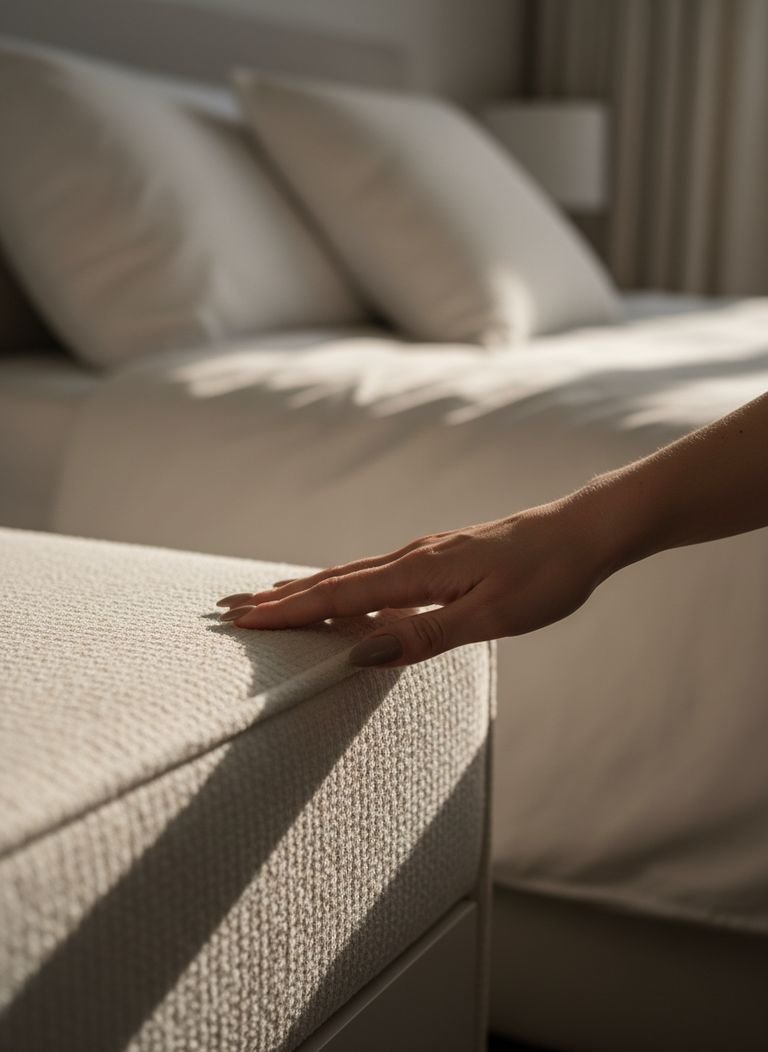
While the aesthetic appeal of fabric-wrapped bedside tables is undeniable, their practical advantages are often overlooked. These hidden benefits contribute to a more comfortable, safer, and quieter bedroom environment, making them a truly functional upgrade.
Enhanced Safety
One of the most significant yet under-marketed benefits is safety. The soft, padded corners of luxury padded side tables eliminate the hazard of sharp edges. This is a crucial feature for families with young children who might be running around the bedroom, or for anyone who has ever bumped into a sharp corner in the dark. This focus on creating a safer home environment aligns with other thoughtful design choices, such as selecting a Montessori Floor Bed to promote toddler independence and safety.
Acoustic Dampening
Fabric is a natural sound absorber. An upholstered nightstand helps to dampen ambient noise in the bedroom, contributing to a more serene atmosphere. More practically, it silences the clatter of placing a phone, glass of water, or keys on its surface. This small detail enhances the tranquility of the space, especially if you or your partner are light sleepers. As noted in trend reports from publications like Architectural Digest, creating a sensory-friendly space is a key element of modern wellness design.
Psychological Comfort
The tactile nature of an upholstered surface provides a sense of warmth and comfort that hard materials cannot replicate. In psychology, soft textures are often associated with safety and relaxation. Surrounding yourself with these materials in your most personal space can help reduce stress and promote a better night’s sleep. It’s a small but meaningful way to make your bedroom a true haven.
What to Look for in a Quality Upholstered Nightstand
Because upholstered nightstands are a niche product, detailed technical specifications and standardized quality metrics are not always readily available. This makes it essential for you, the consumer, to become an educated buyer. Just as you would scrutinize the plans for a kitchen and bathroom remodel, you must look beyond the surface fabric and evaluate the core construction of the piece.
Key Quality Indicators:
- Frame Material: The foundation of any quality furniture piece is its frame. Insist on a solid wood frame, preferably kiln-dried hardwood, which resists warping and cracking. Avoid pieces made primarily from particleboard or MDF, as they are less durable and can be easily damaged.
- Upholstery Application: Examine the fabric closely. It should be pulled taut and smooth, with no puckering, sagging, or loose areas. Seams should be straight and welting (the corded trim) should be even and secure.
- Fabric Durability (Rub Count): Ask the retailer or manufacturer for the fabric’s durability rating, often measured as a “rub count” from the Martindale or Wyzenbeek test. For residential use, a count of 20,000 or higher is considered durable and suitable for daily contact.
- Drawer Construction & Hardware: If the nightstand has drawers, open and close them. They should glide smoothly and quietly. Look for features like dovetail joinery and soft-close mechanisms, which are hallmarks of high-quality construction.
The responsibility falls on you to ask these questions. A reputable seller should be able to provide this information. If they cannot, it may be a red flag regarding the product’s quality.
Essential Care and Maintenance for Upholstered Fabrics
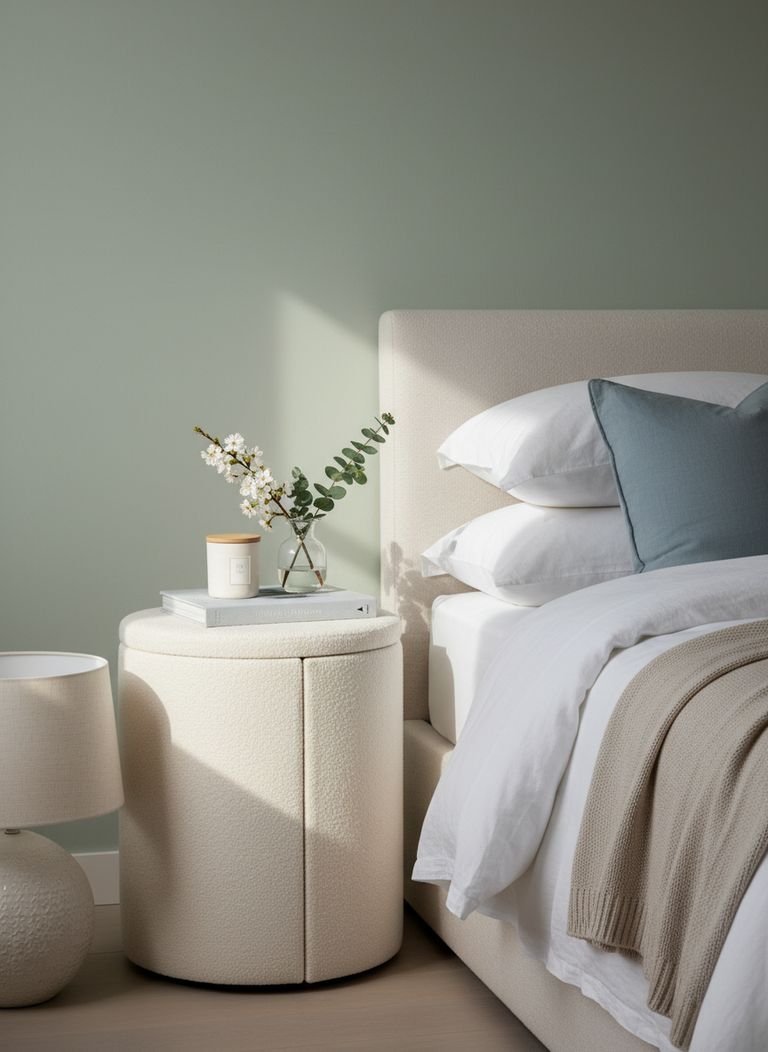
Maintaining the beauty of your upholstered nightstand requires a proactive and fabric-specific approach. Since dedicated care guides for this furniture type are rare, applying best practices from general upholstery care is your best strategy. Proper maintenance is key to ensuring your soft-touch bedroom storage remains a stunning feature, contributing to the goal of creating warm spaces year-round.
Universal Maintenance Tips:
- Regular Vacuuming: Once a week, use a soft brush attachment on your vacuum to gently remove dust, pet hair, and surface debris. This prevents dirt from becoming embedded in the fibers.
- Blot, Don’t Rub: For any spills, act immediately. Gently blot the area with a clean, dry, white cloth to absorb as much liquid as possible. Rubbing can spread the stain and damage the fabric fibers.
- Avoid Direct Sunlight: Position your nightstand away from direct, prolonged sunlight, which can cause fabrics like velvet and linen to fade over time.
Fabric-Specific Care:
- Bouclé Nightstands: Bouclé’s looped fibers can be prone to pilling. Use a fabric shaver or de-pilling comb as needed to keep the surface smooth. For cleaning, it is often best to use a water-free solvent cleaner, but always test in an inconspicuous area first.
- Velvet: To maintain velvet’s signature nap and luster, gently brush it with a soft-bristled velvet brush. For minor crushing, a steamer held at a distance can help lift the pile. Follow a reputable fabric care guide, like those provided by textile experts such as Sunbrella, for specific cleaning code instructions.
- Linen and Performance Blends: These fabrics are generally durable but can stain if spills are not addressed quickly. Use a mild soap and water solution for cleaning, but always check the manufacturer’s tag for the specific cleaning code (e.g., ‘W’, ‘S’, ‘W/S’).
Conclusion: Your Guide to a Softer, More Stylish Bedroom
Upholstered nightstands are more than just a fleeting trend; they represent a thoughtful evolution in bedroom design toward greater comfort, texture, and personalized luxury. By prioritizing soft surfaces and tactile materials, you can create a genuine sanctuary that promotes rest and relaxation. From the cozy modernism of bouclé to the timeless elegance of velvet, the right piece can serve as the perfect finishing touch to your curated space. While you embrace the softness of fabric, consider creating a dynamic look by contrasting textures with other elements, such as Fluted Wood Cabinets, elsewhere in your home.
Remember to look beyond the surface by investigating frame construction, fabric durability, and hardware quality. With a clear understanding of what to look for and how to care for your selection, you can invest with confidence. Ultimately, the right Upholstered Nightstands are not just furniture; they are an integral part of crafting a more comfortable, stylish, and serene personal retreat. Ready to find the perfect pieces to complete your vision? Explore our curated collections of bedroom decor and accessories today.
Frequently Asked Questions About Upholstered Nightstands
Are upholstered nightstands durable enough for everyday use?
Durability depends entirely on the quality of construction and fabric. A nightstand with a solid hardwood frame and a high-performance fabric (with a rub count over 20,000) will be very durable. Cheaper versions with particleboard frames and delicate fabrics will not withstand long-term use as effectively. Always check the specifications before buying.
How do you clean stains from an upholstered nightstand?
The cleaning method varies by fabric. The golden rule is to blot spills immediately with a dry, white cloth. For velvet, a specialized velvet cleaner is often recommended. For bouclé, a water-free solvent might be necessary. Always check the manufacturer’s cleaning code (often found on a tag) and test any cleaning solution on a hidden spot first.
Are upholstered nightstands just a passing fad?
While they are currently trending, they are part of a larger, more enduring movement in interior design towards creating comfortable, textured, and personalized spaces (often called “soft modernism” or “cozy minimalism”). This focus on sensory comfort suggests that furniture with tactile qualities will have lasting appeal.
Do these nightstands work well in small bedrooms?
Yes, they can work beautifully in small spaces. To prevent them from feeling too heavy or bulky, opt for a model with a sleeker silhouette, visible legs to create a sense of openness, and a light-colored fabric like cream or light grey. This will provide the desired softness without overwhelming the room.
Can you reupholster a fabric-wrapped nightstand?
Technically, yes, it is possible for a professional upholsterer to change the fabric. However, the cost of labor and new fabric can often be as expensive as buying a new nightstand, especially for complex designs. It’s more practical and cost-effective to choose a fabric you love from the outset.