

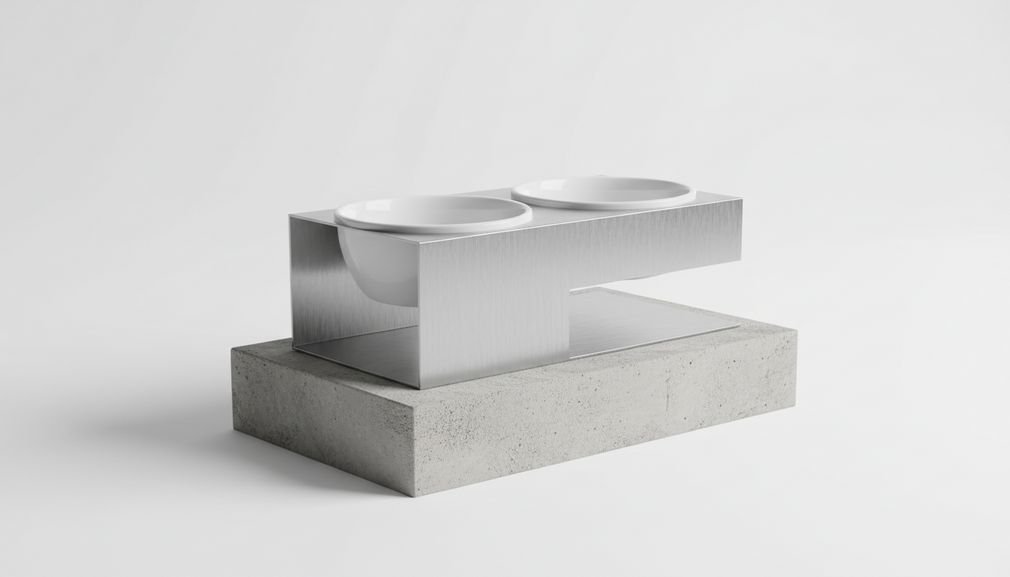
Choosing the right Sculptural Pet Feeders is no longer just about function; it’s a deliberate design choice that reflects a commitment to a cohesive, elegant home. For the discerning pet owner, a feeding station is not an afterthought to be hidden away but an integrated piece of art that complements a “Quiet Luxury” aesthetic, enhancing both the living space and the pet’s daily ritual.
Key Takeaways
- Sculptural pet feeders are a key element of the “Quiet Luxury” trend, transforming a utilitarian object into a statement of integrated home design.
- Material choice is paramount. Solid woods, food-grade ceramics, and architectural metals signify durability and craftsmanship, aligning with the ethos of buying fewer, better things.
- True luxury combines form with function. The best feeders offer ergonomic benefits for pet health, such as elevated designs for better posture, alongside aesthetic appeal.
- The Unseen Revolution: Why Sculptural Pet Feeders are Redefining Quiet Luxury Homes
- Beyond Utility: The Aesthetic Imperative of Elevated Pet Design
- Seamless Integration: Matching Your Pet Feeder to Your Quiet Luxury Aesthetic
- The Mark of Quality: Materials and Craftsmanship in Premium Pet Feeders
- Form Meets Function: Ergonomic Considerations for Your Pet’s Well-being
- The Future of Pet Dining: Desired Innovations for Discerning Owners
- Elevate Your Home and Your Pet’s Life with a Sculptural Pet Feeder
- Frequently Asked Questions
The Unseen Revolution: Why Sculptural Pet Feeders are Redefining Quiet Luxury Homes
The line between pet accessories and home decor has blurred. In sophisticated homes, every object contributes to a unified design narrative. Sculptural Pet Feeders are at the forefront of this movement, representing a shift from purely functional items to curated pieces of furniture. This evolution is a direct reflection of the “Quiet Luxury” ethos, where value is found in understated elegance, quality, and seamless integration rather than loud branding. The global pet furniture market, which includes these high-end segments, was valued at up to USD 4.5 billion in 2024, signaling a strong demand for products that honor both pets and design. A well chosen designer cat feeding bowl or dog station becomes a quiet testament to a homeowner’s attention to detail.
Beyond Utility: The Aesthetic Imperative of Elevated Pet Design
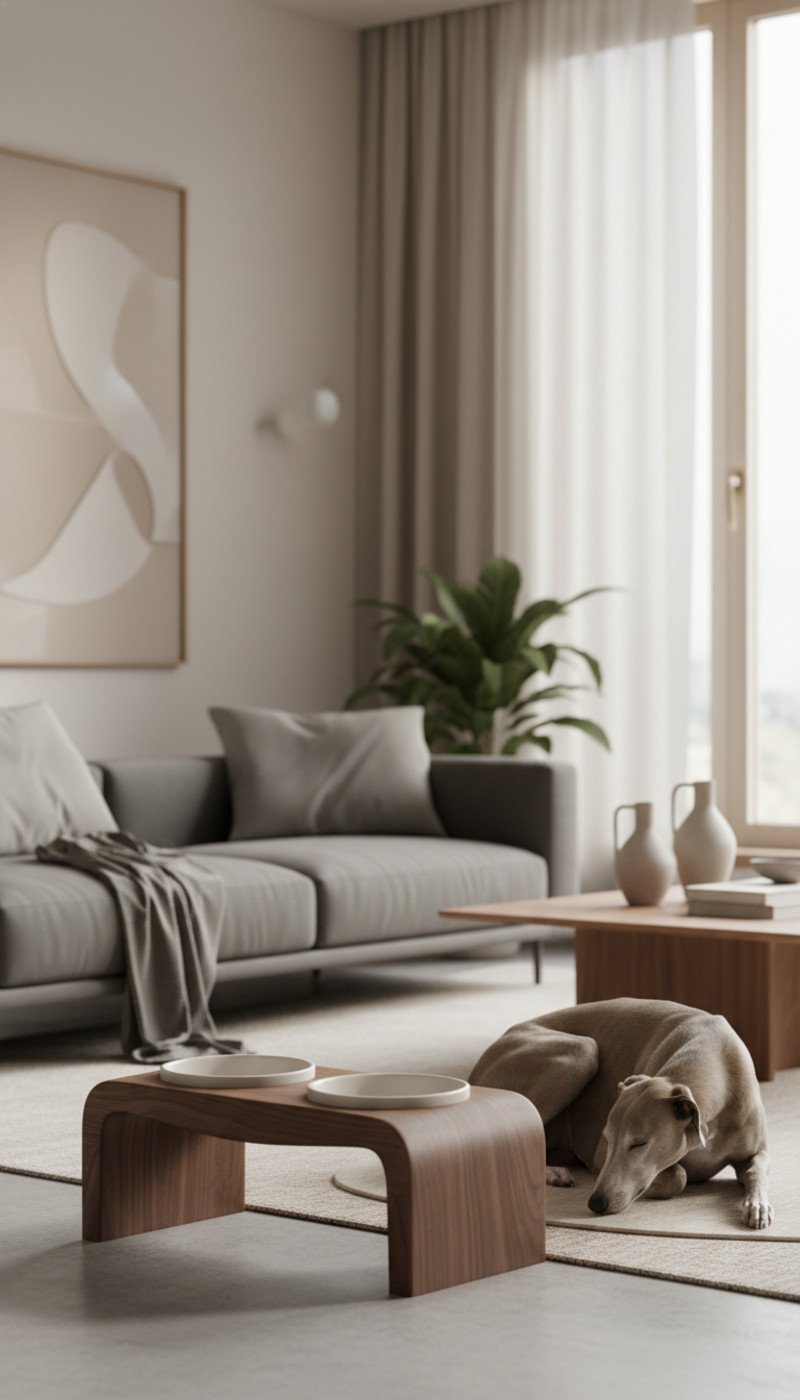
The philosophy of Quiet Luxury prioritizes timelessness, craftsmanship, and materials that speak for themselves. This applies as much to a sofa as it does to a pet’s dining area. Homeowners are no longer willing to compromise their meticulously curated interiors with generic plastic bowls. Instead, they seek out items like a ceramic minimalist pet station that functions as a piece of sculpture. This demand for aesthetic and functional harmony is driving significant growth, with the stylish pet furniture segment projected to be worth USD 2 billion by 2025, growing at a 7% CAGR. A designer cat feeding bowl, for instance, must be both easy for a cat to use and visually compatible with the clean lines of a modern kitchen. This is a core tenet of our Home Decor philosophy: every piece should have a purpose and a place.
Seamless Integration: Matching Your Pet Feeder to Your Quiet Luxury Aesthetic
A key challenge for design conscious pet owners is finding a feeder that truly complements their specific interior style. The market often fails to provide clear guidance, but the principles are straightforward. The goal is to select a feeder that feels like an intentional part of the room’s design language, not a dissonant necessity. True Barkitecture Design is about thoughtful integration.
Matching Feeders to Mid-Century Modern Decor
Mid-Century Modern design is characterized by clean lines, organic curves, and the honest use of materials. Look for elevated mid-century dog bowls featuring tapered wooden legs, often in walnut or teak, paired with simple ceramic or stainless steel bowls. The form should be uncluttered and functional, echoing the classic designs of Eames or Saarinen. The key is to match the wood pet furniture element of the feeder to other wood tones in the room for a cohesive look.
Choosing a Feeder for a Japandi Interior
Japandi style blends Scandinavian functionality with Japanese rustic minimalism. It emphasizes natural materials, tranquility, and craftsmanship. A perfect feeder for this aesthetic would feature light woods like ash or oak, with a low profile and a focus on texture. A ceramic minimalist pet station with a slightly imperfect, wabi-sabi feel would be ideal. Look for simple, geometric shapes and an absence of ornamentation, allowing the natural beauty of the materials to stand out. Integrating these elements aligns well with the principles of Japandi 2.0 Furniture.
The Mark of Quality: Materials and Craftsmanship in Premium Pet Feeders
What justifies the premium price of a sculptural feeder? The answer lies in the materials and the manufacturing process. Unlike mass produced plastic alternatives, these pieces are investments in longevity and safety. The use of solid wood, for instance, is noted in market trends as a status symbol in high end pet furniture. Brands like the European MiaCara and Modenese Interiors differentiate themselves through customization and designer collaborations, justifying higher prices with superior quality.
Look for these indicators of quality:
- Solid Wood: Instead of particleboard or veneer, premium feeders use solid hardwoods like oak, walnut, or ash. This wood pet furniture is more durable, stable, and develops a beautiful patina over time. The finish should be non toxic and water resistant.
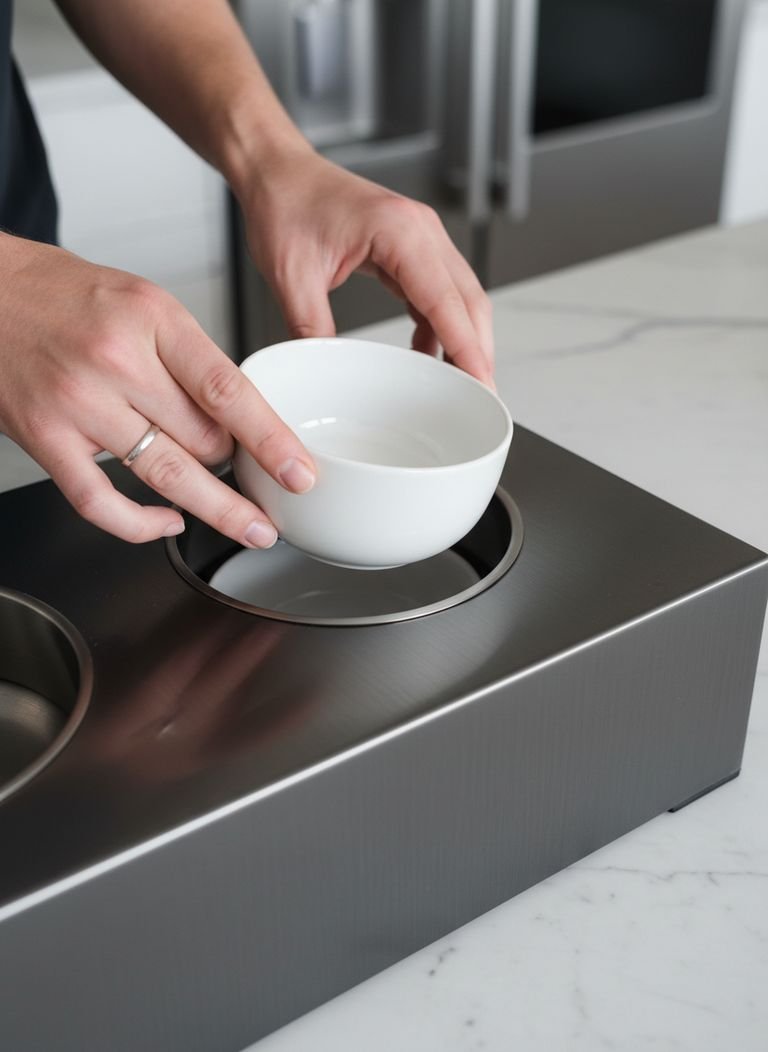
- Food-Grade Ceramics: A ceramic minimalist pet station should use high quality, non porous ceramic that is lead free and cadmium free. This prevents bacterial growth and is dishwasher safe, ensuring a hygienic dining surface for your pet.
- Architectural Metals: Powder coated steel or brushed brass can provide a sturdy, modern frame that is resistant to tipping and corrosion. Welds should be clean and smooth, indicating careful craftsmanship. This focus on quality materials is also seen in human-centric design, like in Modern Tuscan Decor where wrought iron plays a key role.
Form Meets Function: Ergonomic Considerations for Your Pet’s Well-being
A truly luxurious product never sacrifices function for form. The best Sculptural Pet Feeders are designed with a deep understanding of animal ergonomics. While aesthetics draw you in, it is the functional benefits that provide long term value for your pet’s health. Market research highlights a broad trend toward ergonomic elements in pet furniture, such as orthopedic beds for joint health.
Key functional features to look for include:
- Optimal Height: Elevated mid-century dog bowls and other raised feeders can promote better posture during meals, potentially aiding digestion and reducing strain on the neck and joints, especially for older pets or specific breeds.
- Stability: A heavy base made from solid wood or metal prevents the feeder from sliding or tipping over, which is crucial for enthusiastic eaters. Some designs incorporate non slip feet for added stability on smooth floors.
- Hygienic Design: Bowls should be easily removable for cleaning. The stand itself should have a smooth, sealed surface that can be wiped down easily, with minimal crevices where food or water can get trapped.
Investing in thoughtful design goes beyond visual appeal; it’s a practical step towards proactive pet care. Integrating these functional pieces into your home, much like planning for Pet Enrichment Tech, shows a holistic commitment to your pet’s quality of life.
The Future of Pet Dining: Desired Innovations for Discerning Owners
The evolution of the pet feeder is far from over. As homes become smarter and more integrated, discerning owners are beginning to expect more from their pet furniture. The demand is for products that are not just beautiful and functional, but also intelligent and multi-purpose. Market trends show an emerging desire for multi-functional and smart integration in premium pet products, moving beyond simple aesthetics.
Future innovations for a designer cat feeding bowl or dog station might include:
- Integrated Storage: A seamless drawer or compartment within the wood pet furniture stand to store food, treats, or supplements, reducing clutter in the kitchen or utility room.
- Smart Features: Built in scales that weigh food portions, or cooling and heating elements to keep food fresh or bring it to an optimal temperature, all controlled via a home automation app.
- Modular Designs: Systems that can grow with your pet, allowing you to adjust the height or add more bowls for a second pet, all while maintaining a cohesive design.
Elevate Your Home and Your Pet’s Life with a Sculptural Pet Feeder
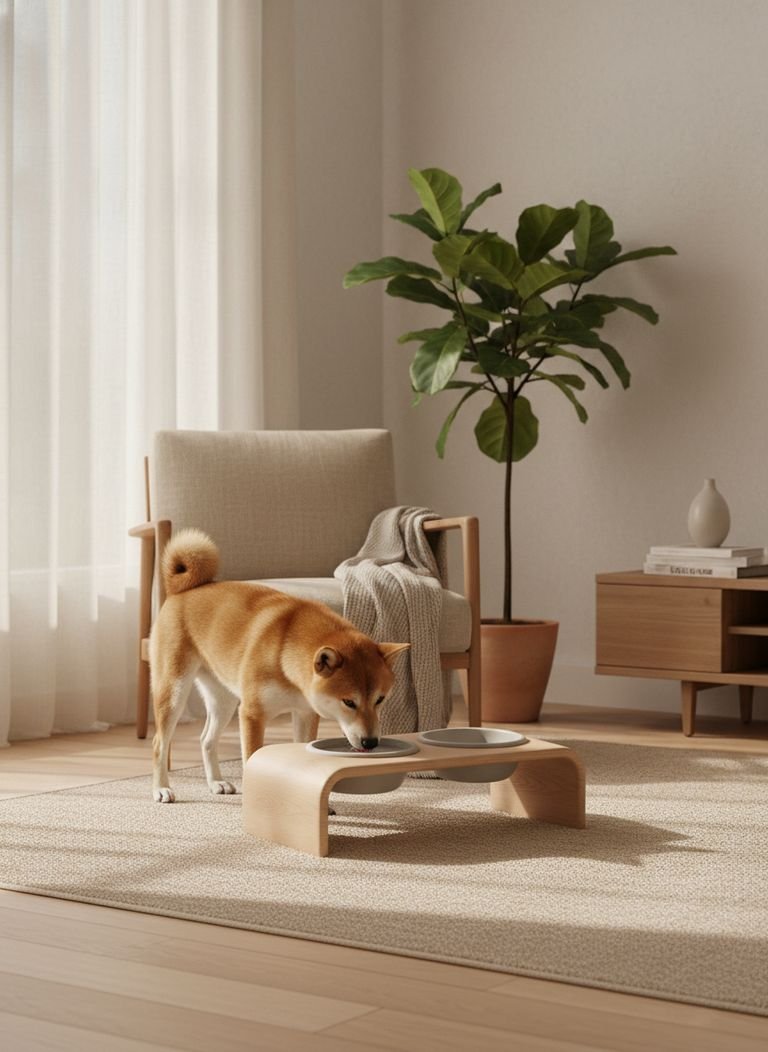
In the world of Quiet Luxury, every detail matters. The choice of a pet feeder is an opportunity to extend your design ethos to every corner of your home, reinforcing a commitment to quality, beauty, and intentional living. Moving beyond disposable plastic and embracing artisan-crafted pieces transforms a daily routine into a moment of quiet elegance.
By investing in well designed, ergonomic, and beautifully crafted Sculptural Pet Feeders, you are not just buying a bowl; you are acquiring a piece of furniture that respects your home’s aesthetic, enhances your pet’s well being, and embodies the principle of living better with less. It is a small but powerful statement about the value you place on design, quality, and the cherished members of your family.
Frequently Asked Questions
How do I choose the right height for an elevated sculptural pet feeder?
A good general guideline is to measure your standing pet from the floor to their chest. The top of the bowl should be roughly level with this measurement. This allows them to eat comfortably without straining their neck downwards or stretching upwards. When in doubt, it is better to be slightly too low than too high.
Are ceramic bowls better than stainless steel for a pet feeder?
Both are excellent, hygienic choices. Food-grade ceramic, as found in a ceramic minimalist pet station, is heavy, durable, and aesthetically pleasing, but it can chip or break if dropped. Stainless steel is virtually indestructible, lightweight, and dishwasher safe, but may not offer the same design-forward look. The best choice depends on your aesthetic priorities and your pet’s habits.
How do you clean and maintain a wood pet furniture feeder stand?
Most high quality wood stands are sealed with a non toxic, water resistant finish. For daily cleaning, simply wipe them down with a damp cloth. Avoid using harsh chemical cleaners or submerging the stand in water. Periodically, you can apply a food-safe wood conditioner to maintain the luster and protect the finish, especially in dry climates.
Is a premium sculptural pet feeder worth the investment?
For homeowners who value integrated design and long lasting quality, the answer is yes. It’s an investment in durability (avoiding the need to replace cheap plastic bowls), your pet’s health (through better ergonomics), and your home’s aesthetic. It aligns with the “buy once, buy well” philosophy of Quiet Luxury, making it a functional piece of art that you and your pet can appreciate for years.
Can sculptural feeders help messy eaters?
Yes, many designs can help contain mess. Deeper bowls can prevent kibble from spilling out, and elevated stations can reduce the amount of water splashed from the bowl. Look for designs that feature a raised lip or a ‘tray’ area around the bowls to catch any spills, making cleanup significantly easier.