
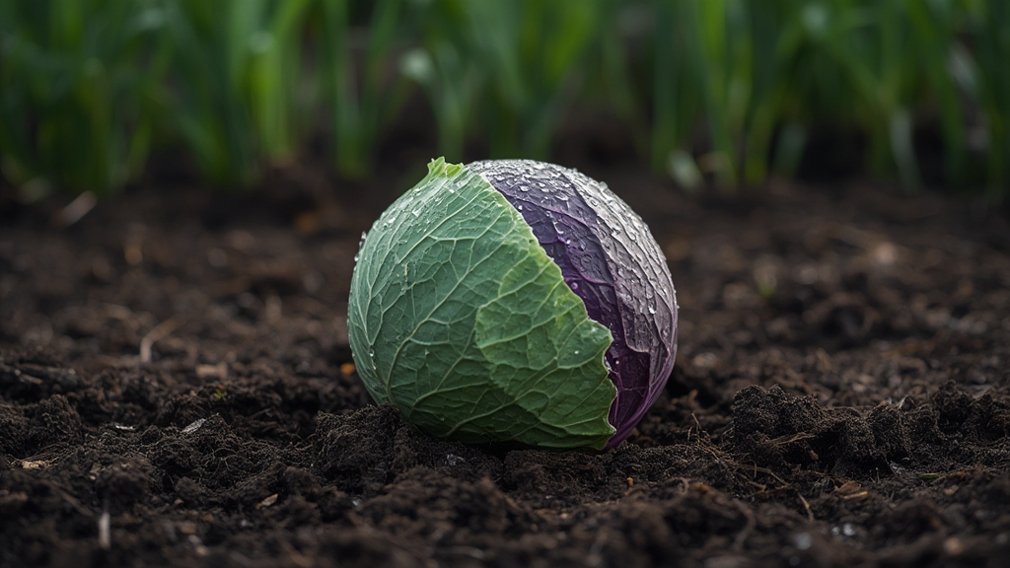
Regenerative Cabbage Gardening is gaining attention among gardeners aiming for soil-building vegetables with low inputs, but reliable techniques are still emerging and evidence is mixed. If you want practical, research-informed steps to grow climate-adaptive vegetables that improve soil while reducing labor, this article breaks down what is proven, what is promising, and what’s still in the experimental stage for regenerative cabbage systems.
Key Takeaways
- Peer-reviewed research on regenerative cabbage gardening’s effects on soil health or carbon sequestration is lacking; apply broad RA principles but measure your own results.
- Practical low-input techniques—such as thick grass mulch, compost, and no-till beds—work for many gardeners but may involve risks or variability in pest and yield outcomes.
- Innovative breeding and biotech findings show long-term promise for resilient cabbages, but these are not yet practical tools for home or small-scale growers.
- State of the Evidence
- Step-by-Step Guide: Practical Regenerative Techniques
- Advanced Analysis & Common Pitfalls
- Conclusion
- Frequently Asked Questions
State of the evidence: What the research does — and doesn’t — tell us about regenerative cabbage gardening
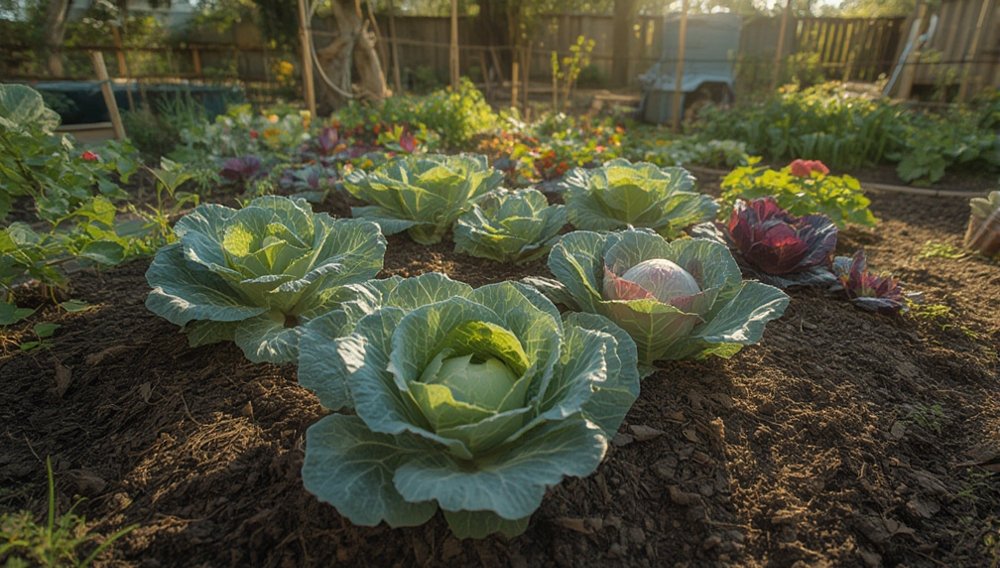
Despite the surge of interest in Regenerative Cabbage Gardening, the direct, peer-reviewed research assessing soil health or carbon sequestration for this crop is missing. Most available evidence covers broader regenerative agriculture (RA) practices like cover cropping, minimal tillage, and using biological inputs—showing improved soil function, biodiversity, and nutrient cycling. No specific 2023-2024 studies quantify benefits for cabbage itself, so gardeners should use established regenerative principles but set realistic expectations. The 2025 CABI review defines RA as enhancing nutrient, carbon, and water cycles, but cabbage-specific results are still unavailable. A major implication: to know whether your climate-adaptive vegetables are delivering the claimed gains, you’ll need to measure the outcomes in your own beds.
Step-by-Step Guide: Practical regenerative techniques for cabbage gardeners
The following step-by-step practices are actionable for gardeners targeting soil-building vegetables and low-input garden crops. These methods mix established RA tactics and practitioner-tested tweaks.
- Select an appropriate location: Choose a full-sun bed with good drainage. Raised or mounded beds are beneficial for heavy soils.
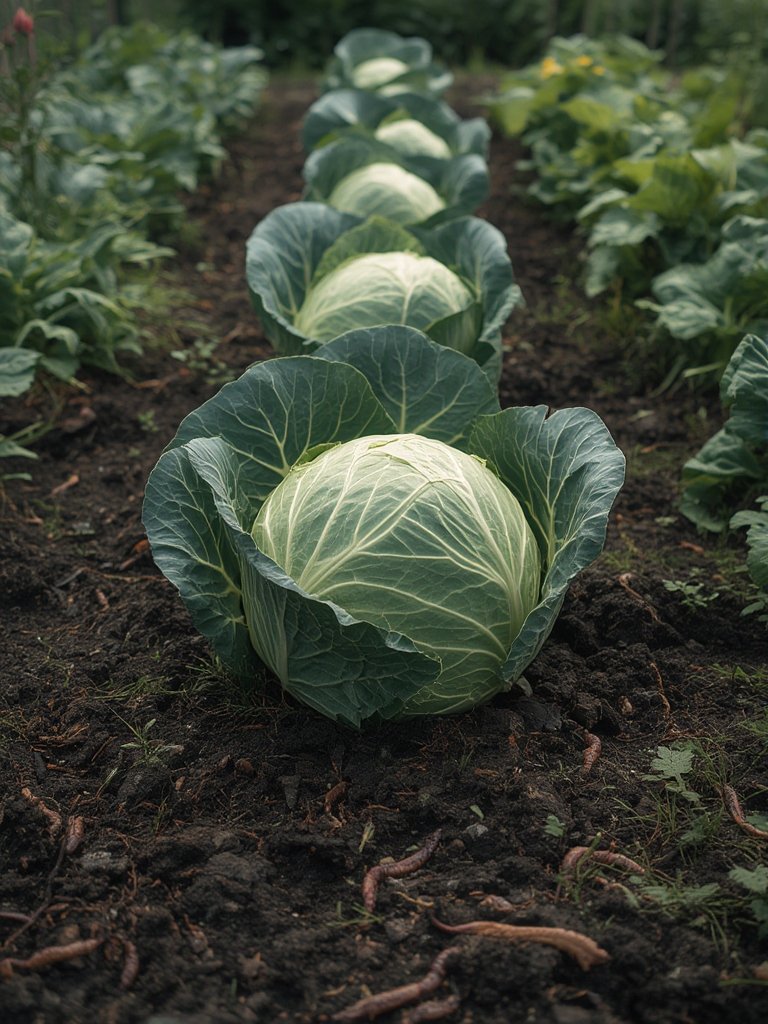
- No-till bed preparation: Skip the rototiller. Instead, mow or flatten existing plants, then top with 4+ inches of thick grass mulch. Use cardboard as a weed barrier if necessary; water thoroughly to settle.
- Mulch management: Maintain a 4–6 inch thick mulch layer throughout the season. Replenish as decomposition occurs.
- Add compost and worm castings: Topdress your bed with 1–2 inches of finished compost and .5–1 inch of worm castings before transplanting. This boosts microbial activity and nutrients for cabbage.
- Transplanting and spacing: Set cabbage starts 12–18 inches apart to allow solid head formation. Make a slit in the mulch and soil down to the right depth for each plant.
- Watering: Use drip irrigation or soaker hoses under the mulch. Water deeply but avoid frequent shallow watering.
- Cover crops: Seed nitrogen-fixing cover crops (like crimson clover or vetch) in fall after cabbage harvest, or early spring before planting, to enrich the soil further.
- Monitor and adapt: Check for mulch compaction, moisture levels, and pest presence weekly. Add new mulch, compost, or biological controls as needed.
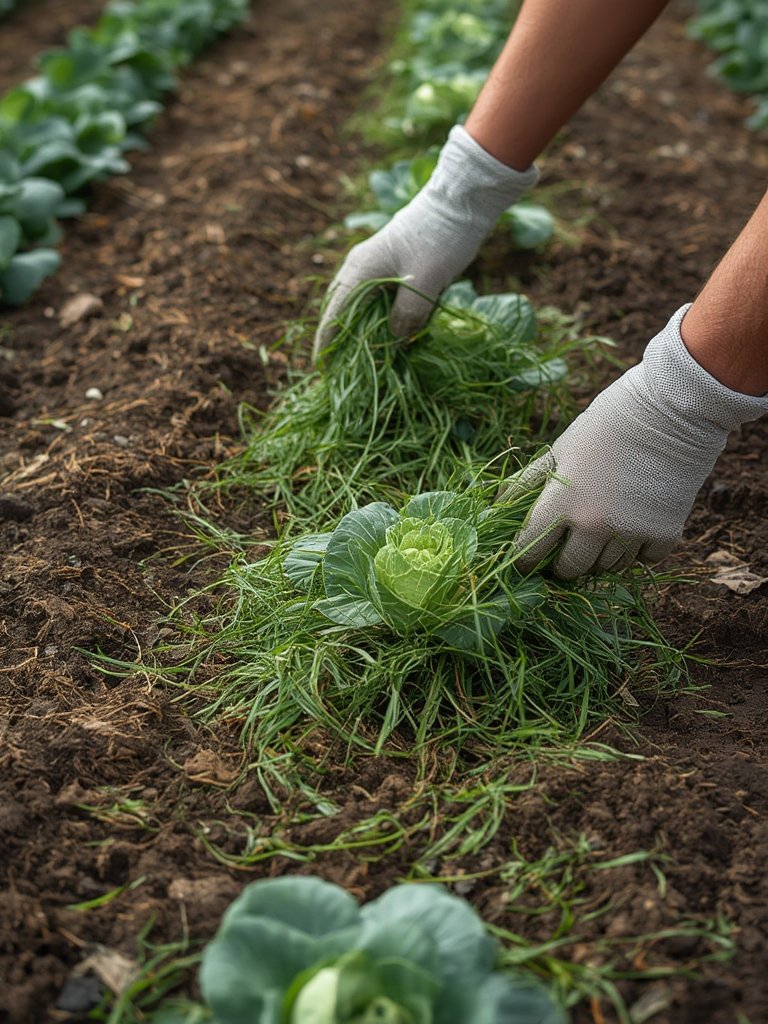
These approaches echo demonstration trials you’ll find on practitioner channels, which show that no-till grass mulch layering provides a dual benefit: fertility boost and moderation of soil temperature. Watch a real example here. For further ideas on sustainable landscaping or companion gardening, see our complete landscaping guide.
Advanced Analysis & Common Pitfalls in Regenerative Cabbage Gardening
Gardeners often face issues not fully covered in research—especially with climate-adaptive vegetables. Here’s what to expect, plus a comparison of low-input and “lab” interventions.
| Challenge / Practice | Low-Input Solution | Limits / Gaps |
|---|---|---|
| Pest Pressure (aphids, caterpillars) | Biocontrol (insect netting, beneficial insects), neem oil (real-world example), companion planting | May not eliminate all pests; thresholds for treatment are not standardized |
| Uneven Yield | Spacing (12–18 in.), deep compost/worm casting topdress | Yield and soil health metrics lack garden-scale research (Frontiers study) |
| Labor Peaks | No-till setup, mulching, targeted irrigation (automatic irrigation tips) | Mulch must be replenished over time; initial setup is labor-intensive |
| Novel Genetics (CRISPR/TDZ induced roots and shoots) | Future: 25% root transformation, 50% gene editing efficiency (biotech findings) | Lab only; implementation not available for small-scale growers, regulatory gaps remain |
It’s important to be prepared for gaps: No direct 2024 yield, pest, or true cost data for regenerative versus conventional cabbage beds is yet available (Hazera variety trends). For more comparison shopping on regenerative bed costs, check out nearby home improvement store options.
Strong visual or ornamental varieties—like red cabbages—excel in both nutrient density and landscape beauty, but specifications for climate adaptability or ornamental use are not yet found in peer-reviewed sources. If edible landscaping is your interest, our sculptural outdoor furniture guide has inspiration for garden design that doubles as living art.
Conclusion
Regenerative Cabbage Gardening offers a promising path for gardeners aiming to build soil while producing resilient, climate-adaptive vegetables with low chemical input. Rigorous short-term metrics are still lacking, so success depends on applying proven strategies like no-till mulch layering, careful composting, and smart monitoring—and being ready for unpredictability. By tracking your own results and collaborating with local extension offices, you can help fill research gaps and move this practice forward.
Ready to apply these methods and see results? Start your regenerative cabbage project now, share your outcomes, and help build the evidence base for the gardening community.
Frequently Asked Questions
Can I use any kind of grass mulch for regenerative cabbage gardening?
Use grass clippings or hay from chemical-free lawns and fields. Fresh green grass is nitrogen-rich and decomposes quickly; avoid treated or weed-infested material.
What is the right planting distance for cabbage in a thick mulch/no-till bed?
Plant cabbages 12–18 inches apart. This gives heads room to form and prevents disease from crowding, as demonstrated in mulch-based garden videos.
How often do I need to replenish the mulch?
Top up grass mulch monthly or whenever you see it thinning below 4 inches. Decomposition rates depend on weather and grass composition.
Are biotech advances like CRISPR-modified cabbage available for home gardeners?
No—these are laboratory protocols. Regulatory, ethical, and distribution hurdles mean such varieties are years away from home or small-scale market-growing use.
How do I monitor my soil and yields to know if the method works?
Track baseline soil organic matter, bulk density, earthworm counts, major nutrients (N, P, K), pH, and total heads harvested per bed. Use simple DIY soil kits or extension lab testing for best accuracy.