

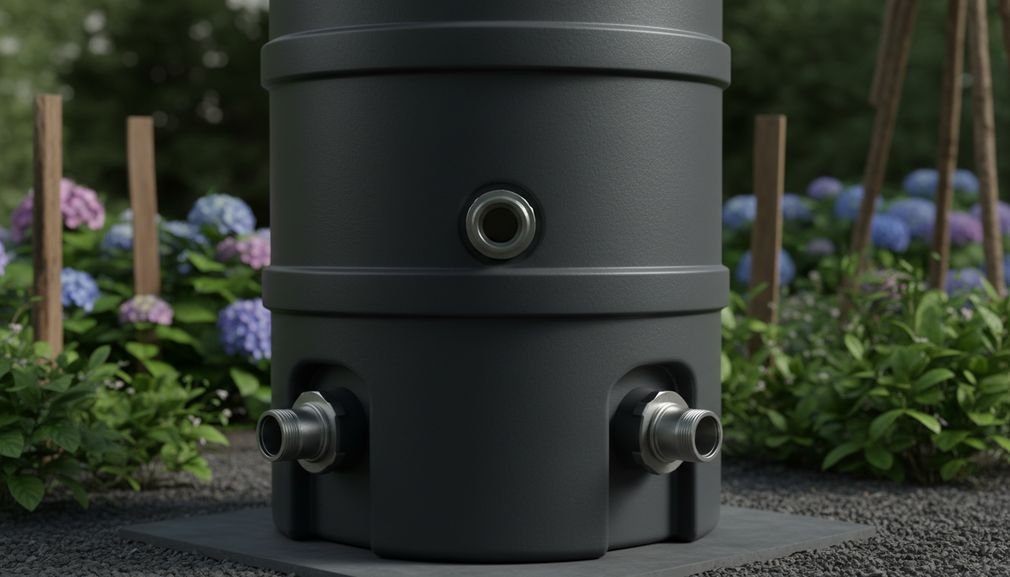
Dealing with Punctured Water Butts is more than just a minor garden nuisance; it’s a critical warning sign that your home’s first line of defense against rainwater is failing. As downpours become more intense, that small split in a cheap plastic barrel can quickly lead to a saturated lawn, a flooded patio, and water seeping towards your home’s foundation, causing damage that is both costly and stressful to repair.
Key Takeaways
- Traditional water butts frequently fail under the pressure of modern, intense rainfall, leading to punctures, overflows, and potential property damage.
- Investing in durable, storm-ready water barrels and advanced drainage systems is a proactive measure against flooding, saving significant money on future repairs.
- Proper installation, material choice (UV-resistant polymers, secure fittings), and regular maintenance are crucial for the longevity and effectiveness of any rainwater management system.
- The Rising Tide: Why Garden Flood Prevention Matters More Than Ever
- Safeguarding Your Investment: Preventing Punctured Water Butts
- Beyond Basic Butts: Advanced Rain Harvesting & Drainage for True Flood Prevention
- Choosing a Storm-Ready Solution: Key Features for Durability & Performance
- Investing in Flood Resilience: Options for Your Garden
- Future-Proofing Your Garden: Maintenance & Longevity
- Conclusion: From Reactive Repairs to Proactive Protection
- Frequently Asked Questions
The Rising Tide: Why Garden Flood Prevention Matters More Than Ever
The increasing frequency of heavy rainfall isn’t just a news headline; it’s a reality affecting gardens and homes across the country. A standard water butt, often seen as an eco-friendly choice, can become a liability when overwhelmed. The financial stakes are high. Over a recent five-year period, home insurance claims for flood damages reached £31 million, with the average claim costing £849 and nearly a quarter of them exceeding £1,000, according to data from Confused.com (source). This highlights a clear trend: relying on outdated or undersized water storage is a financial gamble. It’s time to think beyond simple water collection and move towards robust flood prevention with storm-ready water barrels designed for resilience.
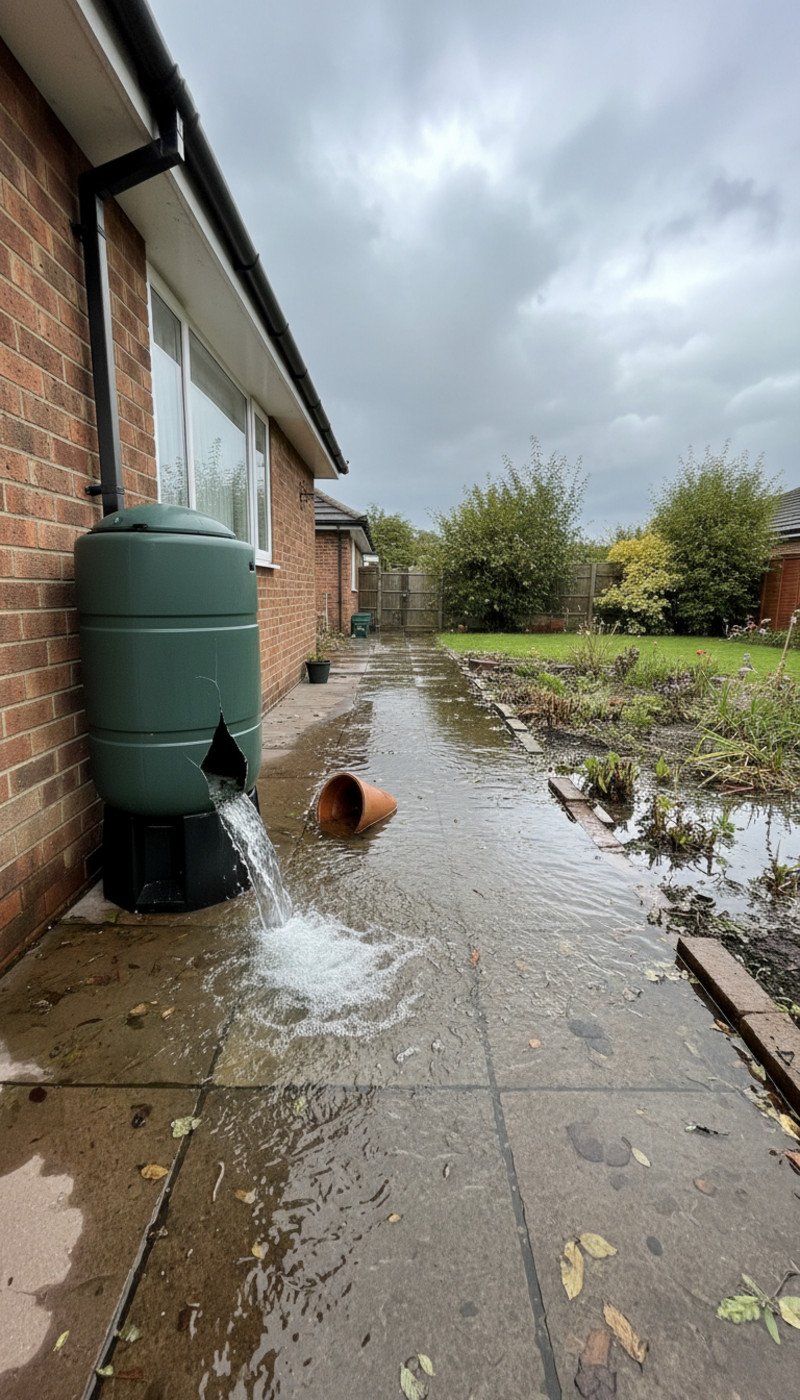
Safeguarding Your Investment: Preventing Punctured Water Butts
A punctured water butt is the most common failure point in a domestic rainwater system. Understanding why they fail is the first step toward building a more reliable setup. These failures aren’t random accidents; they are predictable outcomes of material weakness and environmental stress. Moving beyond these issues is essential for protecting your property.
Common Causes of Water Butt Failure
- Material Fatigue: Many off-the-shelf water butts are made from thin, non-UV-stabilized plastic. Over time, sunlight degrades the material, making it brittle and prone to cracking under pressure.
- Poor Placement: Placing a water butt on an uneven or unstable base creates stress points. As the butt fills with hundreds of kilograms of water, these pressure points can easily lead to splits and punctures.
- Excessive Pressure: During a torrential downpour, water from a large roof area can rush into the butt faster than the overflow can handle. This immense hydraulic pressure can split seams or cause the body to bulge and fail.
- Ice Damage: In winter, water left in the butt can freeze. As ice expands, it exerts incredible force on the walls, leading to cracks that may not become apparent until the spring thaw.
These individual failures contribute to a larger problem. When a garden floods, it increases runoff into public systems. With 57% of UK councils reporting overwhelmed sewers in the last decade (source), every homeowner’s effort to manage water on their property helps reduce the strain on overburdened infrastructure. A robust water management strategy, starting with avoiding punctured water butts, is a key part of the solution.
Beyond Basic Butts: Advanced Rain Harvesting & Drainage for True Flood Prevention
To truly protect your home and garden, you need to think beyond simple storage. The goal is water management, not just water collection. Advanced systems are designed to handle the volume and intensity of modern storms by controlling the flow of water, providing a far superior level of protection.
One of the most effective strategies is slow-release rain harvesting. Instead of just holding water until you use it, these systems are designed to capture the initial deluge from a storm and then release it slowly and safely into the ground or drainage system over several hours. This drastically reduces the peak flow of water from your property, preventing your garden from becoming a swamp and easing the burden on municipal sewers. When combined with flood-proof landscaping techniques, the results are even more powerful.
Similarly, smart garden drainage incorporates solutions like permeable paving, rain gardens, and French drains. These Sustainable Drainage Systems (SuDS) are designed to mimic natural processes, allowing rainwater to soak into the ground rather than running off into drains. It’s no surprise that 92% of UK councils are now implementing or planning flood remediation using SuDS, recognizing them as the professional standard for effective water management (source). By adopting these methods, you’re not just protecting your garden; you’re implementing a professionally endorsed strategy for long-term resilience.
Choosing a Storm-Ready Solution: Key Features for Durability & Performance
When you’re ready to upgrade, knowing what to look for is critical. Not all water management products are created equal. A “storm-ready” system is defined by its materials, construction, and design features, which are engineered to withstand extreme weather conditions, not just average rainfall. Investing in quality upfront prevents costly failures down the line. When considering your options, a detailed guide to landscaping services and backyard ideas can help you integrate these systems beautifully.
Checklist for a Resilient System:
- Material Strength: Look for products made from UV-stabilized, high-density polyethylene (HDPE) or other robust polymers. These materials resist becoming brittle in sunlight and can handle the physical stress of temperature changes and high water pressure.
- Secure Connections: The weakest points are often the taps and fittings. Opt for systems with solid, threaded brass fittings over flimsy, push-fit plastic ones. Ensure all connections are watertight and durable.
- Effective Overflow Mechanism: A standard overflow is often just a small-diameter pipe. A true storm-ready system features a large-bore overflow that can safely channel a high volume of water away from the tank and your home’s foundation during a deluge.
- Structural Integrity: A well-designed tank will have a ribbed or corrugated construction for added strength, preventing it from bulging or deforming when full.
These features are standard in high-quality storm-ready water barrels and attenuation water tanks. While they represent a higher initial investment, they are designed to prevent the kind of widespread damage that contributes to the staggering £566 million spent annually by UK councils on flood cleanup. Your investment protects not only your property but also contributes to community-wide resilience.
Investing in Flood Resilience: Options for Your Garden
Choosing the right system depends on your property size, roof area, and specific flood risk. While detailed cost breakdowns vary, the principle remains the same: investing in a properly sized, robust system is far cheaper than recovering from flood damage. Exploring different options can help you create the perfect outdoor lounge area without the constant worry of water damage.
High-Capacity Solutions:
| Solution Type | Best For | Key Benefits | Considerations |
|---|---|---|---|
| Large Storm-Ready Water Barrels | Most suburban homes | Easy to install, connects directly to downpipes, provides usable water for the garden. Multiple units can be linked for increased capacity. | Above-ground placement takes up garden space. Capacity may be insufficient for very large roofs or extreme rainfall areas. |
| Attenuation Water Tanks | Larger properties, high-risk areas, or new builds | Typically installed underground, saving garden space. Can manage huge volumes of water, offering the highest level of flood protection by slowing runoff. | Requires professional installation and excavation, representing a more significant initial investment. |
The decision to invest in these systems is a financial calculation of risk versus cost. With individual councils facing cleanup costs averaging £100,063 per flood event, the price of inaction is clear. By installing high-capacity attenuation water tanks or a series of well-built storm-ready water barrels, you are effectively insuring your property against the escalating financial threat of water damage. It’s a proactive step that protects your home’s value and your peace of mind.
Future-Proofing Your Garden: Maintenance & Longevity
Installing a high-quality water management system is the first step. The second, equally important step is regular maintenance to ensure it performs effectively for years to come. A neglected system can fail just as easily as a poorly made one. Simple, routine checks will protect your investment and guarantee your garden is ready for any weather.
Your Seasonal Maintenance Checklist:
- Autumn: Clear gutters and downpipes of leaves and debris to prevent blockages. Ensure any filters or leaf diverters are clean and functioning correctly. This is also a good time to give your system a thorough clean.
- Winter: To prevent ice damage, either drain your water barrels completely or leave them only partially full with a buoyant object like a ball floating inside. This gives expanding ice a place to crush, relieving pressure on the tank walls.
- Spring: Inspect all tanks, pipes, and connections for any cracks or damage that may have occurred over winter. Reconnect any drained systems and test the flow to ensure everything is working before the heavy spring rains.
- Summer: Keep an eye on your smart garden drainage systems like rain gardens or permeable surfaces, clearing away any silt or debris that could impede water absorption.
This proactive approach to maintenance is crucial for mitigating long-term risk. Total economic damages from floods in England and Wales are estimated to be as high as £708 million annually in 2024 prices (source). Your small, consistent efforts are part of a larger strategy to avoid becoming a part of that statistic and to ensure your small screened-in porch or patio remains a dry, usable space.
Conclusion: From Reactive Repairs to Proactive Protection
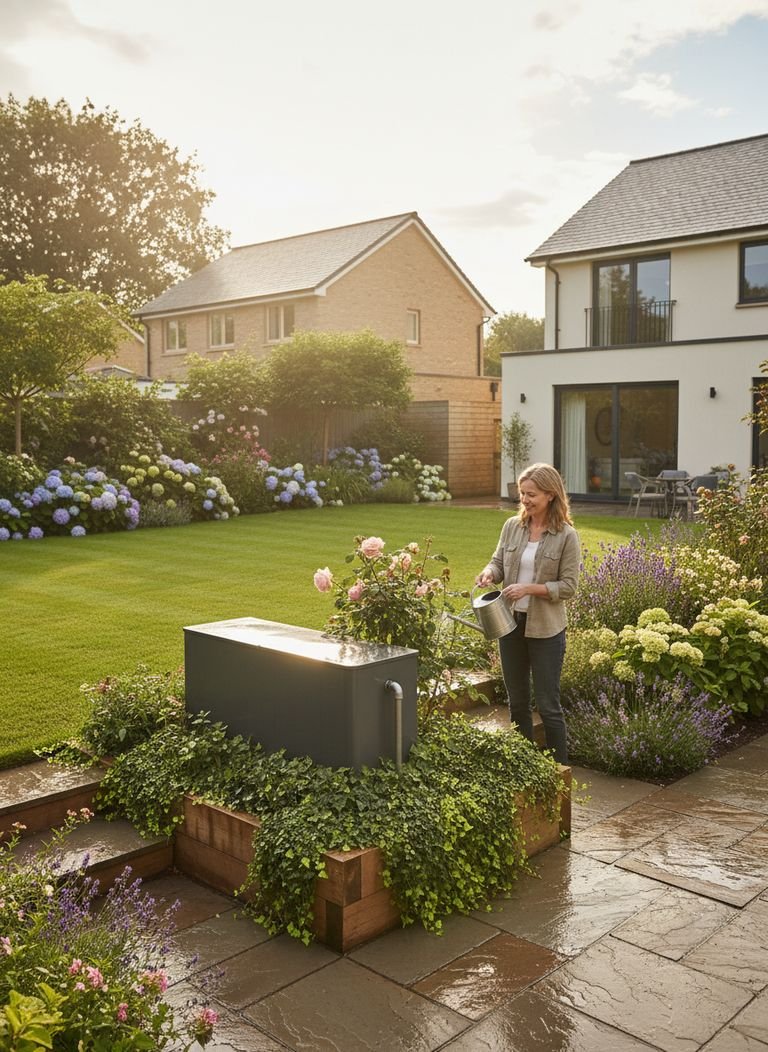
The days of setting up a cheap water butt and hoping for the best are over. With changing weather patterns, a proactive and robust approach to rainwater management is no longer a luxury but a necessity for responsible homeowners. By understanding the common failure points of traditional systems, you can make informed decisions to protect your property from water damage.
Upgrading to durable, storm-ready water barrels or investing in advanced solutions like slow-release harvesting and smart drainage moves you from a position of vulnerability to one of control. It’s an investment in your home’s safety, your financial security, and your peace of mind. By addressing the root causes of failure, you can finally stop worrying about Punctured Water Butts and start building a truly resilient and flood-proof garden. Take the first step today by evaluating your current system and planning for a stronger, more reliable future.
Frequently Asked Questions
Can a punctured water butt be repaired?
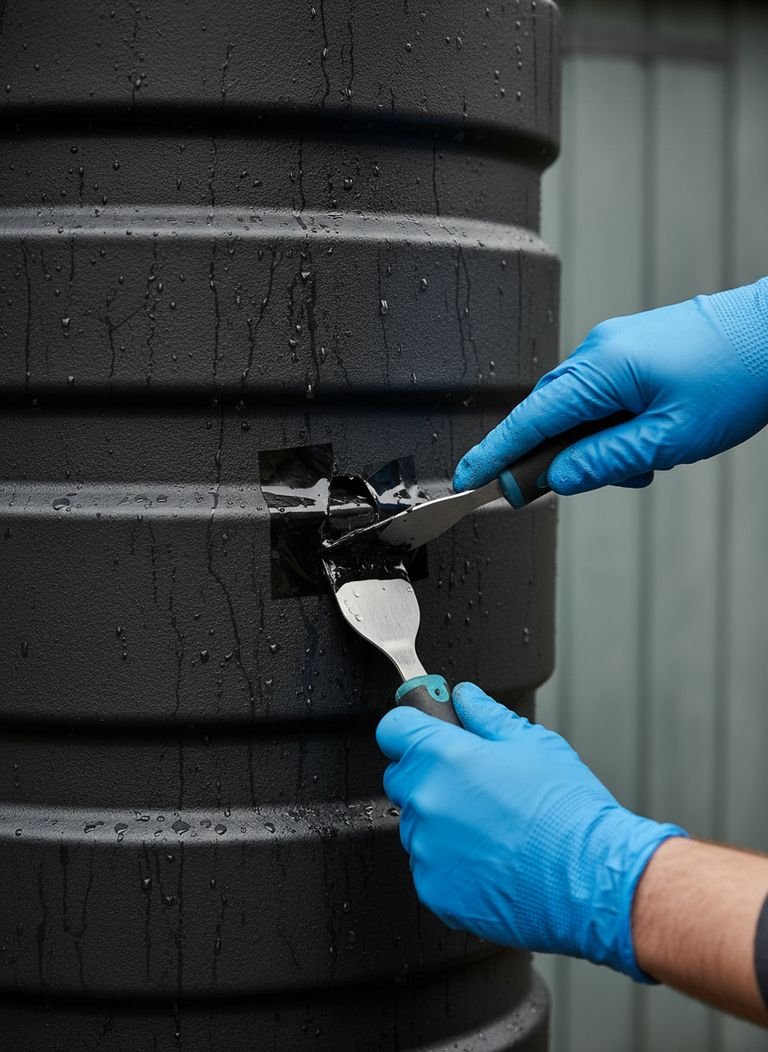
Yes, minor cracks and small punctures can often be repaired using a waterproof plastic repair kit or a specialized sealant designed for polymers like polyethylene. However, a repair should be seen as a temporary fix. A puncture is often a sign of widespread material degradation, and the butt is likely to fail elsewhere soon. For long-term reliability, replacement with a higher-quality unit is recommended.
What is the difference between a water butt and an attenuation tank?
A water butt is primarily for water storage, collecting rainwater for later use in the garden. Its overflow is a secondary feature. An attenuation tank is a flood prevention device first and foremost. Its main purpose is to capture a large volume of stormwater and release it slowly (attenuate the flow) into the drainage system to prevent overwhelming it. It is engineered for water management, not just storage.
How big of a storm-ready water barrel do I need?
A general rule of thumb is to provide at least 25 litres of storage for every square metre of roof area that feeds into it. For example, a 50 square metre roof section would ideally need 1,250 litres of capacity. However, this can be adjusted based on your local climate. It’s often better to connect multiple smaller barrels than to rely on a single, undersized one.
Are these advanced rainwater systems difficult to install?
Large storm-ready water barrels are typically a straightforward DIY installation, connecting to existing downpipes with a diverter kit. However, more complex systems like underground attenuation tanks or extensive smart drainage (like French drains or permeable paving) require professional design and installation to ensure they function correctly and safely.
Do I need planning permission to install a large rainwater harvesting system?
For most residential above-ground systems, planning permission is not required. However, for very large systems, or for underground attenuation tanks, it’s wise to check with your local planning authority. Regulations can vary, especially if you live in a conservation area, a listed building, or if the installation involves significant excavation.