

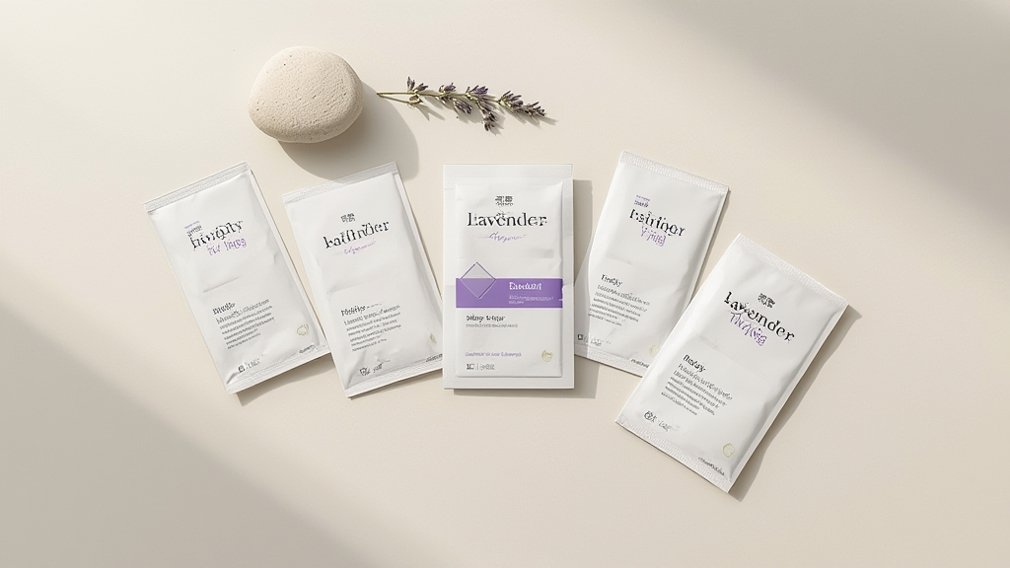
The use of Mouth Tape for Sleep has surged as a simple, non-invasive wellness trend promising to improve sleep quality by encouraging nasal breathing. While social media is filled with anecdotal success stories, it is crucial to understand both the proposed benefits and the significant lack of scientific evidence before trying it yourself. This guide provides a balanced, evidence-informed look at mouth taping, helping you make a safe and informed decision.
Key Takeaways
- Mouth taping is a growing trend aimed at promoting nasal breathing during sleep to reduce snoring and improve sleep quality, but it is not a one-size-fits-all solution.
- Current scientific evidence is extremely limited; there are no peer-reviewed clinical studies that robustly support the claims of efficacy for snoring reduction, improved nasal breathing, or impact on sleep apnea.
- Medical consultation is essential before trying mouth tape, as it is contraindicated for individuals with nasal congestion, certain respiratory conditions, or sleep apnea, and could pose safety risks.
- Mouth Taping for Sleep: The Buzz Around a Simple Solution
- How Mouth Tape Aims to Transform Your Sleep Quality
- The Scientific Reality: What Peer-Reviewed Research Says About Efficacy
- Crucial Medical Considerations Before You Tape: What Experts Want You to Know
- Decoding Mouth Tape Brands: What to Look for in a Product
- Integrating Mouth Tape into Your Routine: Overcoming Common Hurdles
- Is Mouth Taping the Right Sleep Solution for You?
- Frequently Asked Questions
Mouth Taping for Sleep: The Buzz Around a Simple Solution
Mouth taping has rapidly transitioned from a niche biohacking technique to a mainstream wellness trend. These simple adhesive products, often marketed as sleep wellness strips, are designed to keep your lips sealed during the night, thereby encouraging you to breathe through your nose. The trend’s growth is staggering, reflecting a broader societal interest in sleep optimization. The global mouth tape market was valued at USD 0.18 billion in 2024 and is projected to reach USD 0.33 billion by 2030. This growth is mirrored in online interest, with Google Trends data showing a 340% increase in searches for “mouth tape” since early 2022. This buzz highlights a clear demand for accessible, non-pharmaceutical solutions for better sleep.

How Mouth Tape Aims to Transform Your Sleep Quality
The core principle behind using Mouth Tape for Sleep is to shift breathing from the mouth to the nose. Nasal breathing is physiologically superior for several reasons: it filters, warms, and humidifies inhaled air; it increases nitric oxide production, which improves oxygen circulation; and it can help stabilize breathing patterns. By preventing mouth breathing, anti-snoring mouth tape aims to reduce the vibrations in the throat tissue that cause snoring. Many users hope that by using these nasal breathing strips consistently, they can retrain their bodies to maintain nasal breathing throughout the night, potentially leading to deeper, more restorative sleep and waking up without a dry mouth. The popularity for this specific use is clear, with searches for “mouth tape for snoring” hitting peak interest in early 2025, showing strong consumer adoption for this purpose.
The Scientific Reality: What Peer-Reviewed Research Says About Efficacy
Despite the explosion in popularity and compelling anecdotal reports, the practice of mouth taping rests on a foundation of very little scientific evidence. A critical review of medical literature reveals a significant gap: as of today, there are no robust, peer-reviewed clinical studies that quantify the efficacy of mouth tape for improving nasal breathing, reducing snoring, or positively impacting the Apnea-Hypopnea Index (AHI) in individuals with mild sleep apnea. While the benefits of nasal breathing itself are well-documented, the effectiveness of these sleep hygiene products in achieving those benefits remains unproven. This creates a stark contrast between the claims circulating on social media platforms like TikTok and the cautious stance of the medical community. One article in the National Center for Biotechnology Information (NCBI) library even critiques such social media fads for their lack of evidence regarding safety and efficacy for sleep-disordered breathing.
Crucial Medical Considerations Before You Tape: What Experts Want You to Know
Before you consider using an anti-snoring mouth tape, it is absolutely essential to consult with a healthcare professional. Medical experts raise significant safety concerns, especially for individuals who may have undiagnosed sleep-disordered breathing conditions like sleep apnea. Taping the mouth shut when you have a blocked nasal passage, whether from allergies, a cold, or a deviated septum, can be dangerous. It is not a treatment for sleep apnea; in fact, for someone with moderate to severe obstructive sleep apnea (OSA), it could potentially worsen the condition by obstructing a critical airway. Furthermore, while research is limited, experts caution about potential long-term issues, including skin irritation from adhesives, disruption of oral health, or even negative impacts on jaw alignment. These sleep hygiene products should never be used on children or individuals who cannot remove the tape themselves. Crafting a tranquil sleep environment, perhaps through a spa bathroom design, can be a safer first step in improving sleep hygiene.
Decoding Mouth Tape Brands: What to Look for in a Product
If you and your doctor decide that trying Mouth Tape for Sleep is a safe option for you, navigating the market can be challenging. Products vary widely in price, from under $10 to over $30 for a month’s supply, with most brands on Amazon falling in the $12 to $25 range. Since terms like “medical-grade” are not standardized and FDA clearance for this specific application is not common, consumers should focus on material properties. Look for tapes made with a gentle, hypoallergenic adhesive to minimize skin irritation. Comfort is key for adherence, so prioritize products described as lightweight, thin, and breathable. Some tapes feature a small vent or are designed to break away with pressure, which can be a good safety feature for first-time users. Ultimately, finding the right product often comes down to personal preference and trial and error. Thinking about holistic wellness can also help; consider how biophilic bathroom design can create a calming pre-sleep routine.
Integrating Mouth Tape into Your Routine: Overcoming Common Hurdles
Successfully making sleep wellness strips a part of your nightly routine involves more than just applying them correctly. Many users face initial challenges that can lead to discontinuation. Discomfort, a feeling of claustrophobia, or skin irritation from the adhesive are common hurdles. While no formal data quantifies these complaints, product differentiation often aims to address them indirectly. Brands that emphasize gentle adhesives and breathable materials are trying to improve user comfort and boost adherence. For those who find the sensation restrictive, it is important to start slow.
Another strategy is to start with a smaller, less restrictive tape. Some people begin with a small vertical strip over the center of their lips rather than a full seal. This can feel less intimidating and still helps train the jaw to remain closed. Consistency is often tied to convenience and comfort, so finding a product that feels secure but not aggressive is key. Improving your overall sleep environment, such as by exploring small screened-in porch ideas for evening relaxation, can also contribute to a better night’s rest.
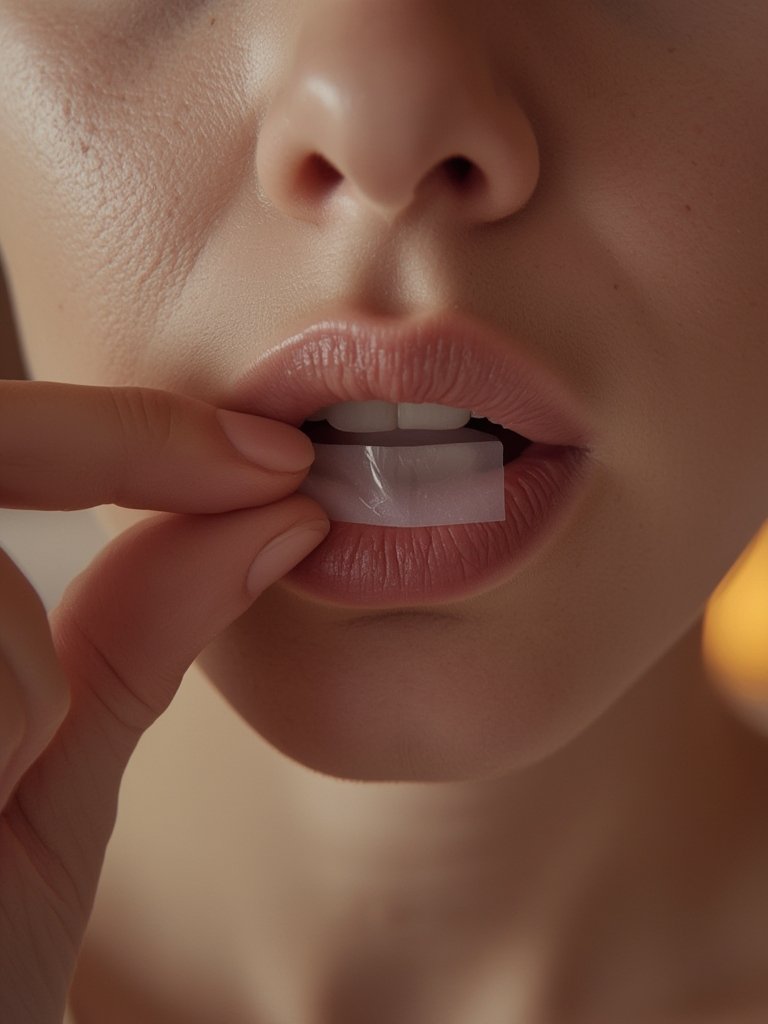
Is Mouth Taping the Right Sleep Solution for You?
Ultimately, deciding whether to use Mouth Tape for Sleep requires a careful assessment of the potential rewards and the known risks. It may be a viable option for healthy individuals with clear nasal passages who are experiencing mild, non-apneic snoring or simply want to encourage nasal breathing. However, its viral popularity has outpaced the scientific research needed to validate its effectiveness and long-term safety. The most critical takeaway is that mouth taping is not a substitute for medical diagnosis or treatment.

If you are struggling with poor sleep, snoring, or daytime fatigue, your first step should always be a conversation with a healthcare professional. They can help identify the root cause of your issues, which could range from lifestyle factors to serious conditions like obstructive sleep apnea. While improving your home environment with things like a smart home voice control system for convenience or planning a calming kitchen and bathroom remodel can support a wellness-focused lifestyle, direct interventions like Mouth Tape for Sleep demand medical guidance. Make an informed choice based on evidence and expert advice, not just trends.
Frequently Asked Questions
Is mouth tape for sleep safe for everyone?
No, it is not safe for everyone. Individuals with nasal congestion, a deviated septum, allergies, or any condition that obstructs their nasal passages should not use it. It is also contraindicated for people with sleep apnea, asthma, or other respiratory conditions. It should never be used on children. Always consult a doctor before trying mouth tape.
Can mouth tape cure sleep apnea?
No. Mouth tape is not a treatment for sleep apnea. Sleep apnea is a serious medical condition that requires professional diagnosis and treatment, such as CPAP therapy. Using mouth tape with undiagnosed or untreated sleep apnea could be dangerous by blocking a vital airway.
What are the potential side effects of using mouth tape?
Potential side effects include skin irritation or allergic reactions to the adhesive, discomfort, anxiety or claustrophobia, and disrupted sleep. There is also a theoretical risk of long-term dental or jaw alignment issues, though this has not been studied extensively.
What should I look for when buying mouth tape?
Look for products made with a hypoallergenic, gentle adhesive to minimize skin irritation. Choose a tape that is flexible, lightweight, and breathable. Some tapes have a small vent or are designed to be easily removed with mouth pressure, which can be good safety features for new users.
Does mouth taping actually work to stop snoring?
Anecdotally, some people report a reduction in snoring. However, there is currently no significant body of peer-reviewed scientific evidence to prove its effectiveness. Snoring can be a symptom of underlying health issues, so it is important to discuss it with a doctor rather than relying solely on trends.