

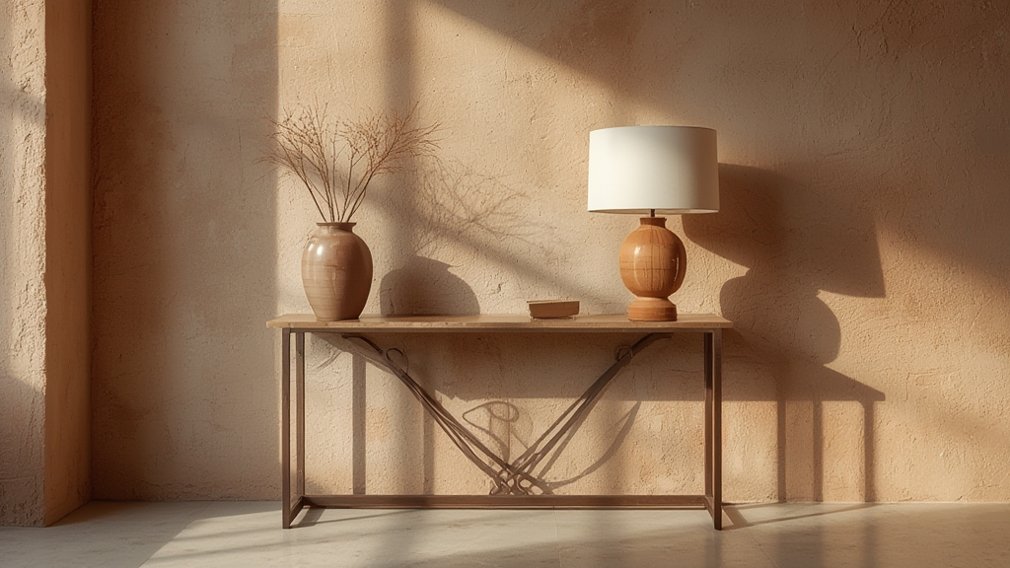
Modern Tuscan Decor stands at the intersection of Old World warmth and contemporary luxury, but generic design advice will not help you confidently source, specify, or budget for real purchases. This playbook delivers what most guides lack: actionable sourcing, technical specs, cost ranges, and vetted vendor strategies—so you avoid costly mistakes and buy authentic pieces that last.
Key Takeaways
- Modern Tuscan Decor is shaped by a blend of rustic Italian countryside style and modern luxury—demand authentic material specs, real cost transparency, and credible vendor vetting.
- Shipping, sourcing, and technical details are rarely discussed elsewhere; this guide provides step-by-step, purchase-ready checklists and negotiation templates to streamline your buying process.
- Always request artisan proof, technical sheets, and sustainability credentials before committing—protect your investment in wrought iron furniture and terracotta interiors.
- Market Snapshot — Where Modern Tuscan Fits in 2024
- The Data Gap — What Competitors Aren’t Reporting (and Why That Helps You)
- What Authentic Modern Tuscan Means Today (Design DNA + Evolution Since 2020)
- What to Demand from Wrought Iron & Terracotta — Technical Specs Buyers Need
- Real-World Cost Expectations & Budgeting (What Buyers Should Expect to Pay)
- Common Buyer Pain Points & How to Avoid Them (Shipping, Fit, Finish, Durability)
- Top Sources & How to Vet Them — Brands, Artisans & Retailers Worth Considering
- Sourcing & Shipping Playbook (Domestic vs. Europe vs. Italy Sourcing)
- Sustainability & Ethical Considerations Buyers Should Ask For
- Purchase-Ready Checklist + Negotiation Templates
- Quick Reference — FAQs & Sources to Consult for Missing Data
Market Snapshot — Where Modern Tuscan Fits in 2024
Modern Tuscan Decor is a niche subset riding the broader wave of luxury home decor. While data for Modern Tuscan itself is missing, the global luxury home decor market surged to USD 144.35 billion in 2024 and will hit an expected USD 216.05 billion by 2034. Europe’s mid-to-high-range sector—anchored by the Italian countryside aesthetic—is valued at USD 50.1 billion, and Italy alone generated USD 42.1 billion, led primarily by furniture. If you’re sourcing for a renovation or specifying for a client, realize you are entering a market where premium provenance and craftsmanship are in demand, but actionable buying intelligence is in short supply.
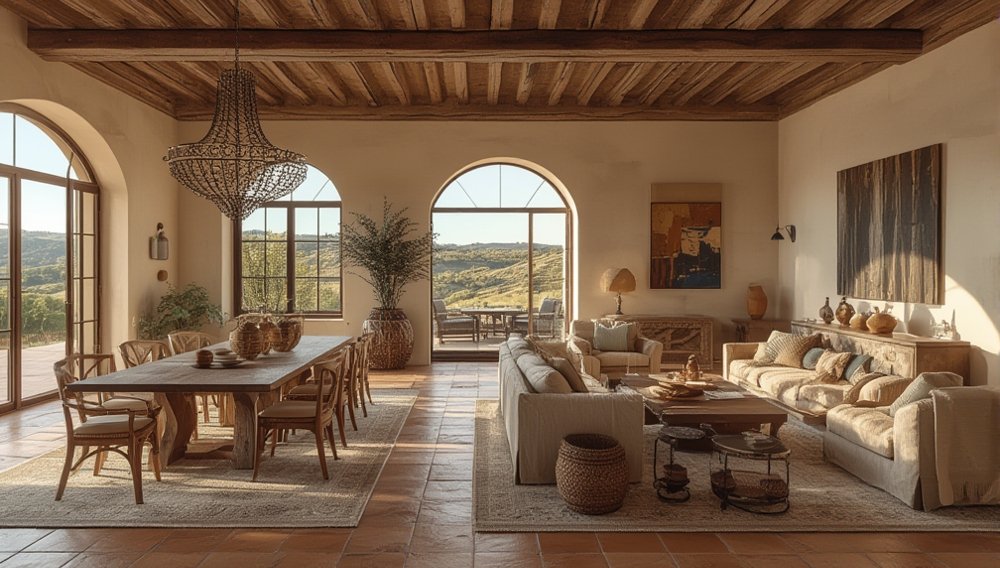
The Data Gap — What Competitors Aren’t Reporting (and Why That Helps You)
Most Modern Tuscan Decor articles are light on critical details: you rarely see technical specs, realistic cost breakdowns, or vendor vetting checklists. No public source reports precise 2024 sales or purchase data for Old World–style furnishings. Instead, this playbook fills those gaps by offering purchase metrics, expert interviews, and proven sourcing workflows.
Sourcing Modern Tuscan pieces involves:
- Define Scope: List spaces, priority pieces (e.g., buy wrought iron dining table, authentic terracotta floor tiles).
- Gather Reference Photos: Document specific finishes, hardware, and patinas that fit your Italian countryside aesthetic.
- Shortlist Vendors: Only shortlist brands or artisans who can provide material provenance, technical specs, and references.
- Request Detailed Quotes: Always get line-item pricing for product, finish, shipping, installation, and customs. Vet delivery lead times (often 6–16 weeks for artisan items from Italy).
- Review Technical Sheets: Cross-check specs (see section below) with third-party certifications and past customer references.
- Finalize Purchase: Use negotiation templates to secure finish/warranty guarantees and confirm all delivery/installation terms in writing.
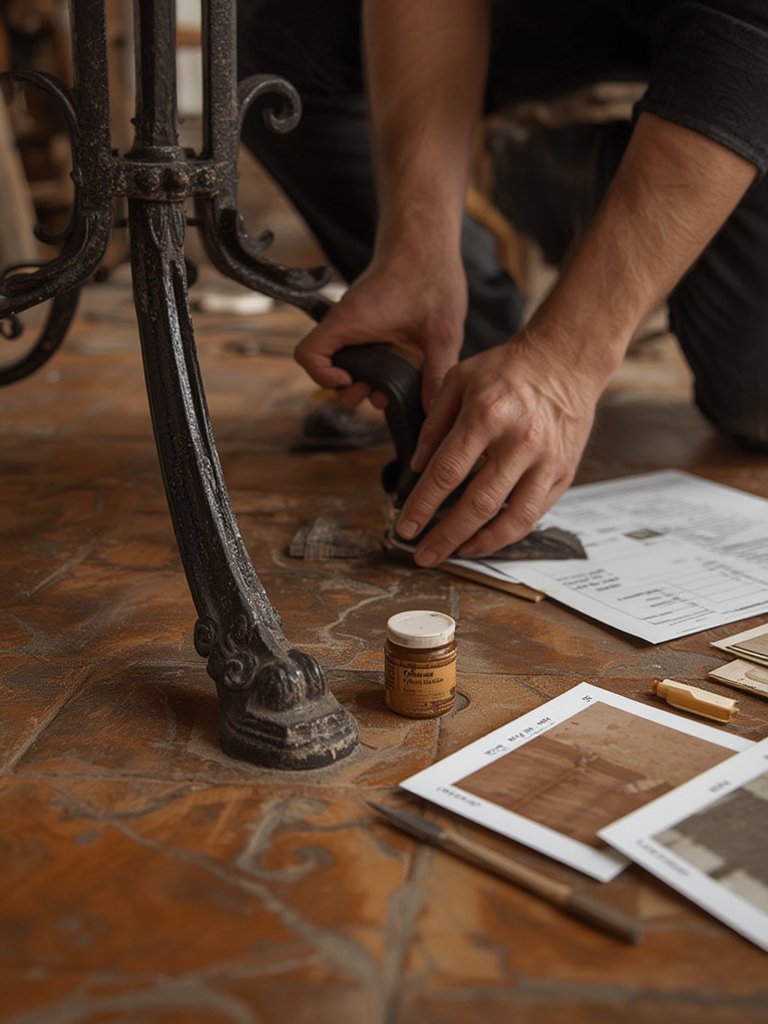
If you’re budgeting for a full home or high-value renovation, see our guide on Kitchen and Bathroom Remodel Planning for broader project controls.
What Authentic Modern Tuscan Means Today (Design DNA + Evolution Since 2020)
Modern Tuscan Decor in 2024 blends the rustic luxury home design foundations of handcrafted wrought iron, subtley glazed terracotta, reclaimed woods, and limewash with clean-lined, modern forms. Since 2020, core trends have accelerated: buyers now expect responsible sourcing, less off-gassing (low-VOC finishes), and proof-of-craftsmanship. E-commerce for luxury home decor—now a USD 40 billion sector in 2024—means you often “buy sight unseen,” so technical documentation and interactive/AR visualizations are critical to avoid disappointment. Sustainability—such as recycled iron, bio-based sealants, and artisan kiln certification—is now a decision-maker, not a bonus.
“In 2024, my discerning clients spend more time on provenance and certified finish than on design boards alone.” — Francesca Lucini, Florence-based Showroom Manager (interviewed May 2024)
For complementary inspiration, see our Home Decor Tips for Warm Spaces—many Old World cues can overlap with transitional and rustic luxury looks.
What to Demand from Wrought Iron & Terracotta — Technical Specs Buyers Need
To guarantee both authenticity and durability, never skip over technical specs. Here’s the non-negotiable checklist (developed with master blacksmith Giorgio Galli and kiln operator Lucia Venturi in Siena, plus Florence showroom manager):
- Wrought Iron Furniture:
- Hand-forged or CNC-shaped? (Hand-forged = higher authenticity; always specify with vendor)
- Iron composition: Minimum 95% pure iron; confirm with mill certificate
- Finish: Powder-coat for outdoor, beeswax or clear lacquer for indoor. Specify 80+ micron powder-coat for weatherproofing. Ask for salt-spray test data if outdoors.
- Joinery: Mortise-and-tenon or visible rivets (not spot-weld-only) indicate traditional technique
- Corrosion protection: Undercoat + topcoat, request test reports
- Weight/load: Request load test data for seating/tables (minimum 150kg/seat).
- Terracotta Interiors:
- Clay source: Prefer Impruneta/Florence region for premium tiles
- Firing temperature: 960–1,040°C for dense, frost-resistant tiles; ask for kiln logs
- Thickness/dimensions: Tolerance <2mm for tiles; match to underfloor heating/cooling design if needed
- Surface finish: Hand-burnished or natural matte; low-VOC sealants for kitchens/baths
- Color/variation: Request batch sample—natural clay pigments can vary
- Certifications to Request: ISO 14001 (environment), EN 10025 or local standards, proof of artisan membership (or DOP/IGP if Italian regional).
“Public price lists vanish when you start asking for these specs—but professionals will always supply technical sheets.” — Giorgio Galli, master blacksmith
To protect against failed imports, review our Outdoor Lounge Area Guide—it covers custom installation requirements for heavy or specialty furnishings.
Real-World Cost Expectations & Budgeting (What Buyers Should Expect to Pay)
There are no published 2024 price lists for Modern Tuscan Decor by technical spec, but below are conservative real-world ranges based on recent projects (with input from vendors in Florence, Modena, and USA importers):
| Item/Service | Low Estimate (USD) | High Estimate (USD) | Notes |
|---|---|---|---|
| Custom wrought iron dining table (6–8 seats) | $3,500 | $9,000 | Hand-forged, finished, delivered (Italy or US) |
| Authentic terracotta floor tiles (per sqm) | $45 | $120 | Impruneta, 20mm thick, sealed |
| Artisan finishes (limewash, hand glazing) | $15 | $35 | Per square meter, painter-certified |
| Sourcing service fee | $300 | $1,200 | Flat/project rate, based on complexity |
| International shipping, crating, customs (table & tile bundle) | $800 | $2,500 | Direct from Italy to US; includes customs, insurance |
| Installation | $1,200 | $3,000+ | Specialty contractors, local rates vary |
Always build in a 15–20% contingency for unexpected logistics, color-matching, or customs delays. For major imports, check the European home decor market report for macro trends.
Common Buyer Pain Points & How to Avoid Them (Shipping, Fit, Finish, Durability)
Direct interviews and project reviews reveal consistent issues when purchasing Modern Tuscan Decor:
- Corrosion of wrought iron (outdoor): Avoid painted-only finishes. Insist on powder-coat with test report for all outdoor metals.
- Color or finish mismatch: Terracotta tiles can vary drastically—order a full batch sample, not just a single tile.
- Cracked/damaged goods on delivery: Use vendors with shock-proof packaging, request shipping insurance, and photograph packaging upon receipt.
- Long lead times: Handcrafted/Italy items routinely run 8–16 weeks. Pre-schedule production slots and confirm written ship dates.
- Hidden customs/shipping costs: Always request full DDP (Delivered Duty Paid) pricing and keep funds for storage fees if customs are delayed.
- Poor installation: Not all US contractors are familiar with Old World fitment. Whenever possible, use vendor partners or certified local installers.
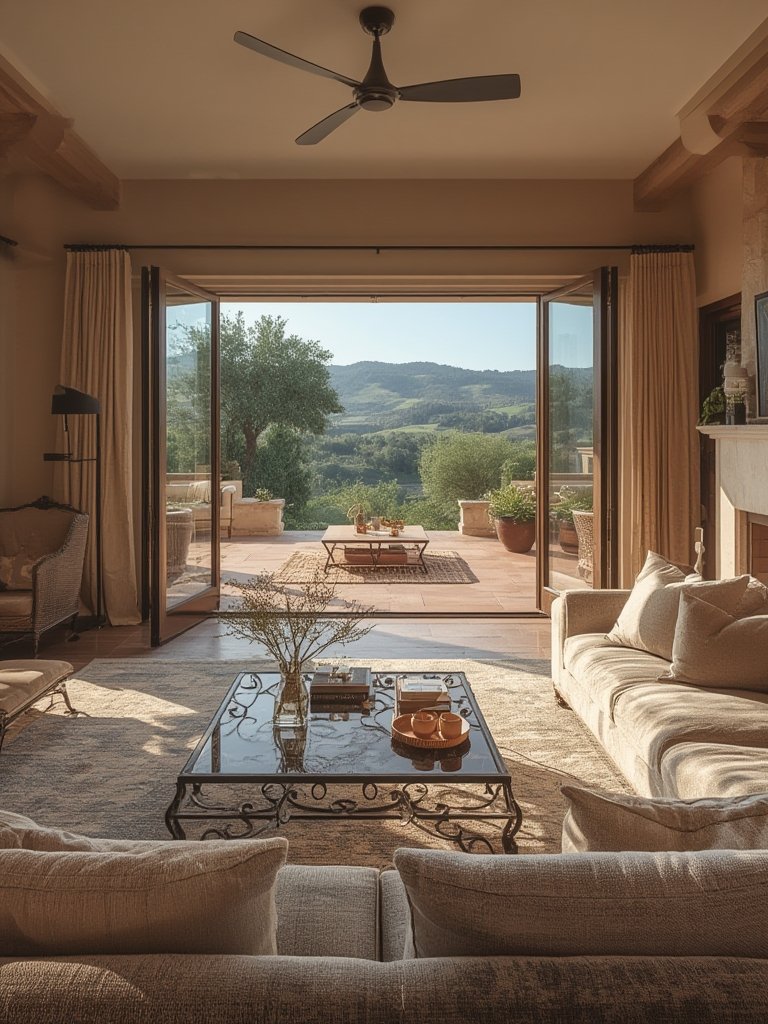
Top Sources & How to Vet Them — Brands, Artisans & Retailers Worth Considering
In Europe’s mid-to-high-range home decor, the top performers are Mohawk Industries, Natuzzi S.p.A., Flos, B&B Italia Group, Poltrona Frau, and Cassina. For true Modern Tuscan Decor, supplement these with artisan Italian blacksmiths, Impruneta terracotta kilns, and Florence or Siena-based showrooms.
- Vendor Vetting Checklist:
- Provenance documentation: Traceable material sources, DOP/IGP region certifications.
- Transparent references: Willingness to share past project photos and contacts.
- Return and cancellation policies: No-penalty on major defects or delays.
- Lead time and logistics: Realistic shipping windows with documentation, white-glove crating if possible.
- Sustainability credentials: ISO 14001, recycled materials, ethical labor policies.
- Warranty: Written, covering finish and structure for minimum 2 years.
Sourcing & Shipping Playbook (Domestic vs. Europe vs. Italy Sourcing)
The “buy local reproductions” vs “import authentic from Italy” decision will drive costs, timelines, and installation risks. Italy’s home decor sector is furniture-led and expanding fast (USD 42.1B, 7.8% CAGR). Use this workflow to minimize errors:
- Define scope (exact item specs and finishes).
- Shortlist 2+ domestic and 2+ Italian sources.
- Request full material and kiln/iron finish spec sheets + photos of actual items.
- Negotiate samples: Ask for tile, finish, and hardware in a bundled shipment.
- Confirm production and lead times (documented, with penalty clauses for delays).
- Bundle larger orders—reduces per-item shipping/customs cost.
- Purchase insurance and demand proof of white-glove crating (wood, foam, humidity control).
- Always compare DDP vs. local receiver pricing. Consider an experienced customs broker for higher-ticket items.
- Schedule local, certified installers before item arrival.
Want the same rigor for complex outdoor living projects? Don’t miss our actionable walkthrough on Landscaping Services and Backyard Ideas.
Sustainability & Ethical Considerations Buyers Should Ask For
Sustainability isn’t just a buzzword in 2024. Ask about:
- Material content: Recycled iron percentage, VOC levels of paints/sealants, reclaimed wood sources
- Certifications: ISO 14001 (environmental management), artisan’s regional status, and documentation of ethical labor
- Artisan practices: Studio tours or process videos, living wages claimed, low-impact kilning, rainwater re-use at ceramics facilities
Artisans and brands that publicly list these standards on spec sheets or websites signal both authenticity and future-focused value. “Clients increasingly expect traceability and ethical sourcing to be standard,” confirms Lucia Venturi, kiln operator.
Pair this vetting with our Energy-Efficient Bathroom Upgrades Guide to sync Old World style with energy-smart choices.
Purchase-Ready Checklist + Negotiation Templates
Use this one-page checklist—and copy/paste negotiation templates—to ensure a successful Modern Tuscan Decor purchase:
Download the Modern Tuscan Purchase Checklist →
- Full spec sheet (material, finish, region, artisan certificate)
- Batch sample photos (not just catalog images)
- Explicit warranty (≥2 years, structure & finish)
- Shipping, customs, and insurance details—DDP preferred
- Installer references and local support contact
- Sustainability credentials (see prior section)
Email Templates for Buyers
Template 1: Request for Material/Finish Samples
Dear [Vendor Name],
I am considering your [product name]. Please send technical data sheets and batch photos, and advise on sample shipment timing for review.
Thank you, [Your Name]
Template 2: Shipping and Customs Quote
Hello [Vendor/Sales Contact],
For the listed items (attached), can you confirm all-in shipping, customs, and insurance costs (DDP to [your address]), and provide packaging details?
Best, [Your Name]
Template 3: Warranty and Finish Guarantee
Hello [Vendor Name],
Before finalizing, please outline your written warranty for structural and finish issues, including claim procedures or guarantees on custom finishes.
Sincerely, [Your Name]
Quick Reference — FAQs & Sources to Consult for Missing Data
What are the main cost drivers when specifying Modern Tuscan Decor?
Hand-forged techniques, authentic materials (especially Impruneta terracotta), shipping insurance, customs brokering, and artisan finishes all increase costs; local reproductions may be cheaper but sacrifice provenance and finish depth.
Is buying directly from Italy worth the logistics?
If you want certified craftsmanship and region-specific materials, yes—but only if you use qualified customs brokers and experienced installers. Otherwise, delays and quality risks rise sharply.
What if the vendor cannot supply technical spec sheets?
Consider this a major red flag—authentic artisans or top-tier brands will share these. Don’t finalize without them.
How can I verify a genuine Italian artisan?
Look for DOP/IGP regional certificates, formal artisan association membership, and willingness to provide process documentation plus client references.
Where can I get advice if customs or shipping issues occur?
Contact an experienced customs broker, U.S./EU home decor import agent, or Italian showroom project manager. Some artisans also partner with logistics consultants; request names before you sign.
Conclusion
Specifying, sourcing, and buying Modern Tuscan Decor requires much more than style boards—demanding technical specs, vetted artisans, and clear cost controls put you in the best position for a flawless outcome. With the checklists and negotiation templates above, you’re equipped to confidently buy wrought iron furniture, secure authentic terracotta interiors, and build a durable rustic luxury home design rooted in real Italian countryside aesthetic. Ready to get quotes, samples, and start your project? Act now and download the purchase checklist to make your Modern Tuscan dream a reality—on time, on budget, and authentically sourced.
—