

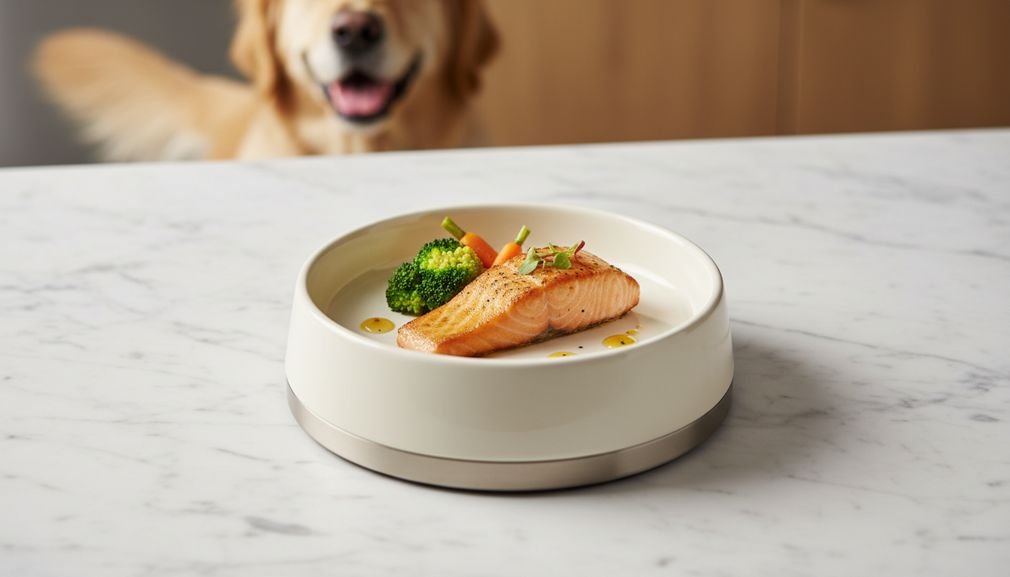
The rise of Gently Cooked Pet Food marks a significant shift in how we approach canine and feline nutrition, moving beyond processed pellets to meals that mirror our own standards for quality and freshness. For discerning pet parents, this category offers a compelling middle ground between the convenience of kibble and the perceived benefits of raw diets, delivering nutrient-rich, highly palatable food made from ingredients you can actually recognize.
Key Takeaways
- Gently cooked pet food bridges the gap between traditional kibble and raw diets, offering high bioavailability of nutrients through low-temperature cooking methods like sous-vide and steaming.
- The market is a super-premium segment experiencing rapid growth, with the global fresh pet food market projected to reach over USD 4 billion by 2030, reflecting a strong consumer demand for human-grade quality.
- While a significant investment compared to kibble, the potential benefits include improved digestion, better skin and coat health, and increased palatability, making it a viable option for pets with specific health needs or picky eating habits.
- The Fresh Revolution: Why Gently Cooked Pet Food is Taking Over
- Beyond Kibble: Understanding “Gently Cooked” Methods
- The “Human-Grade” Promise: Unpacking Quality and Ingredients
- The Economic Shift: Gently Cooked as a Super-Premium Investment
- Making the Switch: Is Gently Cooked Right for Your Companion?
- The Final Verdict on Gently Cooked Pet Food
- Frequently Asked Questions
The Fresh Revolution: Why Gently Cooked Pet Food is Taking Over
A quiet but powerful movement is reshaping pet food aisles and online subscription services. Driven by a generation of pet owners who view their companions as family, the demand for higher quality, transparently sourced nutrition is exploding. Gently cooked pet food sits at the epicentre of this change, presenting a premium alternative that directly challenges the dominance of highly processed, shelf-stable kibble. This isn’t just a niche trend; it’s a rapidly expanding market segment, with the gently cooked dog food market alone reaching USD 1.21 billion globally in 2024. This growth underscores a fundamental shift in consumer priorities from cost-efficiency to nutritional integrity and visible health outcomes for their pets.
Beyond Kibble: Understanding “Gently Cooked” Methods
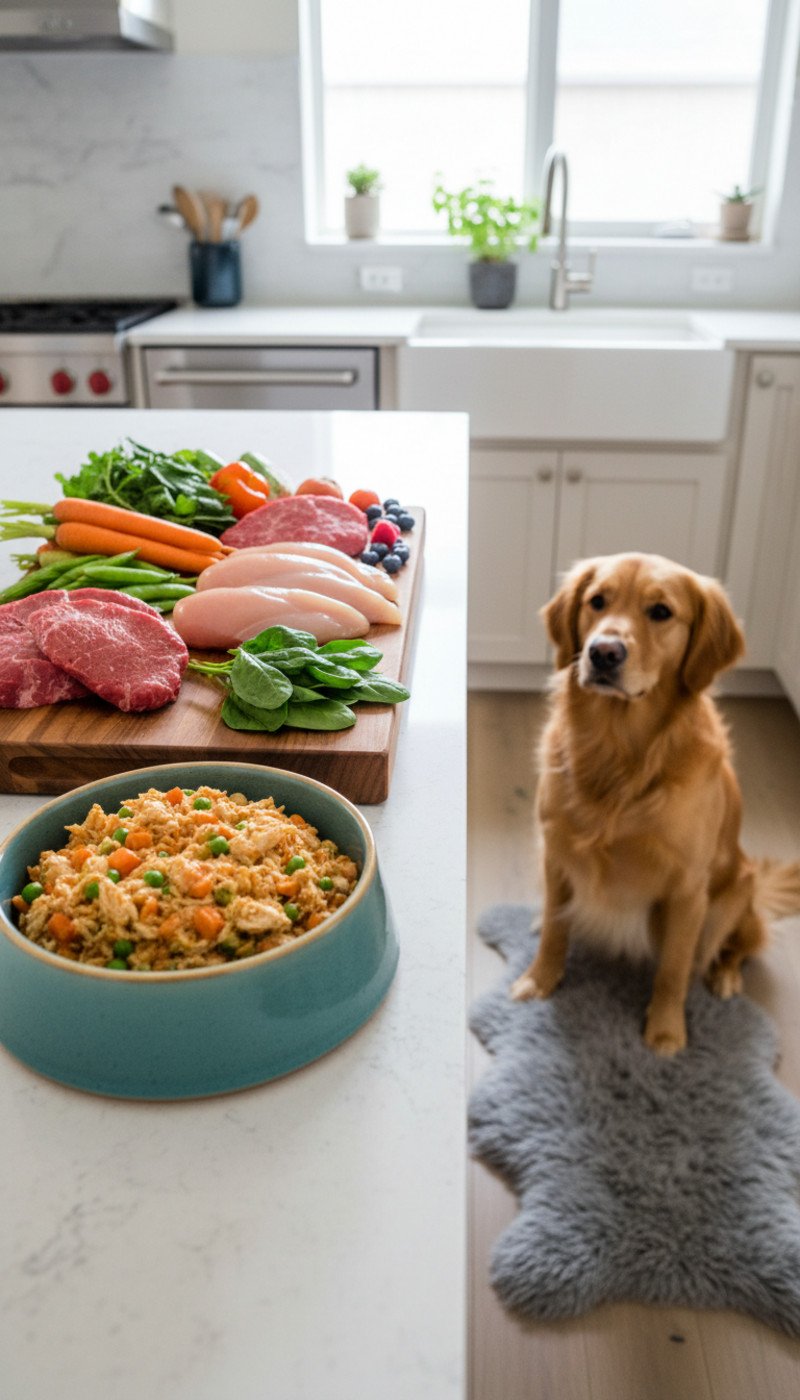
The term “gently cooked” refers to specific cooking techniques designed to eliminate pathogens while preserving the maximum amount of nutrients, natural flavors, and textures from whole-food ingredients. Unlike traditional kibble, which is often extruded at extremely high temperatures and pressures that can degrade vitamins and proteins, gentle cooking uses minimal heat for a precise duration.
Common Gentle Cooking Methods:
- Sous-vide: Ingredients are vacuum-sealed in a pouch and cooked in a water bath at a consistent, low temperature. This method ensures even cooking and locks in moisture and nutrients that would otherwise be lost. It’s a popular method for creating premium sous-vide pet meals.
- Steaming: Food is cooked using steam, a gentle process that helps retain water-soluble vitamins like B and C. This is often used for vegetables and can be found in products like gently steamed pet toppers.
- Kettle Cooking: Small batches are cooked in a kettle at low temperatures, mimicking a slow-cooking process that is less harsh than industrial extrusion.
These methods are particularly significant in the frozen pet food sector, where gently cooked options are the fastest-growing segment. They provide a safer alternative to raw diets by eliminating bacteria like Salmonella and E. coli while still delivering a fresh, whole-food experience. This has made options like frozen fresh cat food increasingly popular among safety-conscious owners.
The “Human-Grade” Promise: Unpacking Quality and Ingredients
The term “human-grade” is a powerful differentiator in the pet food market, but what does it actually mean? For a product to be legally labeled as “human-grade,” every ingredient and the facility where it’s made must meet the same federal regulations for quality and safety as food intended for human consumption. This is a significant step up from the “feed-grade” ingredients common in conventional pet food, which can include materials from diseased animals or parts not deemed edible for humans.
For human-grade fresh dog food, this promise translates to:
- Ingredient Sourcing: Proteins, vegetables, and grains are sourced from the human food supply chain, meaning they are the same quality you’d find in a grocery store.
- Manufacturing Standards: The food is prepared in kitchens or facilities that adhere to FDA and USDA standards for human food production.
- Transparency: Brands often provide clear information about where their ingredients come from and how the food is prepared, aligning with the target audience’s desire for trustworthy products.
This commitment to quality is a major market driver, with the human-grade pet food market valued at USD 2.77 billion in 2024. It assures affluent pet parents that they are providing a diet that aligns with their own health and wellness values, an important factor for those seeking to manage their pet’s health proactively. By exploring options like microbiome pet testing, owners can gain deeper insights into their pet’s digestive needs, further enhancing the benefits of a high-quality diet.
The Economic Shift: Gently Cooked as a Super-Premium Investment
Despite broader economic trends that sometimes see consumers trading down for value, the fresh and gently cooked pet food segment is defying expectations. It’s classified as a “super-premium” category, and owners are increasingly willing to invest in it for the long-term health of their pets. Market data shows this isn’t just a fleeting interest; it’s a sustainable economic shift. The global fresh pet food market, which includes gently cooked options, is projected to surge from USD 1,650.84 million in 2024 to an impressive USD 4,001.85 million by 2030, growing at an explosive CAGR of 15.90%.
However, this investment comes with a significant price tag, which is the primary barrier for many. Traditional kibble, due to its cost-efficiency and long shelf life, still dominates the industry, holding a massive 67.45% of the overall pet food market. This highlights the key challenge for gently cooked brands: communicating a value proposition strong enough to justify the cost. The focus is not on competing with kibble on price, but on delivering a fundamentally different product centered on health and wellness. For pets with specific issues like obesity, this investment can be part of a larger health strategy, sometimes explored alongside new solutions like GLP-1 pet food.
| Feature | Gently Cooked | Premium Kibble | Raw |
|---|---|---|---|
| Processing | Low-temperature cooking (sous-vide, steam) | High-heat extrusion | Uncooked |
| Nutrient Integrity | High | Moderate (can be degraded by heat) | Very High |
| Pathogen Safety | High (pathogens eliminated) | High | Low (risk of bacteria) |
| Convenience | Moderate (requires refrigeration/freezing) | High (shelf-stable) | Low (requires careful handling and storage) |
| Cost | High | Moderate | High |
Making the Switch: Is Gently Cooked Right for Your Companion?
Deciding to transition to gently cooked food requires careful consideration of your pet’s individual needs, your lifestyle, and your budget. The potential benefits—such as improved digestion, healthier skin and coat, increased energy, and better weight management—are compelling. It’s often a great choice for picky eaters due to its high palatability, or for pets with sensitive stomachs that react poorly to highly processed ingredients. The diet’s visible, whole-food ingredients can also provide peace of mind. For pet owners invested in their animal’s well-being, exploring advanced care like pet dermocosmetics for skin issues or pet enrichment tech for mental stimulation often goes hand-in-hand with upgrading their nutrition.
If you decide to proceed, a slow and steady transition is crucial to avoid digestive upset. Follow these simple steps:
- Consult Your Veterinarian: Always discuss any significant dietary change with your vet to ensure it’s appropriate for your pet’s age, breed, and health status.
- Start Small: Begin by mixing a small amount of the new gently cooked food (about 25%) with your pet’s current food (75%).
- Gradually Increase the Ratio: Over 7-10 days, slowly increase the proportion of the new food while decreasing the old food until you’ve fully transitioned.
- Monitor Your Pet: Pay close attention to your pet’s stool consistency, energy levels, and overall demeanor during the transition period.
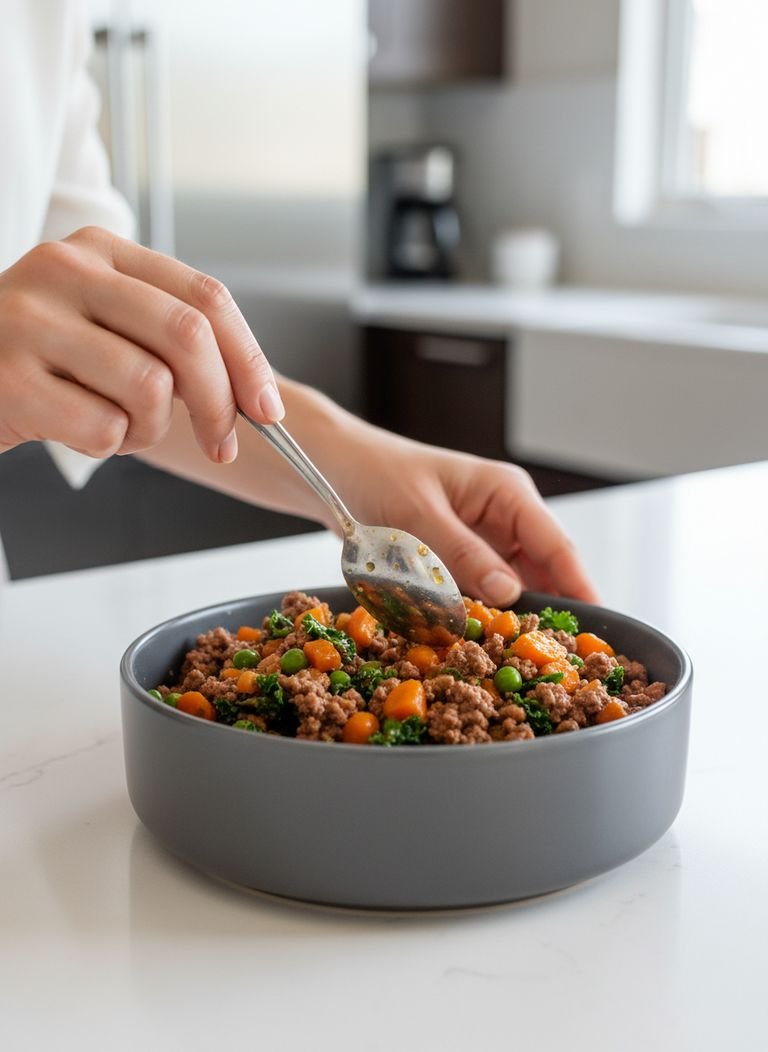
The primary challenges reported by users are cost and storage. Gently cooked food requires freezer or refrigerator space and must be thawed before serving, which adds a layer of planning not required with kibble. For busy households, this can be a significant drawback. Furthermore, the subscription model used by many brands can be difficult to manage if your needs change. It’s important to find a brand with flexible delivery and pause options, much like you would when investing in other high-end pet products like smart pet crates that also require careful consideration of features and flexibility.

The Final Verdict on Gently Cooked Pet Food
Gently cooked pet food represents the pinnacle of the pet humanization trend, offering a diet that prioritizes freshness, ingredient quality, and nutritional integrity above all else. It successfully bridges the gap between raw and kibble, providing the safety of a cooked diet with the nutritional benefits of whole foods. While the high cost and storage requirements make it an investment not suitable for every budget or lifestyle, its explosive market growth proves that a significant number of pet owners are willing to pay a premium for what they perceive as a superior product.
For pets with specific health issues, sensitive stomachs, or for owners committed to providing the absolute best, it stands as a powerful nutritional tool. Ultimately, the decision to switch to Gently Cooked Pet Food is a personal one, weighing the tangible benefits against the practical considerations of cost and convenience. If it aligns with your values and your veterinarian’s advice, it could be a transformative step for your pet’s long-term health and happiness.
Frequently Asked Questions
Is gently cooked pet food safer than a raw diet?
Yes, one of the primary advantages of gently cooked pet food is its safety profile. The low-temperature cooking process is specifically designed to eliminate harmful pathogens like Salmonella, E. coli, and Listeria, which are a known risk in raw meat diets. This makes it a safer option for both the pet and the humans in the household, especially those with compromised immune systems.
Can cats eat gently cooked food too?
Absolutely. While the market for dogs is more established, many brands offer gently cooked recipes specifically formulated for cats, such as frozen fresh cat food. These recipes are designed to meet the unique nutritional needs of obligate carnivores, with high protein content and essential nutrients like taurine. As with any diet, ensure the formula is AAFCO-compliant for felines.
How do I properly store gently cooked pet food?
Most gently cooked pet food is delivered frozen and must be stored in the freezer to maintain freshness. You typically thaw a few days’ worth of food in the refrigerator at a time. Once thawed, a package is usually good for 3-5 days in the fridge. Never leave it at room temperature for extended periods or refreeze it after thawing.
Is gently cooked food worth the higher cost?
The value is subjective and depends on your priorities. If your pet suffers from allergies, digestive issues, or is a picky eater, you may see significant improvements that justify the cost. For owners who prioritize human-grade ingredients and minimal processing, the peace of mind is worth the price. However, for healthy pets thriving on high-quality kibble, the incremental benefit may not be worth the substantial increase in cost.
Will gently cooked food help my pet lose weight?
It can. Gently cooked diets are often made with high-quality protein and no fillers, which can help pets feel fuller for longer. The recipes are precisely portioned based on your pet’s caloric needs, which eliminates the guesswork of feeding and helps with weight management. The high moisture content also aids in hydration and metabolism. However, weight loss still depends on proper portion control and adequate exercise.