

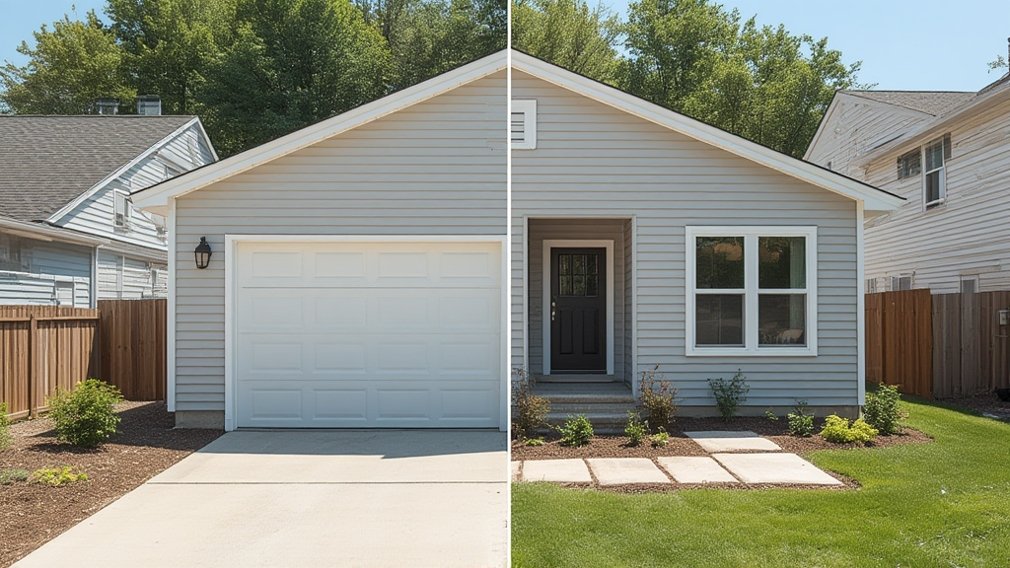
Garage apartment conversion is one of the most popular ways U.S. homeowners are maximizing their property value and flexibility in 2024—but getting it right means more than throwing up drywall and listing it for rent. This no-fluff guide delivers realistic cost ranges, regulatory checklists, construction pitfalls, and critical local next steps for anyone planning to convert a garage into family living quarters, a guest suite, or an income-producing ADU.
Key Takeaways
- Realistic budgets: Expect $7,500–$20,000+ for a basic garage apartment conversion, with only 45%–60% ROI—lower than most “quick-win” garage upgrades.
- Regulatory hurdles: Your city, HOA, and local building department must approve zoning, egress, HVAC, insulation, and utilities—be ready for a 2–6 month process.
- Most guides skip: Typical costs, permitting checklists, code details, rentability issues, and post-construction complaints. We break down exactly what to research, document, and expect before you start.
- Why convert a garage into a living space?
- 2024 costs and step-by-step process
- Advanced analysis and common pitfalls
- Conclusion and next steps
- FAQ: Garage apartment conversion
Why convert a garage into a living space?
Garage apartment conversion projects stand out for their versatility. Homeowners build out bonus room space for multigenerational family, set up above-garage living for adult kids or in-laws, or create a garage ADU to bring in rental income. For many, it’s cheaper and faster than a new addition or separate ADU build, especially if you already have electrical, a sturdy slab, or framing in place.
Typical use cases include:
- Multigenerational housing: Keep older parents, grown kids, or long-term guests close—yet independent.
- Rental income: Convert to a legal garage studio or carriage house and supplement your mortgage with short/long-term rental.
- Home office or studio: Quiet, separated workspace with “bonus room” privacy, without sacrificing main house footage.
- Guest suite: Flexible accommodation for visitors—adds value even if you “take back” the space later.
Cost breakdown: A typical garage conversion runs $7,500–$20,000 or $18–$50 per square foot for a standard two-car garage, according to industry data. “Full ADU” or below-garage conversions (including plumbing, kitchens, major layout changes) trend toward the high end, while single-room “bonus” conversions without kitchens/plumbing finish at the low end.
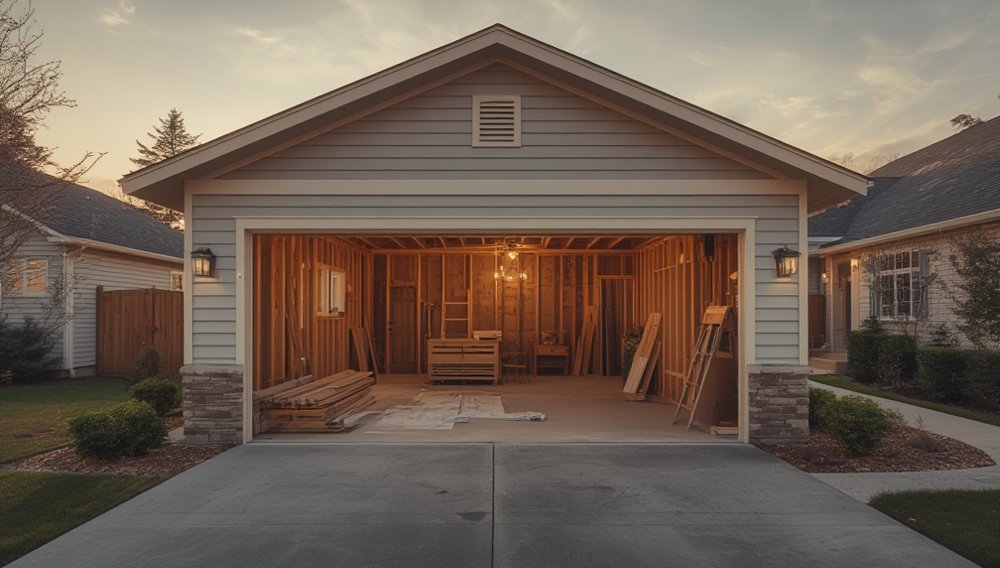
For even broader planning insight, including ADUs and backyard options, see our Accessory Dwelling Unit (ADU) Proven Guide.
2024 costs and step-by-step process
Planning a garage apartment conversion requires informed, phased decision-making. Use this actionable, research-based process to set expectations and avoid the pitfalls that trip up most DIYers and even contractors:
-
Pre-project research (1–3 weeks):
- Check local ADU ordinances and zoning (setbacks, lot coverage, occupancy limits, parking). Call your municipal planning or building department—do not rely on online advice alone.
- Review HOA rules and historic district restrictions if applicable.
- Start a file to collect property survey, existing plans, photos, utility bills.
-
Design and drawings (2–6 weeks):
- Hire an architect, designer, or structural engineer familiar with garage ADU projects. They’ll draft code-compliant floorplans and identify structural upgrades (especially for above-garage living).
- Plan egress, HVAC, plumbing, ceiling height, and fire rating per local code (see next section for checklist).
-
Permitting (2–12+ weeks):
- Apply for all relevant permits: building, electrical, plumbing, mechanical. Your designer or GC may handle this, or you may need to file directly.
- Budget for plan check corrections or resubmits—build in a minimum 15% schedule cushion at this phase.
-
Construction (4–12+ weeks):
- Tasks typically include demolition/deconstruction, framing, insulation, envelope (windows/doors), HVAC (mini-split or ducted), plumbing/electrical rough-ins, drywall, and finishes.
- Above-garage conversions may need reinforcement—doubling joists or upgrading the slab.
- Get all “rough” and “final” inspections at key points.
-
Inspections and Certificate of Occupancy (1–4 weeks):
- Required to legally rent or occupy the new living quarters. Schedule promptly when final work is complete.
-
Furnishing and (if renting) marketing (1–2 weeks):
- Get a sense of local rental demand, set pricing, furnish for your target renter or family use.
Budgeting breakdown:
- Hard costs: Demolition, framing, insulation, envelope (windows/doors), HVAC (mini-split or ducted), plumbing (if adding bath/kitchen), electrical upgrades, interior finishes.
- Soft costs: Architect/designer fees, structural engineer review, permit and impact fees, survey, impact/planning fees (some cities now waive/reduce ADU impact fees—Portland ADU Fee Waivers).
Average ROI for a garage conversion is 45%–60%—much lower than a garage door replacement’s 193%–194%. Not all conversions pay off if you overspend or if neighborhood comps don’t reflect added value. (Source: ROI of Upgrading Garage)

Want a broader home upgrade cost perspective? Explore our Ultimate Guide to Kitchen and Bathroom Remodel Costs for comparison.
Add decision points: At each planning and permitting milestone, pause and confirm scope, budget, and timeline. Incorporate a 15%–20% contingency in both budget and schedule—unforeseen code issues and weather delays are common.
Advanced analysis and common pitfalls
The biggest mistakes homeowners make? They skip regulatory homework, overlook structural limits, or underestimate post-conversion problems with their new garage ADU, garage studio, or carriage house. Here’s what most current online guides miss (and what you need to double-check):
- Permitting blind spots: Local codes vary; what’s “legal” in LA or Portland isn’t in Austin or Atlanta. Some cities require additional parking, on-site owner occupancy, or strict ADU design standards (Portland ADU code).
- Building code essentials: Must-haves include egress windows, ceiling height (usually minimum 7 feet), fire separation (1-hour fire-rated wall between garage and house), U-value insulation standards, and adequate electrical panel sizing (see 2021 IBC Table 601 and local amendments).
- Timeline pitfalls: Even “simple” bonus room conversions can take 2–6 months if permits stall or inspectors ask for corrections. Build a buffer into your plans.
- Structural/foundation upgrades: Above-garage living frequently requires reinforcement—doubling floor joists, rebuilding stairs for current code, and air-sealing between garage and living quarters.
| Project | Typical Cost | Average ROI | Timeline |
|---|---|---|---|
| Garage Apartment Conversion (ADU) | $7,500–$20,000+ | 45%–60% | 2–6+ months |
| Garage Door Replacement | $4,500 | 194% | 2–5 days |
| Garage Insulation/Finishes | $2,500–$7,000 | Varies (usually <40%) | 1–3 weeks |
Other frequent pain points:
- Moisture and drainage: Garage slabs often lack vapor barriers, requiring special sealing or waterproof coatings. Poor planning leads to mold or moisture complaints.
- Noise and insulation: Thin walls and ceiling cavities mean sound travels, especially in above-garage living quarters. Upgrade insulation, add soundproofing, and address HVAC design.
- Electrical capacity: Modern ADUs need ample breakers for kitchens and baths. Plan for a dedicated sub-panel or panel upgrade early.
- Parking loss and neighbor/HOA disputes: Many cities mandate off-street parking for new garage ADUs or limit units based on street congestion. Factor this into approval chances and future resale value.
Explore more landscape, parking, and curb appeal solutions in our Guide to Landscaping Services and Backyard Ideas.
For investor-focused rental and maintenance tips, see the Small Screened-In Porch Guide for curb appeal strategies.
Want to see true ROI for accessory units? Our Prefabricated ADU Guide compares turnkey vs garage conversion costs and timelines.
Case Study Sidebar: Real Budget Example
Project: Two-car detached garage, converted to 420 sq. ft. rental garage ADU
Design & permitting (4 months): $4,800
Construction (8 weeks): $17,700 (slab leveling, framing, insulation upgrades, new windows, HVAC mini-split, full bath, kitchenette, egress)
Rental income: Market average $1,450/month
Appraised value add: $29,000 (60% ROI)
Challenges: Added a $2,800 sub-panel for code-required electrical; required parking exemption after neighbor complaint.
Conclusion and next steps
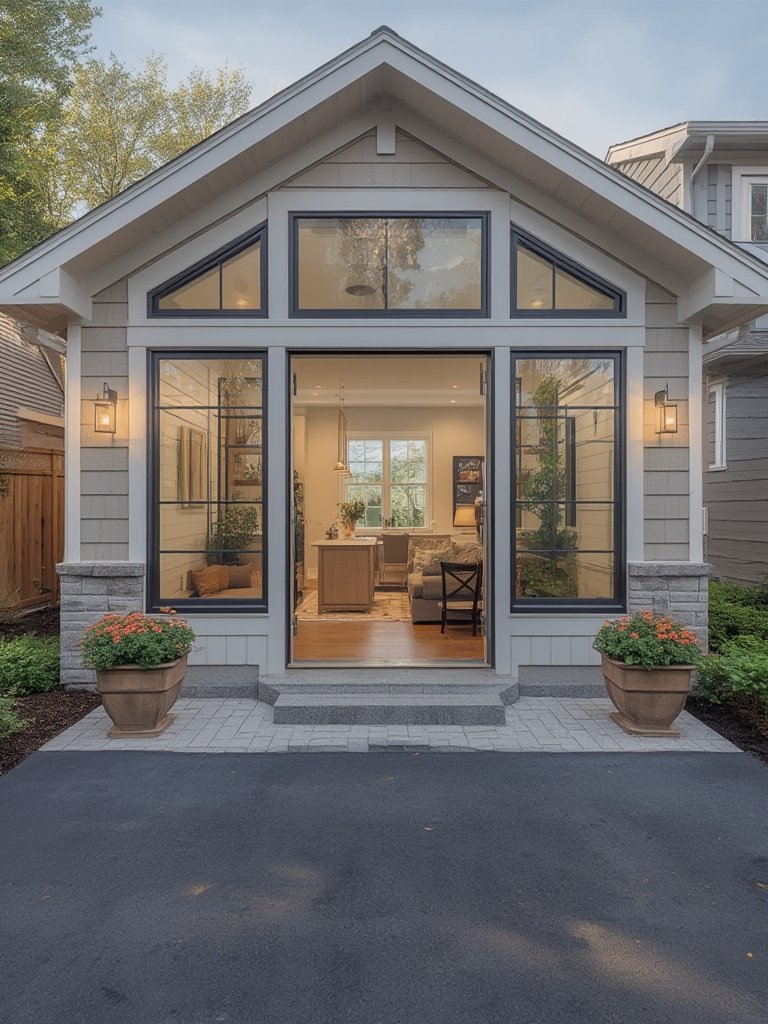
Converting a garage into legal living quarters is achievable—and can boost flexibility and value for family or rentals—but only if you plan for true costs, code compliance, and local complexities. Expect to invest time and energy long before hammers swing.
Get your garage apartment conversion started on the right foot: download your local permit checklist, verify legal hurdles, and always consult a designer, tax pro, and reputable contractor before the first dollar is spent. Ready to get moving? Contact your city’s planning department now—and use this guide to keep your project realistic, legal, and profitable.
FAQ: Garage apartment conversion
How much does a garage apartment conversion cost in 2024?
Most standard two-car garage conversions cost $7,500–$20,000 (or $18–$50 per square foot), depending on the scope, plumbing upgrades, insulation, and finishes. Full ADUs or above-garage living units with kitchens/baths cost more. (Source)
What permits are required for garage apartment conversion?
You’ll need building, electrical, and plumbing permits at minimum. Many cities also require plan reviews, historic/HOA approval, and parking plan signoff. Contact your planning/building department with a site plan, survey, and scope for specifics.
Is converting a garage to living space a good investment for rental income?
ROI averages 45%–60%, below many cosmetic upgrades like garage doors. Income potential and value added vary by neighborhood and rental demand. Track your costs and approvals carefully before you start.
What are the most common code issues or pitfalls?
Common issues: sub-code ceiling height, lack of egress windows/doors, insufficient fire separation, HVAC under-sizing, drainage/moisture, and missing smoke/CO alarms. Always build to International Residential Code (IRC) plus local rules.
Can I use my converted garage as a short-term rental, like Airbnb?
Only if your city zoning and HOA explicitly allow it, and you pass safety inspections. Double check local ordinances—many cities restrict short-term rentals or limit the number of units per property.