

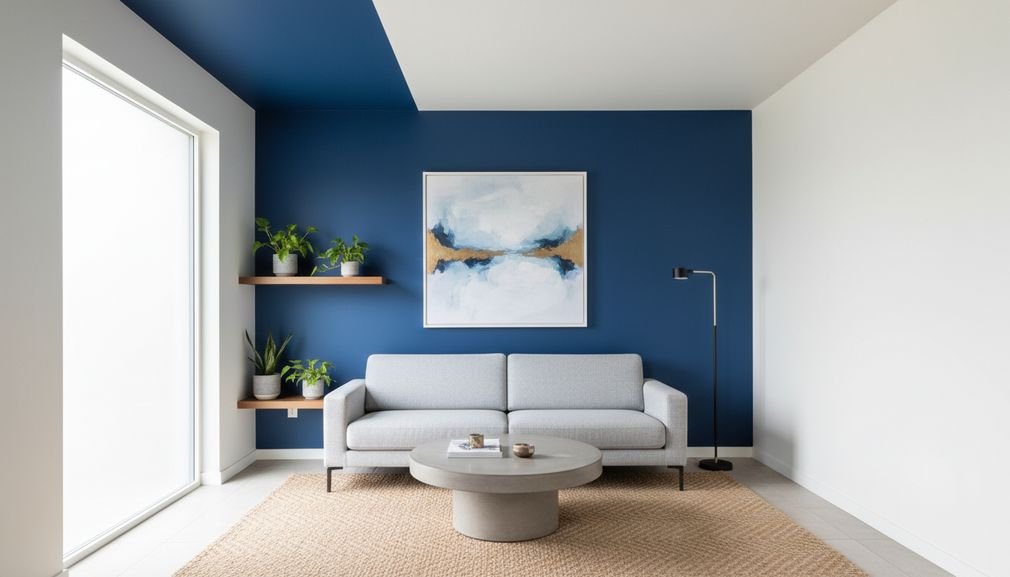
The practice of Color Capping is a powerful interior design technique that challenges the long-held tradition of painting ceilings stark white. By extending your wall color partially or entirely onto the ceiling, you can fundamentally change a room’s atmosphere, making it feel cozier, more dramatic, or completely immersive. This guide provides foundational advice for homeowners and DIY enthusiasts looking to explore this creative approach to personalizing their living spaces.
Key Takeaways
- What is Color Capping: It involves painting the ceiling with the same color as the walls, or a related shade, to create a cohesive and immersive visual effect that treats the ceiling as a “fifth wall.”
- Primary Benefits: This technique creates a sense of intimacy and coziness, adds architectural interest without structural changes, and offers a sophisticated alternative to the standard all-white ceiling.
- Data & Trends: While specific trend data for color capping is sparse, the overall architectural coatings market is growing, indicating a strong homeowner interest in innovative paint applications and residential renovation.
- Embracing the “Fifth Wall”: What is Color Capping?
- Why Homeowners are Looking Up: The Allure of a Capped Room Feel
- The Emerging Scene of Ceiling Paint Trends: What the Market Tells Us
- Crafting Your Color Cap: Design Considerations for a Seamless Look
- Navigating the Paint Job: Practical Advice for DIY & Professionals
- When to Cap, When to Rethink: Suitability for Your Space
- Final Thoughts on Color Capping
- Frequently Asked Questions
Embracing the “Fifth Wall”: What is Color Capping?
Color capping is an interior painting technique where the color of the walls is extended onto the ceiling. This can mean painting the entire ceiling the same color as the walls, or bringing the wall color down onto the ceiling by a few inches or feet to create a distinct visual “cap.” This approach treats the ceiling as an integral part of the room’s design—the “fifth wall”—rather than a forgotten, neutral plane. It’s a departure from the default white ceiling, creating a deliberate and cohesive aesthetic that can make a space feel more intentional and enveloping. The goal of this fifth wall decor is to blur the hard lines where walls end and the ceiling begins, fostering a unified and often dramatic atmosphere.
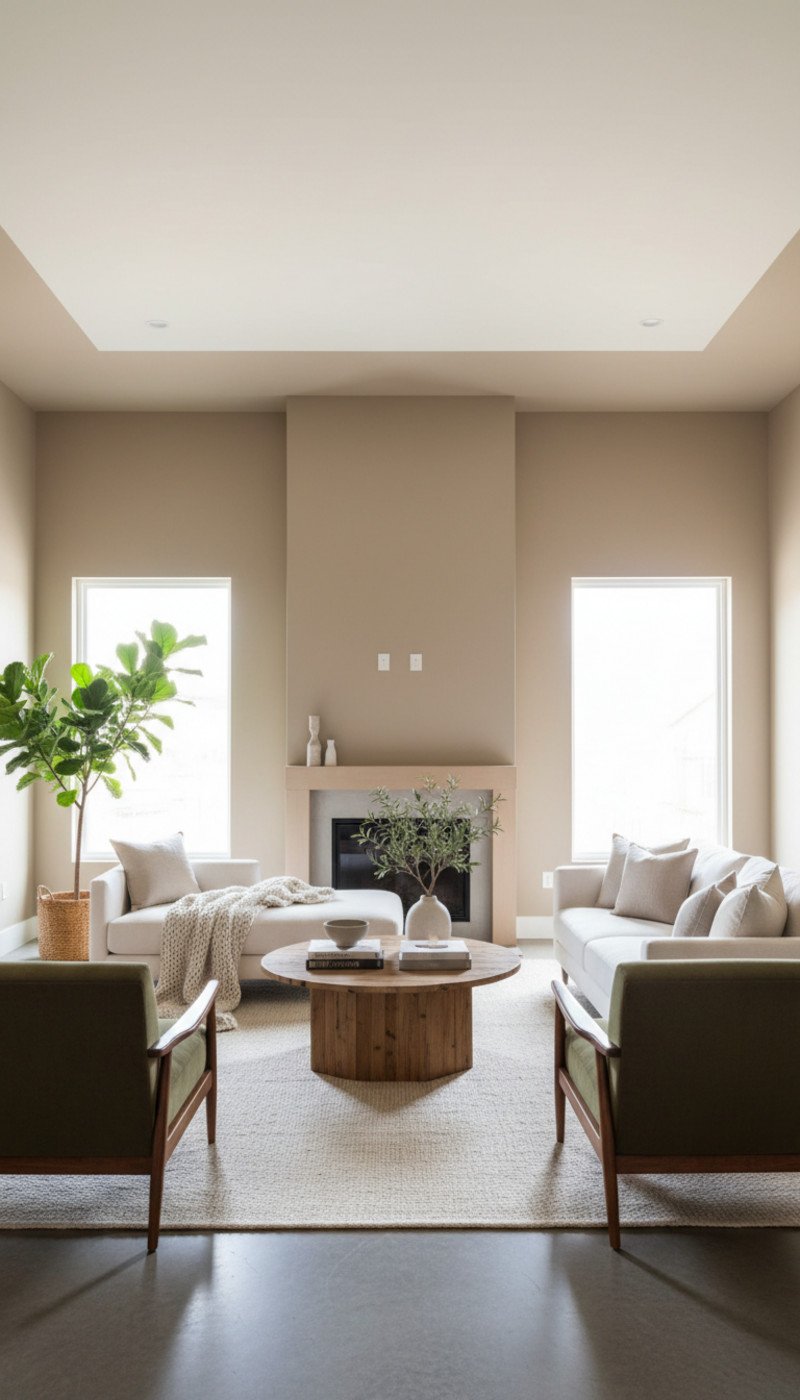
While this specific paint trend is an emerging niche, the broader interest in ceiling treatments is steady. According to market forecasts, the overall demand for ceiling products is projected to grow 2.1% annually, reaching $2.7 billion by 2028. This indicates that homeowners and designers are increasingly looking for ways to add interest overhead, paving the way for creative paint solutions like color capping.
Why Homeowners are Looking Up: The Allure of a Capped Room Feel
The move away from standard white ceilings is driven by a desire for more personalized and atmospheric interiors. A color-capped room offers several aesthetic and psychological advantages that resonate with modern homeowners. The most significant benefit is the creation of a cozy, intimate environment. By wrapping a room in a continuous color, you soften the architectural boundaries, which can make large, cavernous rooms with high ceilings feel more grounded and comfortable. This technique achieves an immersive room color experience that a simple accent wall cannot replicate.
This “capped room feel” is particularly effective in bedrooms, dining rooms, and dens, where a sense of enclosure and warmth is desirable. It can make a space feel like a protective sanctuary. Furthermore, color capping adds instant architectural interest. In a simple, boxy room without crown molding or other details, bringing color onto the ceiling can define the space and give it character. It’s a designer-level trick that uses only paint to achieve a high-impact, custom look. For those interested in creating warm and inviting spaces, this technique aligns perfectly with broader home decor tips focused on comfort and visual appeal.
The Emerging Scene of Ceiling Paint Trends: What the Market Tells Us
It’s important to approach color capping with a clear understanding of its place in the market. As of 2024, there are “no specific adoption rates or trend percentages for color-capped or fifth wall ceiling treatments in North American residential design.” This means it’s still a relatively niche, insider technique rather than a widespread, documented trend. You won’t find hard data on its popularity, but its growing presence in design magazines and social media suggests it’s a concept with momentum.
What the data does show is a fertile ground for such ideas. The North American architectural coatings market is projected to grow, driven significantly by a renewed focus on residential renovation. This market is expected to expand from USD 24.5 billion in 2025 to USD 25.31 billion in 2026, with residential projects being a key driver. This growth signals that homeowners are investing more in paint and coatings to update their homes, creating an environment where innovative ceiling-focused paint trends can flourish. This technique is part of a larger movement towards more thoughtful and complete home renovation planning.
Crafting Your Color Cap: Design Considerations for a Seamless Look
Successfully executing a color cap depends on thoughtful planning. Because there are no hard and fast rules, your decisions should be guided by the room’s characteristics and your desired outcome. Here are the key design considerations:
Choosing Your Color
The color you choose will dictate the room’s mood.
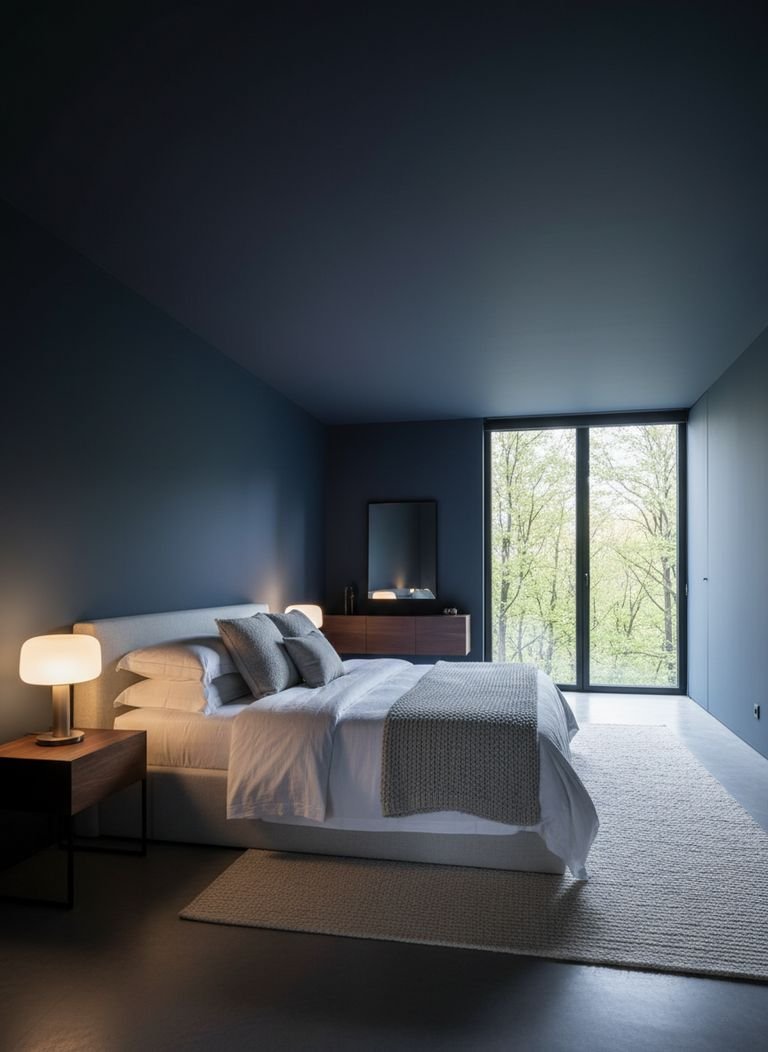
- Dark and Moody: Deep colors like charcoal, navy, or forest green create a dramatic, sophisticated, and intimate space. They work well in bedrooms or dining rooms intended for evening use, making the ceiling recede and the room feel like a cozy jewel box.
- Light and Airy: Using a lighter shade—like a soft gray, beige, or pastel—creates a more subtle envelopment. This approach provides the cohesive feel of a capped room without overwhelming the space, making it a good choice for living areas or rooms with less natural light.
- Monochromatic Tonal Look: For a sophisticated gradient effect, you can paint the ceiling a few shades lighter than the walls. This adds depth and height while maintaining the immersive room color experience.
Determining the Cap Line
Where you stop the color is a critical decision.
- Full Cap: Painting the entire ceiling the same color as the walls delivers the most dramatic and immersive effect. This is ideal for creating a seamless, cocoon-like atmosphere.
- Partial Cap (The Drop-Down): If you have high ceilings, you can paint the walls and then extend that color onto the ceiling by 12 to 18 inches. This visually lowers the ceiling, making the room feel more proportioned and intimate. This line should be perfectly straight and level.
- Using Crown Molding: If you have crown molding, you have options. Painting the molding, walls, and ceiling all one color creates a modern, monolithic look. Painting the walls and ceiling the same color while leaving the molding a contrasting white or accent color can make the molding pop as a sharp architectural detail.
The right approach can enhance other design choices, such as complementing textured surfaces like fluted wood cabinets with a smooth, continuous color backdrop.
Navigating the Paint Job: Practical Advice for DIY & Professionals
A flawless finish is crucial for color capping, as any imperfections on the ceiling will be more noticeable. While market research shows “no expert recommendations on paint types, sheen levels, brands, or application techniques” specifically for this method, you can rely on general best practices for a professional-quality result.
1. Preparation is Everything
Start by clearing the room as much as possible. Cover remaining furniture and floors with drop cloths. Clean the walls and ceiling with a mild detergent solution to remove any dust or grease. Fill any cracks or holes with spackle, sand smooth, and prime the patched areas. A clean, smooth surface is non-negotiable for a good paint job.
2. Select the Right Paint and Tools
Choosing the right paint sheen is critical. For ceilings, a flat or matte finish is almost always the best choice. It excels at hiding minor surface imperfections and prevents glare from overhead lighting. For walls, an eggshell or satin finish is often preferred for its durability and cleanability, but using a matte finish on both walls and ceiling will provide the most seamless, uniform look. Invest in a quality roller with the correct nap for your surface texture (typically 3/8″ for smooth drywall) and a good 2.5-inch angled brush for cutting in.
3. Application Technique
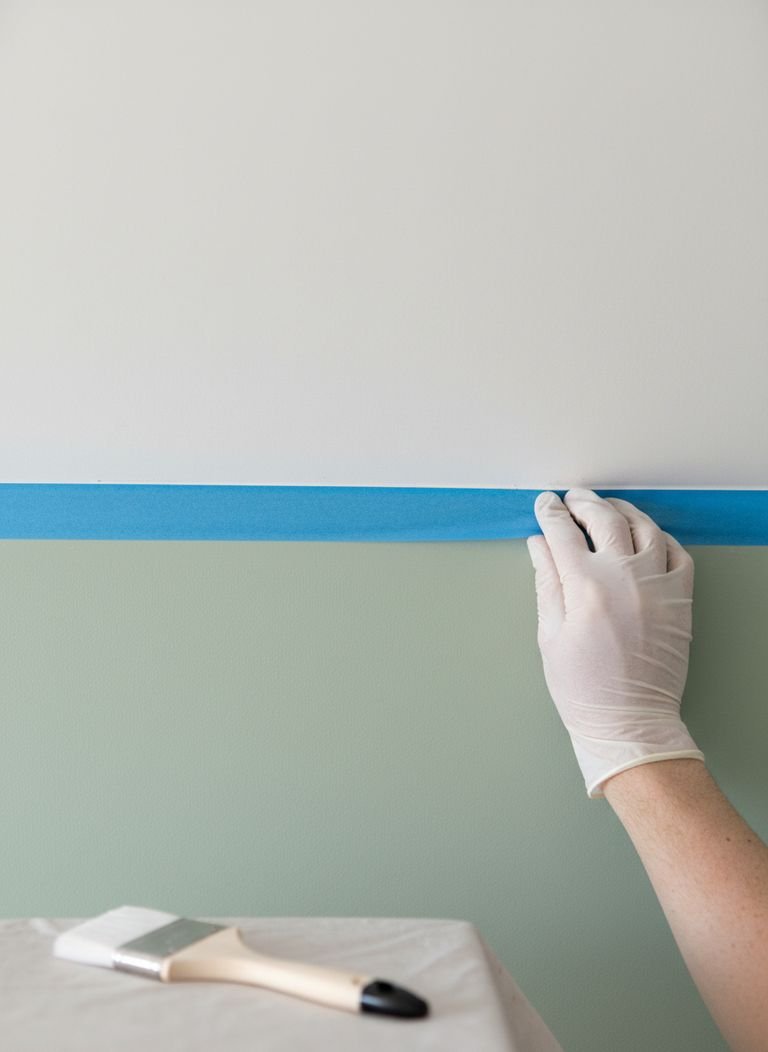
Start by “cutting in”—using your brush to paint the edges where the ceiling meets the walls (if they are different colors) and around fixtures. Then, use your roller to paint the main surfaces. Work in small, 3×3 foot sections, rolling in a “W” pattern to distribute the paint evenly, then go back over it with straight, parallel strokes to smooth it out. Keep a wet edge to avoid lap marks. Apply a second coat for full, even coverage, especially with darker colors. If you need supplies, knowing how to find the right home improvement store is the first step.
Unfortunately, the data also shows “no data on costs for color-capping a 10×12 foot room.” Expect costs to be slightly higher than a standard paint job due to the increased surface area being painted with the more expensive wall color, rather than cheaper ceiling paint.
When to Cap, When to Rethink: Suitability for Your Space
Color capping is a bold choice that isn’t suitable for every room. The decision to use this fifth wall decor technique should be based on your room’s physical characteristics and your tolerance for design risk. Research provides “no information on ceiling heights, room orientations, lighting conditions, or quantifiable reasons for reduced effectiveness,” so your judgment must rely on established design principles.
When Color Capping Works Well:
- Rooms with High Ceilings: In spaces that feel too vast or impersonal, a dark or medium-toned cap can visually lower the ceiling, making the room feel more intimate and well-proportioned.
- Bedrooms and Dens: The cocooning effect is perfect for spaces designed for rest and relaxation. A dark cap in a bedroom can promote a sense of calm and improve sleep.
- Rooms with Ample Natural Light: A space flooded with light can handle a darker, more saturated color cap without feeling gloomy or claustrophobic.
- Spaces with Architectural Details: If you have beautiful crown molding, coffers, or beams, color capping can be used to highlight these features dramatically.
When to Rethink or Use Caution:
- Rooms with Low Ceilings (Under 8 Feet): A dark color cap will likely make the ceiling feel even lower, which can create a cramped, oppressive feeling. In this case, stick to light colors or paint the ceiling a shade lighter than the walls.
- Small, Dark Rooms: In a room with little natural light, a dark color cap can make the space feel like a cave. This is a common issue when trying to maximize compact outdoor or indoor living spaces, where light is at a premium.
- Heavily Furnished or Cluttered Rooms: The immersive color can feel overwhelming if the room is already visually busy. Color capping works best in spaces with a more curated, less-is-more approach to furnishings.
| Scenario | Recommendation | Rationale |
|---|---|---|
| 12-foot ceilings in a large living room | Ideal Candidate. Use a medium to dark color. | Visually lowers the ceiling to create a cozier, more human-scaled space. |
| Small powder room with no windows | Proceed with Caution. Embrace the drama with a dark color or keep it light. | A dark color can turn a small room into a dramatic “jewel box,” but it’s a bold choice. A light color is safer. |
| Bedroom with 8-foot ceilings | Rethink a dark cap. Use a light color or a tonal gradient. | A dark cap will make the ceiling feel oppressively low. A lighter shade can still provide cohesion without the compression. |
| Open-concept space with varying ceiling heights | Requires careful planning. Use capping to define zones. | You can cap the dining area to make it feel distinct from the living area, creating “rooms without walls.” |
Final Thoughts on Color Capping
Color capping is more than just a painting technique; it’s a strategic design choice that can fundamentally alter the perception and feel of a room. While it may not be a mainstream trend with extensive data behind it, its power lies in its ability to create custom, atmospheric interiors with just a few cans of paint. By moving beyond the safe choice of a white ceiling, you can craft spaces that are more cohesive, intimate, and reflective of your personal style.
By carefully considering your room’s architecture, lighting, and intended mood, you can confidently decide if this bold approach is right for you. Whether you opt for a dramatic dark hue or a subtle light tone, the practice of Color Capping offers a unique opportunity to transform your home and make a sophisticated design statement.
Frequently Asked Questions
What is color capping in interior design?
Color capping is a painting technique where the wall color is extended onto the ceiling, either fully or partially. This creates a cohesive, immersive look that treats the ceiling as a “fifth wall,” often making a room feel cozier and more intentionally designed.
Does color capping make a room look smaller?
It can, especially if you use a dark color. A dark capped ceiling can visually lower the height, which is beneficial for overly tall rooms but can make rooms with standard or low ceilings feel smaller or cramped. Light-colored caps have a much less dramatic effect on perceived space.
What paint finish is best for color capping a ceiling?
A flat or matte finish is highly recommended for ceilings. This type of sheen absorbs light, which helps hide minor surface imperfections and prevents distracting glare from light fixtures, resulting in a smooth, velvety appearance.
Can I use color capping in a room with low ceilings?
You can, but it should be done with caution. For rooms with ceilings lower than 8 feet, it’s best to use a very light color for the cap. An even better strategy is to paint the ceiling a few shades lighter than the walls to create a subtle lift while still maintaining a cohesive, tonal look.
How do I choose a color for my capped ceiling?
The color choice depends on the mood you want to create. Dark colors like navy, charcoal, or deep green will create a dramatic, intimate, and cozy space. Lighter colors like soft gray, beige, or pastels will provide a subtle sense of envelopment without making the room feel heavy.