

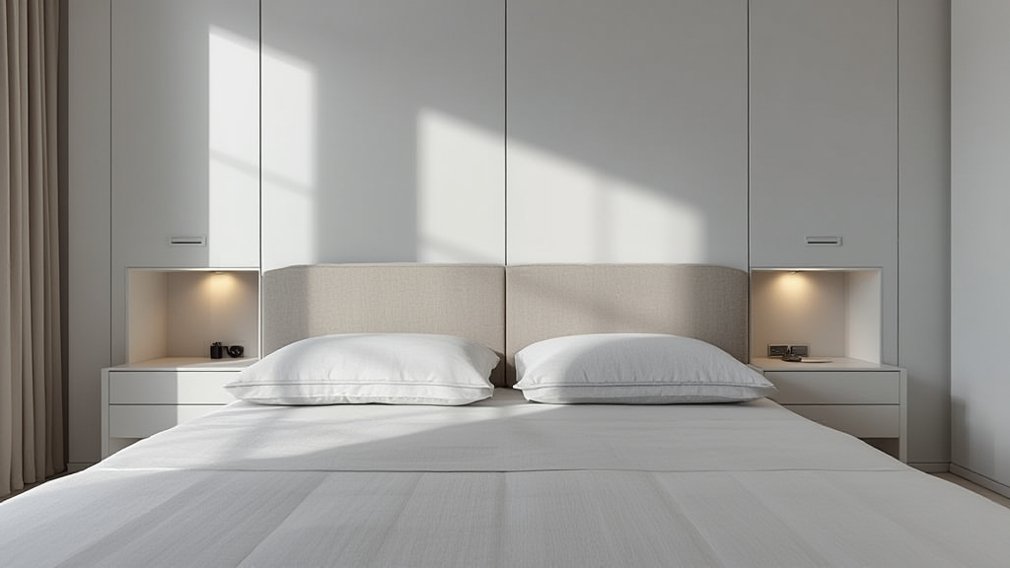
Bed Frame with Headboard upgrades are changing how people stream shows, work from their laptops, and organize bedroom tech—especially for anyone wanting comfort, posture support, device charging, and smart features in one purchase. If you’re tired of propping pillows and hunting for outlets, this practical guide explains exactly what the new wave of “digital-ready” frames with headboards offers, who actually benefits, and how to pick the right model for real-world tech habits.
Key Takeaways
- Digital-ready Bed Frame with Headboard models are now tailored for posture, tech charging, lighting, and wellness—not just looks.
- Bigger budgets unlock smart app controls, device shelves, health-tracking sensors, and integrated lighting for all-night streaming or work-from-bed.
- Demand a buyer’s checklist: quiet motors, USB wattage, app compatibility, sturdy headboard support, and warranty details before you buy.
- Market snapshot — why “digital-ready” bed frames are rising in 2024
- What “digital-ready” really means — typical features you’ll see
- Who’s buying and why — consumer drivers (WFH, streaming, wellness)
- Top user pain points when streaming or working in bed
- Upholstered headboards vs. other headboards — ergonomic comparison for reading and device use
- Price ranges and value — what to expect to pay and why
- Technical specs and checklists buyers should demand
- Clinical & expert evidence — what the research does (and doesn’t) say about health impacts
- Top 3 content gaps competitors are missing (opportunity section)
- Quick buyer’s decision flow + 5 recommended feature packages (CTA-ready)
- Conclusion
- FAQ
Market snapshot — why “digital-ready” bed frames are rising in 2024
Digital-ready bedroom furniture is now a fast-growing segment in the global bed frame market. As more people—especially remote professionals like Emma—use their beds for streaming, remote work, and device charging, brands are moving beyond simple aesthetics.
The numbers underline this shift: The global adjustable bed frames market was valued at USD 4,376.4 million in 2024 and is projected to reach USD 8,614.4 million by 2033. More broadly, the bed frame market reached USD 13.7 billion in 2024, with wellness — and tech-oriented features like app control and smart integration — in demand.
Grand View Research,
Data Intelo
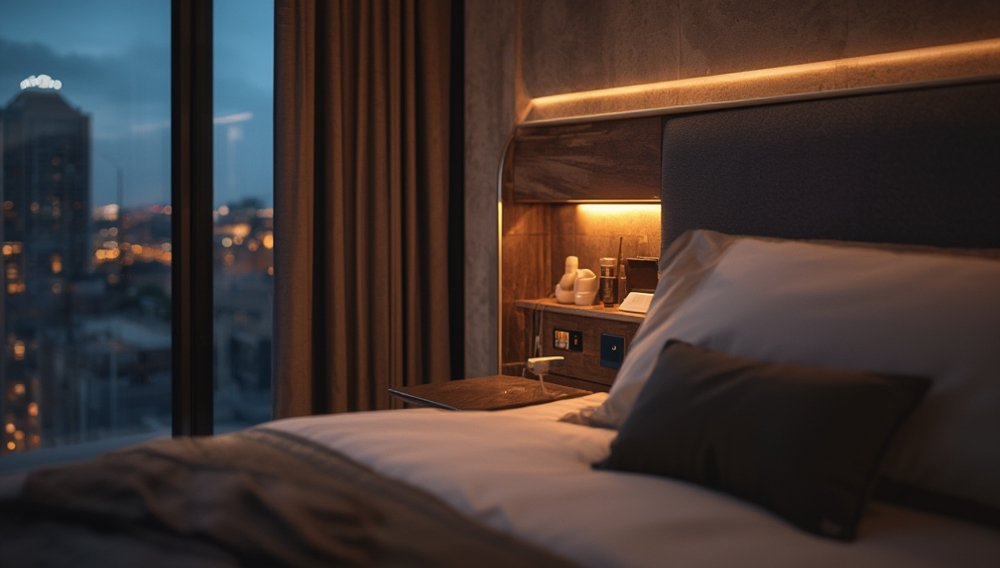
Brands are now adding USB charging, adjustable base headboards, integrated LED lighting, and app-enabled controls. The rise of work-from-bed and all-night streaming means the Bed Frame with Headboard isn’t just a design play—it’s a key investment in comfort and nightly digital routines.
What “digital-ready” really means — typical features you’ll see
So what do “digital-ready” bed frames and headboards actually offer? For Emma and anyone whose bedroom is a second living/office space, these are the non-negotiables and differentiators:
- App-based controls: Adjust frame position, massage, or lighting via your phone.
- Health sensors: Sleep tracking, anti-snore, or heart-rate monitoring modules (in higher-end frames).
- Massage and heating: Customizable lumbar and leg massage or heated headboard zones.
- Voice/smart-home compatibility: Alexa/Google Home support is increasingly common.
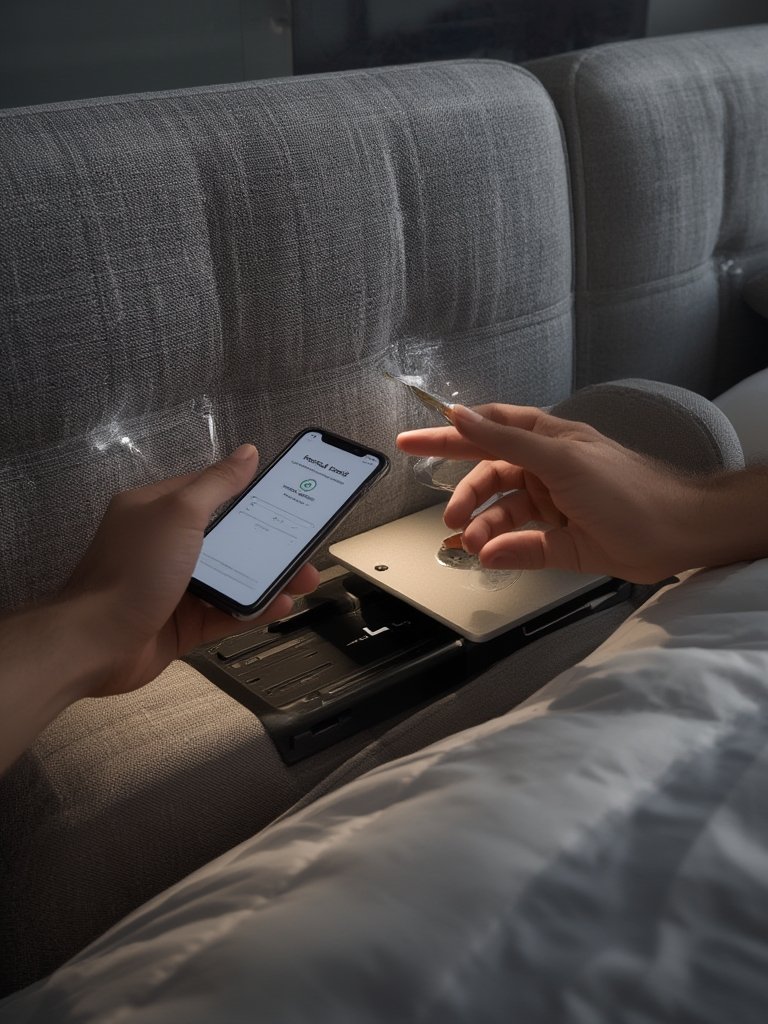
- Integrated USB/USB-C charging: Often built into the headboard; essential for device lovers, but surprisingly missing on many models.
- Device shelves and integrated LED lighting: Some headboards (or frames) now add floating shelves, ambient lights, or even hidden cable troughs, but many standard “digital” frames still omit these.
According to Market.US and other market reports, app-based controls, massage, heating, health monitoring sensors, voice controls, and smart-home integration are the most typical smart adjustable-frame features. But integrated device shelves, quality USB ports, and smart LED lighting still aren’t found on every model—so buyers need to check the actual spec sheet, not just the marketing tag. If your priority is a bed frame for streaming, demand those add-ons.
Who’s buying and why — consumer drivers (WFH, streaming, wellness)
The fastest-growing group of buyers for digital-ready Bed Frame with Headboard combos? Remote professionals, tech-forward streamers, and anyone looking to blend work and wellness routines at home.
Demand is rising for frames that deliver:
- Ergonomic comfort: Adjustable angles and plush headboard support to work or binge-watch for hours.
- Sleep and wellness support: Health monitoring and personalized comfort modes (zero-gravity, anti-snore) to mitigate back pain and improve sleep quality.
- Integrated tech: Charging ports, app controls, and wireless features are non-negotiable for those constantly on devices.
Smart adjustable bed frames show a CAGR of 7.9%, driven by demand for sleep quality enhancements, health monitoring, and smart-home compatibility.
Data Insights Market Emma and buyers like her are willing to pay premium prices for upgrades that genuinely improve posture, charging access, and organizational simplicity. For fuller comfort and ergonomic bedroom decor, the headboard is no longer just a finishing touch.
Top user pain points when streaming or working in bed
Most standard, non-digital frames still create real obstacles for device-heavy users. Here are the most reported complaints:
- Poor head/neck support: Fixed, hard or ill-angled headboards force users to pile pillows—leading to back pain and posture issues.
- Lack of charging and device storage: Few standard frames offer easily accessible USB ports, shelves, or cable management—devices overheat or slip off the bed.
- Inadequate lighting: Awkward side lamps glare or are hard to control; few headboards incorporate touch lighting or adjustable LEDs for reading or video calls.
- Motor noise: On subpar adjustable beds, cheap motors disturb sleep or disrupt calls; quality models invest in near-silent movement.
- Messy cables and visual clutter: Tangled cords and chargers destroy the “tidy” digital-ready aesthetic many buyers seek.
Although direct complaint datasets aren’t available, research consistently points toward a rising need for customizable comfort and smarter ergonomics for prolonged bed-based activities. Most standard frames aren’t optimized for device use or sustained reading—especially if you’re seeking a bed frame for streaming or an upholstered headboard for reading.
Upholstered headboards vs. other headboards — ergonomic comparison for reading and device use
Choosing between an upholstered, wooden, or tech-integrated headboard impacts real comfort for reading, streaming, or working in bed. Here’s what Emma (and you) should know:
| Headboard Type | Pros | Cons | Best For |
|---|---|---|---|
| Upholstered | Cushioned back support, warmer feel, good for prolonged leaning | May lack lumbar firmness, harder to mount accessories/cable channels, can stain | Reading, streaming, working on lap |
| Wood/Metal | Firm, easy to wipe, often more solid for attaching organizers/shelves | Can be cold or hard; not as comfortable for all-night lean | Mounting device shelves, crisp modern decor |
| Integrated Tech | USB ports, lighting, device shelves built-in, best for tech workflows | Usually pricier, aesthetics vary, not always plush | Charging, multi-device use |
No specific ergonomic research directly compares these headboard types,
Data Insights Market so buyers should trust real hands-on reviews or test in-store if possible. In general, for posture and sustained device usage, a medium-firm, well-cushioned upholstered headboard (ideally with embedded device pockets and charging options) is best for comfort—but add extra lumbar pillows if you want firmer support. For pure cable management and mounting options, wood or metal wins. Integrated-tech headboards are the most functional, but confirm the build quality feels good for your nightly routine. For authentic ergonomic bedroom decor, blend comfort and charging, not just looks.
Price ranges and value — what to expect to pay and why
What can Emma (and anyone else) realistically expect to invest for a “digital-ready” Bed Frame with Headboard?
- Budget Tier ($200-$500): Standard upholstered or wood/metal frames with basic headboards. No built-in tech or adjustable mechanisms; may accept add-on clip lights or charging caddies.
- Mid-Tier ($700-$1,500): Ergonomic designs, some adjustable base options, and a handful of frames with built-in USB. May include subtle LED accents and well-cushioned headboards. Limited smart features.
- Premium ($1,600-$3,500+): Smart app controls, integrated massage/heating, health-tracking, wireless remotes, voice control, premium lighting, and sturdy headboards with device shelves. High up-front cost, but ROI through years of daily usage and multiple features in one purchase.
Exact costs for “digital-ready” frames aren’t fully detailed in industry reports, but all sources note that high initial investment is a challenge for smart adjustable models, and premium segments command higher pricing due to tech integrations.
Data Insights Market
If you’re willing to pay more for real convenience, look for frames that combine adjustability, solid ergonomic support, smart charging, and lighting. ROI is highest for buyers with regular device or streaming habits—like Emma—because every feature gets used nightly. See our feature package checklist below to match your budget to benefits.
Technical specs and checklists buyers should demand
Don’t buy a bed frame for streaming or device use without closely inspecting the spec sheet. Here are the deal-breakers you should check (and what numbers to look for):
- Frame/headboard dimensions: Ensure at least 42″ height for proper back/head support if sitting up. Double-check for mattress compatibility (Queen/King/California King standardized sizes).
- Materials and durability: Look for hardwood frames, high-density foam in headboards, and sturdy steel construction for weight support. Avoid particle board if you stream/work for long hours.
- Motor noise: Under 55 decibels is ideal for adjustable frames—quieter motors don’t interrupt calls or shows.
- Weight limits: At least 350 lbs per side for adjustable bases; check overall frame max as well. This matters if you routinely lean, reposition, or use tech.
- USB and device shelves: Bonus for USB-C; at least 2.1A (10W) output per port to handle tablets/laptops. Confirm actual amperage/placement—some are in inconvenient spots or too slow.
- App/OS compatibility: Confirm the frame works with your phone’s operating system and your smart home setup (Alexa/Google Home/Siri, etc).
- Integrated lighting: Adjustable LEDs with high/low brightness modes are safest for eyes and late-night work.
- Warranty & repairability: Minimum 3 years for smart components; is local repair available, or will you need to replace the whole frame?
Research highlights that fewer buyers check compatibility details or motor noise specs, even though these issues cause the most dissatisfaction. If you want an ergonomic bedroom decor setup that supports your tech habits rather than complicates them, don’t skimp on a detailed checklist. For practice, see our product examples below.
Clinical & expert evidence — what the research does (and doesn’t) say about health impacts
Do the extra dollars for an ergonomic Bed Frame with Headboard or smart features pay off for your health and comfort? Here’s the honest, research-backed answer:
- Adjustable frames: Some clinical evidence suggests zero-gravity or anti-snore modes improve back pain and sleep quality—but studies are mostly on the base itself, not the headboard or digital add-ons.
- Headboard-specific impacts: No clinical or expert-backed studies directly analyze how headboard shape, height, or padding affects long-term comfort when working or streaming in bed.
- Ergonomic bedroom decor: Wellness trends and consumer demand (not clinical evidence) are driving premium segments toward better support and posture options—data stops short of quantifying actual health benefits for device use.
Bottom line: if you want posture/sleep benefits, adjustability and lumbar pads matter more than the headboard’s color or style. For authentic wellness improvements, buy frames that have meaningful adjustments and support—not just “ergonomic” branding. Get more wellness-focused tips in our Spa Bathroom guide.
Top 3 content gaps competitors are missing (opportunity section)
Most competitor articles ignore the real user problems that matter most for Emma-style buyers. Here are the top gaps and how to fill them:
- Headboard-specific ergonomics: No one breaks down how plush vs. firm headboards impact posture, or how device placement changes with different materials. How to cover: Share hands-on reviews—test posture with different headboard types, or crowdsource buying tips for device-focused use.
- Real-world device-in-bed workflows: Most guides skip actual cable management, shelf placement, device overheating, and where cords get tangled. How to cover: Include clear checklists (e.g., “Can you reach the USB from both sides? Is there a shelf for your laptop?”) and describe simple room-setup diagrams so buyers can picture their night routine.
- Simple tech-spec translation: Specs like “USB output,” “motor dB,” or “health sensor” get listed but not explained. How to cover: Re-write specs in plain English with user impact: “This USB port charges an iPad overnight. This motor makes less noise than your fridge.”
Even leading research (Grand View Research) focuses on market growth and features—not posture, workflow, or spec translation. If you’re shopping or recommending, fill these knowledge gaps for real value. For more on organizing modern living spaces, see our kitchen storage solutions article.
Quick buyer’s decision flow + 5 recommended feature packages (CTA-ready)
Use this flow to pick your best-fit package in under 2 minutes:
- Need posture/health support? Prioritize adjustable frames with lumbar/lap support.
- Always using devices? Prioritize built-in USB, device shelves, and smart lighting.
- Streaming for hours, need tech, but flat base is ok? Seek upholstered headboard, side pockets, clamp lighting.
- Want everything automated? Go Premium—full smart features, health sensors, wireless controls.
Here are five plug-and-play “feature packages”:
| Package | Best for | Must-have Specs | Example Product |
|---|---|---|---|
| Budget Comfort | Occasional device use, basic comfort | Soft upholstered headboard; sturdy wood/steel frame; add-on clamp USB lamp; cable organizer | Zinus Shalini Upholstered Frame (add DIY USB/lighting kit) |
| Work-in-Bed | Remote work, reading, streaming many hours | Tall cushioned headboard, adjustable pillow support, built-in USB-A/USB-C, floating device shelf, soft-ambient lighting | Hypothetical: EmmaFlex Hybrid Digital Pro |
| Streamer’s Setup | Long binge-watching, multiple devices | Adjustable base, app-enabled light strips, 2+ USB ports/headboard, noise under 50 dB, shelf for remotes | iDealBed 6i Custom + device shelf attachment |
| Wellness-First | Sleep, anti-snore, posture | Zero-gravity and anti-snore modes, lumbar massage, firm yet padded headboard, app-based sleep tracker | Tempur-Pedic Ergo Smart Base (add soft headboard upgrade) |
| Premium Smart | All-in-one: tech, posture, automation, wellness | Full adjustability, health sensors, wireless remote + app, integrated device shelves, LED lighting, 3-year warranty | Reverie 9T Smart Base w/ tech-integrated headboard (custom) |
Note: Residential adoption dominates—single-frame adjustable beds held 68.21% market share in 2024. Most buyers want standard bed compatibility with added tech.
Still unsure? Jump to our FAQ section or visit this smart home voice control guide for more tech-integration ideas.
Conclusion
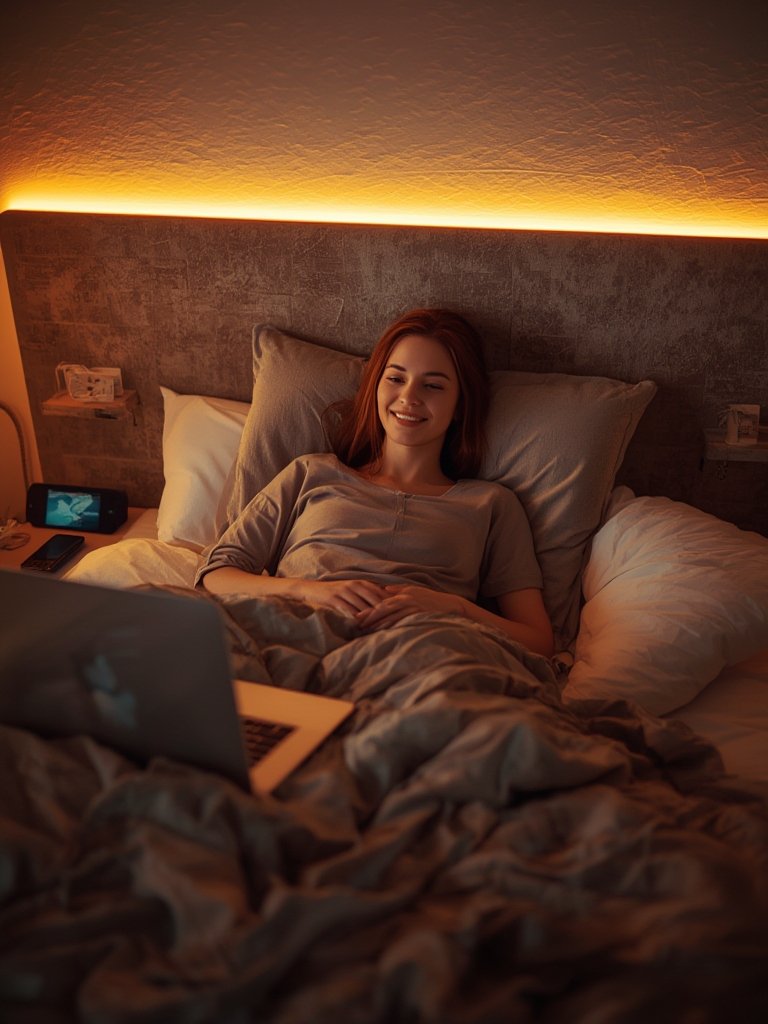
The era of “just a pretty headboard” is over. A Bed Frame with Headboard can now boost your comfort, workflow, and tech organization—if you choose wisely. Prioritize ergonomic support, integrated USB charging, lighting, and device placement features (not just design), and always double-check specs for your real tech habits. Looking for help with broader home upgrades? Don’t miss our complete kitchen and bathroom remodeling guide or our home decor tips for comfort and visual style.
Ready to make your bed actually support your digital life? Shop smart, invest in what you’ll use nightly, and demand transparent specs—your comfort and device workflow are worth it.
FAQ
What’s the difference between a digital-ready bed frame and a regular one?
A digital-ready bed frame typically offers adjustable positioning, USB/USB-C charging, app controls, and sometimes built-in shelving or lighting. Standard frames offer none of these features.
Are all “smart” bed frames compatible with any smart home system (Alexa/Google Home/Apple)?
No—always check the compatibility list before you buy. Some frames only work with proprietary apps, so double-check for your preferred assistant.
Is an upholstered headboard better for working from bed?
For most, yes—a cushioned headboard is more comfortable for sitting up and supports your back/neck during long device sessions. Add lumbar pillows for firm support if needed.
Do integrated USB ports actually charge laptops?
Most headboard/built-in USB ports will charge phones and tablets, but many are too low-powered for full-size laptops. Look for USB-C ports rated at least 2.1A/10W for best results.
How do I keep cables and devices organized without built-in shelves?
Use stick-on cable clips, under-bed trays, and add-on fabric “bed caddy” to keep devices tidy—even if the frame lacks integrated tech.
—