

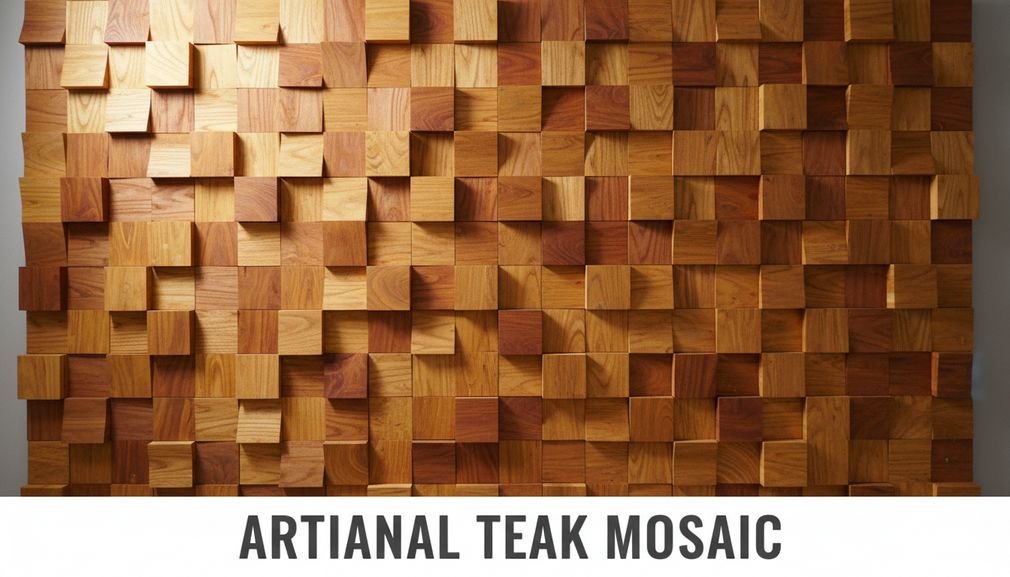
An Artisanal Teak Mosaic is more than a decorative element; it is a declaration of enduring style and a commitment to sustainable, story-driven design. In a world saturated with fleeting trends and mass-produced decor, choosing a handcrafted piece transforms a wall into a narrative, reflecting a deeper appreciation for craftsmanship and the natural world. This guide empowers you to invest confidently, providing the clarity needed to select an heirloom-quality mosaic that aligns with your values and elevates your space for decades to come.
Key Takeaways
- Artisanal teak mosaics offer a unique blend of sophisticated aesthetics, sustainable sourcing, and individual craftsmanship, standing in direct contrast to impersonal, mass-produced wall art.
- The inherent properties of teak—its natural oils, dense grain, and stability—make it exceptionally durable and resistant to common issues like warping or moisture damage, ensuring longevity.
- Investing in a high-quality teak mosaic means owning a piece with a verifiable story, often made from reclaimed timber, which addresses key consumer concerns about environmental impact and authenticity.
- Elevating Your Space: The Timeless Appeal of Artisanal Teak Mosaic
- Why Teak? The Pillars of Sustainable Beauty and Enduring Craftsmanship
- The Art of Dimension: Unpacking 3D Wood Wall Panels and Their Unique Story
- Investing Confidently: Addressing Durability, Installation, and Long-Term Care for Heirloom Pieces
- Your Bespoke Vision: Customization, Pricing Transparency, and Guarantees
- A Statement of Style and Sustainability: Choosing Your Artisanal Teak Mosaic
- Frequently Asked Questions
Elevating Your Space: The Timeless Appeal of Artisanal Teak Mosaic
An Artisanal Teak Mosaic is not merely wall covering; it is a focal point, a piece of art that infuses a room with warmth, texture, and character. Unlike printed canvases or generic decor from big-box stores, each piece of handcrafted wood wall art tells a unique story. The grain patterns, subtle color variations, and precise assembly by a skilled artisan ensure that no two installations are ever identical. This individuality allows you to create a space that is a true reflection of your personal style and commitment to quality. By choosing this medium, you are moving beyond decoration and into curation, selecting a permanent fixture that adds architectural interest and tangible value to your home. The significant size of the wall decor market, which was valued at over USD 62.5 billion in 2024 with North America accounting for over 40% of that, demonstrates a strong consumer desire for visually impactful interiors. Within this large market, artisanal pieces represent a sophisticated niche for those seeking authenticity over ubiquity.
Why Teak? The Pillars of Sustainable Beauty and Enduring Craftsmanship
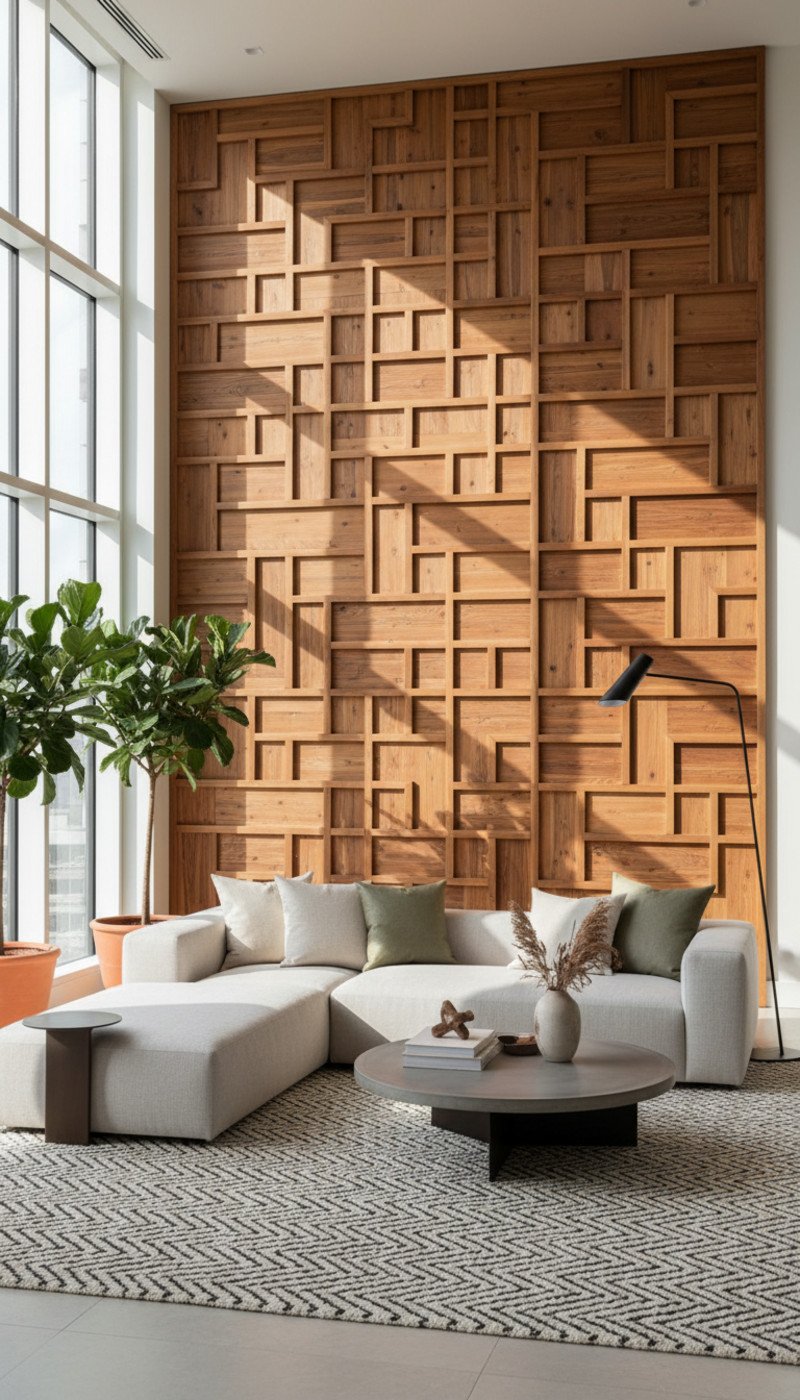
The choice of teak (Tectona grandis) for high-end mosaics is deliberate and rooted in the wood’s exceptional natural properties. Renowned for its remarkable durability, teak contains a high concentration of natural oils and silica, which make it inherently resistant to moisture, rot, and common pests. This resilience is why it has been trusted for centuries in demanding applications like shipbuilding and premium outdoor furniture. When used as interior wall art, these same qualities ensure the piece remains stable and beautiful, free from the warping or decay that can plague lesser woods.
Beyond its strength, the aesthetic appeal of teak is undeniable. Its rich, golden-brown tones deepen over time, and its tight, straight grain provides a clean yet organic look. For the conscientious consumer, the origin of the material is paramount. Leading artisans prioritize sustainable teak decor, often utilizing reclaimed timber mosaic pieces sourced from decommissioned structures in Southeast Asia. This practice not only prevents deforestation but also imbues the wood with a rich history and a character that cannot be replicated. As the global mosaic market, valued at USD 4.2 billion in 2024, continues to grow, there is a clear trend toward sustainable materials, a demand met perfectly by the use of reclaimed and responsibly sourced teak. For those looking to create a space that feels both luxurious and grounded in nature, exploring Biophilic bathroom design principles can offer further inspiration.
The Art of Dimension: Unpacking 3D Wood Wall Panels and Their Unique Story
The most compelling artisanal teak mosaics move beyond a flat surface to embrace three-dimensionality. These 3D wood wall panels are constructed with pieces of varying thickness and angle, creating an intricate topography that interacts with light to produce dynamic shadows and highlights throughout the day. This textural depth adds a layer of visual sophistication that flat art cannot match, turning a simple wall into a captivating, tactile experience. The interplay of light and shadow accentuates the natural grain of the wood, making the wall feel alive and constantly changing.
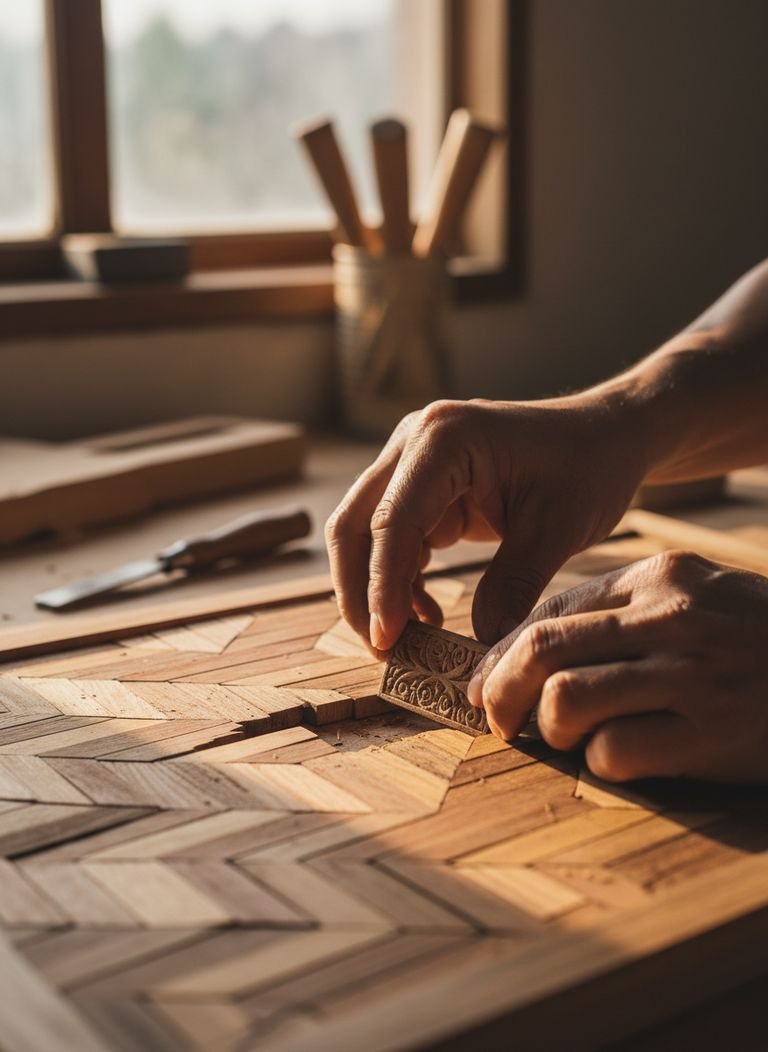
Each panel of handcrafted wood wall art is a testament to the artisan’s skill. The process involves carefully selecting, cutting, and placing each small block of wood to create a cohesive yet varied surface. This meticulous labor is what separates it from machine-made, uniform panels. The market’s appreciation for such innovation is clear, with industry analysis showing that 3D tiles and unique designs are significant drivers of growth in the mosaic sector. When you invest in a piece like this, you are not just buying a product; you are acquiring a piece of functional sculpture with a human touch. A project of this nature can be a key part of a larger renovation, and understanding the full scope is essential, as detailed in our Ultimate Complete Guide to Kitchen and Bathroom Remodel Costs and Planning.
Investing Confidently: Addressing Durability, Installation, and Long-Term Care for Heirloom Pieces
One of the primary hesitations for any significant investment in home decor is the fear of long-term performance issues. With wood, concerns about warping, splitting, or difficult maintenance are valid. However, a high-quality Artisanal Teak Mosaic is engineered to mitigate these problems. The use of mature, properly dried teak, combined with its natural stability, makes it far less susceptible to changes in humidity than other wood species. Furthermore, the mosaic format, composed of many small, individual pieces, allows the wood to accommodate micro-movements without compromising the panel’s structural integrity.
The fact that extensive research reveals no significant pattern of negative reviews or complaints for this specific niche product speaks volumes about its reliability. To ensure a successful, long-lasting installation, follow these key steps:
Installation Best Practices
- Acclimatization: Allow the mosaic panels to acclimate in the room where they will be installed for at least 48-72 hours. This lets the wood adjust to your home’s specific temperature and humidity levels.
- Surface Preparation: The wall surface must be clean, dry, and flat. Prime the wall before installation to ensure a strong bond. For those undertaking a full remodel, this is a critical step in achieving a professional finish, a topic we cover in our guide to Bathroom Remodels That Enhance Style and Function.
- Adhesive Choice: Use a high-quality, polyurethane-based construction adhesive. This type of adhesive remains slightly flexible after curing, which helps accommodate the natural expansion and contraction of wood.
- Professional Installation: While a skilled DIYer can manage the installation, hiring a professional finish carpenter or tile setter who has experience with wood mosaics is highly recommended to ensure perfect alignment and a seamless result.
Long-Term Care
Maintaining a reclaimed timber mosaic is surprisingly simple. Regular dusting with a soft, dry cloth or a vacuum with a brush attachment is typically all that is needed. For occasional cleaning, use a slightly damp cloth with a mild, pH-neutral wood cleaner, then wipe dry immediately. Avoid harsh chemical cleaners, abrasives, or excessive moisture, which can damage the wood’s natural finish.
Your Bespoke Vision: Customization, Pricing Transparency, and Guarantees
A key advantage of working with artisanal suppliers is the opportunity for customization. Unlike off-the-shelf products, you can often specify the dimensions, the overall color tone (from lighter to darker reclaimed teak), and even the level of texture in your mosaic. This collaborative process ensures the final piece is perfectly tailored to your space and design vision. The research for this article found a significant information gap in the market regarding pricing and warranties, which can cause hesitation. A reputable supplier will provide complete transparency to build your confidence.
Understanding the value proposition requires looking at the factors that influence cost:
| Factor | Description | Impact on Price |
|---|---|---|
| Wood Source | Reclaimed teak is sourced from old structures, requiring significant labor for de-nailing and processing. New plantation teak is more uniform but lacks the same history and character. | Reclaimed is typically more expensive due to labor and scarcity. |
| Complexity of Design | Highly intricate 3D patterns with many small, angled pieces require more artisan time and precision than simpler, flatter designs. | Higher complexity leads to a higher price per square foot. |
| Panel Size & Customization | Standard-sized panels are more efficient to produce. Custom dimensions require bespoke fabrication and planning. | Custom orders carry a premium. |
| Finish | A natural, unfinished look requires less processing than a sealed, stained, or specially treated finish. | Specialty finishes will increase the cost. |
Finally, always inquire about guarantees. A trustworthy supplier will stand behind their product with a warranty that covers manufacturing defects. They should also provide clear shipping information and realistic lead times for North American customers, as these pieces are often made to order. Investing in high-quality materials and design is a recurring theme in modern home improvement, much like the focus on durability seen in our guide to Matte Black Fixtures.
A Statement of Style and Sustainability: Choosing Your Artisanal Teak Mosaic
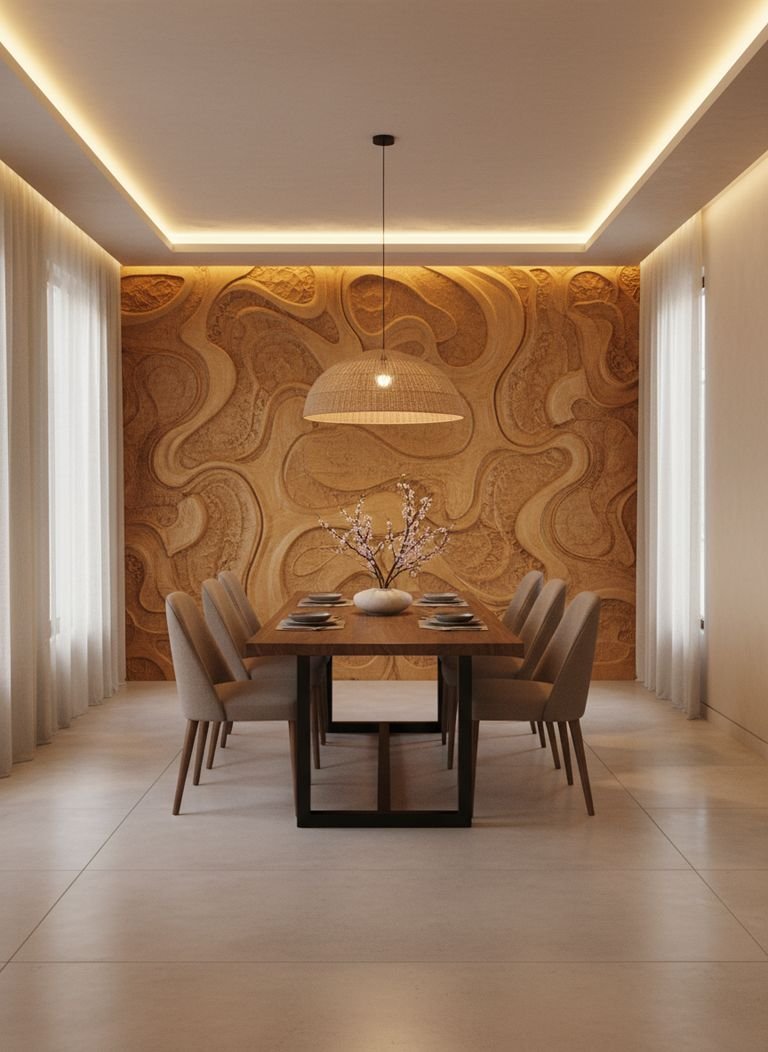
Ultimately, selecting an Artisanal Teak Mosaic is a choice to invest in more than just a product. It is an investment in art, sustainability, and longevity. It is a commitment to creating a home filled with unique, meaningful objects that reflect a considered approach to design and consumption. This type of sustainable teak decor offers a powerful antidote to the disposable culture of “fast furniture,” providing instead an heirloom-quality feature that will enrich your home for a lifetime. The growing household mosaic tile market, projected to reach USD 17.57 billion by 2035 according to Market Research Future, underscores a broader movement towards durable, high-value interior finishes.
By prioritizing craftsmanship, understanding the material’s inherent strengths, and engaging with transparent suppliers, you can confidently select the perfect handcrafted wood wall art for your home. This is not just about following Home Decor tips; it is about making a definitive statement. An Artisanal Teak Mosaic delivers a powerful fusion of natural beauty and human ingenuity, creating a space that is not only visually stunning but also rich with story and integrity. Explore our curated collections and begin the journey of transforming your space with a timeless piece of functional art.
Frequently Asked Questions
Is artisanal teak mosaic a truly sustainable choice?
Yes, especially when you choose mosaics made from reclaimed teak. This wood is salvaged from old buildings, bridges, and furniture, which means no new trees are harvested. This practice reduces waste and gives beautiful, old-growth wood a second life. If new teak is used, look for suppliers who can verify their sourcing from responsibly managed plantations, though reclaimed is generally the superior environmental choice.
How difficult is it to install teak mosaic panels?
For a person with advanced DIY skills, installation is manageable. The panels are typically mounted on a mesh or solid backing and can be installed with a high-grade construction adhesive. However, for a flawless finish, especially on large walls or in areas requiring intricate cuts, we highly recommend hiring a professional installer with experience in finish carpentry or detailed tile work.
Can I use a teak mosaic in a high-humidity area like a bathroom?
Yes, teak is an excellent choice for bathrooms and even for shower walls (outside the direct stream of water). Its natural oils make it highly resistant to moisture and rot. However, proper installation is critical. The wall must be fully waterproofed before installation, and a suitable waterproof adhesive and sealant should be used. Ensure the room has good ventilation to allow the wood to dry out between uses.
What is the main difference in appearance between reclaimed and new plantation teak?
Reclaimed teak has a richer, deeper color palette and more character, often featuring nail holes, weathering, and a tighter grain from its past life in an old structure. Its color variation is more pronounced. New plantation teak is more uniform in color and grain, presenting a cleaner, more consistent look. The choice between them is purely aesthetic: one offers history and rustic character, the other offers modern uniformity.
How do I clean and maintain my 3D teak wall?
Maintenance is minimal. For regular cleaning, use the soft brush attachment of your vacuum cleaner to remove dust from the textured surface. For a deeper clean, you can wipe it down with a slightly damp microfiber cloth. Avoid using harsh chemical sprays, furniture polish with silicone, or soaking the wood with water. The natural finish of the teak requires very little intervention to stay beautiful.