

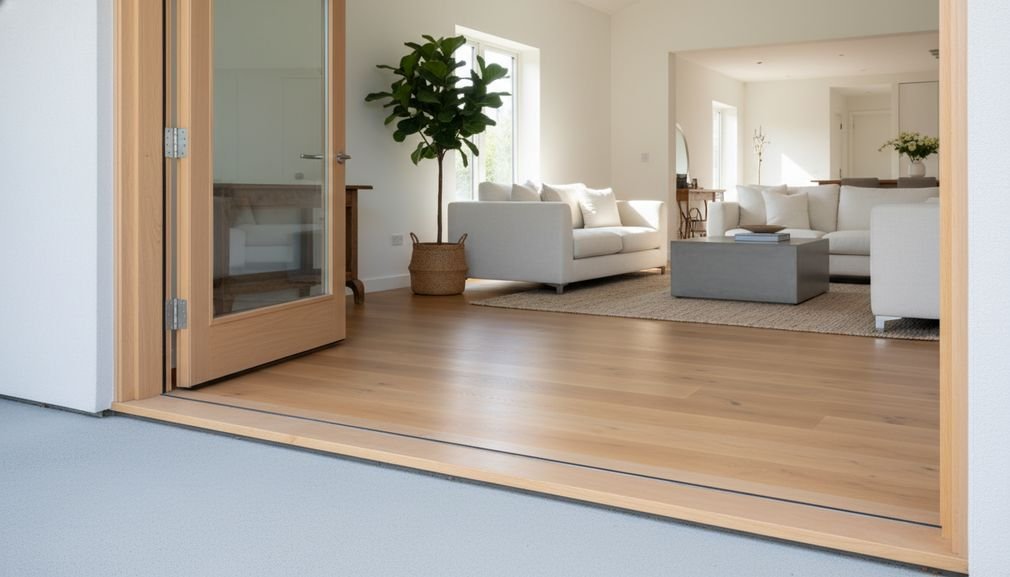
A successful Aging-in-Place Remodel is more than just installing grab bars; it’s a strategic investment in your long-term independence, safety, and financial future. As more homeowners choose to remain in their homes through their later years, understanding the real costs, potential return on investment, and critical details that are often overlooked becomes essential for making smart decisions.
Key Takeaways
- Universal design bathroom remodels show a national average return on investment (ROI) of 49.4%, though this can vary significantly by region, from 33.5% in some markets to over 60% in others.
- The national average cost for a universal design bathroom remodel in 2024 is approximately $40,750, but specific data for other key upgrades like walk-in tubs or ADA-compliant kitchens is not readily available.
- Crucial information regarding long-term maintenance, financial assistance programs, and specific technical building codes is largely absent from public data, making professional consultation non-negotiable for a successful project.
- The Growing Appeal of Aging-in-Place
- The Financial Picture: Maximizing Your Aging-in-Place Investment
- Understanding the Costs: What to Budget for Key Upgrades in 2024
- Beyond the Build: Critical Considerations Often Overlooked
- Planning Your Aging-in-Place Remodel: Next Steps
- Frequently Asked Questions
Introduction: The Growing Appeal of Aging-in-Place
The concept of aging-in-place—modifying your home to live in it safely, independently, and comfortably, regardless of age or ability level—has gained significant traction. An Aging-in-Place Remodel isn’t just a short-term fix; it’s a forward-thinking approach to homeownership. By incorporating principles of universal design, these projects aim to create an environment that adapts to your needs over time. Thoughtful universal design home upgrades, such as zero-threshold showers, wider doorways, and better lighting, enhance functionality for everyone in the household while preparing the home for future mobility challenges. This proactive strategy supports autonomy and can be a financially sound alternative to assisted living facilities.
The Financial Picture: Maximizing Your Aging-in-Place Investment
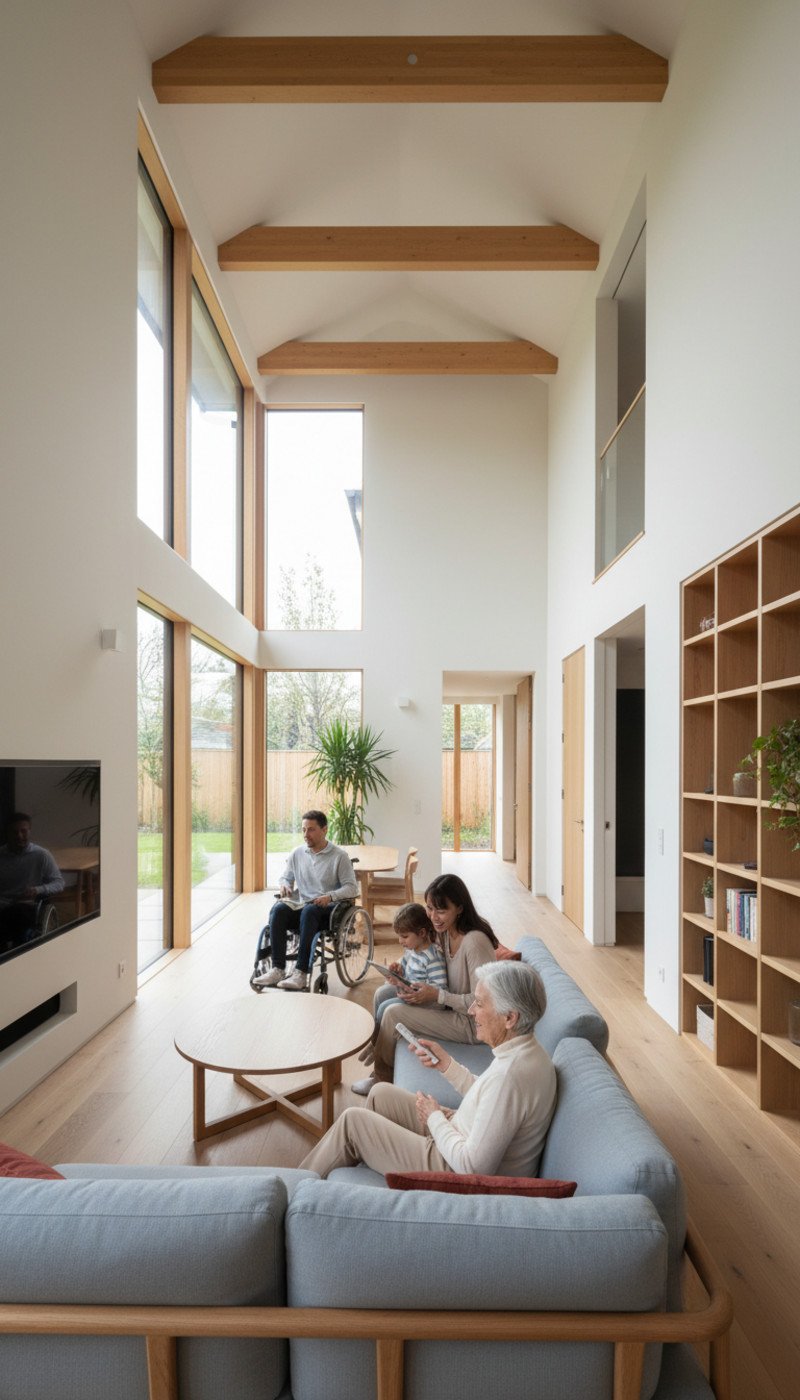
When considering an aging-in-place remodel, the financial implications are a primary concern for most homeowners. The goal is to improve long-term livability without negatively impacting your home’s value. Fortunately, data shows that certain universal design home upgrades can offer a respectable return on investment (ROI) at resale, as they appeal to a broader range of buyers.
According to the 2024 Cost vs. Value report, a universal design bathroom remodel has a national average job cost of $40,750 and recoups approximately 49.4% of that cost in resale value. This ROI is not uniform across the country. For example, some regional data shows a return as high as 51%, while a specific market analysis for Minneapolis reveals a lower ROI of 33.5% on a project costing nearly $45,000. Other estimates suggest a well-executed universal design bathroom, featuring a walk-in shower, grab bars, and wider doorways, could see an ROI of up to 60% because these features are attractive to all buyers, not just those with immediate accessibility needs. Exploring different bathroom remodels that enhance style and function can provide ideas that also boost this value.
Understanding the Costs: What to Budget for Key Upgrades in 2024
Budgeting accurately is one of the biggest challenges in planning an aging-in-place remodel. While we have a solid benchmark for a comprehensive universal design bathroom, detailed cost data for other specific modifications is surprisingly scarce in 2024 reports.
The national average for a universal design bathroom remodel stands at $40,750. This figure typically includes creating a zero-threshold shower, installing grab bars, a comfort-height toilet, and ensuring adequate turning space for a wheelchair. However, if you are looking for cost breakdowns for individual items, the data is less clear. Current industry reports do not provide low, medium, or high cost ranges for specific projects like a walk-in tub installation or installing slip-resistant flooring over a set area. Similarly, there is no standardized 2024 cost data available for transforming a kitchen into a fully ADA compliant kitchen with adjustable-height counters and accessible appliances. This lack of granular data makes getting detailed, localized quotes absolutely critical. For broader cost planning, referencing a guide on kitchen and bathroom remodel costs and planning can help establish a foundational budget.
Beyond the Build: Critical Considerations Often Overlooked
The most significant challenge for homeowners planning an aging-in-place remodel is not what the data tells you, but what it leaves out. Publicly available research for 2024 has major gaps, leaving homeowners to navigate complex decisions without clear guidance. Acknowledging these blind spots is the first step toward a truly successful project.
Long-Term Functionality and Maintenance
There is a notable absence of data on long-term regrets or unexpected maintenance issues with aging-in-place modifications. For instance, what are the common functional challenges with walk-in tubs after five years? Do smart home accessibility systems require costly software updates or become obsolete quickly? Research contains no information on these post-installation realities. This means you must ask potential contractors pointed questions about product longevity, warranties, and typical repair costs for specialized equipment. Integrating features like smart home voice control can be a huge benefit, but you need to understand the long term commitment.
Advanced Design and Technical Specifications
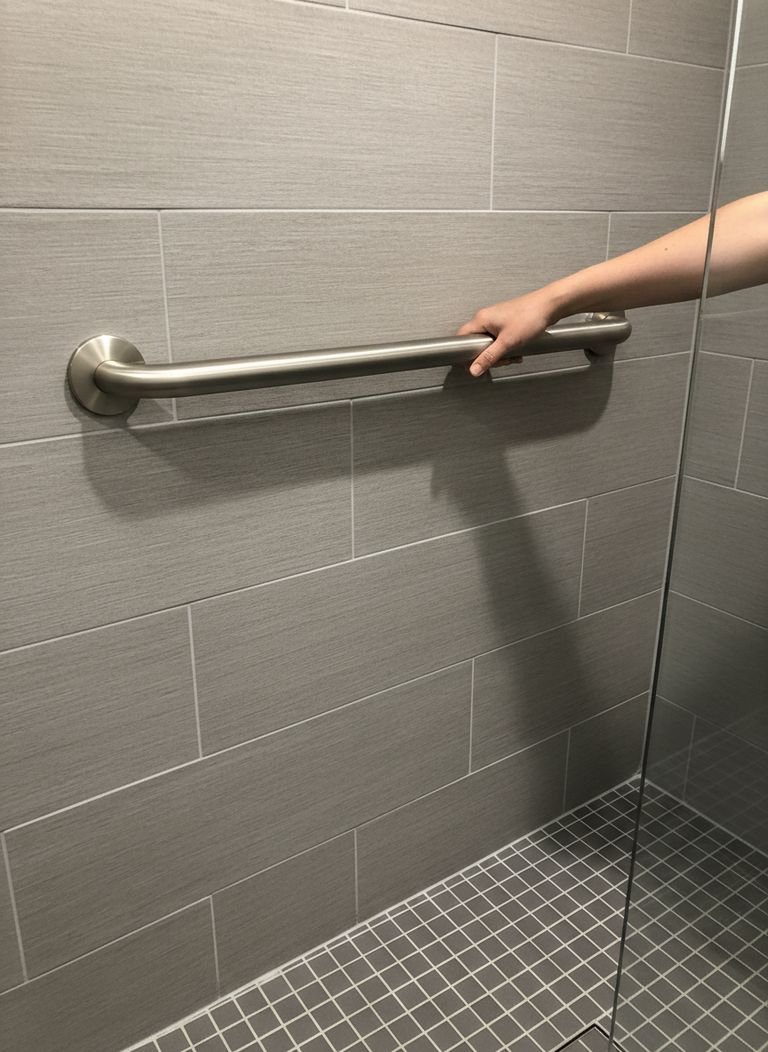
Most online guides focus on the basics. However, search results contain no data on advanced topics like neuro-inclusive design (creating calming environments for those with cognitive sensitivities) or the psychological benefits of passive safety features. Furthermore, critical technical details are missing. There is no readily available data on specific building code requirements for grab bar load ratings, minimum wheelchair turning radii in different rooms, or recommended lighting levels (lumens) for preventing falls. These details are not trivial; they are the difference between a modification that looks good and one that is truly safe and functional. An investment in a spa bathroom, for instance, must still meet these rigorous, often unstated, safety standards.
Financial Assistance Programs
Perhaps one of the most glaring gaps is the lack of a centralized, up-to-date database of financial aid. Research for 2024 contains no specific data on federal, state, or local grants, tax credits, or programs like VA benefits and Medicaid waivers available for aging-in-place remodels. Information on eligibility criteria and application processes is scattered and often out of date. This forces individuals to conduct painstaking research on their own, often missing out on potential funding sources that could make a project more affordable.
Planning Your Aging-in-Place Remodel: Next Steps
The data on ROI and average costs provides a solid starting point for your financial planning. However, the significant information gaps in crucial areas—from long-term maintenance to technical specifications and financial aid—underscore one clear takeaway: you cannot rely solely on online research to plan your project. The complexity of creating a truly safe, functional, and future-proof home requires specialized expertise.
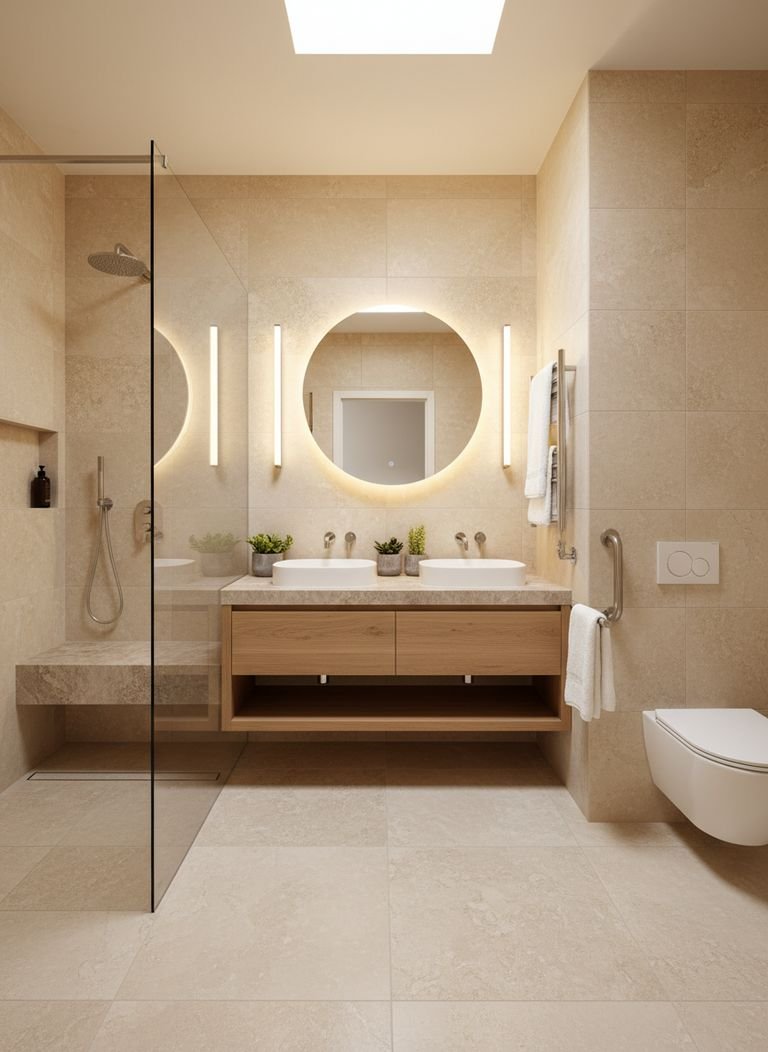
Your next step should be to consult with professionals who hold a Certified Aging-in-Place Specialist (CAPS) designation from the National Association of Home Builders. These experts are trained to understand the unique challenges of an aging-in-place remodel, from navigating local building codes to recommending the right products for your specific needs. They can help you design an ADA compliant kitchen with optimal kitchen storage solutions or a bathroom that is both beautiful and safe. An expert consultation is the most reliable way to fill the knowledge gaps and ensure your Aging-in-Place Remodel is a lasting success.
Frequently Asked Questions
What is a good ROI for an Aging-in-Place Remodel?
A good return on investment (ROI) for an aging-in-place remodel, specifically a universal design bathroom, is anything at or above the national average of 49.4%. Some markets see returns over 60%. However, the primary return is not financial but in the improved quality of life, safety, and the ability to remain in your home long-term, which can offset the high costs of assisted living.
Are universal design upgrades only for older adults?
No. Universal design principles benefit everyone, regardless of age or ability. Features like wider doorways, lever-style door handles, and zero-threshold showers make a home more convenient and accessible for people with temporary injuries, parents with strollers, and visiting guests. This broad appeal is why these upgrades can increase a home’s resale value.
What is the biggest mistake to avoid in an aging-in-place remodel?
The biggest mistake is focusing only on current needs instead of anticipating future requirements. A remodel should be adaptable. For example, installing wood blocking in bathroom walls for future grab bars, even if you don’t install them immediately, is a cheap and effective way to future-proof the space without a major renovation later.
How can I find financial help for my aging-in-place project?
Finding financial assistance is challenging due to a lack of centralized information. Start by contacting your local Area Agency on Aging. They can often provide the most relevant information on state and local grants, waiver programs, or other resources. Additionally, if you or your spouse is a veteran, explore benefits through the Department of Veterans Affairs (VA), which offers several grants for home modifications.
What is a Certified Aging-in-Place Specialist (CAPS)?
A Certified Aging-in-Place Specialist (CAPS) is a professional who has been trained and certified by the National Association of Home Builders (NAHB) in the unique needs of the aging population. They are knowledgeable about universal design principles, home modifications, and common remodeling projects that help people live safely and independently in their homes for longer.