

Accessory Dwelling Unit (ADU) projects are transforming the housing landscape in 2024—offering flexible home solutions, income opportunities, and new paths to affordable living, but they are not without unique hurdles and surprises. Whether you want to add a backyard cottage, in-law suite, or garage conversion, understanding what’s really involved before you break ground can save money, stress, and costly mistakes.
Key Takeaways
- ADU construction is on the rise nationwide—with California and select cities leading policy reform and permit activity in 2024.
- Main obstacles include zoning, financing, and limited local expertise—with policy changes outpacing local implementation in some states and cities.
- Critical gaps persist: actual cost breakdowns, negative user experiences, and technical requirements often go underreported in top ADU content.
- What Is an Accessory Dwelling Unit (ADU) and Why Build One?
- Step-by-Step: How to Successfully Plan and Build Your ADU
- Advanced Analysis & Common Pitfalls in 2024 ADU Projects
- Conclusion: Deciding If an ADU is Right for Your Property
- Frequently Asked Questions About ADUs
What Is an Accessory Dwelling Unit (ADU) and Why Build One?
An Accessory Dwelling Unit (ADU) is a secondary, self-contained residential unit built on an existing lot with a main home. These take the form of backyard cottages, basement or garage conversions, in-law suites, or prefab tiny homes. ADUs offer more living flexibility—housing loved ones, earning income, or creating private studio spaces while boosting overall property value.
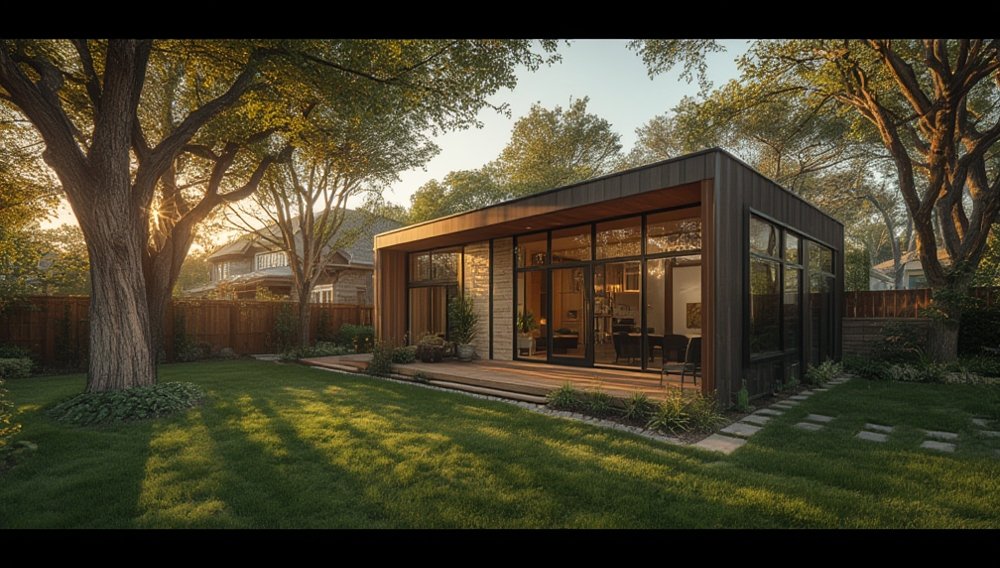
The demand for ADUs has soared in recent years. More than 2.8 million permits have been issued nationwide, with California alone making up a staggering portion—representing 127% of new single-family permit activity and 18 to 28 percent of all new residential completions from 2018 to 2022. Policy reforms, like California’s by-right permitting and New York City’s “City of Yes” initiative, are easing the path for homeowners in key cities. However, most states and municipalities remain vastly different in how easy—or difficult—it is to actually build an ADU.
ADUs can add value beyond square footage: they can house aging parents, provide rental income, or expand multigenerational living. In cities with high housing demand and prices, the financial returns can be substantial, but laws, costs, and experiences vary greatly by location.
If you’re considering other ways to invest in your property, see our Ultimate Complete Guide to Kitchen and Bathroom Remodel Costs and Planning for value-adding remodels that can complement an ADU project.
Step-by-Step: How to Successfully Plan and Build Your ADU
- Check zoning and local requirements: Research your city and county rules about setbacks, lot coverage, unit size, and parking. Some cities like Los Angeles and Seattle are very ADU-friendly, but places like Massachusetts still present obstacles despite recent legalization.
- Run financials up front: Calculate potential costs—land prep, construction, permits, design, and utilities. Also factor in possible rental income or resale value increases. Because detailed cost breakdowns are still rare, ask local ADU professionals for recent, completed project budgets.
- Get designs drawn and approved: Use an architect or a firm experienced in local ADU permitting. In New York City, for example, pre-approved design templates can simplify requirements. Design with the end use in mind—will it be a rental, guest house, or for multigenerational living?
- Apply for permits: Submit designs, site plans, and paperwork. In some places, approvals can now be issued by-right and within fixed timelines, thanks to state reforms; elsewhere, expect delays and unpredictability.
- Select a reliable contractor: ADU projects require nuanced skills and attention to utility connections, site access, and zoning quirks. Vet your contractor’s ADU track record carefully. Lack of local knowledge is a big source of delays and overruns.
- Manage construction proactively: Stay in close contact. Address surprises—old plumbing, foundation issues, or limited site access—quickly to avoid spiraling costs.
- Inspect and enjoy your new ADU: Complete all final inspections and paperwork before move-in or rental. Document lessons learned for future property improvements, such as bathroom remodels that balance cost and value, as covered here.
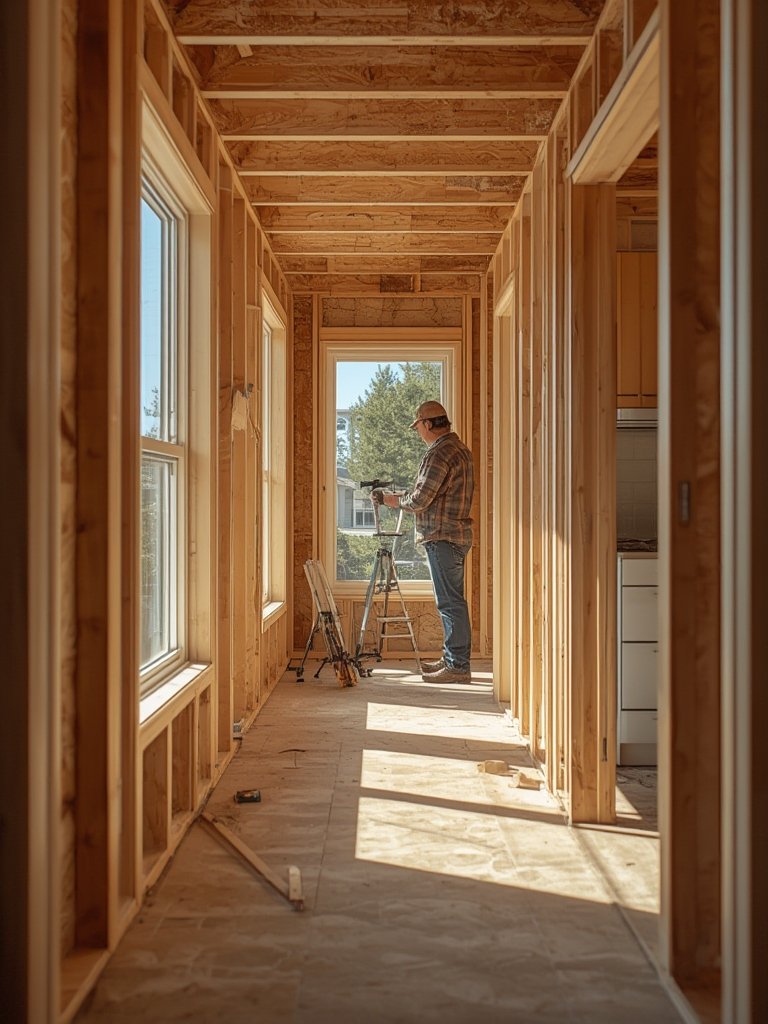
Many top-ranking ADU articles overlook the technical nuances that make or break a project—like utility connections, handling sloped lots, or cost-effective material choices. Some trending but under-covered options include two-story ADUs, universal design for aging in place, and ultra-low-maintenance exterior finishes on backyard cottages. If your property is part of an association or historic district, research extra requirements and be prepared for a longer process.
For related inspiration on maximizing small outdoor spaces, see our small screened-in porch ideas guide for additional ways to boost your property’s functionality.
Advanced Analysis & Common Pitfalls in 2024 ADU Projects
Even as ADU laws have loosened in many states, real-world challenges remain. Here’s how the landscape looks in 2024, based on the latest research:
| Location | ADU Policy Reform | Permits Issued (2024) | Main Obstacles | Success Drivers |
|---|---|---|---|---|
| California | Permitting deadlines, by-right approvals, multiple ADUs per lot | 30,000+ | High costs, local delays in some cities, utility hookups | Timed reviews, streamlined zoning |
| Massachusetts | Statewide legal since 2024 | 550 (H1 2024) | Setback, septic, city lag vs. state law | Local implementation needed |
| New York City | “City of Yes”, pre-approved plans, ADU financing | Targeting 80,000 | Parking, infrastructure, safety worries | Easier designs, financing help |
| Seattle | Large share of WA ADUs, pro-ADU zoning | 40%+ of WA permits | Local build challenges, high construction costs | Permitting process improvements |
Key Pitfalls
- Permitting uncertainty: Even after statewide reforms, as seen in Massachusetts, local governments may interpret new rules restrictively, causing costly delays.
- Unanticipated expenses: Few sources provide transparent cost breakdowns. Budget overruns are common—especially with garage conversions and historic homes due to hidden issues like foundation upgrades or plumbing.
- Contractor reliability: Not all contractors have deep ADU experience. Confirm local skill and ask for references to avoid missed deadlines or compliance errors.
- Technical obstacles: Setbacks, utility hookups, and site access challenges can add complexity. Septic system or utility upgrades may be required—a lesson echoed by ADU builders nation-wide.
- Inconsistent rental ROI data: Most markets lack up-to-date ROI and rent projections, making financial planning tougher. Beware of generic calculators that ignore your real costs and local rental demand. For better financial modeling, check with locally active ADU pros and recent policy whitepapers.
Homeowner frustration persists in some states where laws changed but city permitting lags. While negative ADU user stories are scarce in public data, the lack of open reporting on planning and construction headaches is itself a warning: hidden headaches, particularly with prefab ADUs or garage conversions, can catch new builders by surprise.
For more tips on enhancing your outdoor space before or after an ADU, see our complete guide to landscaping services and backyard ideas. Upgrading your landscaping alongside an ADU can greatly enhance property value and usability.
Conclusion: Deciding If an ADU is Right for Your Property
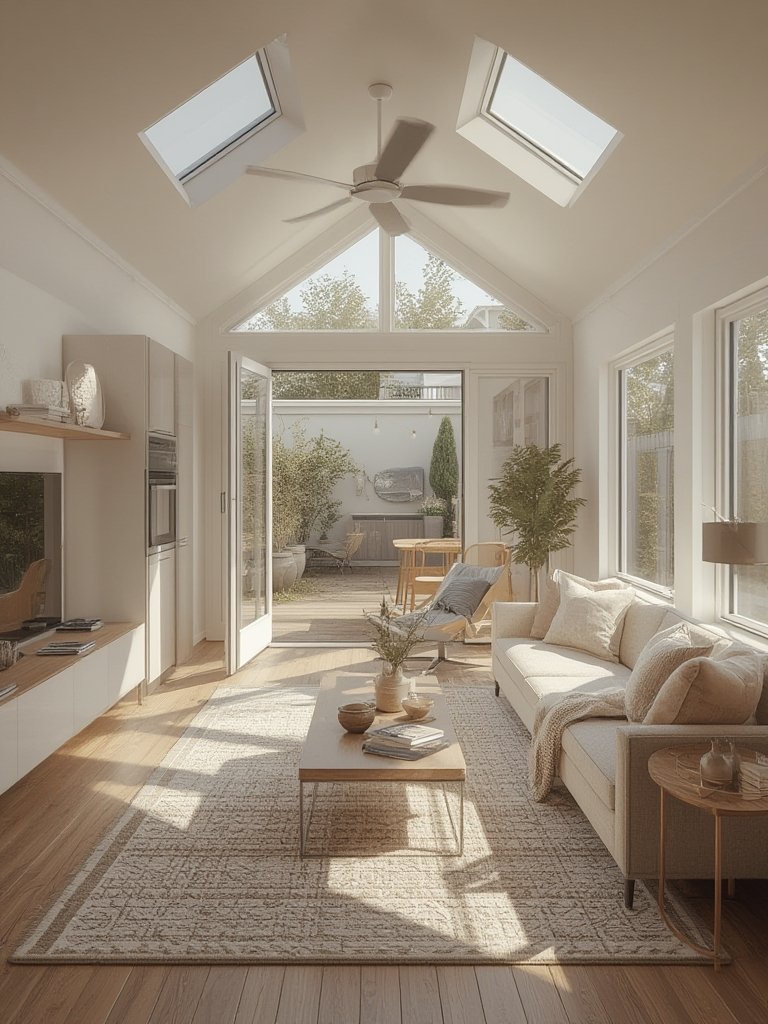
Building an Accessory Dwelling Unit (ADU) unlocks options for rental income, elder care, and property value growth—but only with careful planning. Rapid policy change, real-world delays, hidden costs, and technical demands mean homeowners reap the best rewards when they prepare proactively. Use local resources, talk to neighbors who have completed ADUs, and manage expectations. For style inspiration while maximizing value, review our home decor tips for warm spaces.
Ready to take the next step? Start by compiling your city’s ADU rules and reach out to permitting experts—your project’s success depends on it. Need a renovation partner? Explore materials and tools at your local home improvement store, as detailed in our ultimate Lowe’s guide. Take action now to make your ADU vision a reality.
Frequently Asked Questions About ADUs
How much does it cost to build an ADU in 2024?
National-level data on average ADU costs in 2024 is sparse. Most homeowners report spending between $140,000 and $400,000, depending on size, finish level, location, site condition, and whether you use prefab or stick-built methods. Research local contractors who specialize in ADUs for recent, more accurate cost breakdowns.
What are the main obstacles to building an ADU?
The biggest obstacles include restrictive zoning or setbacks, slow local permitting (even after state reforms), financing hurdles, lack of contractor expertise, and unanticipated utility or infrastructure upgrades needed to meet code.
How long does the ADU permitting process take?
In progressive ADU cities like Los Angeles or Seattle, permits can be approved in as few as 6–12 weeks, thanks to by-right and timed-review policies. In cities with less experience or slow local adoption of statewide laws, the process may stretch to 6–12 months or longer.
Do ADUs add value to your home?
Yes—properly designed and permitted ADUs typically increase your property’s resale value and offer potential for steady rental income. Value is highest in areas with strong demand and clear legal frameworks for rentals.
What are some ADU trends for 2024 and beyond?
Key trends include more multigenerational designs, two-story or modular prefab units, and universal design features for accessibility. Low-maintenance materials and energy-efficient systems are also gaining popularity.