

### Blog Post:
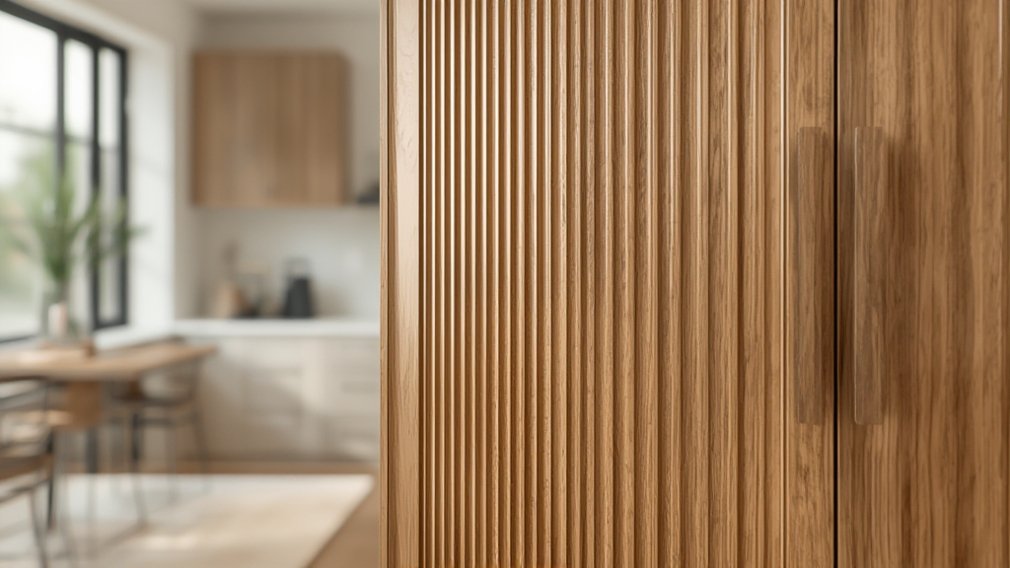
Fluted wood cabinets are one of the most talked-about kitchen trends for 2025, catching the eye of both style-driven homeowners and specification-focused professionals. But before you commit to vertical groove or textured doors, it’s essential to know exactly how they stack up against classic options—from cost and cleaning to hardware, materials, and proven durability. This guide delivers all the trade-offs and data contractors, designers, and serious remodelers need to make smart decisions for a modern remodel.
Key Takeaways
- Fluted and vertical groove cabinets are surging in popularity for 2025 modern remodels, especially in custom and semi-custom segments due to their premium, textured look and resale appeal.
- They cost 12-35% more on average than flat-panel or shaker doors, with little direct consumer data on installation issues or long-term maintenance—owners need to plan proactively.
- Key missing areas in most guides: hardware compatibility, specific cleaning/maintenance protocols, and precise specification language for contract and install quality.
- Market snapshot — Why textured fronts matter in 2025
- Who buys fluted and vertical groove cabinets — market segments & demand signals
- Cost comparison — fluted/vertical groove vs flat-panel/shaker for a modern remodel
- Common consumer pain points & missing negative-review data (what we know and what we don’t)
- Best materials, finishes, and wood types for durability and texture retention
- Design and functional limitations to call out (hardware, cleaning, longevity)
- Maintenance best practices and spec language (for homeowners and specifiers)
- Integration & technical specs — how to blend fluted fronts into millwork and full remodels
- Top 3 buyer considerations most competitor content misses (quick checklist)
- Buying & specification checklist (final quick‑reference for homeowners & pros)
- Sources & next steps for original reporting (who to interview / tests to run)
Market snapshot — Why textured fronts matter in 2025
The cabinet market is evolving quickly. According to recent market research, the global kitchen cabinets market is projected to reach $107.86 billion in 2025, fueled mainly by a sharp demand for texture, dimension, and sustainable materials. Fluted wood cabinets and similar textured door styles have emerged as a dominant 2025 kitchen trend, giving both depth and a tactile feel that stands out in high-end contemporary and transitional spaces. Not only do these finishes catch the eye, but they deliver a perceived value boost, which ultimately enhances a home’s resale appeal. Custom units are on the rise, with textured and vertical groove fronts driving many of these premium upgrades.
Who buys fluted and vertical groove cabinets — market segments & demand signals
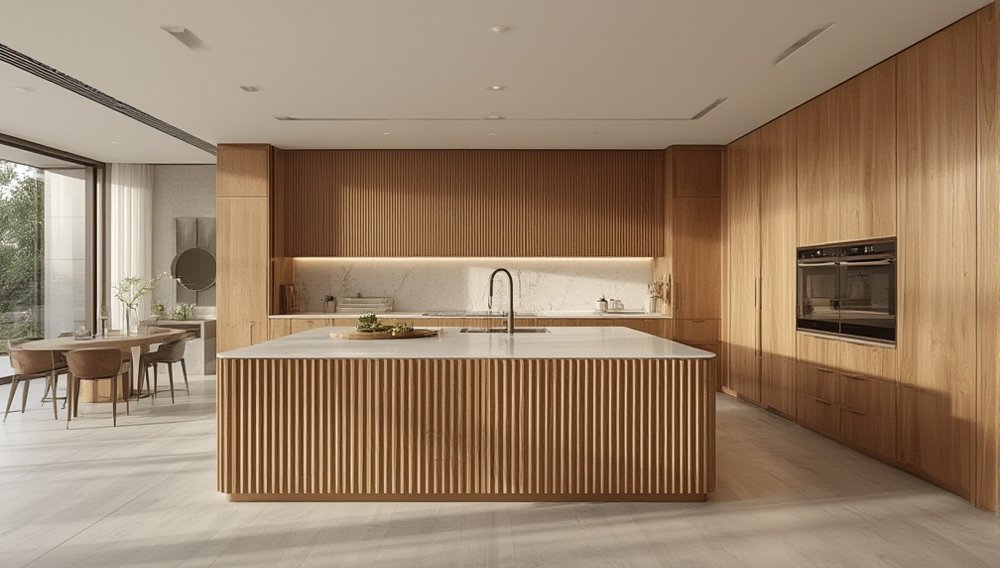
The appetite for fluted wood cabinets and vertical groove cabinets is much stronger in the custom and semi-custom sectors than in ready-to-assemble (RTA) offerings. By mid-2024, custom cabinets made up 25% of the market—a segment that grew by 7.2% even as other cabinet sales declined. These custom jobs command a 12% higher average order value, showing a clear trend: homeowners and professionals seeking uniqueness and texture are willing to pay more for these premium features.
Textured cabinet fronts are less common in mass-produced, entry-level segments but are now visible in some higher-end RTA lines thanks to advanced manufacturing. Most demand, however, is still driven by renovation professionals, interior designers, and discerning homeowners looking to set their kitchens or bathrooms apart from generic millwork.
For in-depth kitchen and bathroom remodel planning, visit our Ultimate Complete Guide to Kitchen and Bathroom Remodel Costs and Planning.
Cost comparison — fluted/vertical groove vs flat-panel/shaker for a modern remodel
Fluted and vertical groove fronts are premium options, both in material cost and labor. Here’s what the numbers say for 2025:
| Cabinet Type | Average Cost (per linear foot) | Where Fluted/Vertical Groove Applies | Notes |
|---|---|---|---|
| RTA (Ready-to-Assemble) | $150 | Rare, only select models | Minimal texture options |
| Semi-Custom | $350 | Frequently available | Wide variety, limited finish customizations |
| Custom | $450–$700+ | Most common | Full control (species, finish, deep grooves, etc.) |
Cost for upkeep can also be higher than with flat-panel or shaker cabinets due to the grooves’ potential for trapping dust, grease, and debris. Professional cleaning is occasionally needed for heavy-use kitchens or if softer paint-grade woods are chosen. Custom orders could see 5-7% annual price increases, according to industry projections. While RTA offers the lowest entry price, the design flexibility and quality are limited compared to semi-custom or true custom millwork cabinets.
Thinking about balancing style, function, and cost? Explore our Bathroom Remodels That Enhance Style and Function guide.
Common consumer pain points & missing negative-review data (what we know and what we don’t)
Consumer reviews and direct studies on fluted wood cabinets and vertical groove cabinets remain scarce. No verifiable complaints about installation issues, finish durability, or cleaning difficulties have surfaced in indexed reviews or research reports. This lack of data means potential buyers should be alert to possible pitfalls that have not yet been broadly documented. Logical risks include:
- Installation tolerances: Grooves demand precise alignment; even minor racking or uneven mounting is obvious.
- Cleaning complexity: Flutes and vertical grooves may trap dust or grease, requiring more detailed periodic cleaning.
- Hardware placement: Installing pulls or knobs on textured doors can be tricky—hardware may need repositioning or backside mounting plates for proper support.
Review data is virtually absent, and no known laboratory or long-term in-field testing has been published to confirm or refute these risks. If you’re hiring an installer or contractor, ask about actual experiences with routed doors and specify extra care in cleaning and hardware fitting.
Best materials, finishes, and wood types for durability and texture retention
The longevity and visual quality of textured doors depend heavily on both materials and finishes. Oak and maple lead the market for good reason: they offer strength, stability, and a warm grain that pairs well with vertical flutes. In 2024, wood cabinets—especially oak and maple—made up 65% of all purchases, according to industry research.
Other species such as paint-grade poplar are rising in popularity, especially when clients want custom color blocking or a high-contrast effect. For clients mindful of sustainability, FSC-certified oak, reclaimed wood, and Lyptus are sought-after options.
- Solid wood: Best for deep fluting and heavy use; most resilient to wear.
- Wood veneer over MDF or plywood: Lower cost and less prone to warping, but groove depth is limited (less tactile than true solid routes).
- Finishes: Acid-catalyzed or conversion varnishes offer superior wear and water resistance. Satin or matte coatings help hide fingerprints and micro-scratches on raised edges.
No official guidelines exist for textured door finishes in high-traffic spaces—a gap that needs to be filled by project specifications and contract clauses.
Looking to incorporate more natural elements in your bathroom? Our Biophilic Bathroom Design Guide explores materials that boost style and wellness.
Design and functional limitations to call out (hardware, cleaning, longevity)
No documented, evidence-based design failures have been published for fluted wood cabinets or textured doors—but field experience suggests a few areas for careful attention:
- Hardware compatibility: Surface irregularity can cause knobs or pulls to rock or loosen; specialty mounting plates may be required to maintain stability.
- Cleaning: Grooves collect dust and grease. Owners should plan on vacuum-brush cleaning and spot-wiping with a lightly damp microfibre towel every 1-2 weeks.
- Finish abrasion: Raised edges encounter more friction (from cleaning or objects). Over time, this can dull the finish—select high-wear coatings for main traffic zones.
- Longevity: No durability or lifecycle studies specifically on textured doors have been identified, so warranty questions should be asked in advance.
Competitor content rarely covers these points beyond trend mentions. Specification writers should call out grooves’ depth, allowable dimensional tolerances, and preferred hardware solutions in installation guides and purchase contracts.
Need more tips for blending style and function on a budget? Read Home Decor Tips: Create Warm Spaces and Holiday Christmas Sparkle for adaptable design inspiration.
Maintenance best practices and spec language (for homeowners and specifiers)
Since neither manufacturers nor major research sources have released formal guidance for cleaning and maintaining vertical groove cabinets in high-use kitchens and bathrooms, here are recommended best practices based on finish industry principles:
- Cleaning: Use a soft, angled-bristle dust brush or vacuum attachment weekly. For sticky spots, wipe gently with a damp microfibre cloth using a mild soap solution; then dry thoroughly to prevent finish degradation in grooves.
- Finishes & sealers: Specify two-part acid-catalyzed or polyurethane topcoats for water and abrasion resistance. Confirm with the fabricator that grooves and recesses receive full finish coverage. Consider semi-matte or satin sheens for fingerprint resistance.
- Hardware: Require documented mounting instructions for pulls or handles, with a note on shimmed or back-plated hardware in fluted zones. Tolerance for misalignment should not exceed 1mm over 2 feet of door width.
- Warranty: Request a written warranty statement covering finished surfaces against checking, peeling, or flaking for at least 5 years. For commercial or heavy-use spaces, clarify allowable touch-up or refinish events.
Spec language sample: “All cabinet doors shall feature fluting or vertical grooves to a minimum depth of 3mm; finished with a factory-applied, conversion varnish topcoat in accordance with AWI Section 06402. Hardware shall be installed with anti-rotation backplates; field installation to have tolerance not exceeding 1mm deviation per 600mm run.”
For more on assembling a modern remodel scope, consult our Ultimate Complete Guide to Kitchen and Bathroom Remodel Costs and Planning.
Integration & technical specs — how to blend fluted fronts into millwork and full remodels
Integrating fluted fronts within existing or new millwork takes coordination between designers, fabricators, and installers. Use the following technical recommendations:
- Tolerances: Fluting depth should be consistent within ±0.5mm; reveals between doors and frames should be held within 2mm for a clean look.
- Material choice: For doors wider than 20 inches, use solid wood stiles or engineered substrates with veneer for dimensional stability.
- CNC routing: Confirm fabricator can handle groove patterns to at least 0.25” (6mm) depth for proper visual relief; request sample panels for project sign-off.
- Hardware: Opt for long pulls or rails that bridge at least two grooves; specify backplates or trayed mounting if grooves make flush mounting difficult.
- Finishing sequence: Paint or stain doors after CNC machining, not before, to ensure all flutes are properly coated. Schedule appliance and cabinet installation after all finishes are cured to prevent damage to raised edges.
- Hybrid construction: For ultra-modern looks, pair wood veneers with metal frames for increased strength and reduced warping—now supported by advanced CNC workflows (source).

Want better functional value in your living spaces? See our guide on finding the right home improvement store for sourcing hardware and finish tools.
Top 3 buyer considerations most competitor content misses (quick checklist)
- Detailed hardware compatibility: Ninety percent of competitor posts omit what type of pulls or knobs work best with deeply fluted or vertical groove doors—ask vendors for mounting templates and backplate options before specifying.
- Validated cleaning and maintenance protocols: Most guides don’t provide step-by-step cleaning schedules or flag the possibility of added costs (including professional cleaning or refinishing due to finish wear in grooves).
- Long-term durability and warranty clauses: Few sources offer concrete data on lifecycle testing or recommend warranty/maintenance phrases to include in your contract—be proactive in requesting these from your cabinetmaker and include specific tolerances in purchase agreements.
Not sure what other value-boosting options to consider? Explore Spa Bathroom: 7 Amazing Ways To Create A Luxury Retreat for more upgrade strategies that pay off.
Buying & specification checklist (final quick‑reference for homeowners & pros)
- Budget bracket: RTA ≈ $150/linear ft; semi-custom ≈ $350/linear ft; custom/fluted = $450+/linear ft and rising annually by 5-7%.
- Wood/finish options: Oak, maple (best for texture depth and wear); paint-grade poplar (color blocking); ask for FSC or reclaimed options if sustainability is key.
- Finish durability: Require conversion varnish or acid-catalyzed coatings; specify warranty and maintenance schedule in contract.
- Cleaning plan: Set a routine: vacuum-brush or dust weekly; address stains/mess immediately.
- Hardware fit: Confirm mounting solutions and ask for installed sample before bulk orders.
- Measurements/tolerances: Specify groove depth/minimum, edge reveal, and hardware location specs signed off by install contractor.
- Install notes: Appliances and counters should be measured and templated after cabinets are installed to protect fluted surfaces during heavy work. Oversight and sign-off on finish quality before payment is essential.
Sources & next steps for original reporting (who to interview / tests to run)
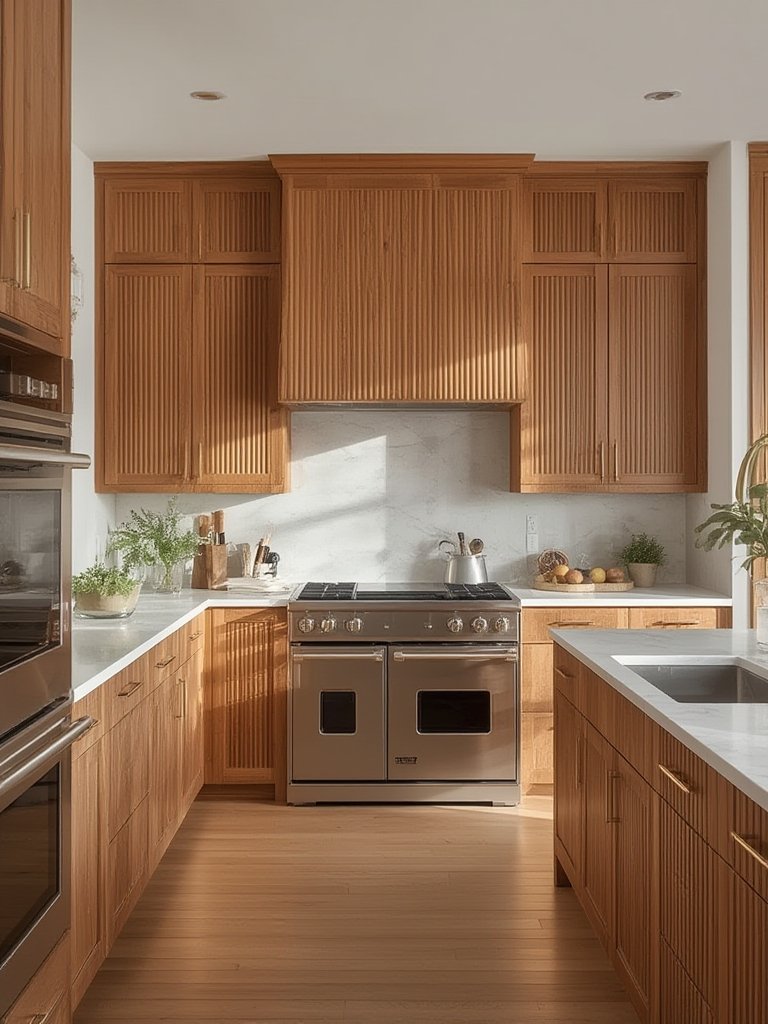
Significant gaps remain in the public research about real-world use, cleanliness, and durability of fluted wood cabinets and millwork cabinets with vertical grooves. For sharper insights, projects aiming for the highest quality should:
- Interview manufacturers of custom and semi-custom textured lines for details on construction methods and durability testing.
- Consult millwork installers and finishers with experience on routed and veneered doors.
- Contact finish houses for best-practice recommendations on coating complex profiles.
- Scrape consumer review platforms (like Houzz, Home Depot, manufacturer forums) for any emerging complaints or owner feedback.
- Run a simple field test: Use oak and painted poplar sample doors with 3-6mm deep flutes—measure cleaning time, grease residue after normal use, and finish abrasion after 30/60-day cycles.
The lack of direct consumer data is notable—serious remodelers should document field experiences and request maintenance feedback to drive better industry best practices in future.
If you want to optimize exterior renovation ROI as well, see our Complete Guide to Landscaping Services and Backyard Ideas Made Easy.
Conclusion
Fluted wood cabinets and vertical groove designs are the breakout trend for 2025 modern remodels, winning with unique texture and high-end appeal. They do cost more and bring design, installation, and maintenance nuances most buyers overlook, especially around cleaning and hardware fitting. Now that you know the data, the pitfalls, and the spec-level details, you’re positioned to ask the right questions, demand meaningful warranties, and get the most style and value from your fluted wood cabinets investment. Ready to move forward? Download our full contractor checklist or contact an expert remodeler for a personalized project review.
FAQ
Are fluted wood cabinets more expensive than shaker or flat-panel cabinets?
Yes, they typically cost 12-35% more due to additional machining, labor, and more complex finishing. Custom jobs can push that gap even higher.
Do fluted and vertical groove cabinets need more maintenance?
Some extra care is required—grooves can collect dust, crumbs, and grease. Plan for weekly dusting, occasional vacuum-brushing, and gentle cleaning with a mild solution.
What’s the best wood for fluted or grooved cabinet doors in high-use kitchens?
Oak and maple are the top choices for strength and longevity. Paint-grade poplar works well for bold colors but is softer. Always specify a high-durability finish, regardless of species.
Are there any known problems with installing hardware on fluted cabinet doors?
Uneven surfaces can cause issues with standard knobs or pulls. Use hardware designed for textured surfaces or request backplates/extra mounting support for best stability.
How can I check quality before ordering a full set of fluted cabinets?
Request a finished sample (including a hardware install) from your fabricator before signing off. Check groove alignment, finish coverage, and hardware fit up close.
—