

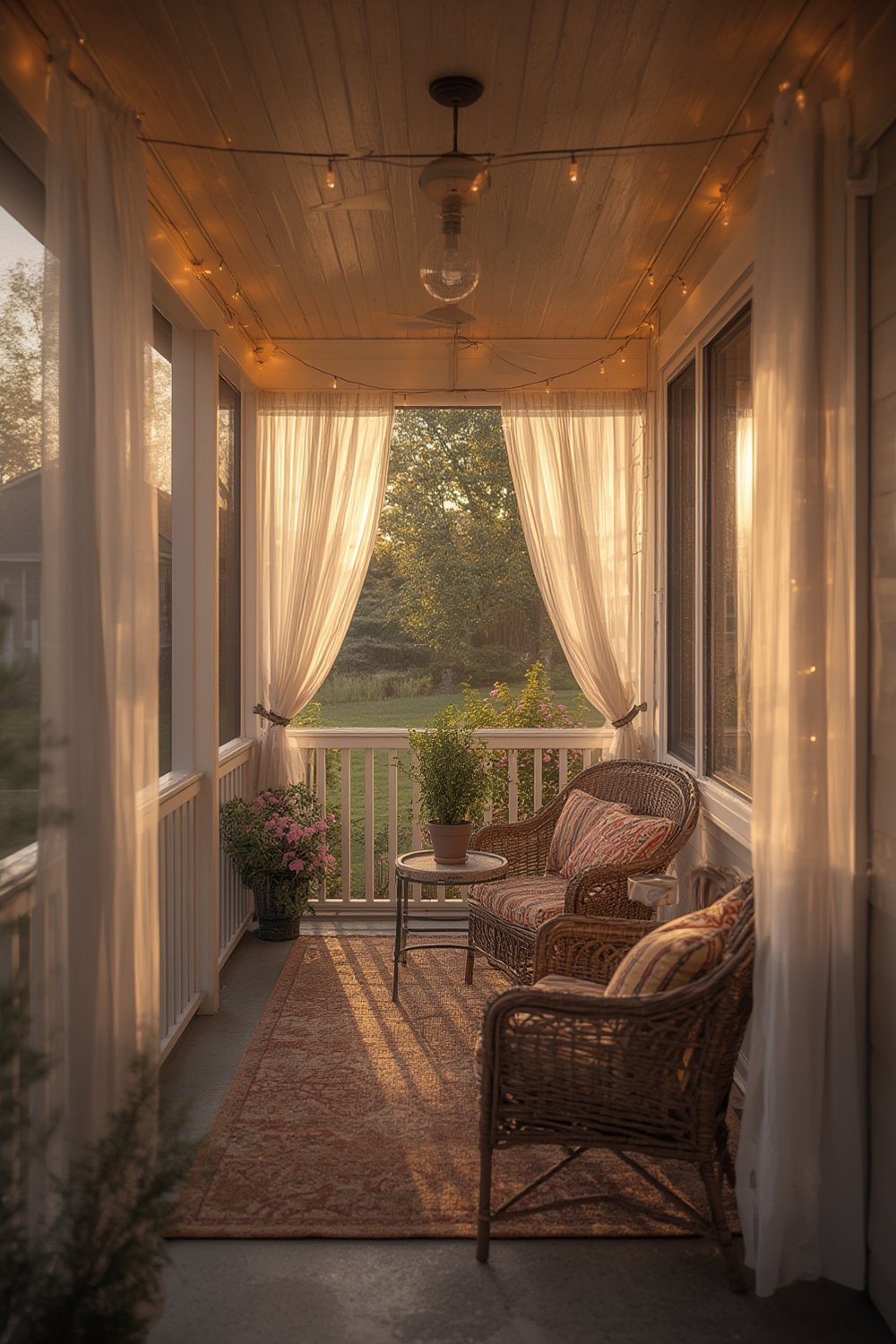
Small screened in porch ideas can transform tight outdoor spots into practical, comfortable living nooks. Whether you’re dealing with under 100 square feet or simply aiming for a clever update, the right approach turns even the most limited porch into an enviable retreat—and often for less than you expect.
Key Takeaways
- Smart design and affordable DIY upgrades let you maximize every inch of a small screened-in porch—even with limited budgets.
- Material choice, furniture scale, and flexible layouts are crucial for durability and usability in compact spaces.
- Most guides skip real-world user success stories, detailed space-saving strategies, and hands-on screening material comparisons—these can make or break your project.
- Understanding Small Screened In Porch Ideas
- Step-by-Step Guide: Designing & Upgrading a Small Screened-In Porch
- Advanced Analysis & Common Pitfalls
- Conclusion
- FAQ
Understanding Small Screened In Porch Ideas
Small screened in porch ideas focus on optimizing modest outdoor nooks—think entries, side yards, or backyard corners—to serve as protected living spaces without major structural additions. With the majority of new U.S. homes (67.2%) including porches—outnumbering even patios and decks[1]—compact screened porches are increasingly sought after for all-season bug and weather protection. They offer a cost-savvy alternative to major additions, delivering valuable space for lounging, storage, or dining in even the smallest footprints.
Success starts with purpose-driven planning: Do you need a relaxation retreat, a tidy mudroom, extra dining, plant displays, or pet-friendly lounging? Identify your biggest constraints (budget, privacy, weather, storage), then focus on purpose-built solutions.
Step-by-Step Guide: Designing & Upgrading a Small Screened-In Porch
- Measure and Assess Your Space
Sketch your porch’s true dimensions, noting doorways, windows, outlets, sunlight, and overhead obstructions. Spaces under 100 sq ft (for example, 8×10 or 6×12 feet) require especially accurate measurements—every inch counts for built-ins and furnishings. - Set a Realistic Budget—Plan for DIY
Because detailed cost breakdowns for tiny porches are scarce, work backwards from a total number you’re willing to invest. Focus on impactful, high-ROI upgrades like improved screens, weatherproof paint, lighting, or versatile furniture. Many homeowners keep small porch transformations under $1,000 with sweat equity and salvage finds. - Select the Right Screening System
Choose between aluminum, fiberglass, or specialty screens. Durability and maintenance vary—aluminum resists dents, fiberglass is low-cost but can tear, and pet-resistant mesh suits homes with animals. Modular DIY screen panels cost more upfront but save labor and are ideal for renters. - Optimize Your Layout for Your Main Goal
For lounging, aim for a slim bench or a pair of compact lounge chairs set along the longest wall. For outdoor meals, a wall-mounted fold-down table and stackable stools may fit. Vertical storage—such as hooks, shelves, or a slim corner unit—multiplies utility without clutter. - Add Lighting, Privacy, and Year-Round Comfort
Plug-in LED lanterns, solar sconces, or battery string lights extend porch use. Weatherstripping exterior doors and adding a ceiling fan or roll-down shades will help manage temperature (and mosquitos) across seasons. For privacy on exposed porches, tension-rod outdoor curtains offer a renter-friendly solution. - Finish with Durable Floors and Stylish Touches
Budget tile, snap-together deck tiles, or waterproof outdoor rugs instantly upgrade the look. Add potted plants, a compact storage chest, or wall art for a custom, cozy vibe.

To see how these strategies blend with bigger projects and landscaping, visit our Complete Guide to Landscaping Services and Backyard Ideas for outdoor harmony tips.
Always check local building codes. DIY partial enclosure kits or removable screen panels provide flexibility and beat headaches if you need to reverse changes later—especially in condos or leased homes.
Advanced Analysis & Common Pitfalls
Common Pitfalls:
- Poor layout planning causes the porch to feel cramped or underused.
- Cheap screening materials tear quickly or cannot withstand climate extremes—replacing them costs more long-term.
- Lack of weatherproofing or drainage leads to mold, rot, or floor damage—especially on wood structures.
- Neglecting privacy can make the space feel exposed, defeating the sense of retreat.
- Ignoring building codes risks fines or forced teardown, especially for permanent screens.
Without detailed cost data, estimate your porch upgrades by prioritizing the following:
| Screen Material | Durability | Maintenance | Weather Resistance | Cost (Est.) |
|---|---|---|---|---|
| Aluminum Mesh | High (dent-resistant) | Low (easy to hose off) | Excellent (rustproof coatings) | $$ |
| Fiberglass Mesh | Medium (can tear under strain) | Low | Good (UV stable, may sag over time) | $ |
| Pet-resistant Vinyl-coated Mesh | Very High | Low | Very Good | $$$ |
| Removable Screen Panels | High (if aluminum or composite frame) | Very Low (replace panel only) | Excellent | $$$ (higher upfront, less labor) |
For structure, concrete bases are standard nationwide except in the Northeast where composite, cedar, or treated wood is common—a
simple deck-tile overlay can convert an existing slab for less than $300 for 100 square feet[3].
When choosing furniture and fixtures, keep proportions small and multi-use: flip-top tables, nesting stools, and wall hooks increase flexibility. For style inspiration, explore Home Decor Tips for Warm Spaces and blend them into your porch update.
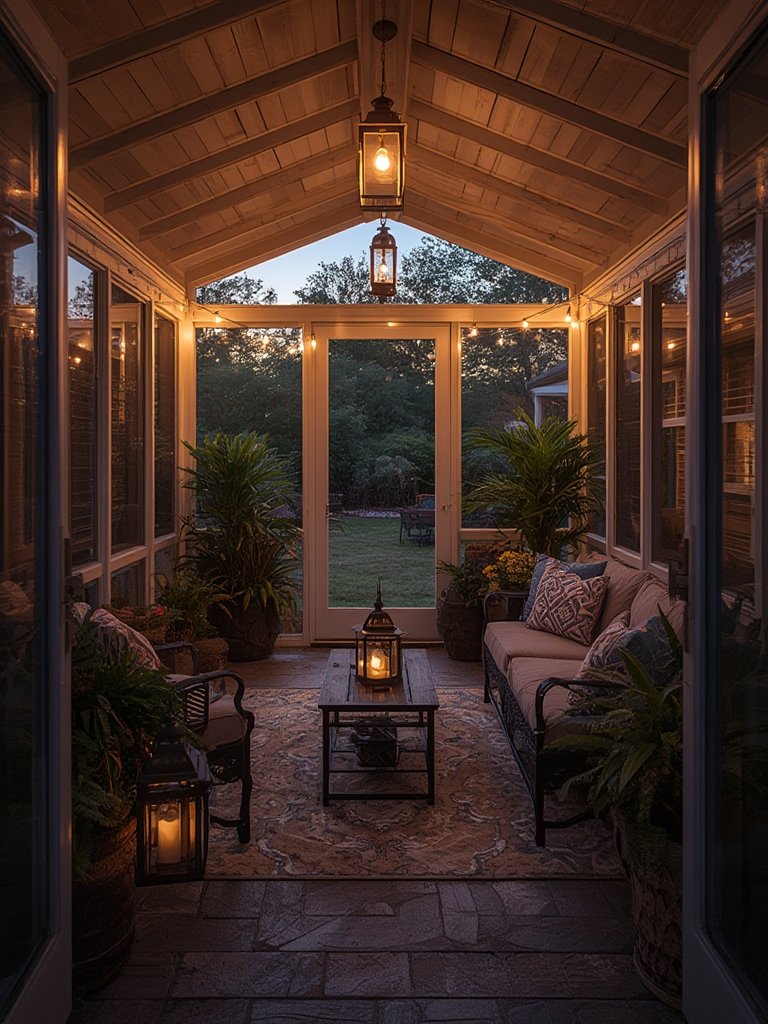
DIYers should avoid overbuilding (local code issues), overfilling with furniture, or choosing fussy materials that can’t handle season changes. For more practical renovation outlines, see our Ultimate Complete Guide to Kitchen and Bathroom Remodel Costs and Planning.
Conclusion
With smart planning, strategic materials, and a dose of creativity, even the smallest porch becomes a hardworking, attractive extension of your home. Remember, the best small screened in porch ideas match your space and needs—not just trends. Always measure carefully, invest in quality screens, and focus on multifunctional layouts for comfort, privacy, and weather protection.
Ready to start your project? Explore more smart remodeling ideas in our Bathroom Remodels That Enhance Style and Function, or visit our Ultimate Guide to Lowe’s and Finding the Right Home Improvement Store Near Me for materials and tools. Transform your porch—and your quality of life—today.
FAQ
What is the best screening material for a small porch?
Aluminum is the most durable for small porches, resisting dents and rust. Fiberglass is a budget-friendly choice but can tear more easily, while vinyl-coated “pet” screens combine strength and flexibility for busy households.
Can I enclose an existing porch on a small budget?
Yes. Using modular DIY screen panels, removable fencing, reclaimed flooring, and basic outdoor curtains, many homeowners convert small porches for under $1,000. Labor savings multiply if you do the work yourself.
How can I make a tiny screened-in porch feel bigger?
Go vertical—use wall shelves, tall planters, hanging seats, and fold-down desks to save floor space. Stick to light colors and keep furniture proportions small for an airy, open feel.
Are there any design regulations for small screened-in porches?
Yes. Always check your city or HOA’s code for setback, ceiling height, fire safety, and egress requirements—even for small, non-permanent additions. Ignoring code can result in fines or forced removal.
What is the average size of new screened-in porches in 2024?
New U.S. homes averaged just above 200 square feet for screened-in porches, but creative ideas exist for optimizing spaces under 100 square feet—even though trends and guides often ignore them[2].