

Table of Contents
Bathroom Remodels: Costs, Planning, Design Ideas, and a Step-by-Step Guide
Bathroom remodels are among the most valuable home improvement projects, improving daily comfort while increasing resale appeal. Whether you are updating an outdated space, improving functionality, or planning a complete renovation, success depends on careful budgeting, smart design choices, and proper execution. This guide covers costs, hiring professionals, space-saving ideas, shower upgrades, and a clear process to help you plan with confidence.
Budgeting and Cost Breakdown
Understanding costs early helps homeowners avoid surprises during bathroom remodels. Pricing varies widely based on room size, scope of work, material quality, and local labor rates. Cosmetic updates such as replacing fixtures or painting cost far less than projects involving plumbing relocation, electrical upgrades, or layout changes.
Key factors that influence total cost include:
- Plumbing or drain relocation
- Electrical upgrades and lighting additions
- Structural changes
- Permit and inspection fees
- Hidden water damage or outdated systems
Typical budget allocation:
- Demolition and preparation: 5–10%
- Structural work: 10–15%
- Plumbing and electrical: 10–20%
- Fixtures: 15–25%
- Finishes (tile, paint, lighting, mirrors): 20–30%
- Labor: 25–40%
- Contingency reserve: 10–20%
Average price ranges:
- Small bathrooms (up to 40 sq. ft.): $8,000–$15,000
- Medium-sized bathrooms: $12,000–$25,000
- Large or primary bathrooms: $20,000–$40,000+
Careful budgeting is one of the most important steps in bathroom remodels, especially in older homes where hidden problems may increase expenses. Well-chosen upgrades such as improved ventilation, modern showers, and durable finishes often recover 60–70% of their cost at resale.
Hiring Local Contractors and Permits
Once your budget is established, choosing the right professionals is critical. Start by researching local contractors, checking licenses and insurance, and reviewing recent project examples. Consistent positive feedback across multiple platforms is more reliable than a single high rating.
When comparing estimates, make sure each quote:
- Is itemized and detailed
- Clearly states what is included and excluded
- Lists timelines and payment schedules
- Explains warranty coverage and change-order policies
Most projects require permits for plumbing, electrical, or structural work. Skipping permits can cause inspection failures, insurance issues, and problems when selling the home. Experienced contractors usually manage permits and inspections to keep the project compliant and moving forward.
Small Bathroom Design and Space Optimization
Limited square footage requires thoughtful planning. Begin with accurate measurements and identify plumbing walls, as moving pipes significantly increases cost. Decide which features matter most, such as storage, shower size, or accessibility.
Effective space-saving strategies include:
- Floating or wall-mounted vanities
- Pocket or sliding doors
- Recessed medicine cabinets and shower niches
- Light-colored finishes and reflective surfaces
- Large-format tile to reduce visual clutter
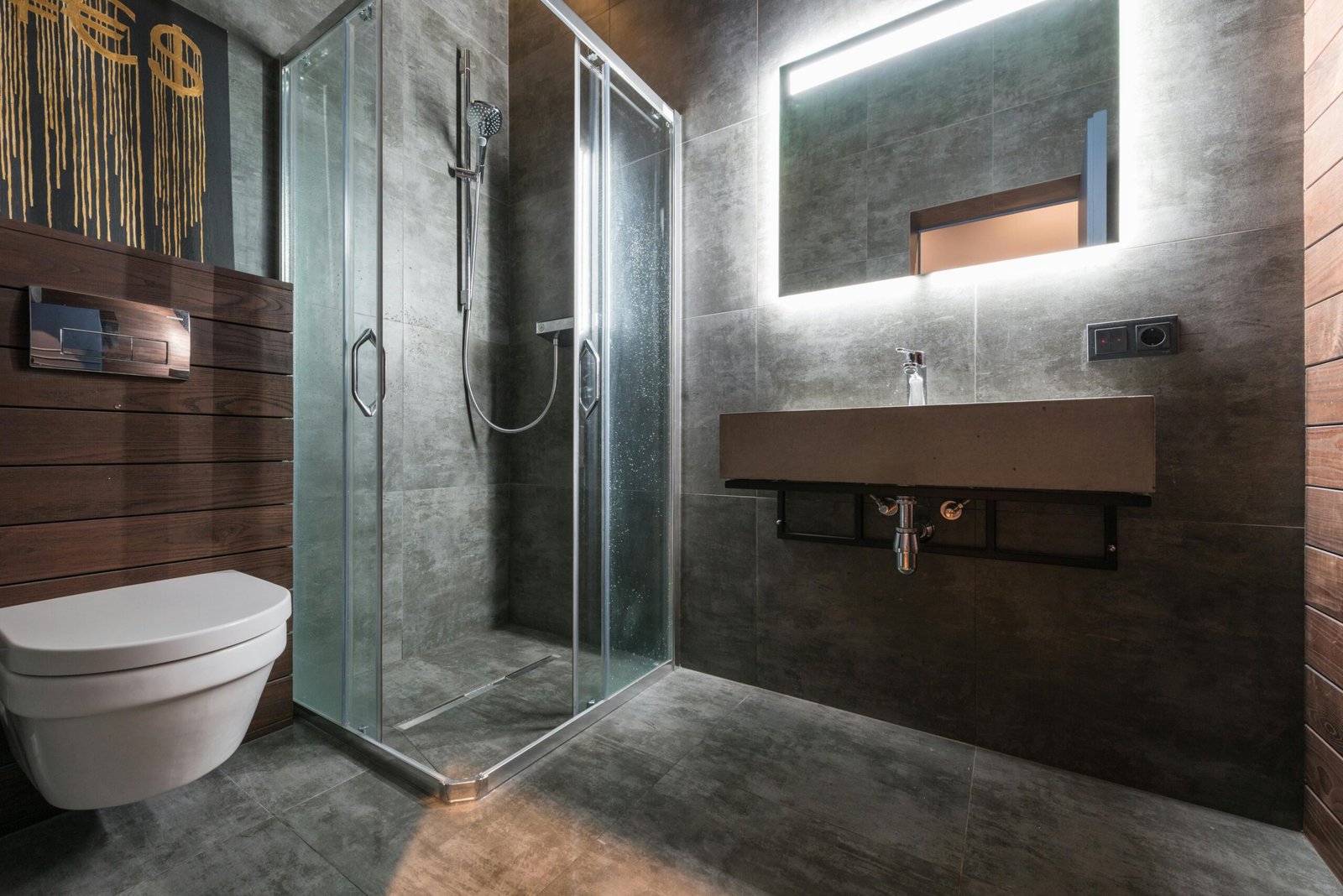
Thoughtful layouts and efficient fixtures play a major role in successful bathroom remodels for compact spaces, helping small rooms feel more open and functional without unnecessary complexity.
Shower Upgrades and Layout Options
Shower improvements often deliver the greatest visual and functional impact. Options range from simple replacements to fully customized installations.
Popular choices include:
- Prefabricated surrounds for affordability and speed
- Tiled showers for customization and long-term value
- Walk-in or curbless designs for accessibility and modern appeal
- Wet rooms or steam units for a luxury experience
Shower upgrades are often the focal point of modern bathroom remodels because they enhance comfort while defining the overall look of the space. Proper waterproofing is essential—cement backer boards, waterproof membranes, and correctly sloped floors prevent leaks, mold, and costly damage.
How to Renovate a Bathroom Step by Step
Following a structured process helps bathroom remodels stay on schedule and within budget.
Pre-construction
- Measure and finalize layout
- Select materials and finishes
- Order fixtures early
- Secure permits
- Sign a detailed contractor agreement
Construction
- Demolition and site protection
- Rough plumbing and electrical work
- Required inspections
- Waterproofing and surface installation
- Fixture and vanity installation
Finishing
- Grouting, caulking, and painting
- Install lighting and accessories
- Final inspection and cleanup
Typical timelines:
- Small updates: 2–3 weeks
- Mid-range renovations: 3–4 weeks
- Full renovations: 5–7 weeks
Delays usually result from inspections, material backorders, or unexpected repairs uncovered during demolition.
Conclusion
Well-executed bathroom remodels rely on realistic budgets, smart layouts, and proper installation. By prioritizing durable materials, quality waterproofing, and skilled workmanship, homeowners can create spaces that are both practical and visually appealing. Use the planning guidance, design strategies, and timelines in this article to complete a renovation that adds long-term value to your home.
For more details on store For more bathroom remodel ideas and inspiration, visit Houzz – a trusted platform with real project photos, professional portfolios, and design tips.