

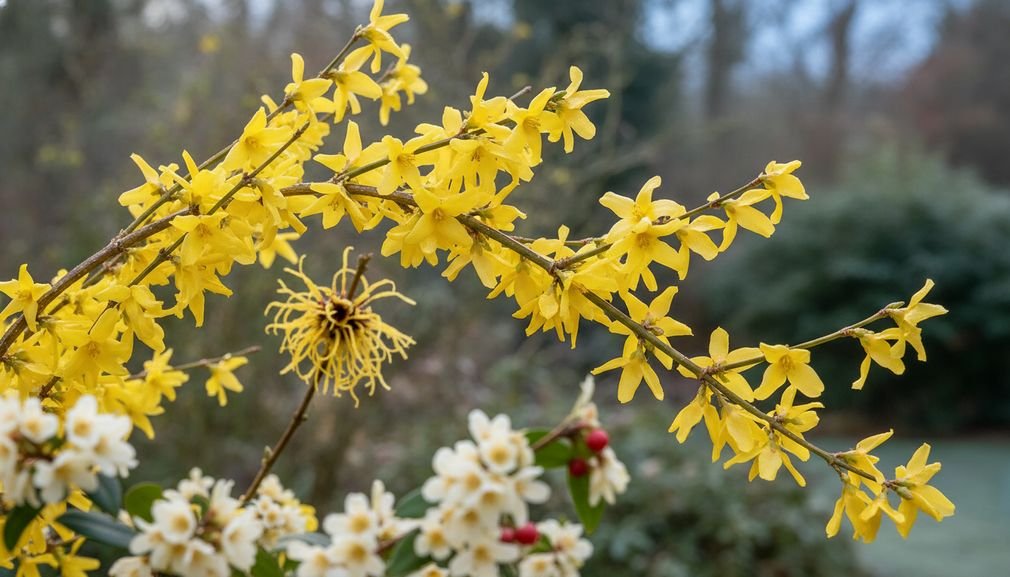
The quest for a vibrant Winter-Flowering Jasmine can transform a bleak, grey garden into a burst of color, but many gardeners are left disappointed when the promised fragrance never arrives. If you’re tired of a dreary landscape and longing for a garden that delights the senses even in the coldest months, you’ve come to the right place. We’ll demystify the world of winter jasmines, provide actionable solutions for the most common challenges, and reveal superior alternatives for a truly scented winter garden.
Key Takeaways
- The common Winter-Flowering Jasmine (Jasminum nudiflorum) offers brilliant yellow flowers but has absolutely no fragrance, a frequent source of confusion for gardeners.
- To prevent its aggressive, invasive spread and encourage dense blooms, you must prune it strategically right after it finishes flowering in early spring, targeting old wood and wayward stems.
- For a genuinely fragrant winter garden in USDA Zones 6-9, consider superior cold-hardy alternatives like Christmas Box (Sarcococca confusa), Winter Honeysuckle (Lonicera fragrantissima), or Witch Hazel (Hamamelis x intermedia).
- Unmasking “Winter Jasmine”: Yellow Blooms vs. Scented Dreams
- Cultivating Jasminum nudiflorum: Taming the Hardy Winter Wonder
- Beyond Borders: Creative Landscape Uses for Winter Jasmine
- Craving True Winter Fragrance? Exceptionally Scented & Cold-Hardy Alternatives
- Your Winter Garden Star: Making the Right Choice
- Frequently Asked Questions
Unmasking “Winter Jasmine”: Yellow Blooms vs. Scented Dreams
The central misunderstanding that trips up many enthusiastic gardeners is the name “jasmine.” We associate it with the intoxicating, sweet perfume of summer nights. However, the plant commonly sold as Winter-Flowering Jasmine, Jasminum nudiflorum, provides a stunning visual display but offers no scent. Research from horticultural resources confirms that “*Jasminum nudiflorum* has no fragrance, belonging to the olive family without scent typical of true jasmines.” The plant you might be thinking of, with its powerful fragrance, is likely Pink Jasmine (Jasminum polyanthum). While heavenly, it is far less cold-hardy and rarely survives the winter outdoors in zones colder than 8. This distinction is the key to planning a successful winter interest landscape: choose J. nudiflorum for its resilient color, not its aroma.
Cultivating Jasminum nudiflorum: Taming the Hardy Winter Wonder
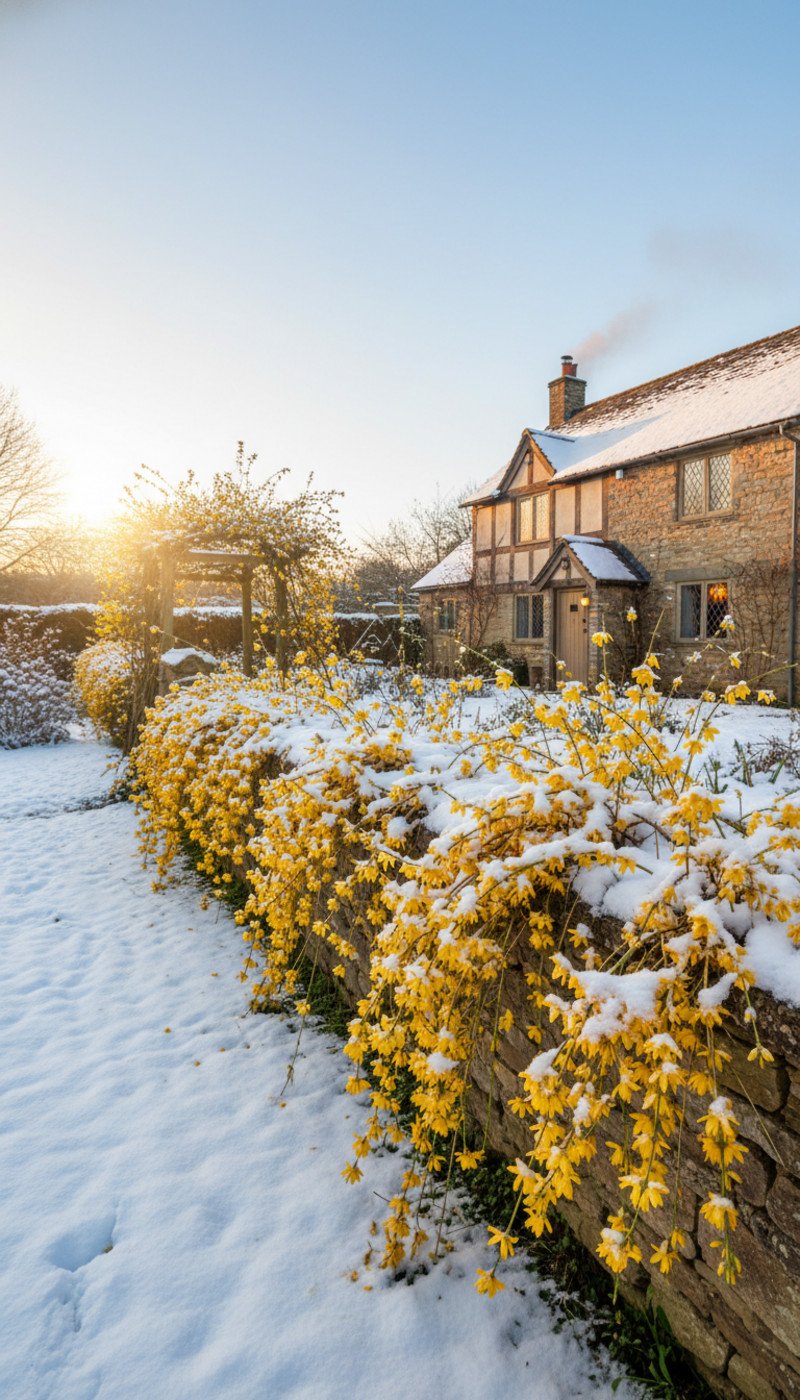
While its blooms are a welcome sight, Jasminum nudiflorum comes with a specific set of challenges. Gardeners often struggle with its vigorous, almost chaotic growth. A common complaint is that it is “aggressively invasive, with stems rooting wherever they touch soil,” leading to an untidy, sprawling mess. It can also produce leggy, sparse growth instead of a dense floral display. Furthermore, while hardy, its flowers are not invincible; prolonged exposure to temperatures “below 10°F (-12°C)” can cause significant flower die-off. Taming this winter wonder requires a targeted approach to pruning, placement, and care.
Smart Pruning and Training for a Fuller Display
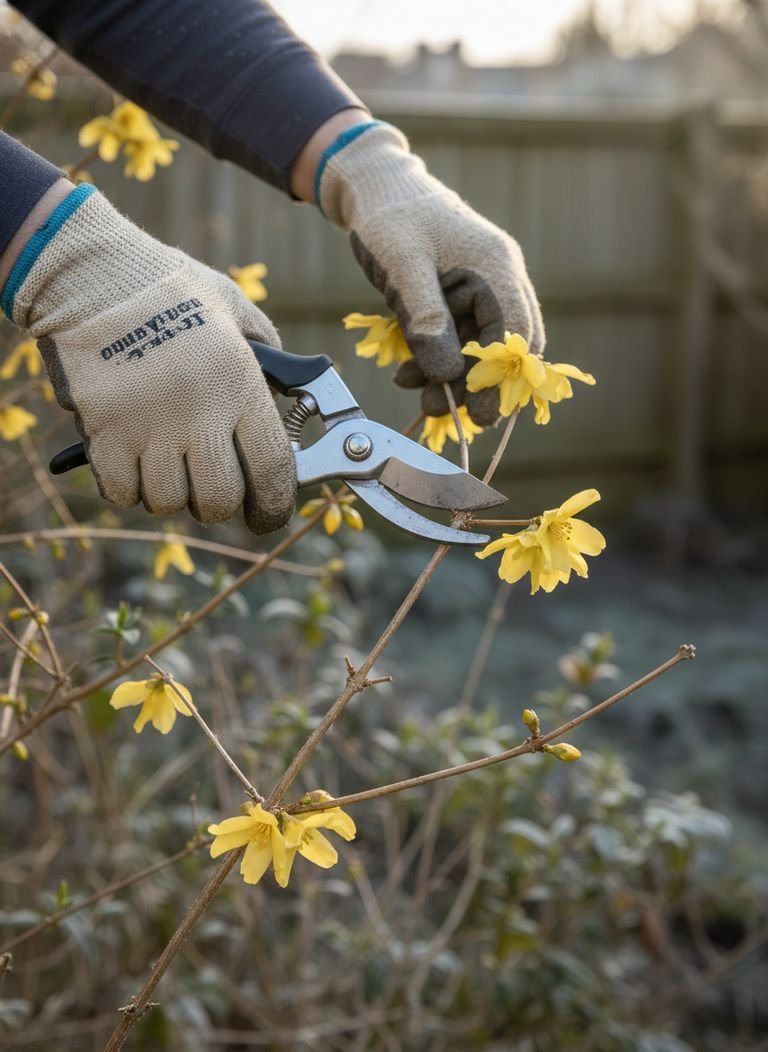
Effective management of this plant goes beyond simple trimming. The single most important rule is to perform your main pruning immediately after it finishes flowering in early spring. This plant blooms on wood grown the previous year, so pruning too late will remove next winter’s flowers. Advanced pruning techniques involve a two-pronged attack. First, cut back all the stems that have just flowered by about two-thirds. This encourages fresh, vigorous shoots that will carry the next season’s blooms. Second, you must control its invasive nature by “cutting hanging shoots to prevent rooting” and removing any unwanted suckers or rooted stems at the base. This dual approach keeps the plant contained, healthy, and maximizes its flowering potential. Training the vine against a trellis or wall can also help manage its growth and create a more structured, vertical display.
Optimal Conditions for Dazzling Yellow Blooms
To get the most out of your December blooming jasmine, you need to provide the right environment. While it is famously tolerant, optimizing its conditions will result in a healthier plant and a more prolific bloom. According to plant care guides, “*Jasminum nudiflorum* thrives in tolerant soils (no strict pH, ideally 6.0-7.5), requiring well-drained with slight moisture.” Poor drainage is its enemy and can lead to yellowing leaves and root rot. For sunlight, it is adaptable but flowers best with more light. Aim for a location that receives “full sun to partial shade (4-6+ hours)” for maximum bloom density. In hotter climates, a spot with morning sun and afternoon shade is ideal to prevent stress on the plant. Proper siting is a crucial first step in any landscaping services and backyard ideas plan.
Beyond Borders: Creative Landscape Uses for Winter Jasmine
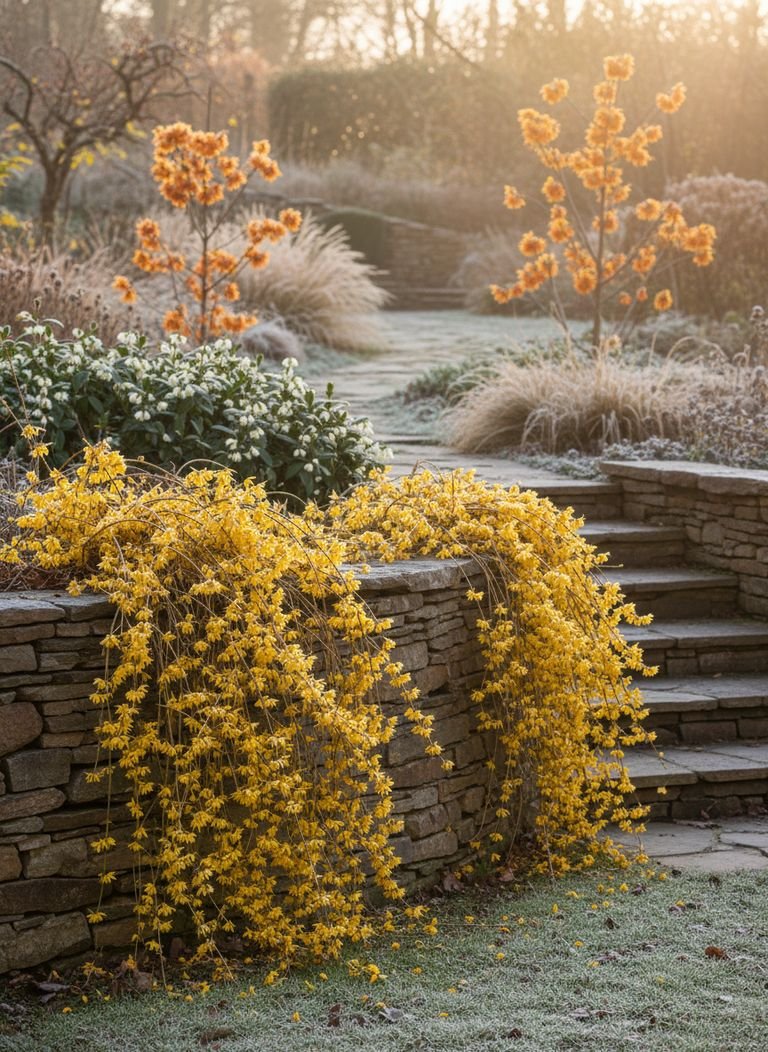
Don’t limit this plant to a simple sprawling shrub. Its unique growth habit opens up several less common landscape applications that solve common garden problems. By “leveraging natural low-spreading/mounding habit (max 3′ high, indefinite width),” you can use it for highly effective erosion control on slopes and banks. Its ability to root wherever stems touch the ground, a trait often seen as a negative, becomes a major asset in stabilizing soil. Another excellent use is allowing it to cascade over retaining walls or the edges of raised beds. This softens hard lines in your outdoor lounge area and provides a spectacular waterfall of yellow flowers in the dead of winter. It works as a tough, scrambling groundcover that adds four season interest to challenging parts of the yard.
Craving True Winter Fragrance? Exceptionally Scented & Cold-Hardy Alternatives
If your primary goal is to fill your winter garden with perfume, it’s time to look beyond Jasminum nudiflorum. Fortunately, several robust, fragrant cold-hardy shrubs are excellent performers in Zones 6-9, providing the sensory experience that winter jasmine lacks. These scented winter garden plants are often overlooked but are far superior choices for gardeners chasing fragrance.
Christmas Box (Sarcococca confusa): Evergreen Shade Scent
Christmas Box is a powerhouse of winter fragrance packed into a modest evergreen shrub. It produces tiny, unassuming white flowers from December to February, but their scent is anything but small. The “exceptionally fragrant white flowers (sweet, spicy notes)” can perfume an entire section of your garden. It is an ideal choice for shady corners where other plants might struggle, and its glossy, dark green leaves provide year-round structure. As a deer-resistant and low-maintenance shrub, it is a perfect problem solver for a difficult spot, such as near a small screened-in porch where its scent can be enjoyed up close.
Winter Honeysuckle (Lonicera fragrantissima): Honey-Citrus Charm
For a delightful and surprising scent, look no further than Winter Honeysuckle. This large, semi-evergreen shrub produces “creamy fragrant blooms (sweet honey-citrus)” from late winter into early spring (January-March). The fragrance is clean and refreshing, and it’s a magnet for early-season pollinators, adding life to the garden when little else is active. It can be maintained as a large shrub or trained against a wall. Its tough, adaptable nature makes it a reliable choice for gardeners who want high reward for minimal effort. This plant can be a key component in a fire-smart landscaping plan due to its deciduous nature and hardiness.
Witch Hazel (Hamamelis x intermedia varieties): Spicy-Citrus Spectacle
Witch Hazel offers a complete package: unique visual appeal, captivating fragrance, and multi-season interest. From December through March, its bare branches are covered in “spidery orange/red fragrant flowers (spicy-citrus)” that are impervious to snow and ice. The scent is complex and invigorating, a perfect antidote to winter gloom. On top of its winter show, most varieties offer a spectacular fall color bonus, with leaves turning brilliant shades of yellow, orange, and red. It’s a standout specimen plant that serves as a focal point in any garden design.
Your Winter Garden Star: Making the Right Choice
Choosing the right plant for your winter garden comes down to prioritizing your goals. Do you need a tough, reliable splash of brilliant yellow to cover a bank or cascade down a wall? Jasminum nudiflorum is an unbeatable choice. It “blooms mid-winter to early spring (e.g., December-February in Zones 6-9), earlier than forsythia,” providing color when you need it most. However, if your heart is set on a garden filled with sweet perfume, you must look to the alternatives. For deep, rich fragrance in the shade, choose Christmas Box. For a bright, citrusy scent that attracts pollinators, Winter Honeysuckle is your plant. And for a unique combination of spicy fragrance, strange flowers, and fall color, Witch Hazel is the star. Understanding the trade-offs between visual impact and true fragrance is the first step in creating a winter garden that truly defeats the grey-sky blues. Proper planning ensures that the choice you make will enhance both your landscape and your home’s value, much like thoughtful kitchen and bathroom remodel planning does for your interior.
By making an informed decision, you can cultivate a stunning winter interest landscape that delivers exactly what you’re looking for, whether it’s the resilient color of a scentless Winter-Flowering Jasmine or the rich aroma of its fragrant competitors. Start planning today to transform your drab winter yard into a delightful sensory retreat.
Frequently Asked Questions
Is Winter-Flowering Jasmine invasive?
Yes, Jasminum nudiflorum can be very invasive. Its long, arching stems will root wherever they touch the ground, allowing the plant to spread aggressively and form a thick, tangled mat. Consistent pruning right after it flowers in early spring is essential to keep it under control.
Does Winter-Flowering Jasmine have a smell?
No, the common Winter-Flowering Jasmine (Jasminum nudiflorum) is not fragrant. Despite its name, it belongs to a part of the olive family that does not produce the characteristic sweet scent associated with other jasmines like Jasminum polyanthum.
When should I prune my Winter-Flowering Jasmine?
The best and only time to do a hard prune on Winter-Flowering Jasmine is immediately after it has finished blooming in the early spring. It flowers on the previous year’s growth, so pruning at any other time, especially in summer or fall, will remove the wood that produces winter flowers.
What are the best fragrant plants for a winter garden in Zone 7?
For USDA Zone 7, excellent cold-hardy and fragrant choices include Christmas Box (Sarcococca confusa) for its powerful sweet scent in shady areas, Winter Honeysuckle (Lonicera fragrantissima) for its honey-citrus aroma, and various Witch Hazel (Hamamelis) cultivars for their unique spicy fragrance and striking flowers.
Can Winter-Flowering Jasmine grow in the shade?
Jasminum nudiflorum can tolerate partial shade, but it will produce the most abundant flowers in a location that receives at least 4 to 6 hours of direct sunlight per day. In heavy shade, it will grow but may become leggy with very few blooms.