

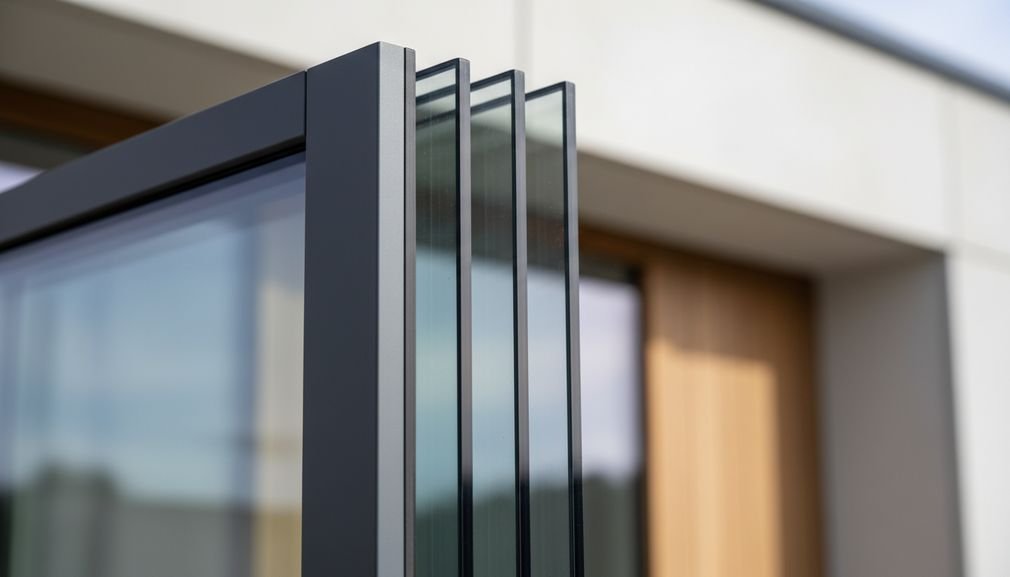
Investing in Triple Glazing U-Value 0.8 is one of the most effective financial decisions you can make for your property today. With energy prices projected to climb, securing your home’s thermal envelope is no longer a luxury but a strategic necessity. This guide breaks down exactly why this specification is the gold standard for forward-thinking homeowners, offering a clear path to significant long-term savings, enhanced comfort, and a quieter, more resilient living environment.
Key Takeaways
- Proactive Energy Defense: A U-Value of 0.8 represents an elite standard of thermal insulation, positioning your property to withstand future energy price hikes by dramatically reducing heat loss.
- Tangible Financial Returns: While the initial cost is higher than double glazing, triple glazing can reduce heat loss by up to 35%, leading to annual savings of £150–£300 for a typical home and cutting heating energy consumption by 40% in colder regions.
- Installation is Paramount: The performance of a U-Value 0.8 window is entirely dependent on expert installation. Poor fitting can negate the benefits, leading to thermal bridges, heat loss, and condensation issues.
Table of Contents
- Combatting 2026 Energy Spikes: Why U-Value 0.8 Triple Glazing is Your Best Defense
- The Monetary & Comfort Payoff: Significant Savings with Ultra-High Efficiency Windows
- Understanding U-Value 0.8: What Makes It the Gold Standard?
- Beyond Warmth: The Unrivaled Soundproofing Benefits of Triple Glazing
- Installation is King: Ensuring Peak Performance for Your U-Value 0.8 Windows
- Retrofitting for the Future: U-Value 0.8 for Passive House and High-Performance Projects
- Longevity & Comfort: How U-Value 0.8 Prevents Condensation and Lasts Decades
- The Investment Snapshot: Costs and Payback for U-Value 0.8 Triple Glazing
- Is U-Value 0.8 Triple Glazing the Right Choice for You?
- Frequently Asked Questions
Combatting 2026 Energy Spikes: Why U-Value 0.8 Triple Glazing is Your Best Defense
As energy markets remain volatile, the smartest move for property owners is to reduce demand at the source. Standard windows, even modern double-glazed units, are often the weakest link in a building’s insulation. They are thermal holes that constantly leak expensive heated or cooled air. A Triple Glazing U-Value 0.8 upgrade directly confronts this vulnerability. By installing these ultra-high efficiency windows, you are building a robust defense against unpredictable utility bills, effectively future-proofing your home’s running costs.
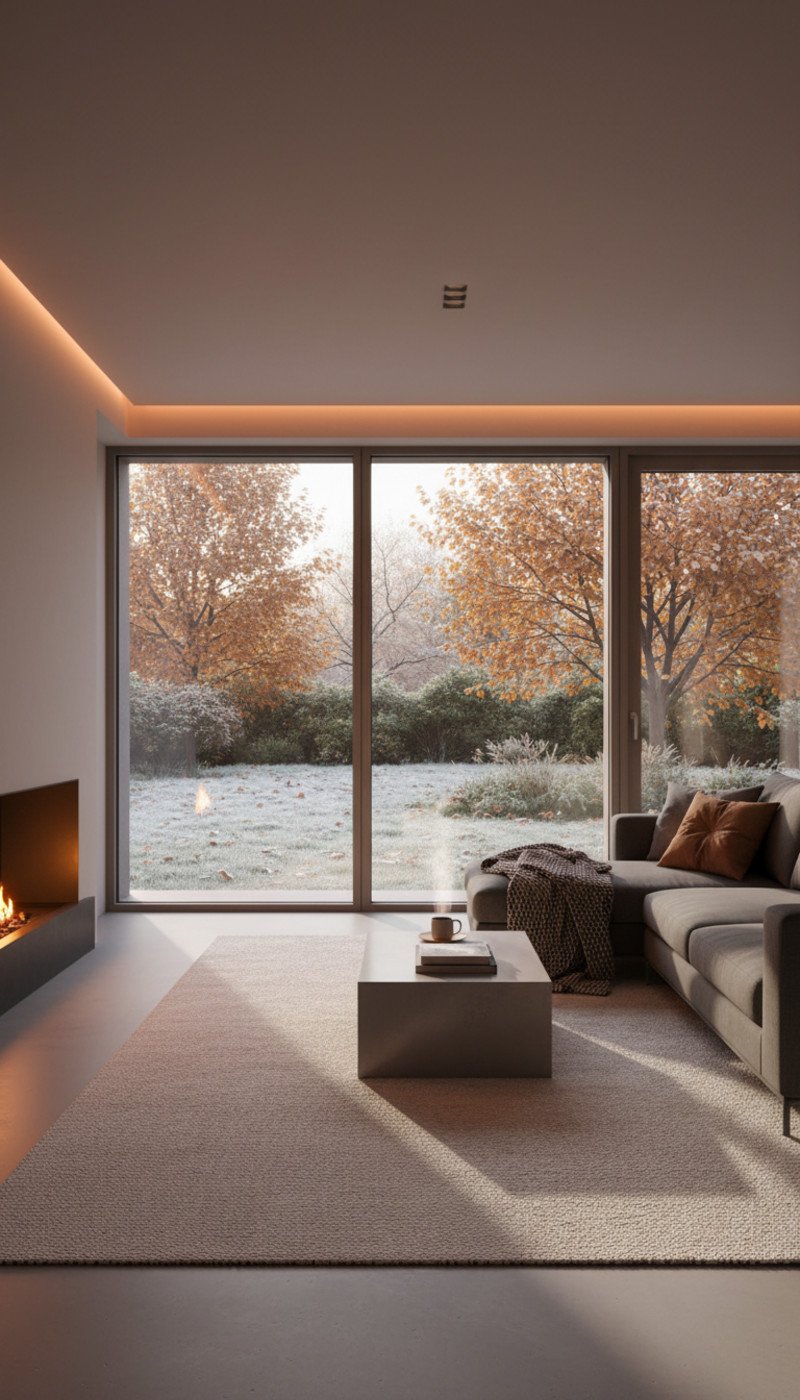
The performance leap is significant. Research shows that high-performance triple glazing can reduce heat loss by up to 35% compared to standard double glazing. When replacing older units, the gains are even more dramatic. This isn’t just a minor improvement; it’s a fundamental change to your home’s energy profile, turning a major point of heat loss into a powerful barrier that retains warmth in the winter and keeps out excess heat in the summer. Consider it a permanent reduction in your property’s energy appetite.
The Monetary & Comfort Payoff: Significant Savings with Ultra-High Efficiency Windows
The primary driver for any major home improvement is return on investment, and a thermal window upgrade delivers on multiple fronts. The most immediate return is in your energy bills. For an average mid-sized home, upgrading from older, inefficient windows to high-performance triple glazing can yield annual fuel savings between £150–£300. In colder climates or for properties more exposed to the elements, the impact is even greater, with the potential to cut heating energy consumption by 40%.
But the payoff isn’t just financial. It’s about comfort. U-Value 0.8 windows eliminate cold spots and drafts near windows, creating a more stable and pleasant indoor temperature year-round. Rooms that were previously chilly and unwelcoming in winter become usable, comfortable spaces. This enhancement to your living environment is a tangible benefit you experience every day. A home that is consistently comfortable is a core part of any home renovation plan aimed at improving quality of life.
Understanding U-Value 0.8: What Makes It the Gold Standard?
The term “U-value” measures how effectively a material insulates. It calculates the rate of heat transfer through a structure (like a window). The lower the U-value, the better the material is at preventing heat from escaping. A window with a Triple Glazing U-Value 0.8 specification is, therefore, exceptionally good at its job.
To put this in perspective:
- Single Glazing: U-value of ~5.0 W/m²K (very poor insulation).
- Old Double Glazing (20+ years): U-value of ~2.8 W/m²K (inefficient by modern standards).
- Modern Building-Regs Double Glazing: U-value of ~1.4 W/m²K (a decent baseline).
- High-Performance Triple Glazing: U-value of 0.8 W/m²K or less (the elite standard).
This superior performance is achieved through a combination of three key technologies:
- Three Panes of Glass: The extra pane creates two separate air gaps, significantly slowing down heat transfer.
- Inert Gas Fills: The gaps between the panes are filled with a dense, inert gas like Argon or Krypton, which is a much poorer conductor of heat than regular air.
- Low-Emissivity (Low-E) Coatings: An invisible metallic coating is applied to the glass surfaces within the gaps. This coating reflects thermal energy back into the room, preventing it from escaping outside.
While the overall window unit (including the frame) might achieve a U-value of 0.8 W/m²K, the centre-pane value can be as low as 0.65 W/m²K, demonstrating the sheer insulating power of the glass unit itself.
Beyond Warmth: The Unrivaled Soundproofing Benefits of Triple Glazing
While thermal performance is the main draw, one of the most appreciated secondary benefits of triple glazing is superior acoustic insulation. For homeowners living near busy roads, train lines, or in dense urban areas, the peace and quiet offered by soundproof triple glazing can be transformative. The additional pane of glass and the two insulating gaps disrupt sound waves far more effectively than double glazing.
This creates a tranquil indoor sanctuary, shielded from outside noise. The effect is particularly noticeable in bedrooms and home offices, where a quiet environment is essential for rest and productivity. While triple glazing is noted as being more efficient in providing both thermal and acoustic insulation, it’s important to note that specific decibel (dB) reduction ratings can vary based on the thickness of the glass panes and the width of the gaps. For those serious about noise reduction, pairing these windows with other solutions like acoustic slatted panelling can create an incredibly quiet space.
Installation is King: Ensuring Peak Performance for Your U-Value 0.8 Windows
You can invest in the most advanced, highest-specification window on the market, but its real-world performance hinges entirely on the quality of the installation. This cannot be overstated. A statement that “a triple or double-glazed window is only as good as its installation” is an absolute truth in the industry. A poor fit can completely undermine the window’s U-value.
Common installation failures that destroy performance include:
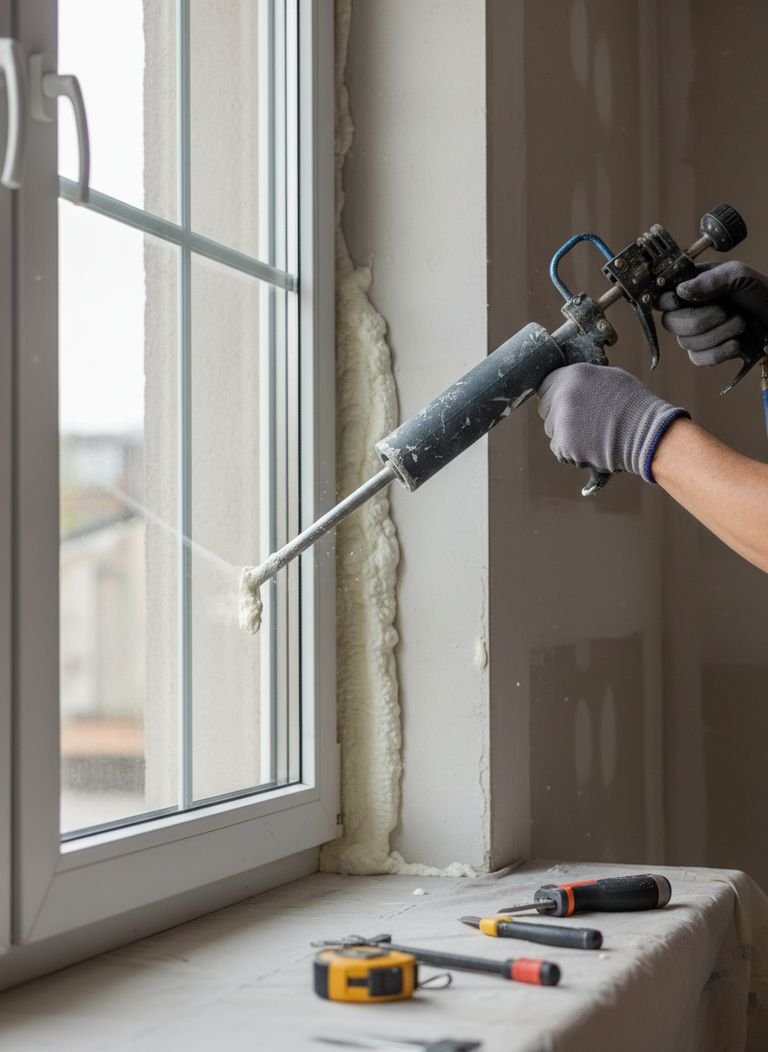
- Air Gaps: Small gaps left between the window frame and the wall create drafts and allow significant heat loss.
- Thermal Bridges: Using conductive materials that connect the cold exterior to the warm interior around the frame can create cold spots and negate the window’s insulating properties.
- Improper Sealing: Poor sealing leads to air leakage and can allow moisture to penetrate, potentially causing condensation along the frames and damaging the surrounding wall structure.
Vetting your installer is as important as choosing the window itself. Look for certified, experienced professionals with specific expertise in high-performance and Passive House installations.
Retrofitting for the Future: U-Value 0.8 for Passive House and High-Performance Projects
For those undertaking ambitious renovations, aiming for Passive House standards, or building an Accessory Dwelling Unit (ADU) with maximum efficiency, U-Value 0.8 windows are a non-negotiable component. A Passive house window retrofit requires meticulous planning to ensure the building envelope is airtight and thermally robust. These windows are a cornerstone of that strategy.
The key consideration in a retrofit is ensuring the window is integrated flawlessly into the building’s insulation and air-tightness layers. This often requires more detailed work than a simple replacement, including the use of specialized tapes and membranes to seal the frame to the wall’s vapour barrier. The goal is to create a continuous, unbroken thermal shield. The weight of triple-glazed units is also a factor; existing frames or structural openings may need reinforcement to support the heavier windows safely. This is a crucial part of any high-performance triple glazing retrofit project.
Longevity & Comfort: How U-Value 0.8 Prevents Condensation and Lasts Decades
One of the most persistent issues with old, inefficient windows is condensation. When warm, moist indoor air comes into contact with a cold glass surface, water droplets form. This can lead to mould growth, damaged window sills, and an unhealthy indoor environment. The superior insulation of U-Value 0.8 windows largely eliminates this problem.
Because the interior pane of glass stays close to room temperature, it never gets cold enough for condensation to form. Even in snowy conditions, the interior surface of a window with a centre-pane U-value of 0.65 W/m²K remains at approximately 18°C. This means no dampness, no mould, and no wiping down windows on cold mornings. It’s a key benefit for creating a healthy home, especially in spaces like bathrooms where moisture levels are high, tying into principles of an energy-efficient bathroom design.

The Investment Snapshot: Costs and Payback for U-Value 0.8 Triple Glazing
There’s no hiding that high-performance triple glazing is a significant investment. Typically, you can expect the cost to be around 15-25% higher than that of quality double glazing. However, it’s crucial to view this not as an expense, but as a capital investment in your property’s performance and value.
The payback period depends on several factors: the inefficiency of your old windows, local energy prices, and climate. While the upfront cost is higher, the cumulative energy savings, increased property value, and unparalleled comfort create a compelling long-term value proposition. For property owners planning for the long haul, especially those considering an aging-in-place remodel where long-term running costs and comfort are paramount, the initial premium for U-Value 0.8 is a sound financial strategy.
Is U-Value 0.8 Triple Glazing the Right Choice for You?
For homeowners and property managers focused on long-term value, resilience against rising energy costs, and superior living comfort, the answer is a resounding yes. It’s a proactive upgrade that pays dividends for decades through lower utility bills, a healthier indoor environment, and a quieter, more peaceful home. The key to success lies in choosing a quality product and, most importantly, entrusting its installation to a certified expert who understands high-performance building standards. By making a strategic investment in Triple Glazing U-Value 0.8, you are not just buying new windows; you are securing your property’s future.
Ready to take the next step? We recommend getting at least three detailed quotes from reputable installers specializing in high-efficiency windows to begin your project.
Frequently Asked Questions
What exactly is a U-value in windows?
A U-value measures the rate of heat transfer through a window. It indicates how well the window insulates. The lower the U-value, the less heat escapes, meaning the window is a better insulator. A U-value of 0.8 W/m²K is considered an elite standard for residential properties.
Is triple glazing with a U-value of 0.8 worth the extra cost over double glazing?
For many, yes. While the upfront cost is roughly 15-25% higher, the long-term benefits include significant annual energy savings (£150-£300 on average), superior soundproofing, elimination of cold drafts, and prevention of condensation. It is a future-proof investment, especially with energy costs expected to rise.
Will U-value 0.8 triple glazing eliminate all condensation?
It will eliminate condensation on the interior glass pane under almost all normal conditions. Because the inner pane stays warm, moist air does not condense on it. However, you might occasionally see external condensation on very cold, clear mornings, which is actually a sign the window is working perfectly and not allowing heat to escape and warm the outer pane.
How much quieter is my home likely to be with soundproof triple glazing?
Triple glazing offers a noticeable reduction in outside noise, especially for low-frequency sounds like traffic. The extra pane of glass and additional air gap disrupt sound waves more effectively than double glazing. While specific decibel (dB) reduction varies by product, users consistently report a significantly quieter and more peaceful indoor environment.
Can I install U-value 0.8 windows in an older home?
Absolutely. A triple glazing retrofit is a very common and effective upgrade for older properties. However, it’s crucial to use an experienced installer. They will need to assess the existing window openings to ensure they can support the additional weight of the triple-glazed units and properly integrate the new frames into the building’s structure to ensure an airtight seal.