
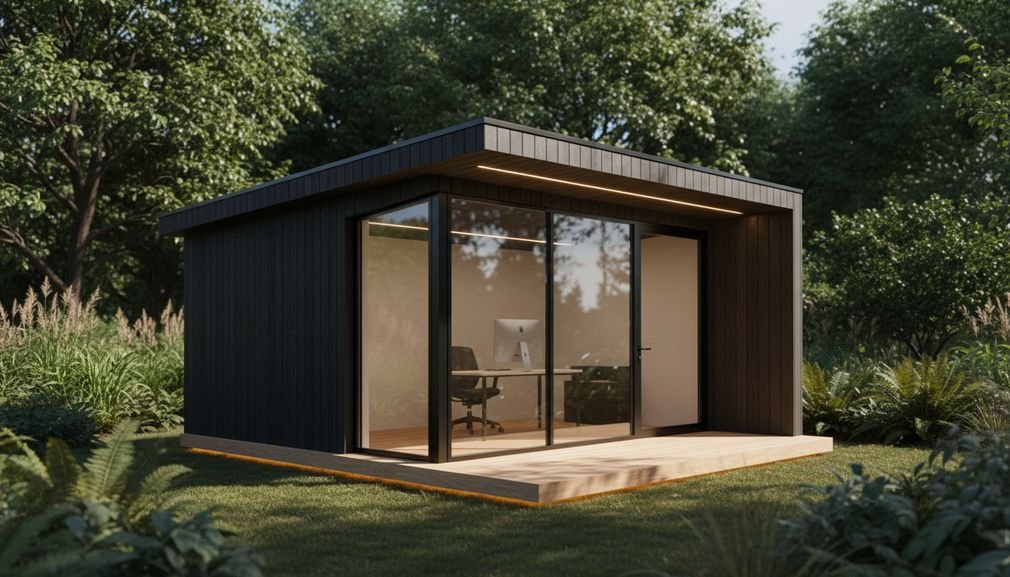
A modular backyard office is the ultimate productivity upgrade for remote professionals, but the journey from online brochure to a fully functional workspace is filled with hidden costs and unrealistic timelines. This guide cuts through the marketing fluff to give you a transparent look at the total investment required, helping you plan your project with confidence and avoid costly surprises.
Key Takeaways
- True Turn-Key Costs: The advertised price is just the start. A complete 100-200 sq ft office setup typically costs between $15,000 and $40,000+, once foundation, delivery, utilities, and permits are factored in.
- Due Diligence is Non-Negotiable: Before placing an order, you must investigate local zoning regulations, secure potential permits, and get approval from your HOA. This preliminary step prevents major delays and legal headaches.
- Timelines Are Often Understated: While the structure itself may go up in days, lead times, site prep, and contractor schedules can extend the total project time to several months. Be prepared for potential installation delays.
On This Page:
- Why a Modular Backyard Office is Your Next Smart Move
- Decoding the True Cost of Your Modular Backyard Office
- Navigating Zoning, Permits, and HOAs
- Realistic Timelines and Managing Installation Delays
- Essential Features of an Insulated Office
- What to Consider Before Buying Your Home Office Pod
- Frequently Asked Questions
Escape the Home Office: Why a Modular Backyard Office is Your Next Smart Move
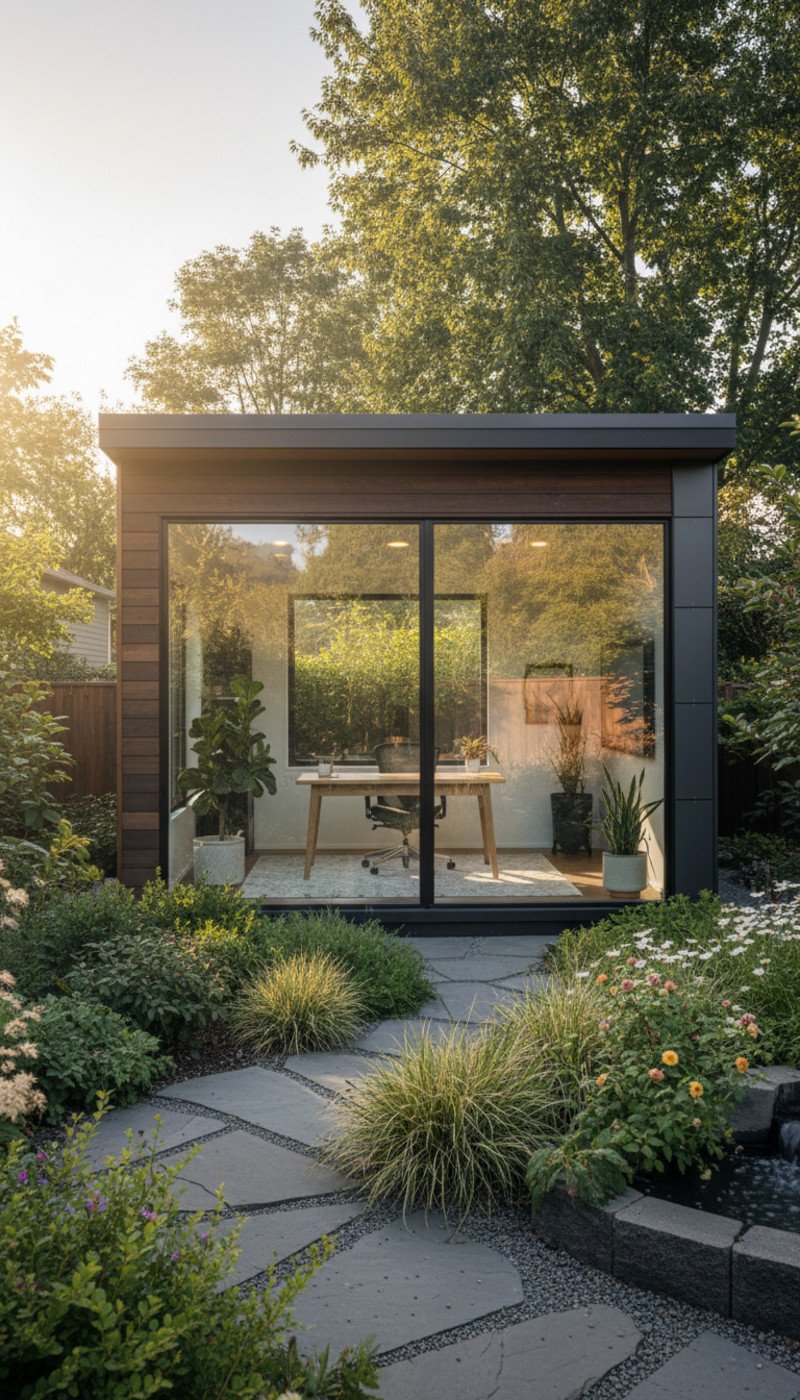
For remote professionals, the line between work and home has become increasingly blurred. The dining room table, a spare bedroom, or a corner of the basement often serves as a makeshift office, leading to distractions, reduced focus, and a feeling of being perpetually “at work.” A modular backyard office, also known as a home office pod, offers a powerful solution by creating a physical separation between your professional and personal life. This dedicated space is engineered for productivity, providing a quiet, controlled environment that a traditional home office rarely achieves. By commuting just a few steps across your yard, you reclaim your home as a sanctuary and establish a clear mental boundary that enhances both focus during work hours and relaxation after them.
Decoding the True Cost of Your Modular Backyard Office: Beyond the Sticker Price
The most significant pitfall for buyers is underestimating the total investment. The attractive price you see online is almost always for the “shell” or the basic kit. To get to a fully functional, turn-key workspace, you must account for several other critical expenses. Understanding these components is the key to creating a realistic budget.
According to market data, the comprehensive turn-key costs for 100-200 sq ft insulated modular backyard offices range from $15,000 to $40,000+. This figure provides a realistic baseline for your planning. Let’s break down where that money goes:
The Shell or Prefab Kit ($13,000 – $23,000+)
This is the core structure. Prices vary based on size, materials, and features like windows and doors. A basic 160 sq ft wood-framed prefab might cost around $15,500 for the installed and insulated shell, but this price point often excludes finishing touches and utilities. This is a significant investment, comparable to some major renovations, and requires careful kitchen and bathroom remodel planning in terms of budgeting and contractor management.
Foundation ($3,000 – $5,000)
Your office needs a stable base. Options range from simple concrete blocks to a more permanent poured concrete slab. A concrete slab, which is often recommended for longevity and stability, can cost $5-$10 per square foot. For a 100 sq ft modern studio, that’s $500 to $1,000, but larger or more complex foundations will increase the cost substantially.
Delivery and Installation ($1,000 – $3,000+)
This fee covers getting the unit to your property and, in some cases, the labor to assemble it. Crane rental may be an additional charge if your backyard has limited access. These logistics are a crucial part of your overall landscaping services and backyard ideas plan.
Utilities ($2,500 – $7,000+)
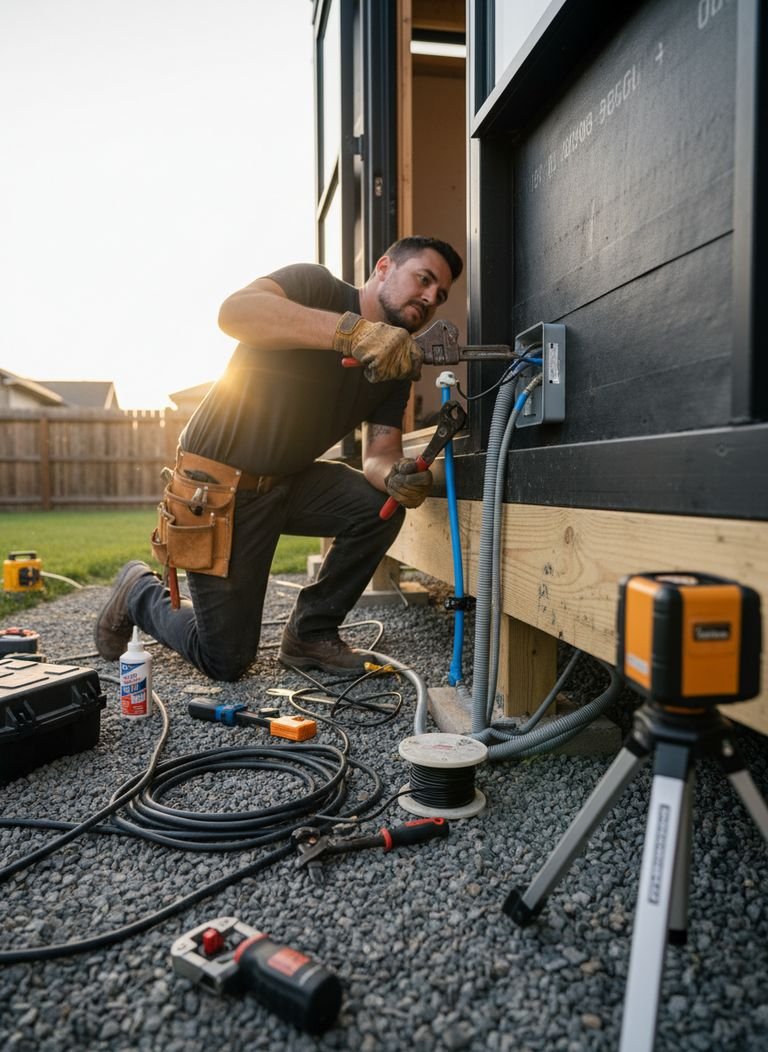
This category is frequently underestimated. It includes hiring an electrician to run power from your main house to the unit, which often involves trenching. It also covers the installation of a climate control system. A mini-split HVAC unit, essential for year-round comfort, typically costs between $1,500 and $4,000 installed, as reported by home design experts.
Navigating the Red Tape: Zoning, Permits, and HOAs for Your Prefab Garden Studio
Before you fall in love with a specific prefab garden studio, your first calls should be to your local planning department and your Homeowners Association (HOA). Ignoring this step can lead to project-killing roadblocks. While comprehensive data on these challenges is scarce, the process is a universal hurdle for buyers.
Most municipalities have regulations about “accessory structures.” Rules often dictate the maximum size (e.g., 120 sq ft) you can build without a permit, how far the structure must be from property lines (setbacks), and whether you can run permanent utilities to it. Adding electricity or plumbing almost always triggers the need for a permit, which can cost anywhere from $100 to $500 according to industry data from shed builders like Wright’s Sheds. Getting this sorted is as crucial as planning for a garage apartment conversion. Your HOA will have its own set of rules regarding exterior finishes, colors, and placement. Gaining their written approval beforehand is essential to avoid fines or forced removal.
From Order to Operation: Realistic Timelines and Managing Installation Delays
Vendors often advertise incredibly fast installation times, with some prefab kits being assembled in just one to three days. While the physical build is quick, the overall timeline from placing your order to your first day of work is much longer and more variable. It is crucial to set realistic expectations to avoid frustration.
The total project timeline can be broken down into several phases:
- Lead Time: This is the time from your order to when the materials or unit are ready for delivery. It can range from a few weeks for standard kits to many months for custom builds or popular models.
- Site Preparation: This includes clearing the area, grading the land, and pouring the foundation. Depending on contractor availability and weather, this can take one to three weeks.
- Installation: As mentioned, this is the quickest part, often just a few days.
- Finishing and Utilities: Connecting electricity, installing the HVAC, and finishing the interior (paint, flooring) can take another one to two weeks.
While a smooth project might take 6-8 weeks, delays are common. Factors that extend timelines include complex site prep, ordering custom features, and contractor scheduling conflicts. Shockingly, some buyers report extreme issues; reviewers of one company, Kanga Room Systems, noted delays approaching nearly a year. Always ask potential suppliers for their current, realistic lead times and build a buffer into your project schedule.
Building for Comfort and Focus: Essential Features of an Insulated Outdoor Shed Office
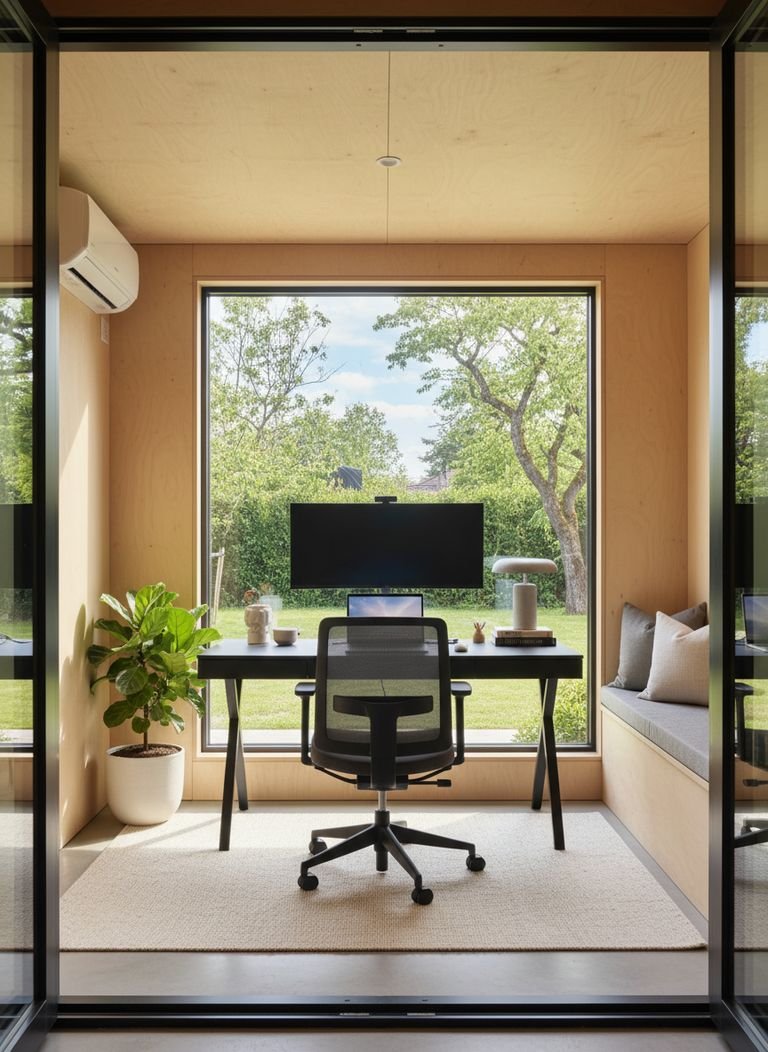
An office is only useful if you can comfortably work in it year-round. This makes insulation, climate control, and sound isolation critical features, not optional upgrades. An uninsulated shed will be an oven in the summer and an icebox in the winter, rendering it useless for professional work.
When evaluating an insulated outdoor shed office, ask the supplier about the insulation used in the walls, floor, and ceiling. While they may not provide specific R-values (a measure of thermal resistance), they should be able to tell you the type (e.g., spray foam, rigid foam board, fiberglass batts) and thickness. Also, ensure the windows are double-paned to improve climate control efficiency. For sound isolation, look for designs that use thicker wall assemblies and solid-core doors. These features help block out noise from lawnmowers, children playing, or nearby traffic, ensuring a focused work environment. Remember that a significant portion of your comfort investment will be the mini-split HVAC unit, which adds another $1,500 to $4,000 to the total cost but is essential for maintaining a productive temperature.
Beyond the Build: What to Consider Before Buying Your Home Office Pod
Making an informed decision on a home office pod goes beyond a single price tag or a slick design. It requires a holistic view of the project, from logistical planning to long-term satisfaction. To ensure you avoid unforeseen costs and choose a supplier who will meet your expectations, use this buying guide checklist to ask the right questions.
Critical Questions for Your Supplier:
- What is the total, all-inclusive cost estimate, including delivery?
- What specific tasks are *my* responsibility? (e.g., foundation, permits, electrical trenching)
- What are your current, realistic lead times from order to delivery?
- What type of foundation do you require or recommend for this model?
- Can you provide specifications on the insulation, windows, and roofing materials?
- What is the warranty on the structure and its components?
- Can you provide references from 3 recent customers in my area?
By arming yourself with a clear understanding of the full scope of costs, regulations, and timelines, you can confidently invest in a modular backyard office that will serve as a hub of productivity for years to come. This strategic addition to your property not only enhances your work-life balance but also adds a versatile space that can adapt to your future needs. Ready to plan your perfect workspace? Start by researching local contractors and getting your finances in order.
Frequently Asked Questions
What is the real turn-key cost for a modular backyard office?
The true turn-key cost for a 100-200 sq ft insulated modular backyard office typically ranges from $15,000 to over $40,000. This includes the base unit or kit ($13,000+), foundation ($3,000-$5,000), delivery and electrical hookup ($1,000-$3,000), and essential utilities like HVAC ($1,500-$4,000).
Do I need a permit for a prefab garden studio?
It depends entirely on your local municipality. Many areas allow small accessory structures (often under 100 or 120 sq ft) without a permit, but rules for structures with electricity and plumbing are stricter. Always verify with your local planning department and HOA before purchasing. Permit costs alone can range from $100 to $500.
How long does it take to install a home office pod?
The physical installation of a prefab kit can be surprisingly fast, often taking just 1-3 days. However, the total timeline from order to operation is much longer. Factoring in lead times, site preparation, foundation work, and potential vendor delays, the entire process can take anywhere from a few weeks to several months. Some buyers have reported delays of nearly a year with certain suppliers.
Is a modular backyard office a good investment?
A modular backyard office can be an excellent investment for professionals seeking improved productivity and work-life balance. It creates a dedicated, distraction-free workspace and can add functional square footage to your property, which may positively impact home value. For more insights on adding value through structures, see our guide on the Accessory Dwelling Unit (ADU).
What are the most common unforeseen costs?
The most common unforeseen costs are related to site preparation and utilities. Buyers often underestimate the expense of a proper foundation (e.g., concrete slab), trenching for electrical and internet cables, and installing a reliable climate control system like a mini-split HVAC. These items can easily add $5,000 to $10,000 or more to the final price, similar to how unexpected issues can arise in any bathroom remodel.