


An AI Smart Litter Box offers more than just automated scooping; it represents a fundamental shift towards proactive, data-driven feline health management. For discerning cat owners, these devices are becoming an essential tool for monitoring subtle changes in weight, waste, and behavior, providing a crucial early warning system for potential health issues long before they become emergencies.
Key Takeaways
- Next generation AI smart litter boxes aim to provide predictive health analytics, moving beyond simple tracking to forecast potential health risks like urinary tract infections or kidney disease.
- Seamless integration with veterinary portals is the next frontier, allowing vets to access real time, long term health data for more accurate diagnoses and care plans.
- The current market lacks transparency regarding sensor accuracy, data privacy policies, and clear pricing models, requiring consumers to perform thorough due diligence before investing.
- The Dawn of Proactive Pet Care: Why AI Smart Litter Boxes Are Revolutionizing Feline Health
- Beyond Basic Monitoring: Unlocking Predictive Insights for Your Cat’s Future
- Bridging the Vet Gap: Seamless Data Integration for Smarter Pet Care
- Decoding Your Cat’s Whispers: Advanced AI Insights into Subtle Behavioral Changes
- The Technology Under the Hood: What Powers Advanced Feline Health Tracking?
- Investing in Longevity: Understanding the Value of Premium AI Litter Boxes
- Final Thoughts: The Future of Feline Health is in the Data
- Frequently Asked Questions
The Dawn of Proactive Pet Care: Why AI Smart Litter Boxes Are Revolutionizing Feline Health
The pet technology market is no longer a novelty. It’s a rapidly expanding sector focused on enhancing pet wellness through intelligent devices. At the forefront of this evolution is the AI Smart Litter Box, a critical tool that transforms a daily chore into a powerful health monitoring station. This technology allows pet parents to move from a reactive to a proactive care model, identifying potential issues through consistent data collection. The market reflects this growing demand, with one report projecting the global smart cat litter box market to grow from USD 1.09 billion in 2025 to USD 2.56 billion by 2030, fueled by the integration of AI health monitoring for weight, elimination, and behavior. This growth underscores a significant shift in how we approach the long term health of our feline companions.

Beyond Basic Monitoring: Unlocking Predictive Insights for Your Cat’s Future
Most current smart litter boxes do a decent job of tracking basic metrics like visit frequency and duration. However, this is historical data—it tells you what has already happened. The true revolution lies in predictive analytics. The next generation of AI devices will leverage machine learning algorithms to analyze long term trends and identify patterns indicative of common feline ailments like chronic kidney disease (CKD), urinary tract infections (UTIs), or diabetes. For example, a gradual but steady decrease in urine output combined with a slight weight loss over several weeks could trigger a predictive alert for early stage kidney issues. This is a significant leap beyond what’s currently available. As our research indicates, existing product descriptions and articles mention “AI health monitoring” but consistently lack depth on long-term cat health trends and predictive analytics for common ailments. This gap is where future innovation will provide the most value for proactive pet parents.
Bridging the Vet Gap: Seamless Data Integration for Smarter Pet Care
Collecting health data is only half the battle. For it to be truly actionable, it needs to be easily accessible and understandable to your veterinarian. A simple app screenshot of your cat’s weight over a month is helpful, but it’s not a professional diagnostic tool. The critical next step for any serious self-cleaning cat health tracker is seamless data integration directly with veterinary practice management software. Imagine your vet having a dedicated dashboard that shows your cat’s weight, hydration levels (inferred from urine output), and bathroom frequency trends over the past six months. This objective, long term data is invaluable for diagnosing complex conditions and creating personalized care plans. Currently, this level of vet data integration is a major missing piece in the market. Top ranking articles and products talk about sharing reports, but a truly integrated, automated system remains the goal. This is a key differentiator to look for as you evaluate options, bridging the communication gap between your at home observations and your vet’s clinical expertise. This is similar to how predictive pet wearables aim to provide data for early detection, but with a focus on elimination-based health markers.
Decoding Your Cat’s Whispers: Advanced AI Insights into Subtle Behavioral Changes
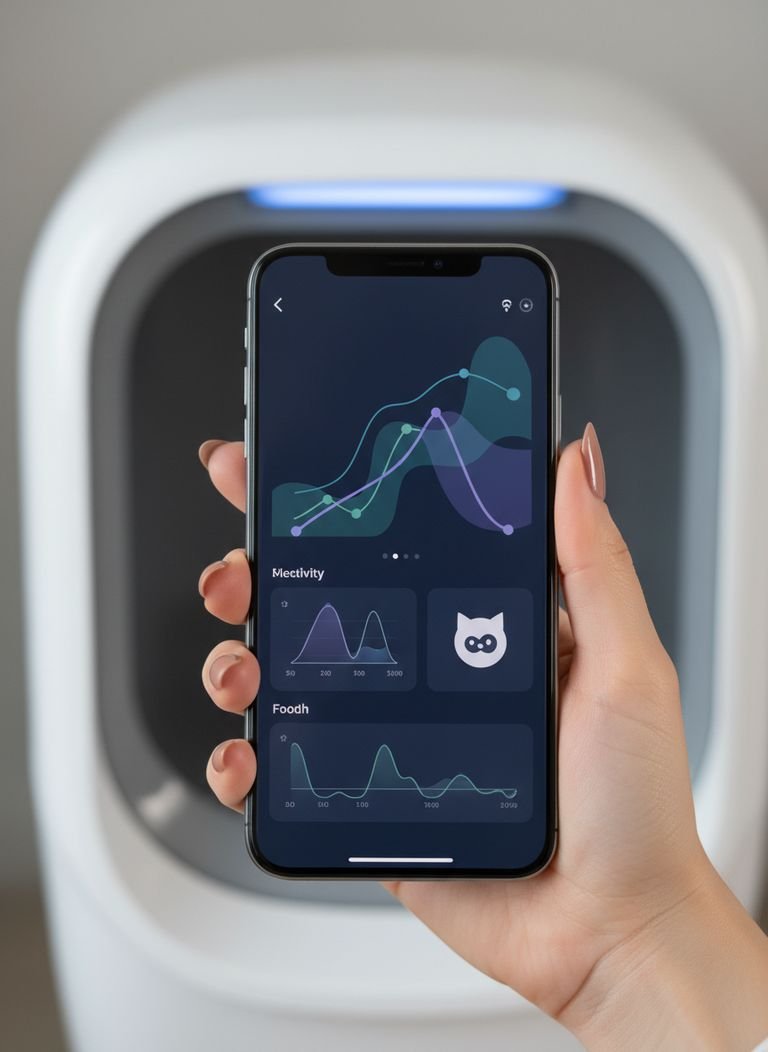
Cats are masters at hiding pain and illness. Often, the earliest signs are not physiological but behavioral. A slight hesitation before entering the box, a change in posture during urination, or spending a few extra seconds covering waste can all be early indicators of arthritis, stress, or urinary discomfort. These are subtle shifts a busy owner might easily miss. This is where advanced cat behavior AI becomes a game changer. By using sensors to create a detailed profile of your cat’s unique habits, a sophisticated weight-monitoring litter box can flag deviations from their baseline. While many products claim to track “behavior,” they often just mean frequency and duration. True behavioral analysis goes deeper, and it’s another area where current market offerings are superficial. The ability to receive an alert that says, “Whiskers’ average visit duration has increased by 15%, and he is hesitating 40% longer before entry,” provides concrete, objective information that can prompt a timely vet visit. These insights can be complemented by other tools in your home, such as those found in our guide to pet enrichment tech, to build a complete picture of your pet’s well being.
The Technology Under the Hood: What Powers Advanced Feline Health Tracking?
For a device to provide reliable, actionable data, its underlying technology must be accurate and robust. A premium weight-monitoring litter box likely uses a combination of sensors, including precision load cells for weight, infrared or laser sensors to track entry and exit, and potentially even chemical sensors to analyze urine pH or detect blood. However, one of the most significant challenges for consumers is the profound lack of transparency from manufacturers. Research shows a consistent absence of detailed specifications. Companies refer to “advanced sensors” or “health tracking sensors” without disclosing the specific types, their margin of error, or their operational lifespan. This opacity extends to data security; there is little to no publicly available information on data encryption standards or privacy policies. As a proactive pet parent, you must question this. Is your pet’s data secure? How often do the sensors need recalibration? This is the same level of scrutiny one might apply when choosing smart deadbolt locks for your home; the reliability and security of the technology are paramount.
Investing in Longevity: Understanding the Value of Premium AI Litter Boxes
There’s no denying that an advanced AI Smart Litter Box is a significant financial investment. The upfront cost can be high, and many of the more advanced analytical features will likely come with a monthly or annual subscription fee. Unfortunately, the market currently provides no clear data on what these costs might be. However, it’s essential to frame this expense not as a luxury but as an investment in your cat’s long term health and your own peace of mind. The cost of a single emergency vet visit for an advanced urinary blockage or late stage kidney disease can easily exceed the total cost of one of these devices. By providing early warnings, the device can help you catch problems when they are more manageable and less expensive to treat. The added benefit of superior automatic odor control is a bonus. Just as someone might invest in gently cooked pet food for better nutrition, investing in a high-tech litter box is about prioritizing preventative care. The goal is to trade a high, unpredictable emergency expense for a planned, predictable investment in wellness.
Final Thoughts: The Future of Feline Health is in the Data
The transition to AI-powered pet health monitoring is well underway, and intelligent litter boxes are at the core of this movement. They offer the potential to unlock unprecedented insights into our cats’ health, enabling early detection and a more collaborative relationship with our veterinarians. However, the market is still in its early stages. As consumers, it’s our responsibility to push for greater transparency in technology, accuracy, and data privacy. The true value of an AI Smart Litter Box lies not just in its convenience, but in its ability to provide reliable, actionable data that can lead to a longer, healthier life for our beloved pets.
Frequently Asked Questions
What’s the main difference between a standard smart litter box and an AI smart litter box?
A standard smart litter box focuses on automation, primarily self-cleaning and odor control. An AI smart litter box incorporates health monitoring. It uses advanced sensors and machine learning to track weight, waste output, and behavioral patterns to provide insights and alerts about your cat’s potential health issues.
Can these devices replace regular veterinary visits?
Absolutely not. An AI smart litter box is a monitoring tool, not a diagnostic one. It is designed to provide you and your veterinarian with objective data to help detect potential problems early. It should be used to supplement, not replace, professional veterinary care and annual check-ups.
How well do AI smart litter boxes work for multi-cat households?
This is a critical challenge. Most devices identify different cats based on weight. This can be unreliable if your cats are very close in size. Some newer models are exploring other identification methods, but you should verify the accuracy and reliability of multi-cat identification before purchasing if you have more than one feline.
What data privacy concerns should I have with a smart litter box?
You should be concerned about how your pet’s health data is stored, encrypted, and used. Manufacturers are currently not very transparent about their policies. Look for information on data encryption and whether the company shares anonymized data with third parties. A clear privacy policy is a sign of a trustworthy brand.
Is the high cost of a premium AI smart litter box really worth it?
The value is subjective but can be framed as an investment in preventative care. The upfront cost and potential subscription fees can be offset by preventing a single costly emergency vet visit through early detection of a serious health issue. For owners who want peace of mind and data-driven insights, the investment is often considered worthwhile.