

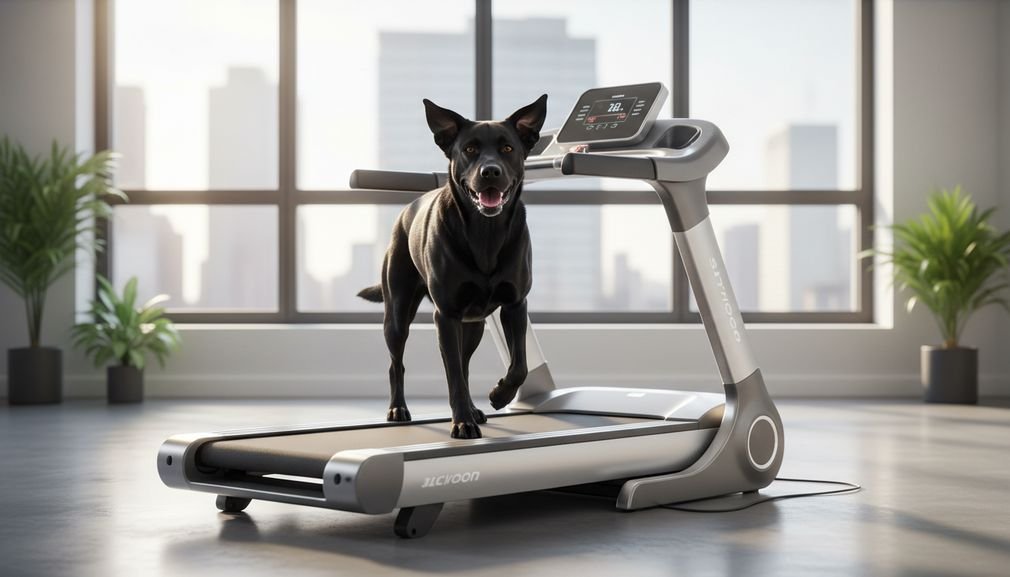
Using pet fitness treadmills is an increasingly popular solution for urban owners of high-energy dogs, providing a crucial outlet for exercise when outdoor space and time are limited. This guide offers a realistic, actionable framework for selecting, introducing, and maximizing the benefits of an indoor dog treadmill in a small apartment setting.
Key Takeaways
- Pet fitness treadmills offer a vital exercise solution for high-energy dogs in urban apartments, helping to manage excess energy and prevent destructive behaviors.
- Key features for apartment living include a quiet motor, a space-saving or foldable design, and robust safety mechanisms like an emergency stop clip.
- The lack of standardized data on noise levels and durability from major retailers means buyers must prioritize brand reputation and conduct thorough research before purchasing.
- The Urban Dog Dilemma: Exercising High-Energy Pups in Small Spaces
- Pet Fitness Treadmills: Your Solution for Consistent Indoor Exercise
- Choosing the Right Pet Treadmill for Apartment Living
- Effective Training: Introducing Your High-Energy Dog to the Treadmill
- Beyond the Treadmill: Complementary Indoor Exercise Equipment for Apartments
- The Potential Benefits of Regular Indoor Workouts for Your Canine Companion
- Making the Right Choice: Finding the Perfect Pet Fitness Treadmill for Your Urban Home
- Frequently Asked Questions About Pet Fitness Treadmills
The Urban Dog Dilemma: Exercising High-Energy Pups in Small Spaces
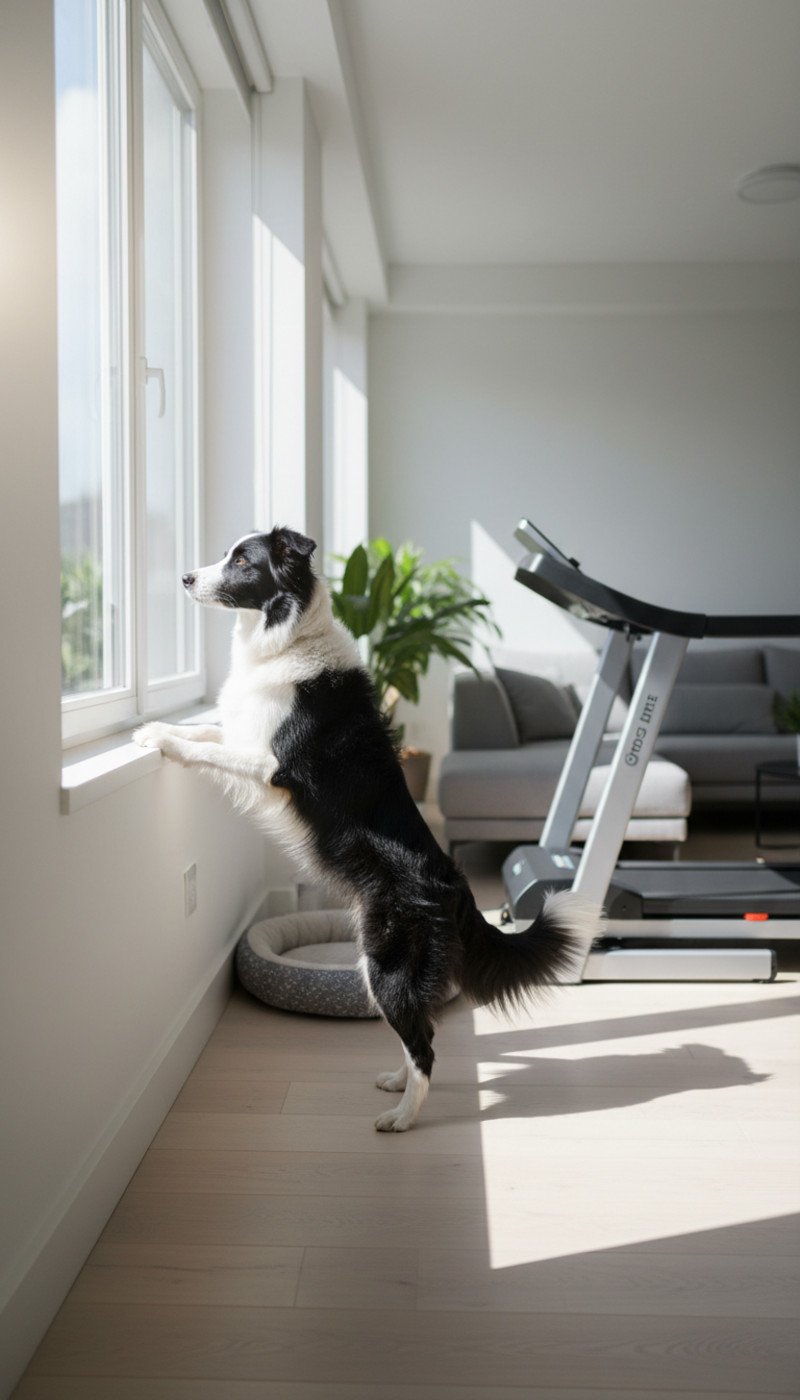
Living in a city apartment with a high-energy dog like a Border Collie, Husky, or Jack Russell presents a unique set of challenges. These breeds are genetically wired for activity, and without sufficient physical and mental stimulation, they can develop behavioral issues such as anxiety, destructiveness, and excessive barking. For owners in small urban apartments, providing the necessary two-plus hours of vigorous exercise daily is often impractical due to demanding work schedules, limited access to safe off-leash parks, and unpredictable weather. This creates a significant dilemma: how to meet the intense needs of high-energy pets within the constraints of urban life. The demand for effective solutions is reflected in market trends; the overall pet treadmill market was valued at an estimated $622 million in 2025, largely driven by urban owners seeking controlled and convenient exercise options. This highlights a clear need for creative indoor exercise strategies to ensure these intelligent and active dogs thrive.
Pet Fitness Treadmills: Your Solution for Consistent Indoor Exercise
Pet fitness treadmills are specifically designed indoor dog exercise equipment built to accommodate a dog’s anatomy, gait, and safety needs. Unlike human treadmills, they feature longer running surfaces, side barriers to prevent falls, and quieter motors to minimize anxiety. They have emerged as a powerful tool for urban dog owners, directly addressing the core problem of providing consistent, vigorous exercise regardless of external conditions. A dog treadmill allows you to supplement outdoor walks with a controlled, high-intensity workout that burns calories, builds muscle, and engages your dog’s mind. The market for this equipment is growing steadily, with general dog treadmill market estimates pointing to a valuation of USD 100 million in 2024 and a projected compound annual growth rate (CAGR) of 10.5% from 2026 to 2033, according to Verified Market Reports. This growth underscores their increasing acceptance as a practical solution for maintaining the health and happiness of high-energy dogs in space-constrained homes.
Choosing the Right Pet Treadmill for Apartment Living
Selecting the right pet treadmill for an apartment requires careful consideration of features that balance your dog’s needs with the realities of compact living. Not all models are created equal, and prioritizing apartment-friendly specifications is crucial for a successful integration. You must look beyond marketing claims and focus on the practical aspects of daily use in a shared building.
A significant challenge for consumers is the lack of standardized data. Our research found no aggregated customer reviews from major retailers like Amazon or Chewy detailing user pain points with noise or durability, and critical technical specifications like average decibel levels are not readily available. This information gap makes it difficult to compare models directly. Therefore, you must focus on the features you can verify and make an informed decision based on them.
Key Features for Apartment-Friendly Pet Treadmills
| Feature | Why It Matters for Apartments | What to Look For |
|---|---|---|
| Quiet Motor Technology | Minimizes noise that could disturb neighbors or cause anxiety in your dog. A loud motor can make training nearly impossible. | Look for models specifically advertised as “whisper-quiet” or designed for low-noise operation. Read independent reviews that mention noise levels. |
| Space-Saving Design | Essential for small urban apartments where floor space is a premium. You need a unit that won’t dominate your living area. Exploring compact outdoor living spaces can also inspire creative indoor layouts. | Prioritize foldable models with transport wheels for easy storage in a closet or under a bed. Measure your available space before buying. |
| Appropriate Deck Size | The running surface must be long enough for your dog’s natural stride. A deck that is too short is dangerous and can cause injury. | Measure your dog from nose to tail base. The treadmill deck should be at least 1.5 times this length to allow for a full, comfortable gait. |
| Emergency Stop Mechanisms | A non-negotiable safety feature. It protects your dog from injury if they slip, fall, or try to get off the machine unexpectedly. | Ensure the model has a safety key or clip that attaches to your dog’s collar or harness. If the key is pulled, the machine stops instantly. |
| Sturdy Side Panels | These help guide your dog and prevent them from stepping off the moving belt, especially during the initial training phase. | Look for solid, high-sided panels rather than flimsy mesh. They provide better security and a sense of enclosure that can calm some dogs. |
Effective Training: Introducing Your High-Energy Dog to the Treadmill
The success of a pet treadmill hinges entirely on a positive and gradual training process. You cannot simply place your dog on the machine and expect them to run. For high-energy (and often highly intelligent) breeds, the goal is to make the treadmill a fun and rewarding experience, not a chore. The research indicates a lack of data on common training challenges, so this step-by-step guide is designed to proactively address potential hurdles and build your dog’s confidence from the start.
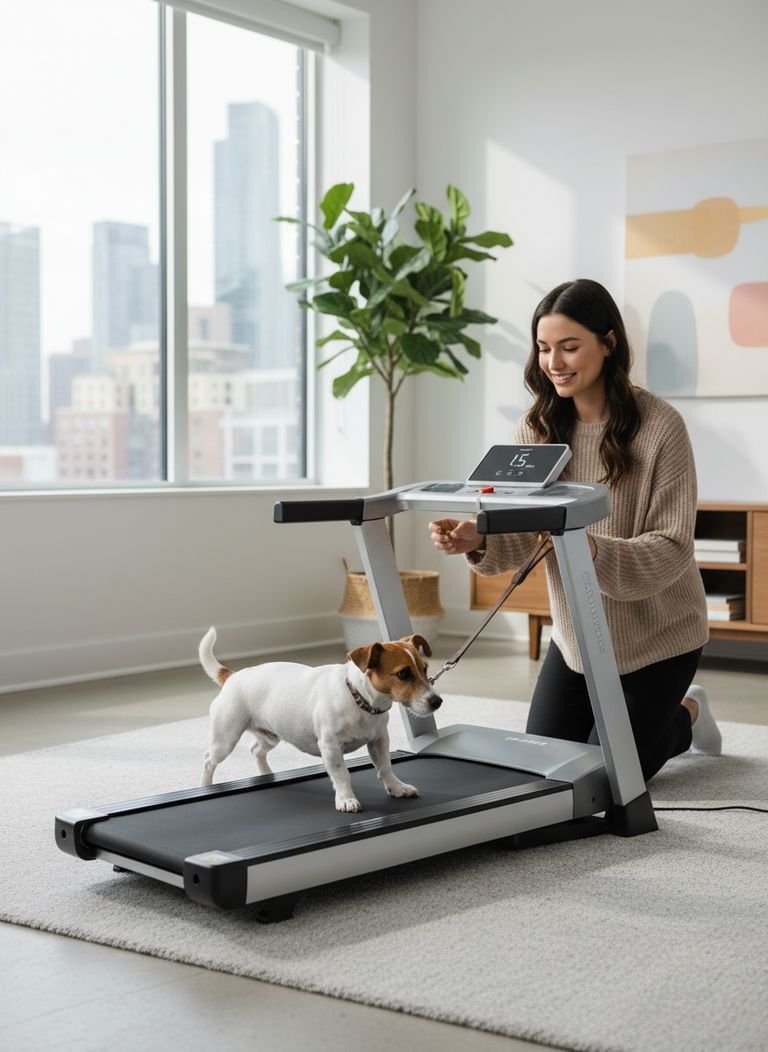
- Step 1: Introduction and Acclimation (Days 1-3). Place the treadmill in the room where it will be used, but leave it turned off. Let your dog sniff and explore it at their own pace. Sprinkle high-value treats on the belt. Encourage them to step on and off the stationary machine, rewarding them with praise and more treats each time they do. The goal is to associate the object with positive things.
- Step 2: Harness and Leash (Days 4-5). Put your dog in a comfortable, back-clip harness (never a collar, which can be a choking hazard). With the treadmill still off, guide them onto the belt and give them treats. Hold the leash to keep them in place for a few seconds, then release and let them step off. Repeat this several times to get them used to being on the machine while leashed.
- Step 3: Introducing Motion (Days 6-7). Turn the treadmill on to its lowest possible speed. The noise may startle your dog, so be ready with reassuring praise and treats. Lure them onto the moving belt with a treat held in front of their nose. Let them walk for just 10-15 seconds before turning it off and rewarding them enthusiastically. Keep these initial sessions extremely short.
- Step 4: Building Duration (Week 2). Gradually increase the duration of the walking sessions. Start with one-minute intervals, followed by a treat and praise. Slowly work up to five-minute sessions at a slow walking pace. Always end on a positive note, before your dog becomes bored or anxious.
- Step 5: Increasing Speed and Incline (Week 3 and beyond). Once your dog is confidently walking for 5-10 minutes, you can begin to slowly increase the speed to a trot. If your treadmill has an incline feature, you can introduce a slight incline to increase the workout’s intensity. Never force your dog to run faster than they are comfortable with.
Mastering the basics is key, but for certain breeds, you might explore more advanced training protocols once they are comfortable. For example, incorporating interval training (alternating between a walk and a trot) can provide excellent cardiovascular benefits and keep intelligent dogs more engaged.
Beyond the Treadmill: Complementary Indoor Exercise Equipment for Apartments
While pet fitness treadmills are excellent for cardiovascular exercise, a truly fulfilled high-energy dog needs a variety of physical and mental challenges. Relying solely on one piece of equipment can lead to boredom. To create a holistic indoor enrichment plan, consider supplementing treadmill sessions with other apartment-friendly activities and gear.
Unfortunately, the available market data doesn’t identify unique angles that competitor articles are missing, such as solutions for multi-pet households or smart home integration. However, we can infer the need for a well-rounded approach. For example, you can add pet enrichment tech like automated puzzle feeders to provide mental stimulation while you are away. Other options include:
- Canine Agility Slats and Weave Poles: Compact, indoor-safe versions of agility equipment can be set up in a hallway or living room. They challenge your dog’s coordination and focus, providing a different kind of mental workout.
- Automated Pet Gym Gear: Devices like automatic ball launchers (use soft indoor balls) or interactive laser pointers can provide short bursts of high-intensity play that complement the steady-state cardio of a treadmill. You could even explore smart home voice control to activate these toys.
- Nose Work and Scent Games: Hiding treats around the apartment encourages your dog to use their most powerful sense. This is an incredibly engaging and tiring activity that requires zero floor space.
- Balance and Core Strength Tools: Inflatable balance discs or canine fitness peanuts help build core strength and improve body awareness, which is beneficial for preventing injuries.
By combining treadmill workouts with these other activities, you provide a comprehensive fitness regimen that addresses your dog’s physical and cognitive needs, leading to a calmer, more balanced companion.
The Potential Benefits of Regular Indoor Workouts for Your Canine Companion
Successfully integrating a pet treadmill into your dog’s routine can yield significant benefits for both pet and owner, even if the direct, measurable data is sparse. The research shows that no quantifiable reports exist from pet owners detailing specific reductions in destructive behavior or improvements in health metrics. Despite this data gap, the anecdotal evidence and logical outcomes point toward several positive impacts.
- Reduction in Destructive Behavior: A tired dog is a good dog. By providing a consistent outlet for pent-up energy, treadmills can significantly decrease behaviors like chewing, digging, and excessive barking that stem from boredom and frustration.
- Improvement in Canine Health Metrics: Regular cardiovascular exercise helps maintain a healthy weight, improves muscle tone, and supports joint health. For high-energy breeds prone to obesity when under-exercised, this is a critical benefit for long-term well-being and can be tracked alongside tools like a predictive pet wearable.
- Enhanced Mental Stimulation: Learning to use the treadmill and focusing on the task of walking or trotting provides a mental workout. This focus can help reduce anxiety and build confidence in timid dogs.
- Increased Owner Convenience: On days with torrential rain, blizzards, or extreme heat, a treadmill ensures your dog’s exercise needs are still met without compromising their safety or your comfort. It provides a reliable backup plan that alleviates owner guilt and stress.
- Weight Management and Rehabilitation: Under veterinary guidance, treadmills can be invaluable tools for weight loss programs or for controlled, low-impact exercise during recovery from certain injuries or surgeries. A healthy diet, potentially including GLP-1 pet food under vet supervision, can also play a role.
Making the Right Choice: Finding the Perfect Pet Fitness Treadmill for Your Urban Home
Choosing the right equipment for your urban home is a significant decision. As we’ve seen, while the market is growing, there is a distinct lack of transparent consumer data on performance metrics like noise and durability. This reality places the responsibility on you, the owner, to synthesize the available information and make a choice tailored to your specific situation. Consider your dog’s size, energy level, and temperament. Measure your apartment’s available space and set a realistic budget. Prioritize safety features like emergency stops and sturdy side rails above all else.
By focusing on apartment-friendly designs, committing to a patient and positive training process, and supplementing with other forms of enrichment, you can successfully integrate a pet treadmill into your life. The goal is to provide a safe, convenient, and effective exercise solution that enhances your dog’s well-being. Investing in the right pet fitness treadmills or even smaller small dog running machines can transform the urban living experience for you and your high-energy canine companion, ensuring they lead a happy, healthy, and fulfilled life.
Ready to create a more stimulating environment for your pet? Explore our complete guide to Pet Enrichment Tech to discover more ways to keep your furry friend engaged.
Frequently Asked Questions About Pet Fitness Treadmills
Are pet treadmills safe for all dogs?
Pet treadmills are generally safe when used with proper supervision and positive training. However, they may not be suitable for dogs with certain health conditions, such as severe joint problems or heart issues. It is essential to consult your veterinarian before starting your dog on any new exercise regimen, including a treadmill.
Can I use a human treadmill for my dog?
It is not recommended. Human treadmills are not designed for dogs. They often have shorter running decks that don’t accommodate a dog’s natural stride, gaps between the belt and the frame where paws can get trapped, and motors that are louder and located at the front, which can be intimidating for a dog. Pet-specific treadmills are built with canine safety and anatomy in mind.
How long should my dog exercise on the treadmill?
The duration depends on your dog’s age, breed, fitness level, and health. Start with very short sessions of 1-2 minutes and gradually increase the time as your dog gets more comfortable. A typical session for a healthy, high-energy dog might eventually be 20-30 minutes. Always watch for signs of fatigue, such as excessive panting or lagging.
What’s the most important feature for a pet treadmill in an apartment?
For apartment living, the most critical features are a quiet motor to avoid disturbing neighbors and a space-saving, foldable design for easy storage. Without these, the treadmill can become a source of stress and clutter, defeating its purpose of providing a convenient solution.
My dog is scared of the treadmill. What should I do?
Fear is a common initial reaction. The key is to go back to basics and proceed very slowly with positive reinforcement. Reintroduce the stationary treadmill with high-value treats and praise. Do not force your dog onto it. The goal is to rebuild a positive association. It may take several days or even weeks before your dog is comfortable enough to try walking on it again.