

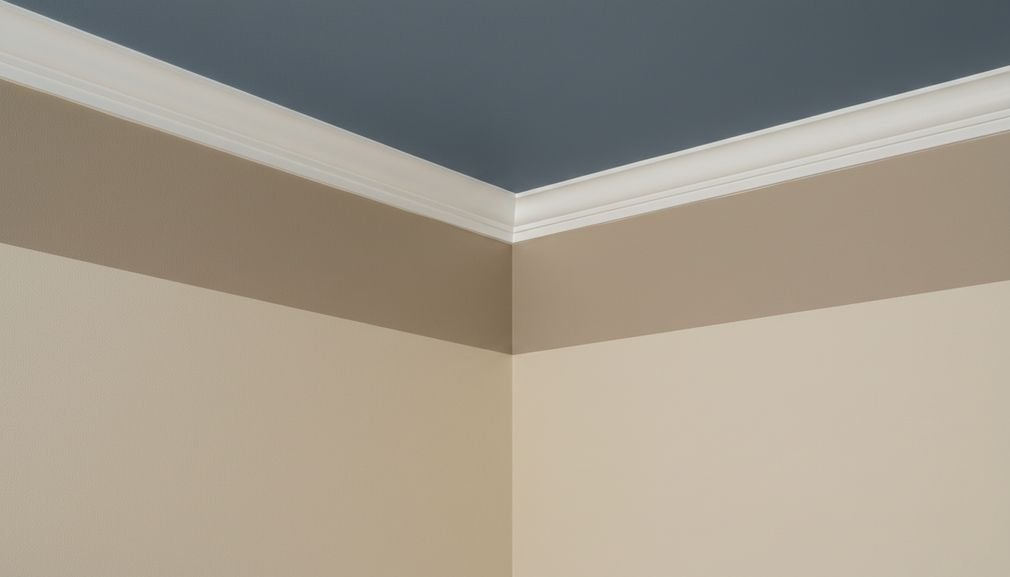
Color Capping is the sophisticated interior design technique that elevates your ceiling from a forgotten surface to a bespoke architectural feature. Moving beyond the bold, all-encompassing nature of color drenching, this method uses nuanced tonal gradients to create a layered, warm, and visually expansive effect. It’s a deliberate design choice for those who value subtlety and long-term aesthetic appeal over fleeting, high-impact statements.
Key Takeaways
- Color capping is an evolution of color drenching, using 2-3 shades from the same color family to create a gentle gradient from walls to ceiling, making spaces feel taller and more architecturally defined.
- Precision is non-negotiable for a high-end result. Tools like laser guides are essential for creating crisp lines, especially on high or textured ceilings, to avoid a messy, unintentional appearance.
- Beyond aesthetics, consider practical factors like how natural and artificial light will interact with the different tones, the long-term maintenance of multiple paint finishes, and the subtle impact a darker ceiling can have on room acoustics.
- Color Capping: The Evolving Trend Beyond Color Drenching
- 2026 Forecast: Emerging Palettes and Philosophies for Sophisticated Ceilings
- Mastering the Art: Essential Techniques for Perfect Color Capping
- Avoiding Pitfalls: Tips for Flawless Execution on Any Ceiling
- Beyond Aesthetics: Overlooked Considerations for Your Capped Ceiling
- Addressing Concerns: Will Color Capping Make My Room Feel Smaller?
- Budgeting for Beauty: Understanding Color Capping Costs (DIY vs. Pro)
- Final Thoughts: Is Color Capping Right for Your Home?
- Frequently Asked Questions About Color Capping
Color Capping: The Evolving Trend Beyond Color Drenching
While color drenching bathes an entire room in a single, bold hue, color capping offers a more refined and intentional approach. Instead of a uniform wash, it employs a strategic gradient of two to three related tones, typically moving from a lighter shade on the walls to a deeper, richer version on the ceiling. This creates a bespoke, layered look that adds architectural depth and visual interest without overwhelming the senses. It’s the perfect technique for homeowners looking to make a sophisticated statement that feels both current and timeless.
Coined by paint authority Benjamin Moore, color capping is rapidly emerging as a subtler alternative to its maximalist predecessor. Experts project it will be one of the hottest ceiling paint trends 2026, resonating with those who want a custom aesthetic without the full commitment of a single, dramatic color. This technique provides a delicate, intentional transition that guides the eye upward, creating an elegant and enveloping atmosphere.
2026 Forecast: Emerging Palettes and Philosophies for Sophisticated Ceilings
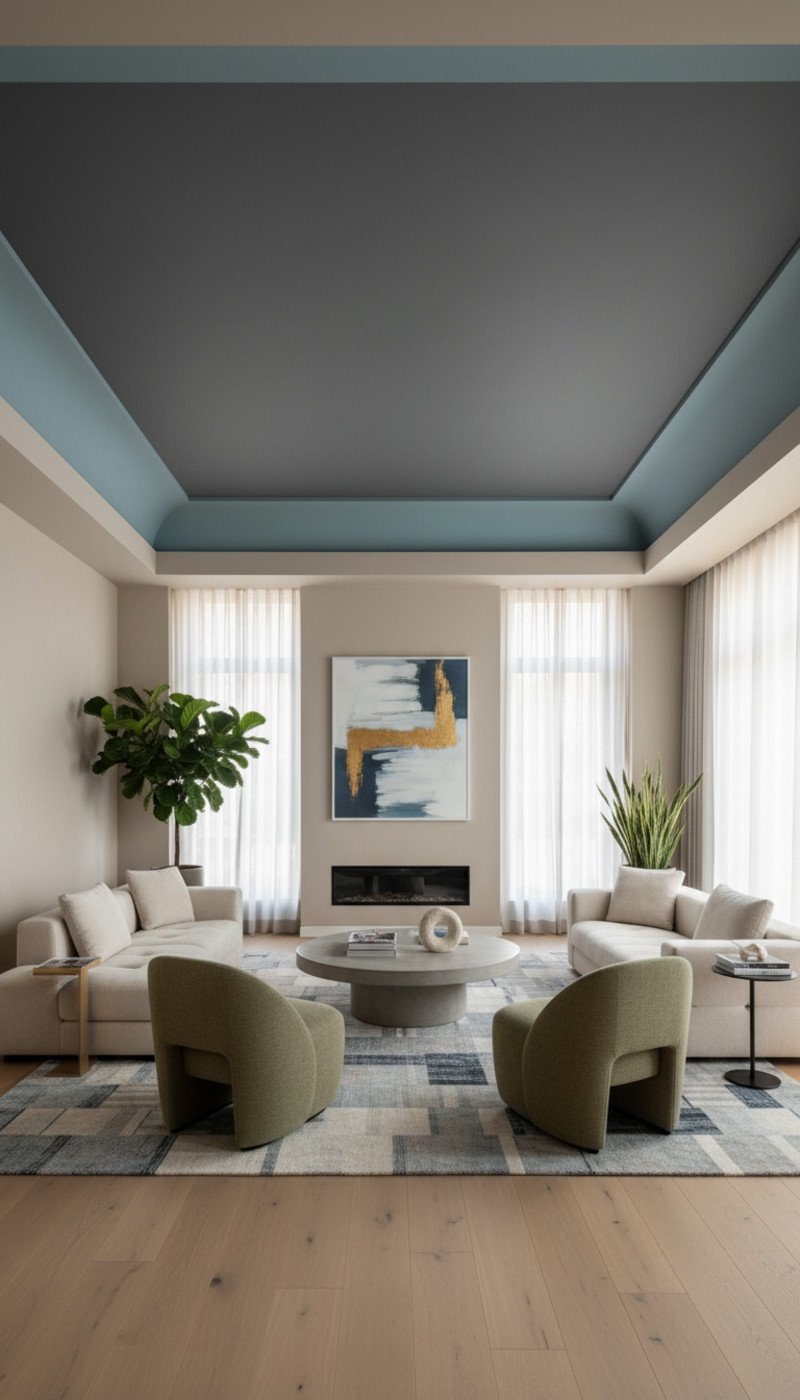
The design philosophy behind color capping is rooted in the concept of “color scales.” By using graduated tones from the same pigment family, you create a seamless visual journey that brings movement and warmth to a space. This is a key element in the forecasted ceiling paint trends 2026, which emphasize layered, architectural aesthetics that infuse rooms with personality. The technique masterfully draws the eye upward, a trick that can make rooms feel significantly bigger and ceilings appear higher.
Emerging palettes for 2026 highlight the versatility of this trend. Consider these tonal families:
- Muted Blues and Greens: A soft, pale blue on the walls can transition to a mid-tone seafoam on the trim and a deep teal on the ceiling to evoke a sense of calm and expand the feeling of space.
- Earthy Terracottas: Imagine soft clay walls, a warmer terracotta on the molding, and a deep, rich burnt orange on the ceiling. This palette creates an incredibly warm, enveloping, and cozy atmosphere. Exploring these kinds of palettes aligns well with our home decor tips for creating inviting spaces.
- Sophisticated Neutrals: A gentle greige on the walls can be paired with a warmer taupe on the trim and a deep charcoal or espresso brown on the ceiling for a dramatic yet classic look.
The goal is to envelop the space in a harmonious gradient, making the tonal gradient walls and ceiling feel like a cohesive, thoughtful design element rather than separate surfaces.
Mastering the Art: Essential Techniques for Perfect Color Capping
Achieving a flawless color-capped ceiling requires more than just a few cans of paint; it demands precision and a clear plan. Whether you’re a seasoned DIYer or hiring a professional, understanding the core techniques is crucial for a high-end result.
1. Select a Harmonious Palette
The success of color capping hinges on your color selection. Choose two to three shades from the same color family that share the same undertones. A paint swatch card is your best friend here. The standard application method is to use the lightest tone on the walls, a mid-tone on the trim and molding (if present), and the deepest, most saturated tone for the ceiling cap itself. This creates a gentle, natural gradient that draws the eye upward without a harsh contrast.
2. Prioritize Preparation and Precision
Clean lines are the difference between a bespoke design feature and a sloppy mistake. Meticulous preparation is key. Tape off all edges with high-quality painter’s tape, pressing the edges down firmly with a putty knife to prevent bleeding. For high-ceiling paint techniques, an extension pole for your roller is a must, but the most critical tool is a guide for your lines.
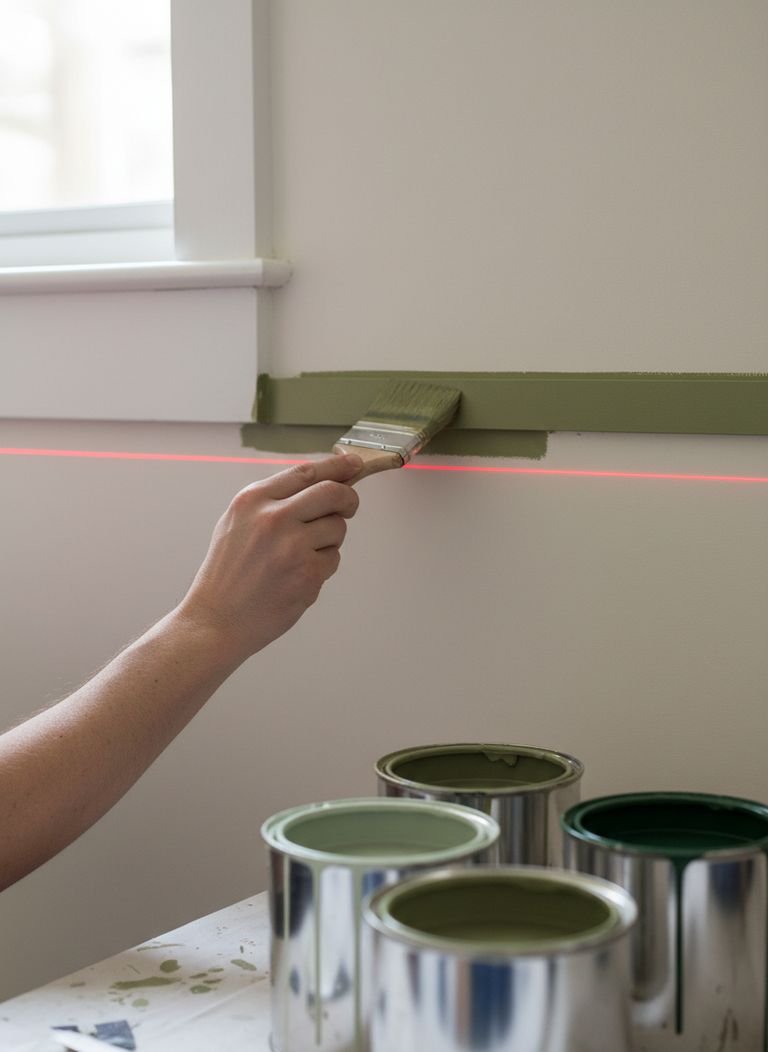
Using a laser guide or a spirit level is non-negotiable for ensuring your transition lines are perfectly crisp, straight, and consistent around the entire room. This precision minimizes the need for rework and guarantees a professional-grade finish. This technique can be especially effective when trying to maximize the feel of a room, similar to the strategies discussed in our guide to small screened-in porch ideas.
3. Apply Paint in the Correct Order
To ensure the cleanest lines, work from lightest to darkest.
- Paint the ceiling with your darkest color first, extending it slightly down onto the walls. Don’t worry about being perfectly neat on the wall edge at this stage.
- Once the ceiling is completely dry (wait at least 24 hours), use your laser level and painter’s tape to create the crisp demarcation line on the walls.
- Paint your trim or mid-tone band.
- Finally, paint the walls with your lightest color, carefully cutting in against the tape line. Remove the tape while the wall paint is still slightly tacky for the sharpest possible line.
Avoiding Pitfalls: Tips for Flawless Execution on Any Ceiling
While the concept is straightforward, the execution of color capping can present several challenges. Awareness of these common pitfalls is the first step toward avoiding them, whether you are tackling the project yourself or vetting a professional painter.
One of the most frequent DIY mistakes is creating imprecise lines, which immediately cheapens the effect and makes the gradient look messy rather than intentional. As sources emphasize, precision is paramount, and skimping on tools like a spirit level or laser guide is a recipe for a disappointing result. Another common error is a lack of proportion; the “cap” band might be too thick or too thin for the room’s height, throwing off the balance. For a standard 8-foot ceiling, a 4-6 inch band can work well, while higher ceilings can accommodate a more substantial transition.
Professional execution isn’t without its challenges either, especially with high-ceiling paint techniques or on textured surfaces. A “popcorn” or heavily textured ceiling complicates the process of achieving a crisp paint line, often requiring specialized techniques to avoid a jagged edge. Furthermore, maintaining a seamless gradient on very high walls requires exceptional skill in tonal matching to prevent harsh, visible shifts in color. For a project with this level of detail, it’s worth considering the value a professional brings, much like you would when evaluating the ROI on heated bathroom floors.
Beyond Aesthetics: Overlooked Considerations for Your Capped Ceiling
Achieving a beautiful color-capped ceiling goes beyond just picking the right shades and painting straight lines. A deeper analysis of existing design advice reveals three consistently overlooked—yet critical—practical considerations that can impact your long-term satisfaction with the project.
1. Specific Lighting Interactions
How your capped ceiling looks on a cloudy morning versus under artificial light at night can be dramatically different. The darker ceiling tone will absorb more light than a traditional white ceiling. It’s crucial to consider the direction of natural light and the placement of your light fixtures. A room with abundant south-facing windows might handle a deep, dramatic cap beautifully, while a darker, north-facing room could feel cavernous. Consider installing dimmers or layered lighting to control the ambiance and highlight the tonal gradient effectively.
2. Long-Term Maintenance and Durability
No one talks about how to clean a multi-toned ceiling or what happens when one section fades faster than another. Using high-quality, durable paint with a cleanable finish (like an eggshell or satin) is essential, especially for the darker ceiling color which may show dust more readily. In high-traffic areas, be aware that touch-ups can be more complex than with a single-color wall, as you’ll need to match both the color and the sheen perfectly to avoid a patchy appearance.
3. Impact on Room Acoustics
This is a factor almost universally ignored. The color and finish of a surface can have a minor but noticeable effect on how sound travels in a room. While not as impactful as soft furnishings, a darker, matte-finish ceiling might absorb slightly more sound than a glossy white one, potentially making a large, echoey room feel a bit more intimate and quiet. This could be a subtle but welcome benefit in a bedroom or a cozy den, turning your accent ceiling ideas into a functional acoustic tweak.
Will Color Capping Make My Room Feel Smaller?
This is perhaps the single greatest anxiety for homeowners considering a darker ceiling. The traditional design rule is that dark ceilings make a room feel smaller and more cramped. While this can be true if executed poorly, color capping is specifically designed to counteract this effect. The magic is in the gradient.
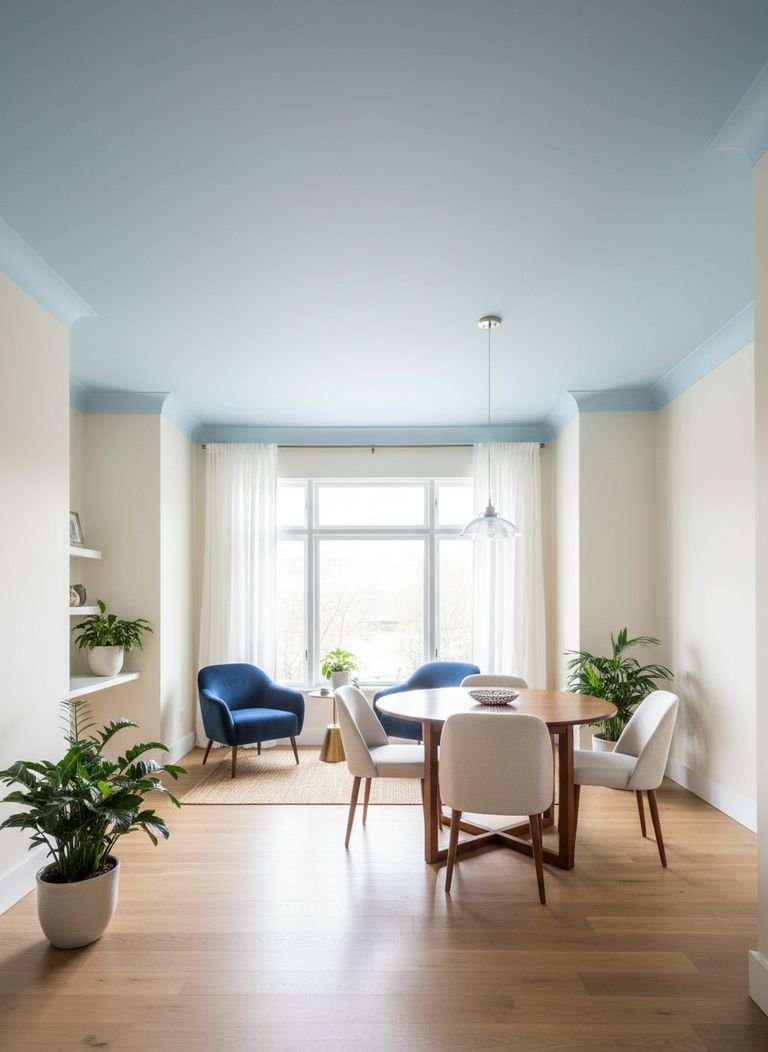
Because the technique uses a gradual transition from a lighter wall color, it gently draws the eye upward, creating an illusion of height rather than compression. The key is balance and shade selection. To avoid making a room feel smaller, sources advise using lighter, muted shades like soft blues or gentle greens for your palette, as these colors are known to create a more expansive, airy feel. This approach turns your ceiling into one of the most impactful accent ceiling ideas you can implement.
Conversely, in a very large or tall room, a darker cap can be used intentionally to create a cozier, more intimate, and grounded atmosphere, much like you might aim for when designing a spa bathroom. The technique’s success depends on matching the palette’s intensity to the room’s scale and natural light. A poorly executed job with messy lines or harsh color contrasts is what truly risks cheapening the space, not the concept of a darker ceiling itself.
Understanding Color Capping Costs (DIY vs. Pro)
When planning your project, it’s important to set a realistic budget. While detailed cost breakdowns for color capping are not widely available, we can infer the financial implications based on the process. The technique’s inherent complexity—requiring multiple paint tones, meticulous taping, and a high degree of precision—means it is more labor-intensive than a standard, single-color paint job.
For a DIY project, your primary costs will be materials: at least two or three “tins of paint,” high-quality painter’s tape, primers, and potentially the rental or purchase of a laser level. For a professional job, labor will be the most significant expense. The added time required for the multi-step process of taping, waiting for layers to dry, and ensuring perfect lines will naturally increase the overall cost compared to painting a ceiling white. As one source notes, the added complexity implies higher labor costs, though these are not yet quantified in the market. When getting quotes from painters, be sure to specify the color capping technique and confirm they have experience with precision gradient work. Approaching this as a custom project is similar to how one might budget for a specialized installation, as covered in our complete guide to remodel costs.
Final Thoughts: Is Color Capping Right for Your Home?
Color capping represents a mature, sophisticated step forward in interior paint trends. It offers a powerful way to add architectural character, manipulate the perception of space, and create a truly bespoke environment. Unlike fleeting fads, its foundation in classic color theory and architectural enhancement gives it lasting appeal. By carefully selecting a tonal palette, committing to precision, and considering the practical impacts of light and maintenance, you can transform your ceiling into the most compelling feature of the room.
If you are a design-conscious homeowner ready to move beyond basic paint jobs and embrace a technique that offers nuance, warmth, and depth, then Color Capping is an exceptional choice. It’s an investment in thoughtful design that pays dividends in daily enjoyment and aesthetic satisfaction. Ready to elevate your fifth wall? Start exploring paint swatches today.
Frequently Asked Questions About Color Capping
What is the main difference between color capping and color drenching?
Color drenching involves painting the walls, trim, and ceiling of a room in the exact same color for a bold, monochromatic look. Color capping is a more nuanced evolution of this, using two to three related shades from the same color family to create a subtle gradient effect, with the darkest shade typically “capping” the ceiling.
Can I use color capping in a room with low ceilings?
Yes, but with caution. To avoid making the room feel shorter, stick to very light and airy color palettes, such as pale blues, soft grays, or warm off-whites. The gentle gradient can still draw the eye up, but a dark, heavy color on a low ceiling can create a feeling of compression.
Is crown molding necessary for color capping?
No, crown molding is not necessary. While it provides a natural transition point between colors, you can achieve a beautiful result without it. In rooms without molding, you can create a crisp line where the wall meets the ceiling or create a “faux” molding band by painting a 4-6 inch stripe in your mid-tone color between the wall and ceiling colors.
What paint finish is best for color capping?
A matte or flat finish is often recommended for the darkest ceiling color to help hide imperfections and absorb light, creating a velvety, rich look. For walls, an eggshell or satin finish is a practical choice as it’s more durable and easier to clean than a flat finish. Using different sheens can add another layer of subtle dimension to the effect.
How do I choose the right colors for a tonal gradient?
The easiest way is to use a single paint swatch card. Choose three consecutive colors from the same strip. This ensures they share the same undertones and will blend harmoniously. Typically, you would use the lightest for the walls, the middle shade for trim (if applicable), and the darkest shade for the ceiling.