

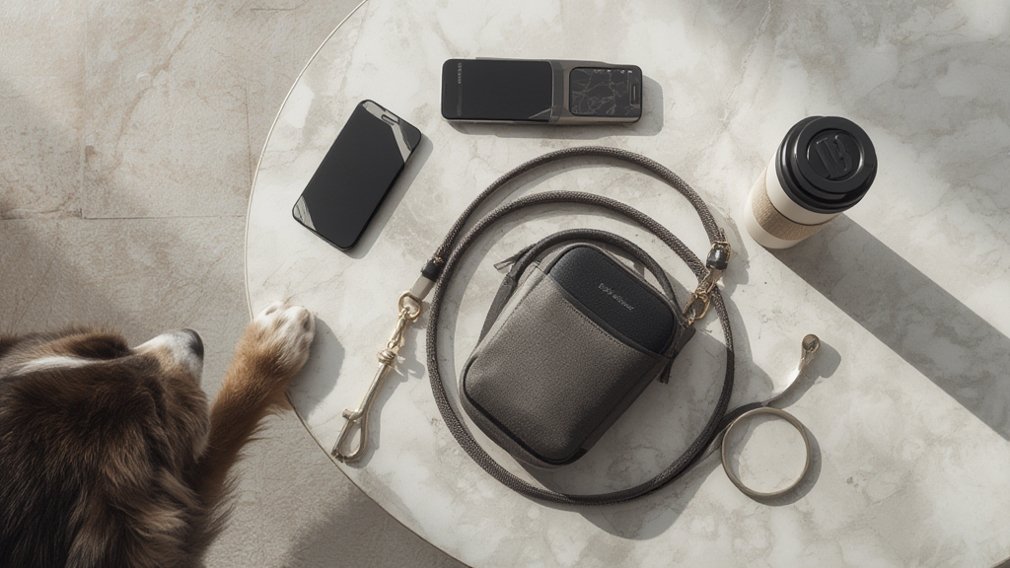
Crossbody Dog Lead is no longer just a niche accessory—it’s the modern style-first essential for urban dog owners who want hands-free function, safety, and a design that elevates every outfit. Choosing one is no longer about “just a leash.” It’s about finding the right mix of form and function to match your style, daily routine, and your dog’s needs—without compromising on safety or technical performance. Here’s a realistic, fashion-forward guide based on what 2024 buyers actually look for—and what the market research still can’t prove.
Key Takeaways
- Style and function are equally critical—premium urban buyers want crossbody leads that are safe, comfortable, and look good in any setting.
- Major product gaps: fashion integration, fit for specific breeds, and sustainable materials are under-addressed in top guides and listings.
- There’s a clear need for better testing, data, and review standards to distinguish real quality from lookalike products in the crowded market.
- Market snapshot — why crossbody leads are relevant in 2024
- What style-conscious buyers actually want (features checklist)
- Common user pain points — what we can’t yet prove (and what to test)
- Safety & technical spec comparisons — what reviewers should measure
- Price tiers and what to expect at each level
- Three under-covered concerns to angle the article around (unique editorial hook)
- 2024 fashion & design trends shaping wearable leashes
- Recent innovations & patents — what’s missing and what to watch
- Product evaluation template — what to test for reviews and product pages
- SEO & content strategy — how to capture transactional intent
- Next steps for primary reporting / fact-checking (research to complete before drafting)
- Conclusion
- FAQ
Market snapshot — why crossbody leads are relevant in 2024
Crossbody dog leads—often described as hands-free walking gear—have exploded in visibility over the last year, largely driven by two overlapping trends: more dog owners treating pets as family (a phenomenon called pet humanization), and the rise of style-oriented, urban buyers demanding gear that suits their lifestyle and look. The overall pet leash market is booming, with 2024 values cited at roughly USD 2.25 billion (projected to USD 3.8 billion by 2033 at 6.1% CAGR) and other reports placing it at up to USD 5.86 billion (with a projected rise to USD 11.25 billion by 2032). North America is the largest regional hub, with e-commerce and premium product demand outpacing the rest of the world. Urban professionals like Alex (our target persona) want products that offer true hands-free benefits—think coffee runs, running, and multitasking—plus a premium feel that actually works with their wardrobe.

What style-conscious buyers actually want (features checklist)
What defines the perfect wearable dog leash for the urban style set? According to reports focusing on urban owners and pet humanization (source), there’s a clear pattern: buyers want both beauty and brains. Here’s a simplified checklist that balances the aesthetic and technical needs of a stylish multi-function leash:
- Aesthetic finishes and designer colorways: Two-tone webbing, luxe neutrals, and bold statement shades.
- Low-profile, premium hardware: Sleek clips or carabiners, matte finishes, and minimal logo branding.
- Multipurpose pockets: Small, integrated storage for cards, keys, or treats—preferably not bulky.
- Adjustable fit: Range to fit different body types and styles (crossbody, around waist, over shoulder).
- Reflective or safety trims: For early morning or evening errands and running.
- Easy to clean and maintain: Machine-washable or wipe-clean, with materials designed for daily city use.
When shopping, prioritize construction and adjustability first (a leash that slips, twists, or feels unstable is a no-go), then filter only among those models that fit your overall aesthetic. You can find more organization and storage inspiration for your space with our kitchen storage solutions guide.
Common user pain points — what we can’t yet prove (and what to test)
Direct review data on pain points for wearable dog leashes, adjustable running leads, or multi-function leashes is basically absent (source). However, based on urban owner routines and product specs, likely complaints include:
- Strap chafing or discomfort when worn crossbody for long periods
- Leash tangling, especially with active or strong-pulling dogs
- Poor durability or hardware failure (clips breaking, webbing fraying)
- Fit issues for specific breeds (some harness attachments can be awkward for barrel-chested or deep-chested dogs)
- Lack of true adjustability or slipping straps during use
If you’re evaluating a new leash, test each of these in real contexts: long walks, quick city errands, and active running. Scraping the top 50 Amazon or Chewy reviews for leading models like Ruffwear, Kurgo, or EzyDog is also key—watch for patterns, even if explicit complaint datasets aren’t published. For more detailed product strategies, explore our Smart Pet Crates buyer’s checklist.
Safety & technical spec comparisons — what reviewers should measure
There is no standardized safety rating—or even reliable technical comparison published—for crossbody leads versus traditional and other hands-free options (source). Nevertheless, here are the specs to demand from brands and include in product roundups:
- Adjustability range: Length in cm/in, ability to wear different ways (over shoulder, waist, crossbody)
- Recommended dog weight/class: Designed for small, medium, or large breeds
- Tensile/working load: Can it withstand pulling/jerk loads for your dog’s size?
- Materials: Nylon, recycled webbing, leather, vegan leather, or technical fabric; type of hardware (aluminum, steel, alloy, plastic)
- Attachment system: Clip, locking carabiner, or integrated harness loops
Use this comparison template to review or compare crossbody dog leads truthfully:
| Brand/Model | Adjustability Range | Dog Weight Limit | Materials & Hardware | Main Attachment | Pockets/Extras |
|---|---|---|---|---|---|
| [Example: Ruffwear] | 90–150cm (35–60in) | Up to 70 lbs (31 kg) | Nylon webbing / Aluminum clip | Locking carabiner | Small zipper pouch |
| [Brand 2] | [Specs] | [Specs] | [Specs] | [Specs] | [Specs] |
Price tiers and what to expect at each level
Even though leading market reports mention premium demand in the sector, there’s shockingly little published about price tiers or what features are “standard” at each level (source). Use this draft framework as a starting point for your tests:
- Budget ($15-$30): Simple nylon or polyester strap, basic clip hardware, no pockets or reflective details. Fewer colorways. Minimal adjustability.
- Mid-tier ($35-$60): Upgraded materials, broader size adjustability, sleeker or branded hardware, small key pocket or poop bag holder, reflective trim.
- Premium ($65-$120): Designer materials (vegan leather, technical webbing, or eco textiles), multi-function pockets, co-branded fashion label options, finished hardware, custom hardware, and more sizing options. Better construction, warranty, and attention to aesthetics.
These prices are guidelines—verify current MSRPs, especially for top brands. For more on luxury features and splurge strategies, see our Spa Bathroom Luxury Guide.
Three under-covered concerns to angle the article around (unique editorial hook)
1. Integration with different fashion styles
Most guides don’t address how to match a crossbody dog lead with your actual outfit or wardrobe. For maximum versatility, look for neutral colors (taupe, deep navy, olive), technical webbing inspired by athleisure, or color-block designs that can go from errand runs to social meetups. If you’re into bold statements or Instagram moments, opt for a lead with contrast stitching or a designer collaboration finish. Choose hardware that matches your usual bag or shoe metal for a more “intentional” look. For styling inspiration, our holiday home styling guide has plenty of color coordination ideas that apply to accessories too.
2. Pet comfort for specific breeds/sizes
Urban dog owners often have breeds with unique needs: deep chests (boxers, vizslas), thick necks (bulldogs, pit bulls), or short legs (corgis, dachshunds). When buying a wearable dog leash, check manufacturer sizing charts for adjustability and avoid leads that force awkward angles or ride up as your dog pulls. Always test crossbody lead placement, especially if your dog is prone to sudden bursts of energy. Measurement: stand your dog in walking position, measure from your shoulder (where you’ll wear the strap) down to the dog’s harness/collar position for the lowest possible risk of tangling or pulling. Use treats to reinforce calm behavior when switching to a new style of lead. For enrichment tools that pair well with new leashes, browse our Pet Enrichment Tech checklist.
3. Eco-friendly/ethical materials
Few, if any, major brands offer crossbody leads using recycled webbing or vegan leather alternatives as a primary marketing point. If sustainability is a priority, search for brands using rPET webbing, GOTS-certified organic cotton, or proven eco-leather alternatives. Check product lifecycle guarantees and test for durability—high recycled content does not always equal long lifespan. For an in-depth guide to sustainable pet bedding (which pairs well with eco-friendly options), visit our Upcycled Pet Bedding Guide.
2024 fashion & design trends shaping wearable leashes
Fashion and design media often overlook pet accessories, but for 2024, brands are finally catching up to what style creators and urban owners want. The most in-demand looks include minimalist neutrals, luxe webbing textures inspired by athleisure, bold color pops, and hardware with custom finishes (matte black, brushed gold). Designer collaborations are starting to appear, but are still rare—most style progress is in subtle details rather than overt logos. Brands making tactical moves toward style-focused leashes include Ruffwear, Kurgo, EzyDog, and Blueberry Pet, but few have issued public trend reports. Premium buyers (like Alex) gravitate toward items that don’t just perform well for hands-free walking gear, but make everyday errands and workout routines feel seamlessly styled.

Recent innovations & patents — what’s missing and what to watch
There are currently no notable patents, new technologies, or major brand innovations in crossbody or hands-free leashes from 2022 to 2024 (source). Most technical advances (like GPS, Bluetooth tracking) appear in smart collars, not leashes. If you want to track future breakthroughs or substantiate brand claims, try patent/USPTO searches for: “hands-free dog leash,” “adjustable running lead,” and “wearable dog leash.” Most innovation for style-conscious dog owners is still happening in materials, fit, and branding, not smart features—though this may change by 2025. You can compare security and innovation approaches in other product areas, such as our Smart Deadbolt Locks guide.
Product evaluation template — what to test for reviews and product pages
Consistent, transparent testing is crucial because brands rarely offer detailed specs or ratings. Use this checklist and scoring system for reviews or product pages:
- Adjustability (0–10): Does it fit a range of body sizes and wearing styles without slipping?
- Owner comfort (0–10): No rubbing, chafing, or discomfort over long periods?
- Dog comfort (0–10): No awkward leash angle or under-chest strap slippage?
- Anti-tangle performance (0–10): Resists wrapping, twisting, or leash drag during movement?
- Build quality and durability (0–10): Strong stitching, high-tensile webbing, and reliable hardware.
- Versatility (0–10): Works for running, errands, regular walks?
- Aesthetic score (0–10): Does it look as good as your favorite daily bag or coat?
- Value for price (0–10): Matches or exceeds expectations at MSRP?
Aggregate scores out of 80, and display as a percent or star rating. Photograph every fit/test result—real-life images boost transactional trust and lower return rates.
SEO & content strategy — how to capture transactional intent
To reach buyers with transactional intent, websites should prioritize these content types:
- Product roundups for Crossbody Dog Lead and hands-free walking gear
- Outfit-pairing galleries and Instagram-style photo sets (color/style ideas, real-life pairings)
- Breed-fit and sizing guides (crossbody use per body/dog size)
- Side-by-side comparison charts/tables for adjustability, weight, hardware
- FAQ pages and interactive sizing calculators
- Clear microcopy on returns, guarantees, and compatibility for breed/owner types
Implement product and review schema for all listings to improve CTR and SERP visibility. Use original photographs, video fit-guides, and user-submitted reviews to prove both style and technical chops. For more transaction-focused guides, see our coverage on home upgrades like the Ultimate Guide to Freestanding Soaking Tubs.
Next steps for primary reporting / fact-checking (research to complete before drafting)
Given the gaps in published research and reviews, any reliable guide writer should complete these before finalizing content:
- Scrape top 50+ product reviews for each leading crossbody or adjustable running lead for pain-point patterns
- Gather MSRP and live pricing from leading brands (Ruffwear, Kurgo, EzyDog, PetSafe, Blueberry Pet)
- Measure and photograph real-world adjustability and test weight limits from product specs
- Contact brands directly for claims on materials, eco certification, and any unique features or innovations
- Capture or source diverse lifestyle product images, showing leads paired with different outfits and body types
For more fact-driven product planning, our Complete Guide to Kitchen and Bathroom Remodel Costs offers step-by-step research strategies.
Conclusion
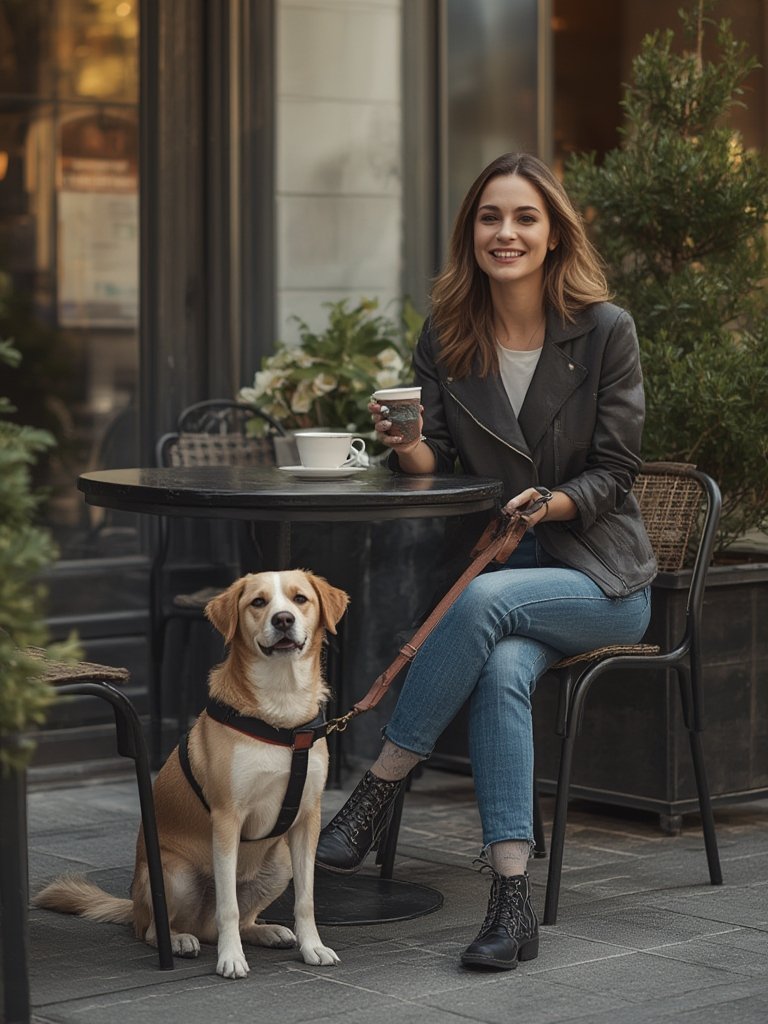
The modern Crossbody Dog Lead represents a shift toward smarter, better-designed hands-free walking gear for urban lifestyles—but most brands and guides are stuck in the past, missing style and technical gaps that matter most to buyers like you. If you want a crossbody lead that actually works for your routine (and looks just as good as your go-to jacket) you’ll need to look for details that go beyond the sales pitch—and demand transparent reviews and specs. Ready to try your next Crossbody Dog Lead? Shop, compare, and test—then share your feedback with brands to help raise the bar for everyone. Your style, your dog, your rules.
FAQ
What is the difference between a crossbody dog lead and a regular dog leash?
A crossbody dog lead is designed to be worn over the shoulder or across the torso, freeing up your hands for errands or running. Regular leashes are held in the hand and often offer less flexibility or comfort for walking in busy urban environments.
Are crossbody dog leads safe for all breeds and sizes?
Generally, yes, as long as you use the right fit and hardware for your dog’s weight and body type. Always check adjustability and try the fit at home before a long outing. For strong pullers or large breeds, look for high-tensile materials and secure locking carabiners.
How do I match a crossbody dog lead with my outfit?
Choose neutral colors or subtle designer finishes for daily versatility. Opt for hardware that matches your typical bag or jewelry metal, and consider a color-block lead for statement looks. Minimal branding and quality materials will always photograph better.
Can I run with a crossbody dog lead?
Yes, if it’s advertised as an adjustable running lead and fits snugly without slipping. Make sure it allows enough movement for your running stride while keeping your dog close but comfortable. Always test at home first and check for any chafing on longer routes.
Are there eco-friendly options for crossbody dog leads?
Some brands use recycled PET, vegan leather, or organic fibers, but these options are still rare. Look for sustainability certifications on the product’s packaging and check for real durability as well as style.