


### Blog Post:
Regenerative Soil Kits are gaining popularity with gardeners aiming to heal their soil beyond just fertilizing plants. But what does the science really support, and how can you know if these kits deliver at the microbial level? This guide gives you evidence-based insights, uncovers gaps in current knowledge, and hands you a practical checklist for getting regenerative soil healing right—without falling for greenwashing.
Key Takeaways
- No peer-reviewed studies from 2023–2024 directly test commercial regenerative soil kits against conventional fertilizers at the microbial level; buyers must rely on broader regenerative practice data.
- Certification is critical—over 70% of values-based shoppers say third-party verified organic or pet-safe labels are a must-have to avoid greenwashing.
- Real improvement comes from kit ingredients and the practices they support—prioritize mycorrhizal fungi, microbial inoculants, and clear no-till compatibility, but set realistic timelines for visible soil and yield changes.
- What the science actually shows — and what’s missing about commercial regenerative soil kits
- How regenerative practices affect soil microbes vs conventional fertilizers
- Quantifying carbon and soil change — what measurable gains are realistic
- Seaweed-based fertilizer: what it can do for microbial life — and the evidence gap
- Mycorrhizal fungi and biofertilizers — practical benefits and what the research supports
- Common user pain points and expectation gaps to address in product messaging
- Pet-safety and no-till compatibility — certifications and specs shoppers should demand
- Costs — upfront and ongoing (what the research found and where data is missing)
- Market guarantees: pet-safety + true no-till compatibility — reality check
- Top 3 critical aspects competitor content misses (and copy angles to outrank them)
- Practical buyer checklist — what to look for on the label and in the product literature
- How to measure success at home — quick tests and timeframes
- Recommended product page template for retailers (to reduce returns & build trust)
- Conclusion — prioritized recommendations for writers (3 bullets)
- FAQ
What the science actually shows — and what’s missing about commercial regenerative soil kits
Despite the growth in Regenerative Soil Kits on garden store shelves, recent research brings a sobering reality: No specific scientific studies from 2023–2024 directly evaluate commercial regenerative soil kits for their effects on garden yields or microbial soil health compared to standard fertilizers. Instead, evidence must be inferred from broader studies of regenerative practices like reduced tillage, organic amendments, and use of biofertilizers or microbial inoculants. For home gardeners, this means that while the logic of these kits aligns with promising principles, there’s still a leap from science to commercial product claims. Be wary of marketers implying kit-specific validation if none exists. Transparency about this gap is crucial for informed decisions and realistic expectations.
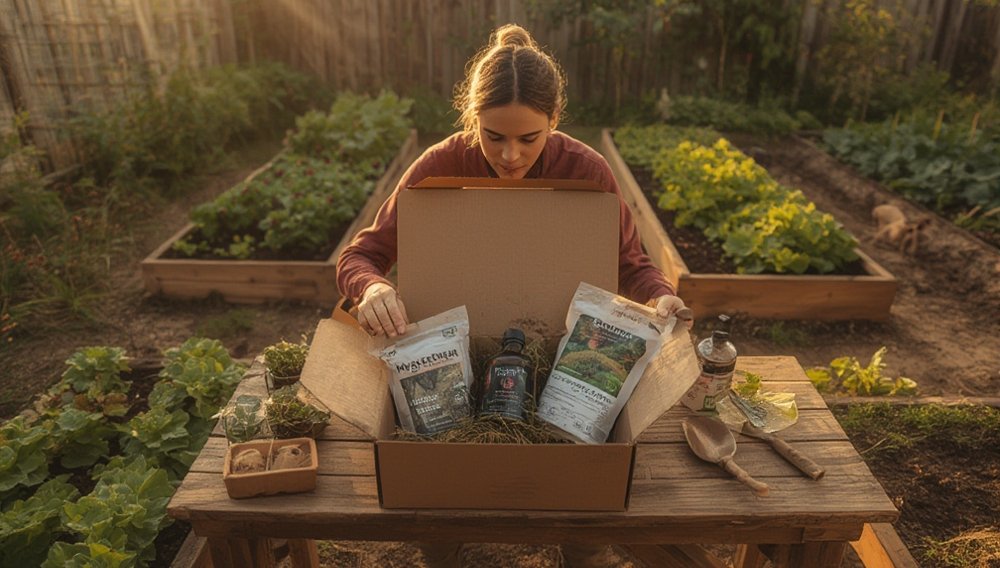
How regenerative practices (reduced tillage, organic amendments, biofertilizers) affect soil microbes vs conventional fertilizers
Meta-analyses and field trials show that practices embedded in most Regenerative Soil Kits can outperform conventional inputs on several soil health indicators. For example, combining organic soil health amendments, reduced-tillage approaches, and targeted microbial starters increase soil microbial biomass, richness, and bacterial diversity when compared to synthetic fertilizer use. Mechanistically, this results from increased soil organic carbon, improved nutrient cycling, and more resilient microbial communities. However, most studies are on agricultural fields—not small urban plots—so results may vary with soil type, climate, and intensity of use.
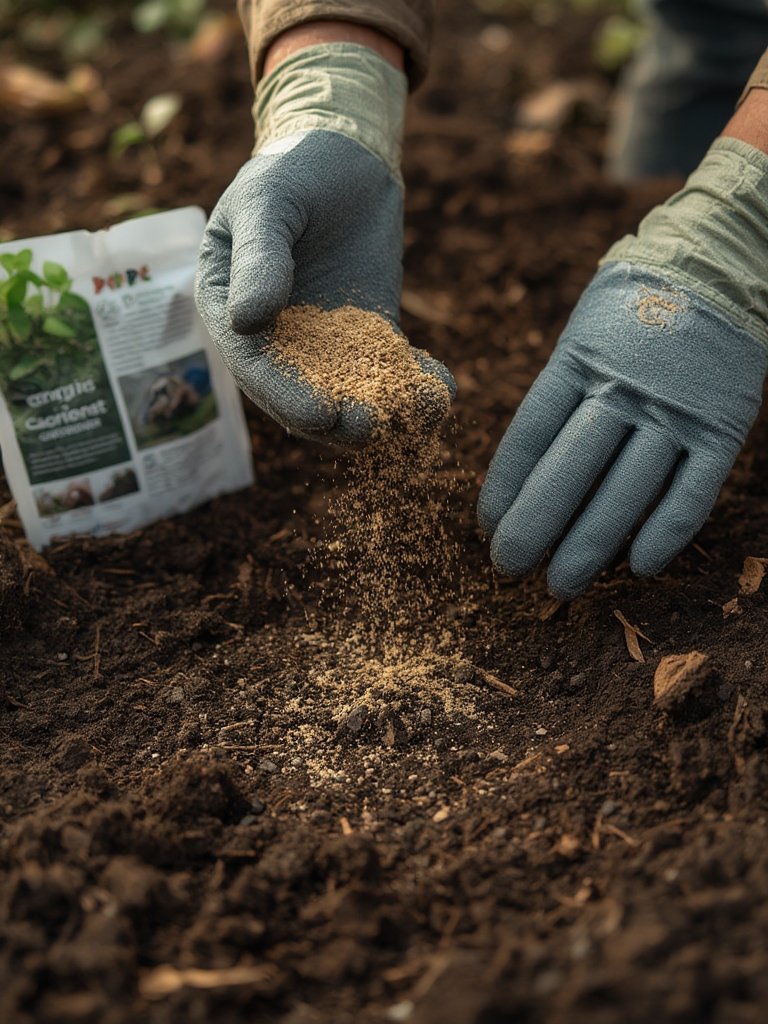
Quantifying carbon and soil change — what measurable gains are realistic
Ambitious promises abound, but reality is more nuanced. According to a 2023 meta-analysis, diversified rotations and managed grazing (often referenced in regenerative claims) yield soil organic carbon (SOC) improvements ranging from 0.92 to 8.39 Mg C ha⁻¹ year⁻¹. Yet only 28 peer-reviewed studies from 2002–2020 address SOC impacts, and very few focus on garden settings. This means that gaining a single measurable increment in organic soil health may take more than a season, especially in small-plot conditions. Climate, texture, and prior land use create huge variability. Yield improvements may lag behind visible soil recovery—especially if soil is heavily degraded to start.
Seaweed-based fertilizer: what it can do for microbial life — and the evidence gap
Seaweed-based fertilizer is now a trendy addition to many soil kits. Theoretically, seaweed extracts contribute polysaccharides, micronutrients, and plant signaling molecules that can stimulate soil microbes and bolster organic soil health. However, no current (2023–2024) studies quantify the impact of seaweed-based fertilizers in regenerative soil kits. All real-world claims rely on mechanism rather than product-specific science. While general studies support the use of organic matter for microbial boosts, buyer expectations for this “bioactive” component should remain cautious pending stronger data.
Mycorrhizal fungi and biofertilizers — practical benefits and what the research supports
Research supports several expected benefits of mycorrhizal fungi, such as enhanced phosphorus uptake, drought resilience, and increased root surface area. Biofertilizers with microbial inoculants accelerate the recovery of diverse soil microbial communities, increasing bacterial and fungal units. Still, survivability can depend on matching strains to your soil’s existing ecology, and most studies lack data on off-the-shelf kit effectiveness. Always check for detailed microbial strain/spec information—especially if you require mycorrhizal fungi pet-safe or allergen-free certifications for peace of mind.
Common user pain points and expectation gaps to address in product messaging
Buyer confusion—especially around terms like “regenerative,” “biological,” or “soil activator”—remains common. Several consumer studies (Regenified 2024 Consumer Report) highlight that low understanding of regenerative concepts can lead to disappointment if results are slow or unclear. Unmet expectations often include speed of visible change, instructions that don’t match soil types, or unclear guidance on safe application around pets and wildlife. Product messaging needs to demystify each step, set realistic timelines, and clearly state what the kit can and cannot do.
Pet-safety and no-till compatibility — certifications and specs shoppers should demand
Certification is non-negotiable for most value-driven gardeners. According to Regenified’s 2024 report, 72% of shoppers and 92% of dedicated regenerative buyers require verified certification—USDA Organic, OMRI-listed, and independent Pet safety verification checks count most. Demand that kits specify mycorrhizae or inoculant strains, list guaranteed analysis, and clarify instructions for no-till garden starters. Greenwashing risk is high because the term “regenerative” lacks a fixed legal definition. Trust is built through third-party seals, batch-tracked lab results, and transparent compatibility labeling.
For more on how to maximize your outside spaces, see our Guide to Landscaping Services and Backyard Ideas.
Costs — upfront and ongoing (what the research found and where data is missing)
No direct market data currently compares 2024 pricing of genuine Regenerative Soil Kits to conventional fertilizers. Expected cost drivers include inclusion of advanced microbial blends, seaweed concentrates, organic-certified components, large starter volumes, and heavier packaging for shipment. Ongoing costs may be higher if reapplication is needed, or lower if soil resilience is sustainably improved. Still, 89% of motivated buyers are willing to pay a premium if transparent evidence and certification are clear. Estimate your ROI by comparing initial soil test results with annual improvements in soil organic matter, biological activity, and yield (even if small in year one).
Market guarantees: pet-safety + true no-till compatibility — reality check
The market currently lacks transparency on how many kits truly guarantee both pet safety and strict no-till compatibility. No aggregate data exist to back up most company claims. It’s up to consumers to demand specific pet-safe certifications, clear no-dig instructions, and supporting documents (such as batch lab sheets or trial evidence) before purchase. Don’t take brochures at face value—contact vendors for evidence, and request reports before you buy.
If you’re focused on safe products for pets and families, check out our Upcycled Pet Bedding Guide for more ways to keep your garden and home safe.
Top 3 critical aspects competitor content misses (and copy angles to outrank them)
- Soil compatibility diagnostics: Most content ignores how soil texture, pH, and climate zone influence kit results. Always insist on an initial soil test kit or compatibility chart. Copy Hook: “Is This Kit Right for Your Yard? 3-Minute Test Reveals All.”
- Realistic timelines and maintenance: Expecting quick results leads to frustration. Content should stress that full microbial effects and visible plant response take time—often a growing season or more. Copy Hook: “How Fast Will Your Soil Heal? The Honest Timeline, Step by Step.”
- Demandable proof and certification: Few competitors teach gardeners what proof to ask for—lab results, certifications, and side-by-side photos of measured outcomes. Copy Hook: “Don’t Just Trust the Label—Insist on These Lab Results Before You Buy.”
For more on evidence-based, value-focused home improvement, see our practical kitchen & bathroom remodel guide.
Practical buyer checklist — what to look for on the label and in the product literature
- Certified label (USDA Organic, OMRI, or similar)
- Pet safety verification if needed (third-party lab results or claim with contact)
- Strain and genus/species of mycorrhizal fungi and bacteria
- Clear guaranteed analysis (nutrients and biological content)
- No-dig or low-till compatibility instructions, including for raised beds
- Transparent application rate, timing, and expected outcomes (seasonal guidelines)
- Return policy details, especially if not satisfied with microbial test or first crop
- Suggested ongoing applications or compatible follow-up inputs
Questions you should ask any vendor before buying:
- Can you provide lab reports or certificates of microbial content and safety?
- Which pet-safety tests has this product passed? Who evaluated them?
- Is this kit suitable for my soil type or region?
- Will you share instructions for no-till or low-disturbance application?
- What is your return or guarantee policy if my results don’t match your claims?
For more expert home gardening and upgrade tips, see small screened-in porch ideas.
How to measure success at home — quick tests and timeframes
- Soil organic matter proxy tests: Use a basic soil test kit to check for upward trends in organic matter percentage yearly.
- Water infiltration test: Dig a shallow hole, fill it with water, and time how quickly it drains before and after applying your kit as a sign of improved structure.
- Simple soil biology test: Send samples to a local lab for affordable assays of microbial biomass or active bacteria/fungi (many community extension offices provide this service for gardeners).
- Crop yield tracking: Maintain records/photo logs of yields or plant health over 2–3 growing cycles. Don’t expect massive improvements in the first season, especially in tough soils.
Broader studies confirm that visible yield improvements lag behind microbial community change in small-plot gardens, so patience is essential. If you’re interested in extending ecological principles beyond the garden, see our fire-smart landscaping guide.
Recommended product page template for retailers (to reduce returns & build trust)
- Clear certification badges (USDA Organic, OMRI, Pet Safe, etc.)
- Lab-verified claims or third-party reports (direct PDF or web link)
- Instructional how-to video/animation with step-by-step guide
- Timeline chart showing what to expect in weeks/months
- Pet-safety data with easy-to-read summary
- Soil compatibility & climate region chart
- Cost-per-square-foot or per raised bed calculator
- FAQ and education link for buyer guidance
(example: biophilic design for wellness)
According to consumer research, 89% are willing to pay more for transparent, certified soil kits and 72–92% say proof is essential—don’t hide your data or education materials.

Conclusion — prioritized recommendations for writers (3 bullets)
- Acknowledge evidence gaps: Emphasize that no specific scientific studies from 2023–2024 directly test commercial Regenerative Soil Kits—avoid making unsupported performance claims.
- Demand verifiable certification: Point out that 72–92% of consumers require strict proof of certification to trust claims and avoid greenwashing.
- Deliver actionable tools: Give readers a concrete checklist and a plan for tracking measurable improvements, not just general guidance.
Choosing Regenerative Soil Kits for your garden is a commitment to soil healing—so approach every label with a critical eye, demand proof and certification, and set realistic expectations. For more practical guides, explore our outdoor lounge ideas. Ready to nurture living soils? Start asking the questions above and track your soil’s story—not just your plant’s next harvest.
FAQ
Are Regenerative Soil Kits backed by recent scientific studies?
No direct studies from 2023–2024 test these kits versus standard fertilizers at the microbial level. Buyers should rely on broader regenerative research and demand honest lab evidence from brands.
How do I know if a kit is pet-safe and suitable for no-till?
Look for third-party pet-safe certification and explicit instructions that match your no-till or low-dig gardening style. If not listed, ask the brand for lab reports and detailed documentation.
Is seaweed-based fertilizer a proven way to boost soil microbes?
Mechanistic studies suggest seaweed extracts may help, but there are no kit-specific or quantified studies as of 2024. Treat such claims as unproven until more data emerges.
What’s the best way to measure if my soil is actually improving?
Combine a simple soil organic matter test, a water infiltration test, and basic lab soil biology checks each season—track changes year-over-year, not just after the first kit use.
How much should I budget for using Regenerative Soil Kits?
Prices vary widely due to ingredient and certification differences. While no direct 2024 price comparisons exist, most premium kits cost more upfront. Plan for ongoing inputs and check included instructions for recommended application frequency.
—