


GLP-1 Pet Food is gaining attention in 2024 as more dog owners look for science-backed ways to help their pets manage weight, driven by sharp rises in canine obesity rates. But how big is the problem, and what do we really know about these next-generation metabolic dog foods?
Key Takeaways
- Canine obesity rates doubled to 35% in 2024 in the US, fueling interest in weight management for dogs and new products like GLP-1 Pet Food.
- There is growing market curiosity about GLP-1-based pet foods and metabolic dog treats, but no direct evidence links the obesity surge to proven benefits of these products for pets.
- Veterinary guidance and clinical data are lacking on safety, dosages, cost, and regulation—owners should consult professionals before considering these novel supplements.
- 2024 snapshot — canine obesity is rising, fast
- Adult and life-stage patterns — where the problem peaks
- Long-term risk — why early weight matters
- Regional picture — UK and global signals for demand
- Market implication — rising obesity suggests unmet demand (but evidence gap remains)
- Evidence and regulatory gap — what the current research did NOT show (must be transparent)
- Essential sections the article must include (what readers want next)
- Practical recommendations for consumers (safe next steps while evidence develops)
- Reporting checklist and sources to pursue (instructions for further research)
- FAQ
2024 snapshot — canine obesity is rising, fast
In 2024, the urgency for better weight management for dogs is hard to ignore. According to the Association for Pet Obesity Prevention, 35% of dog owners reported their pets as overweight or obese. That’s a steep rise from just 17% in 2023, reflecting a rapidly growing problem for pet health and prompting interest in new solutions like GLP-1 Pet Food and metabolic dog treats.

This uptick is not simply marketing hype; it represents a major shift in the needs and worries of dog owners like Emily, who want proactive, evidence-based options for managing pet obesity—prompting them to ask about emerging categories such as GLP-1 Pet Food. Still, it’s important to note that a jump in obesity rates does not automatically mean new metabolic supplements are proven effective, or that the market demand translates to real-world results for overweight pets.
Adult and life-stage patterns — where the problem peaks
Obesity isn’t evenly spread across all dogs. Understanding which dogs are at greatest risk guides how and when weight management for dogs is most effective:
- Adults: 44.5% overweight, 8.4% obese
- Mature life stage: 50.1% overweight, 12.6% obese
- Puppies/young dogs: Lower rates, but early overweight increases long-term risk
This puts a spotlight on canine obesity supplements aimed at adults and aging dogs, especially large breeds like Labradors, who tend to gain more in middle age. Emily—and owners like her—are right to research and target diet and activity changes well before dogs show outward signs of weight trouble.
Some owners turn to canine obesity supplements or metabolic dog treats, but most experts recommend managing calories and portion control first—therapeutic diets like LeanPaws dog food (see reviews and guidance on this page) offer evidence for weight loss before considering experimental options.
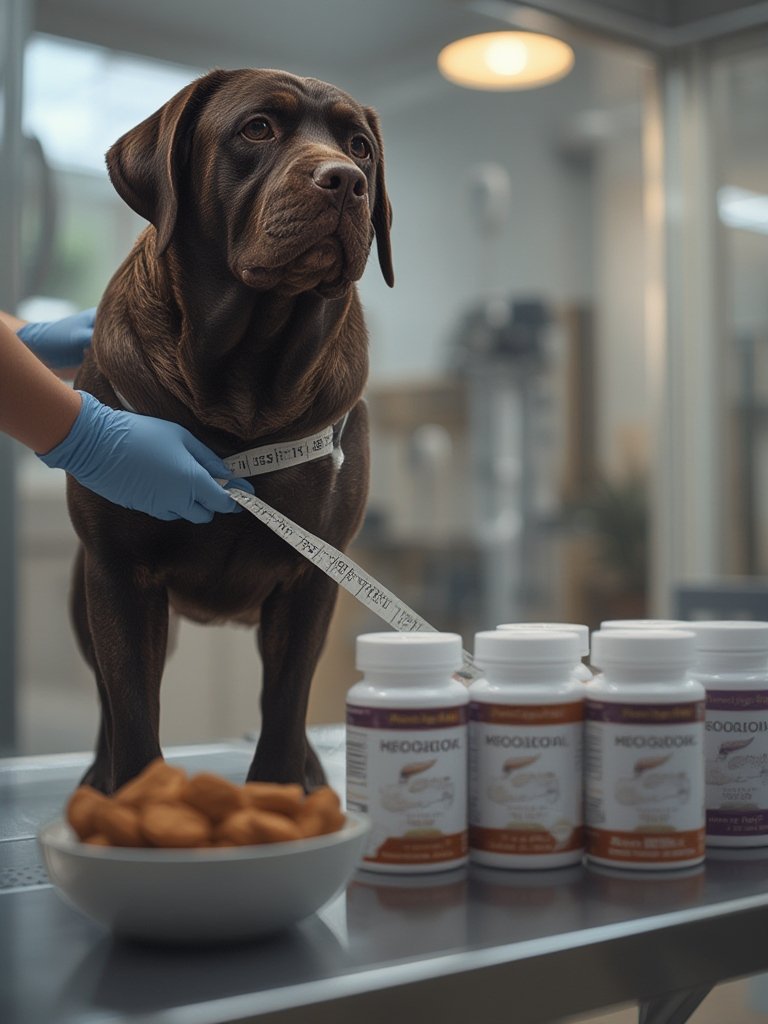
Backed by clinical study, dogs overweight or obese as puppies are 1.85 times more likely to remain so as adults. That’s a strong reason to get ahead now—unattended weight issues in youth persist, regardless of the product or supplement chosen later in life.
For more pet health tips, see our backyard exercise ideas to keep dogs active year-round.
Long-term risk — why early weight matters
Many dog owners wait too long to intervene. Evidence shows early overweight—especially if not addressed before the adult years—practically “locks in” higher weight risk for life. Consider these findings:
- Dogs overweight in growth were 1.85 times more likely to stay overweight/obese as adults
- Early, consistent weight tracking and calorie management is clinically proven to prevent and manage weight problems more efficiently than “quick fix” supplements
Skipping early vet checkups or using unverified supplements—especially new GLP-1 Pet Food—can delay effective intervention and may risk safety. Review the comparison table below for traditional weight management diets versus experimental supplements:
| Approach | Clinical Evidence | Vet Approved | Cost | Safety Profile |
|---|---|---|---|---|
| Calorie-Restricted Prescription Diets (e.g., LeanPaws dog food) | Yes | Yes | $$ | High |
| Metabolic Dog Treats | Some | Mixed | $$$ | Variable |
| GLP-1 Pet Food/Supplements* | No published peer-reviewed evidence | Unverified | $$$? | Unknown |
*Always consult a veterinarian before considering new supplement categories or human medications adapted for animals.
Regional picture — UK and global signals for demand
This isn’t just a US problem. Recent surveys in the UK point to similar, if not higher, levels of canine obesity. According to UK Pet Food, 50% of UK dogs are overweight—up from 45% ten years ago.

These global statistics reflect a persistent challenge, not just a trend, and help explain why there’s such major curiosity about GLP-1 Pet Food and other canine obesity supplements. However, remember there’s no published evidence yet confirming that these products work, or that they have regulatory approval in the US, UK, or EU for use in dogs.
For dog owners interested in broader pet wellness, check out spa-inspired home upgrades for yourself—healthy environments benefit both humans and pets.
Market implication — rising obesity suggests unmet demand (but evidence gap remains)
The sharp increase in pet obesity rates has created real market demand for novel solutions, including GLP-1 Pet Food, weight management for dogs, metabolic dog treats, and canine obesity supplements. Unfortunately, available studies—including those referenced above—do not document any direct correlation between obesity prevalence and demand or proven results for GLP-1-based pet products.
Here’s what we know so far:
- Obesity rates: Documented, rapidly rising
- GLP-1 Pet Food demand: No direct data available (unverified)
- Product safety/efficacy: No veterinary-published clinical data (gap)
This is an emerging “evidence gap,” not a proven solution—one that reputable sources in the field, including pet obesity prevention researchers, urge owners to approach with caution.
Evidence and regulatory gap — what the current research did NOT show (must be transparent)
Transparency is critical when it comes to new pet products. Here are the key missing pieces in the current literature about GLP-1 Pet Food and related metabolic products for dogs:
- No owner-reported outcome studies for GLP-1/metabolic treats—consumer experiences are unverified
- No peer-reviewed clinical safety or effectiveness data published for GLP-1 analogues in dogs
- No established dosage or use guidelines for pets
- No cost or value comparison studies (vs. traditional diets like LeanPaws dog food)
- No regulatory approval information from FDA, USDA, or their UK/EU counterparts
These gaps should be clear deal-breakers for owners considering a shift to any GLP-1 pet food or supplement. Further reporting, including interviews with veterinary endocrinologists and pet dieticians, is needed for safe recommendations.
Essential sections the article must include (what readers want next)
Based on reader needs and Emily’s profile, the following unanswered questions and resource sections must be prioritized in future editions or follow-up:
- Veterinary interviews on GLP-1 and metabolic supplement safety in dogs
- Human GLP-1 weight loss mechanisms explained — what’s translatable to pets?
- Cost comparison breakdown — GLP-1 Pet Food and metabolic treats vs. traditional prescription diets like LeanPaws dog food
- Regulatory status and guidelines from FDA, USDA, and European authorities
- Real owner case studies (positive and cautionary), with veterinary follow-up
Given the sharp increase in overweight/obese adult dogs (44.5% and up), readers should expect clear, vet-sourced evidence and comparisons before trying any new supplement. For more homeowner tips on smart decision-making, review our evidence-backed cost-saving guide.
Practical recommendations for consumers (safe next steps while evidence develops)
If you’re considering new weight management for dogs, especially experimental products such as GLP-1 Pet Food or metabolic dog treats, here’s what you should do:
- Schedule a veterinary assessment for your pet’s current weight, body condition, and risk profile.
- Ask about safe, proven weight-loss diets—therapeutic foods like LeanPaws dog food often come with published vet evidence and calorie-tracking frameworks.
- Monitor your dog’s weight regularly, with special attention in the puppy, adult, and senior years.
- Avoid unregulated, unverified supplements—products using human drugs or mimicking prescription GLP-1 analogues specifically require veterinary supervision (risk of side-effects and incorrect dosing for pets).
- If asking about GLP-1 options, request evidence: peer-reviewed studies in canine use, approval status, and cost comparisons versus standard care.
With adult dog overweight rates at 44.5%, and juvenile overweight increasing later risk by 1.85x, these early, vet-guided steps are essential regardless of what products you may explore. For safety, prioritize transparency and clinical data over novelty.
You can also browse our complete guides to value-driven home solutions—a smart parallel to evidence-backed choices for your dog’s well-being.
Reporting checklist and sources to pursue (instructions for further research)
Writers and editors covering GLP-1 Pet Food or metabolic dog treats must secure the following before making recommendations:
- Peer-reviewed trials of GLP-1 analogues in dogs (clinical safety, effectiveness, dose ranges)
- Guidance from major veterinary associations (AAHA, AVMA, RVC, WSAVA)
- Regulatory filings/approvals from FDA, USDA (US), EMA (EU), and UK FSA/DEFRA for any marketed product
- Manufacturer statements and clinical claims—vet-verified only
- Owner case studies and testimonials with independent vet follow-up
- Transparent cost/value comparisons—especially GLP-1 vs. LeanPaws dog food and other prescription diets
Recommended expert sources: board-certified veterinary nutritionists, endocrinologists, regulatory veterinarians, and peer-reviewed journal databases (e.g., PubMed, JAVMA, Vet Rec). This diligence ensures all health and safety claims are grounded in real data—not just marketing or unverified trial reports.
Want more practical evaluation tools? Explore our checklists guide for other complex choices.
Conclusion
Rising obesity rates in dogs have rightly focused attention on weight management for dogs and the potential of innovations like GLP-1 Pet Food. But until evidence—clinical, regulatory, and cost-related—catches up, conservative, vet-led approaches remain best for most owners. Stay cautious, demand transparency, and consult veterinary professionals to safely navigate this rapidly evolving field.
If you want to learn more or have direct questions about GLP-1 Pet Food, talk to your veterinarian before making any diet changes for your dog.
FAQ
What is GLP-1 Pet Food and how does it differ from regular dog food?
GLP-1 Pet Food refers to dog foods or supplements that claim to use or mimic the GLP-1 hormone, which in humans is used for weight loss. These products are not standard pet foods and currently have no peer-reviewed canine-specific efficacy data. Always consult a veterinarian before trying such products.
Are GLP-1 Pet Food products safe for dogs?
No published clinical trial data or regulatory approvals exist for GLP-1-based foods or supplements in dogs as of 2024. Safety is unproven, and there may be risks with dosing or mixing with other medications. Never use human GLP-1 drugs for your pet unless prescribed by a veterinarian.
What should I ask my vet before considering GLP-1-based products for my dog?
Ask about clinical trial evidence in dogs, approved dosage guidelines, potential interactions with other medications, any reported side effects, and comparative outcome data versus traditional weight management diets like LeanPaws dog food.
How do obesity rates in dogs compare between the US and UK?
US obesity rates doubled to 35% in 2024, while the UK reports 50% of dogs are overweight, up from 45% a decade ago. Both regions highlight the urgent need for effective, safe solutions to manage canine obesity, but human GLP-1 success does not automatically translate to proven pet benefit.
Should I try GLP-1 Pet Food, or stick to proven weight management diets?
Until well-designed, published studies show GLP-1 Pet Food is safe and effective, most experts recommend starting with calorie-controlled, prescription veterinary diets, portion management, and increased activity. Only consider new supplements with veterinarian supervision and verifiable evidence.
—